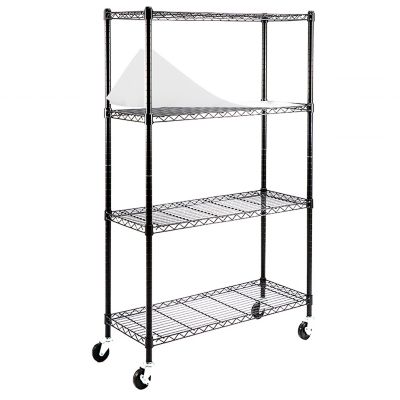
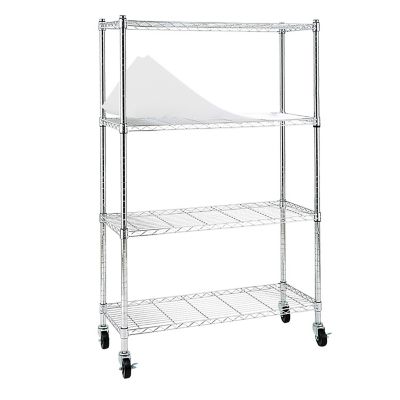
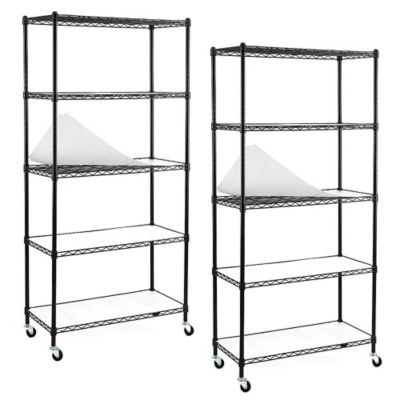
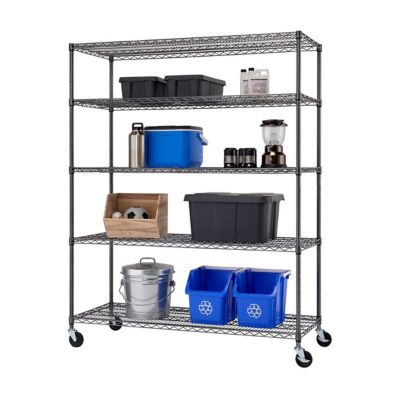
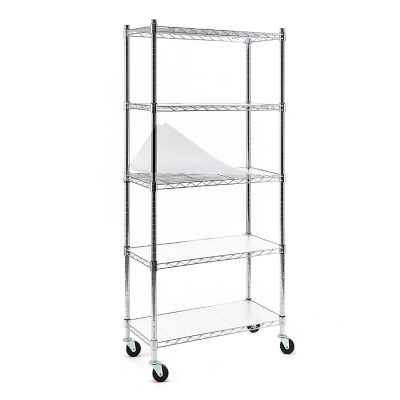
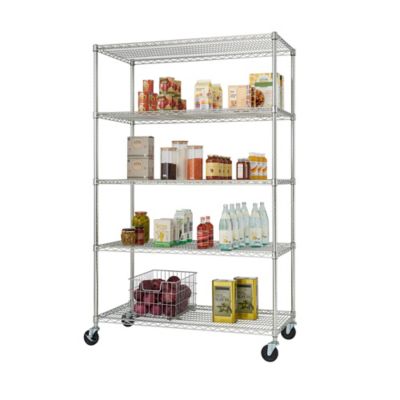
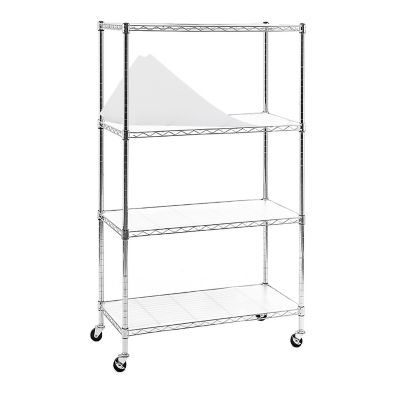
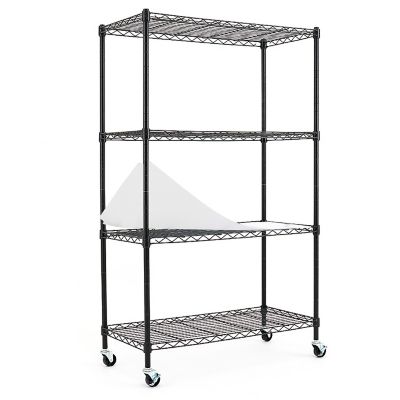
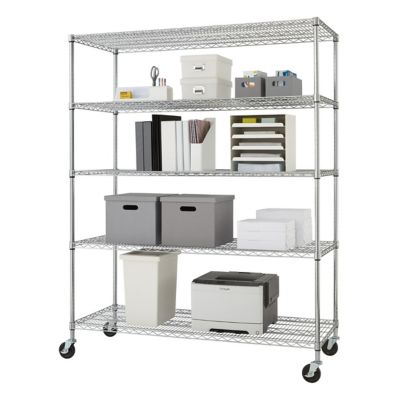
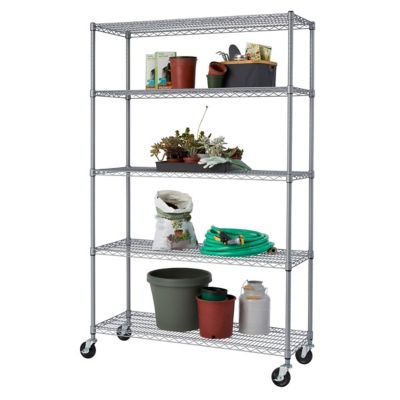
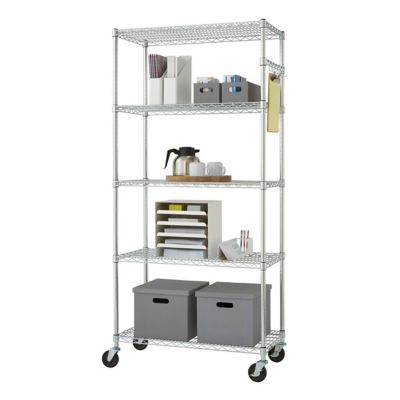
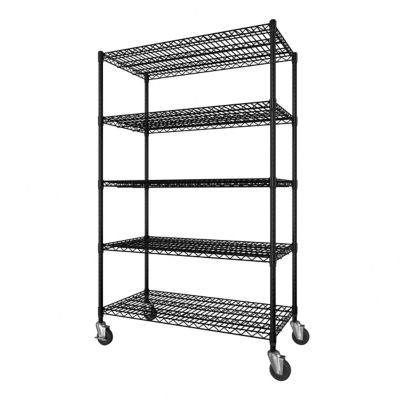
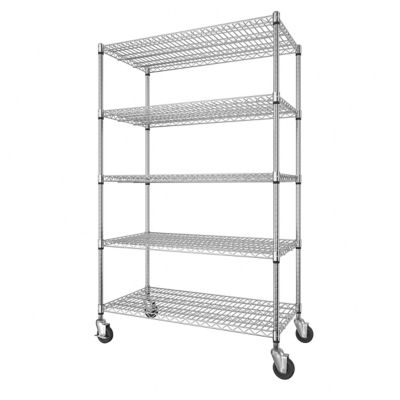
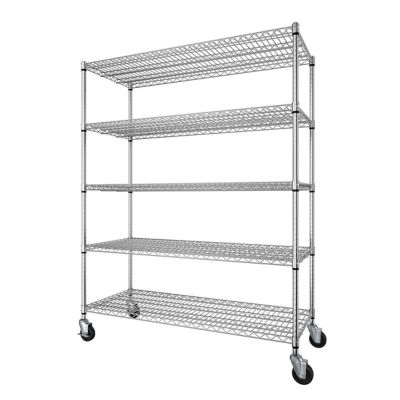
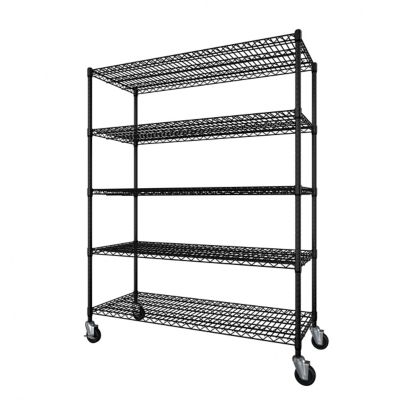
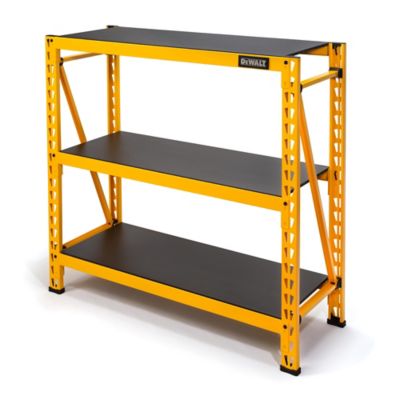
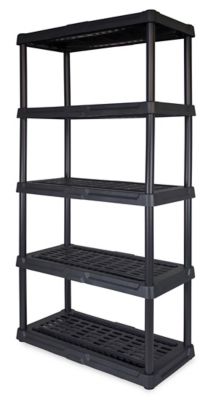
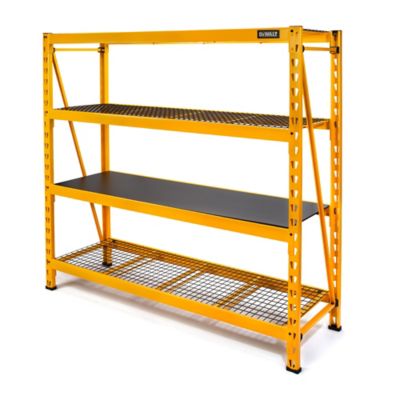
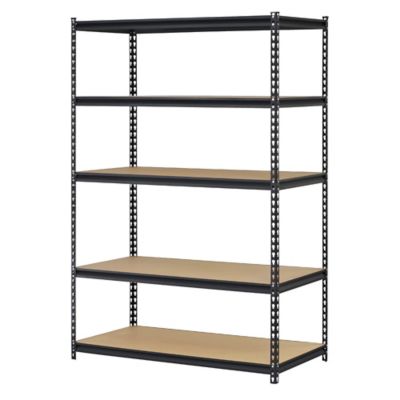
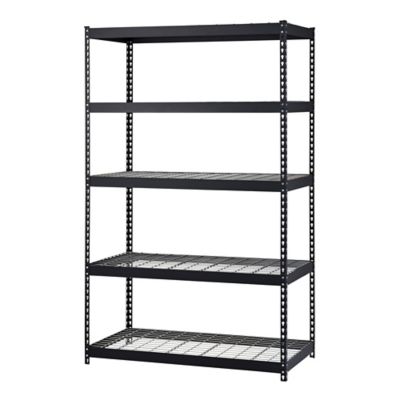
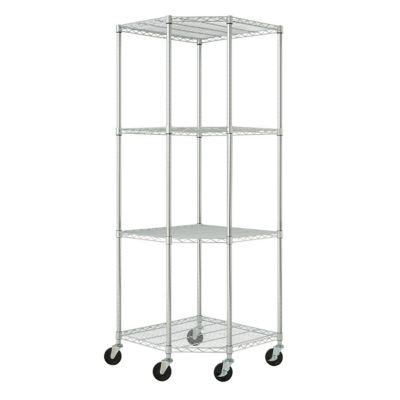
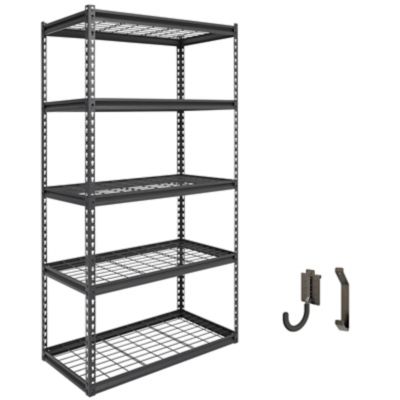
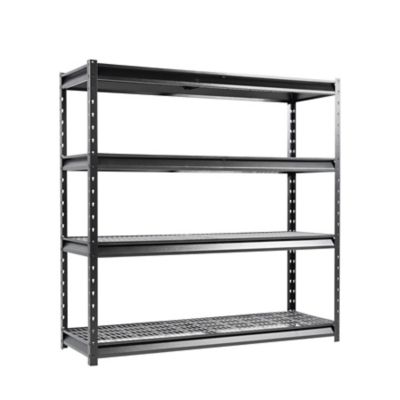
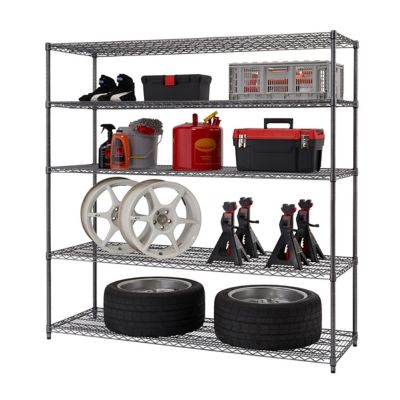
Heavy-duty storage shelves with wheels combine sturdy shelving with rolling casters, giving tools, bins, parts and supplies a place to land without tying storage to one spot. They fit naturally into garages, farm shops, utility rooms and work areas where floor space has to serve more than one job. A rolling shelving unit can keep repair supplies beside a workbench, then move aside when a larger project needs room. In a shop with concrete floors, that mobility also makes it easier to reach behind shelving for cleaning or retrieve something that slipped underneath. The right fit depends on more than how much open wall space a rack fills. Overall width, depth and height affect how the unit sits in a room, while usable shelf dimensions determine whether containers fit without hanging over the edges. Handles, caster assemblies and other projections can add to the footprint, and the full assembled height includes the wheels. Doorways, low overhead storage, floor transitions and turning space all matter when shelving needs to travel between work areas. Adjustable shelf spacing makes room for containers of different heights, with less wasted space above shallow trays or small parts bins. Tall openings can accommodate larger containers, though shelf placement still needs to follow the unit’s assembly requirements. Open sides make supplies easy to spot and reach, while shelf lips, where included, can help limit smaller objects sliding off an edge. Neither feature takes the place of keeping a load secure before moving it. For someone maintaining equipment, organizing a woodworking space or keeping household supplies out of the walkway, rolling storage brings frequently reached-for gear closer to the task. It works especially well when the contents have a clear home: heavier containers down low, lighter supplies higher up and the things reached for most often at a comfortable height. That arrangement keeps the rack practical rather than turning it into another crowded corner.
Weight capacity is one of the most important distinctions among heavy-duty rolling shelving units, and a single large number does not tell the whole story. Manufacturers may list separate limits for each shelf, the complete unit, stationary placement on leveling feet, stationary placement on casters and movement on casters. A rack’s capacity on leveling feet does not automatically carry over when wheels are installed, and a stationary caster rating may be higher than its rolling rating. Locking the wheels does not increase the stated load limit. The applicable manufacturer rating should match both the assembled configuration and whether the shelving will stay parked or move with a load aboard. Shelf ratings commonly depend on evenly distributed weight, so a compact, heavy object concentrated in the middle can place different demands on the shelf than several containers spread across it. The whole-unit limit also matters; adding together individual shelf capacities does not override a lower total rating for the frame or casters. Steel posts, reinforced shelf supports and properly seated connections contribute to load support, but material alone does not establish capacity. Welded, bolted and sleeve-connected designs each have assembly requirements that affect how the rack performs. Casters deserve just as much attention as the shelving above them. Wheel diameter, tread material, bearings and mounting hardware influence rolling effort, floor contact and the load the assembly can support. Larger wheels generally handle small floor irregularities more easily, though cracks, thresholds and debris can still stop a loaded rack abruptly. Swivel casters help with maneuvering in tight spaces, while brake designs vary: some stop wheel rotation, and others also restrict swivel movement. Heavy-duty mobile shelving belongs on surfaces suitable for its wheels and load, not on stairs or steep slopes. Keeping weight low and within the frame helps limit tipping risk, but it does not replace the manufacturer’s directions for loading, movement or any required anchoring. Where those directions call for unloading before movement, the wheels are not permission to roll the rack fully loaded.
Shelf construction affects everyday use as much as capacity does. Steel wire shelves allow visibility and airflow between levels, which can make it easier to see a container tucked toward the back. Small parts, narrow container feet and soft-bottom bags may need a compatible liner or tray so they sit securely rather than catching between wires. Solid shelves offer a continuous surface for smaller objects, though their materials and finishes determine how they handle spills, abrasion and cleaning. Steel shelving may have a plated, painted or powder-coated finish; resistance to corrosion varies by the finish and the conditions the manufacturer permits. Shelves made with wood-based panels can have different moisture limits than metal shelves, so suitability for a damp utility area should never be assumed. Containers holding liquids need sound lids and appropriate secondary containment, especially near supplies that could be damaged by a leak. In a garage, [PLACEHOLDER] can serve as movable storage beside a bench or along a wall, provided there is enough clearance to park and move the unit without blocking access. A rack that travels often benefits from a clear path and contents arranged so nothing projects into a doorway or catches on nearby equipment. One that mostly stays parked still needs accessible wheel locks and room to reach the shelves without climbing on the frame. Routine care is straightforward: wipe away spills with a cleaner suited to the surface, let shelves dry and clear string, shavings and other debris from around the wheels. Periodic checks of fasteners, shelf connections, caster mounts and brakes can reveal loosening or wear before the next move. Bent supports, damaged wheels or a rack that no longer stands square deserve attention before more weight goes aboard. With a suitable footprint, clearly stated load ratings and shelving surfaces that suit the contents, a rolling unit can keep a busy workspace orderly while leaving room for the work itself.