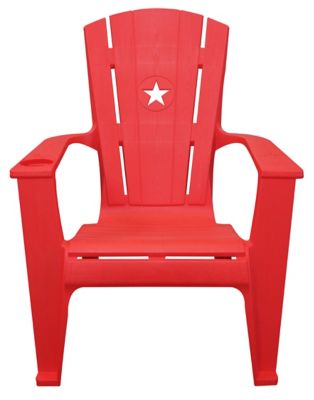
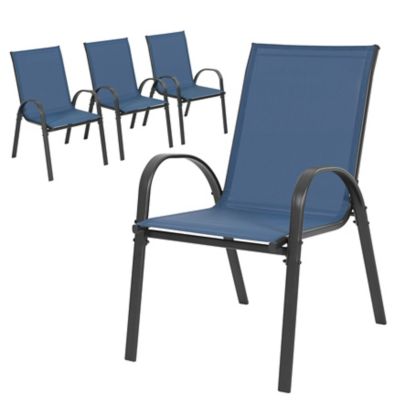
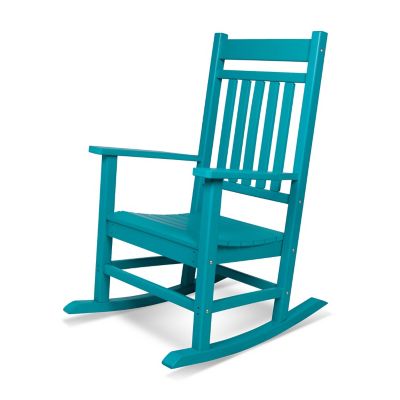
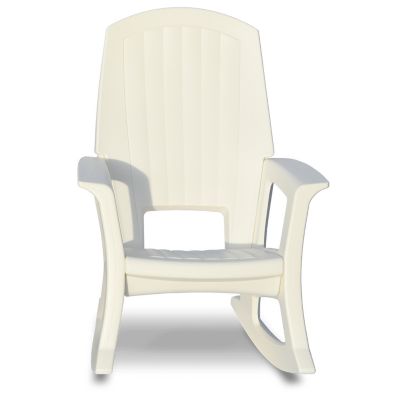
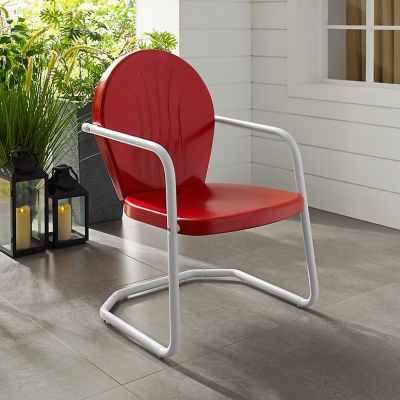
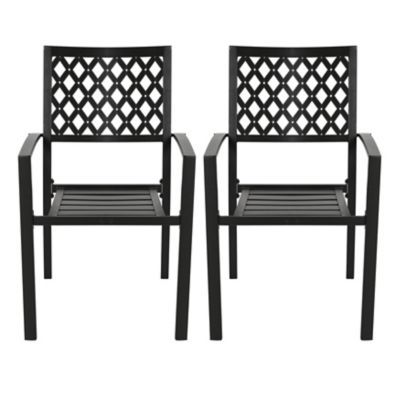
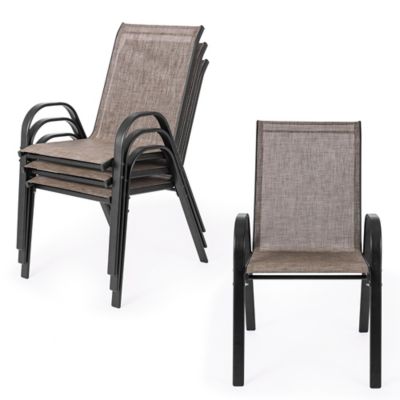
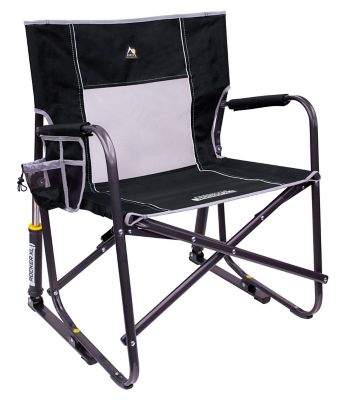
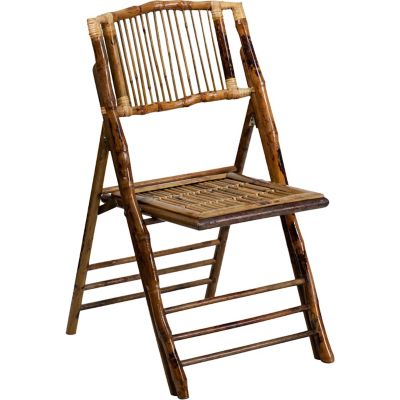
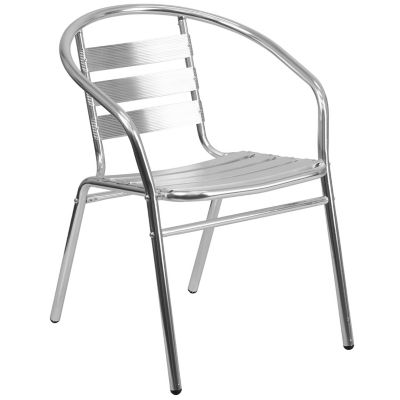
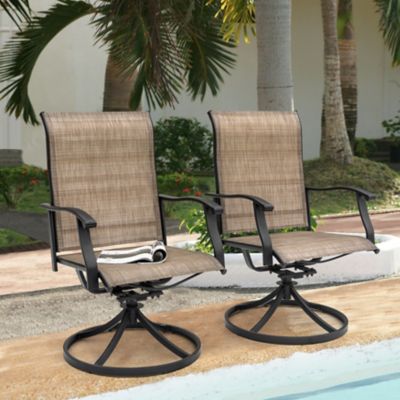
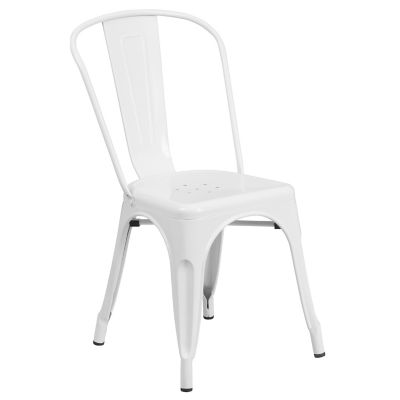
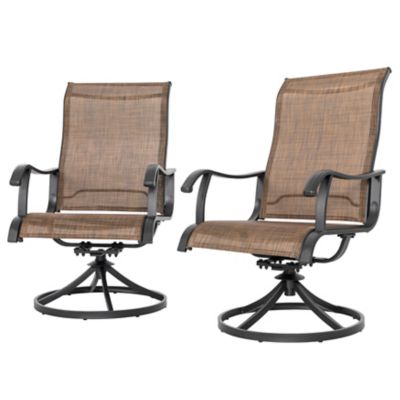
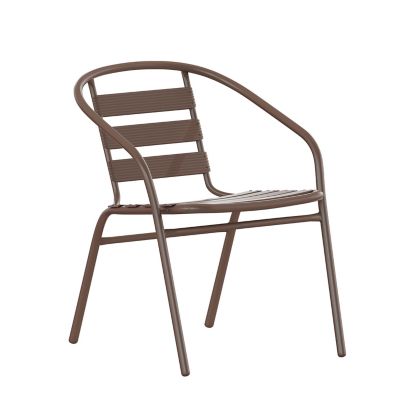
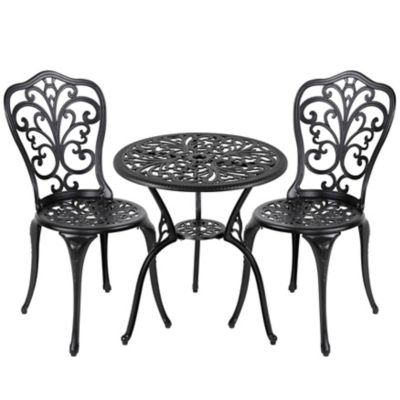
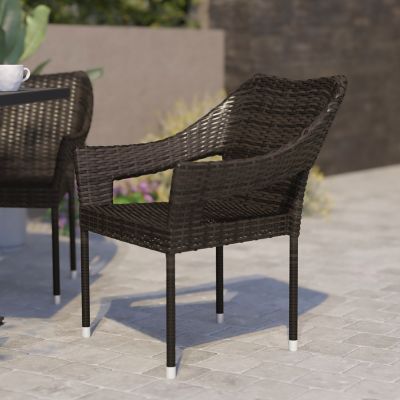
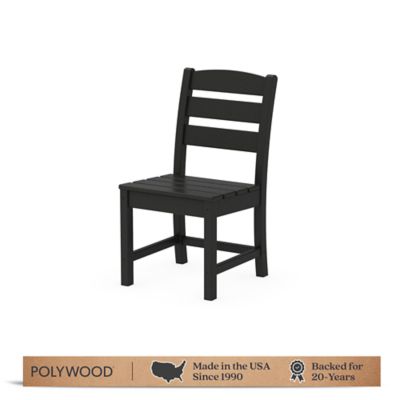
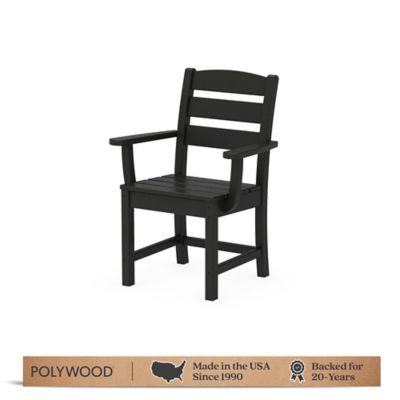
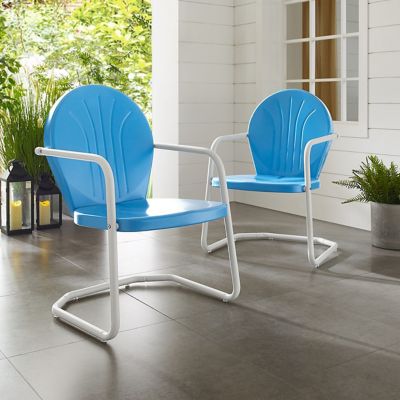
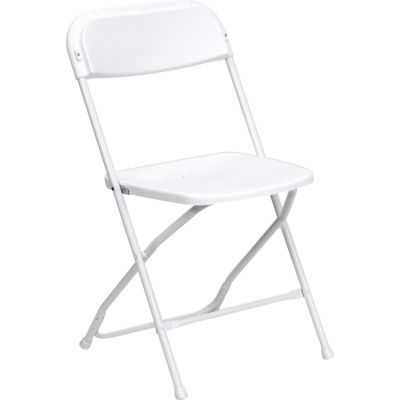
Heavy-duty patio chairs bring sturdy, comfortable seating to porches, decks, and backyard gathering spots, whether the afternoon calls for shelling beans at the picnic table or sitting down after fence work. What sets these outdoor chairs apart is their construction: reinforced frames, substantial connections, supportive seating surfaces, and a stated weight capacity suited to the person sitting in them. Some designs carry manufacturer-listed capacities of 400 to 600 pounds, but the rating belongs to the individual chair, not to the category as a whole. A wide seat or a thick-looking frame alone does not establish how much weight a chair can support. Frame material, bracing, hardware, and the way the seat attaches all contribute to its strength. Powder-coated steel offers a solid feel, while aluminum can make a chair easier to move between the porch and patio. High-density polyethylene and other outdoor resins resist moisture without needing the same finish maintenance as wood, though their construction and care requirements vary. Wood brings a familiar look to a farmhouse porch and benefits from a finish appropriate for outdoor exposure. Fabric seating may feature tightly woven polyester, reinforced seams, or multiple layers in high-stress areas. Fabric weight and weave help describe the material, but they do not replace the chair’s stated load rating. For everyday seating, the practical details matter just as much as the frame: a backrest that supports a comfortable posture, armrests with enough room for forearms, and feet that sit evenly on the intended surface. A chair that feels steady on a level concrete patio may behave differently on gravel or soft ground. Broad feet can help spread the load, but firm, level placement remains important. For outdoor meals, quiet mornings with coffee, or a place to rest while visiting with neighbors, the best fit balances support, manageable weight, and comfort rather than simply taking up the most space.
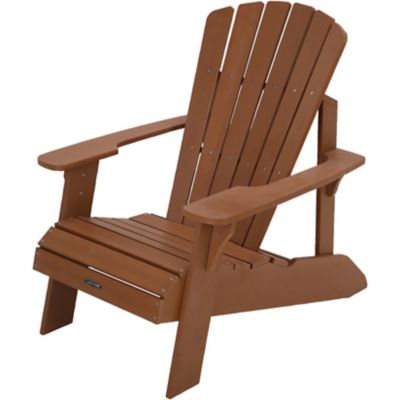
Fit starts with the seat’s width, depth, and height, especially when several people will share the seating over time. Overall chair width includes the frame and armrests, so the clear space between the arms tells more about sitting room. A deeper seat may suit someone with longer legs, while a shallower seat can make it easier for a shorter person to sit back with both feet on the ground. Extra room is handy with a coat during the cooler months, but an oversized seat is not automatically more comfortable. A seat that is too deep can leave someone perched forward without back support. Taller seats and firm armrests may make standing up less demanding, provided the chair stays stable and the dimensions suit the person. Low, reclined seating offers a different feel, better suited to stretching out than leaning toward a dining table. For that laid-back porch setup,
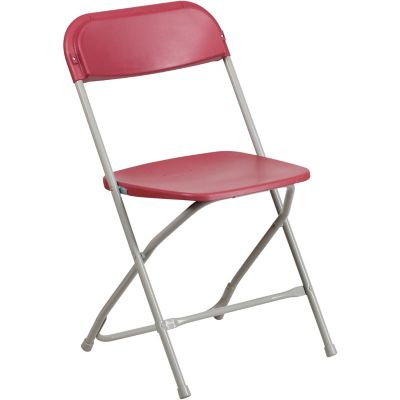
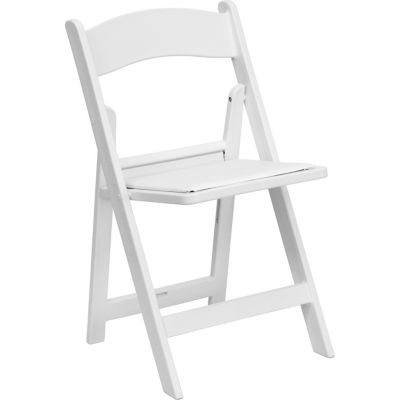
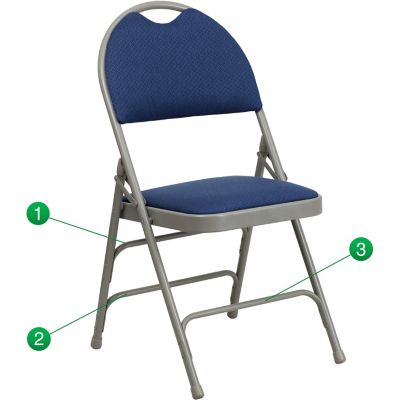
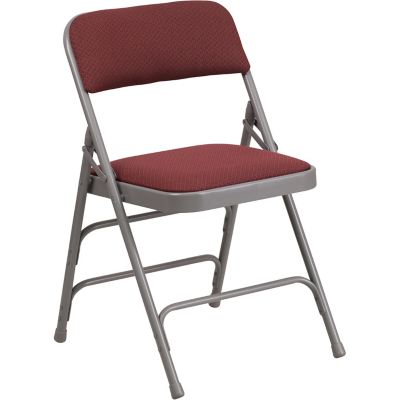
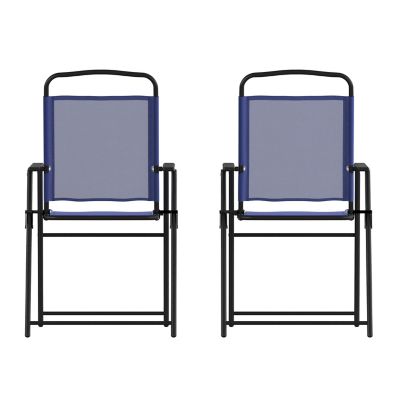
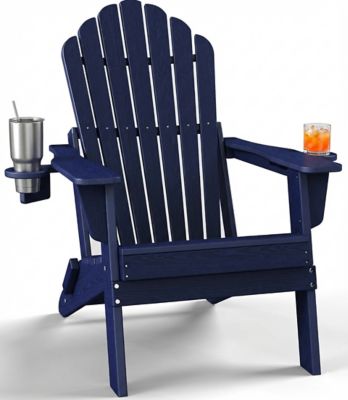
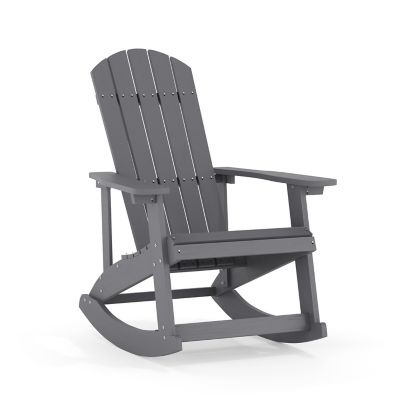
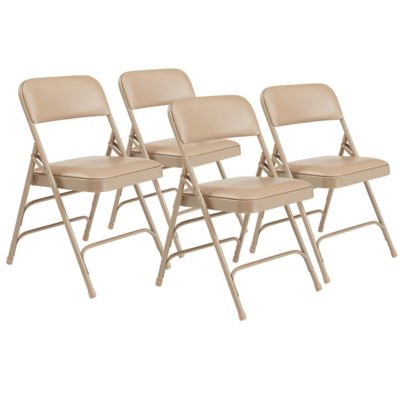
Heavy Duty Adirondack Chairs offer another seating style to consider alongside upright patio chairs. Rocking designs need enough open space behind and in front of the chair for their full motion, along with a surface suited to the base. Swivel chairs need clearance from tables, railings, and neighboring seats. Folding patio chairs make sense where the same space serves several purposes, such as a covered patio that hosts family meals but needs to stay open for carrying firewood through to the house. Their folded dimensions, carrying weight, and locking mechanisms deserve attention, particularly if they will move in and out of storage often. Stationary chairs can suit a seating area that stays arranged through the season. Around a dining table, seat height and arm clearance determine whether a chair pulls in comfortably; on a narrow porch, overall depth affects the walking path. Cushions add another fit consideration because thick padding changes both sitting height and usable seat depth. For a gift, matching the recipient’s porch space, preferred sitting position, and ability to move the chair is more thoughtful than choosing by appearance alone.
Outdoor exposure puts chair materials through more than an occasional rain shower. Sunlight, damp leaves, windblown grit, and repeated temperature changes all affect how seating holds up, even under a porch roof. Powder coating helps shield steel, but scratches and chipped edges deserve attention because exposed metal can rust. Aluminum does not develop the same red rust as steel, though its finish and hardware still need care. Resin seating is often straightforward to wash, while wood may need periodic sealing or refinishing according to the manufacturer’s directions. A mild soap-and-water cleaning, followed by rinsing and drying as directed, is often enough for routine dirt; harsh cleaners and pressure washing can damage certain finishes or fabrics. Removing leaf piles and debris from joints keeps moisture from lingering where it is hard to see. With fabric seats and cushions, water resistance is not the same as protection from prolonged soaking. Breathable mesh can encourage drainage and airflow, while padded seating needs enough drying time before it goes into storage. Removable cushion covers may simplify cleaning, but their care labels determine whether machine washing is appropriate. During stretches of wet or freezing weather, dry storage or a properly fitted, ventilated cover can reduce exposure. Covering a damp chair tightly can trap moisture rather than solve the problem. Seasonal checks of bolts, hinges, braces, and seat attachments help catch loose hardware or wear before the next gathering. Folding mechanisms should engage fully, and a chair with a cracked frame, torn support fabric, or damaged connection should stay out of service until properly addressed. Weight ratings apply under the manufacturer’s intended conditions; standing on a seat or tipping back onto two legs places different stresses on the structure. Keeping outdoor seating in good shape is mostly a matter of matching the material to the setting and giving it regular attention. On a sheltered front porch, an open deck, or a patio beside the garden, heavy-duty patio chairs earn their place by fitting the people, the space, and the everyday rhythm of spending time outside.