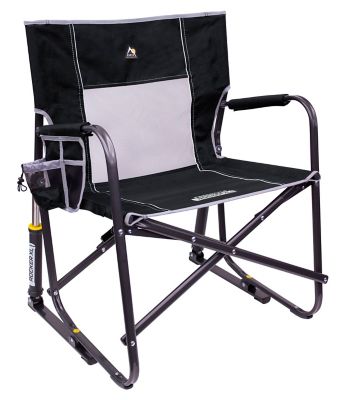
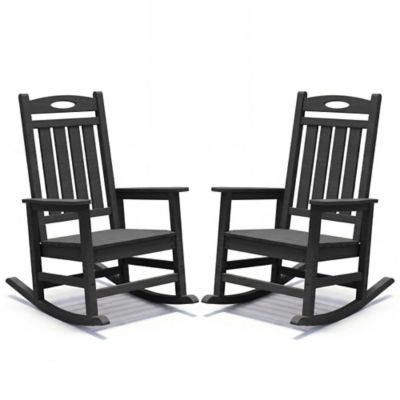
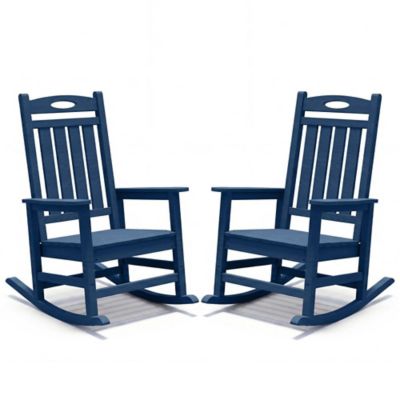
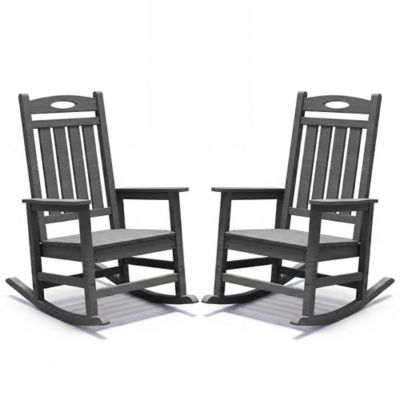
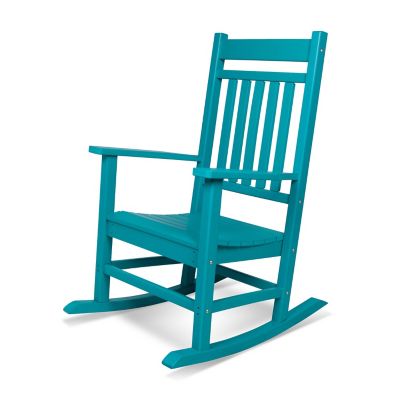
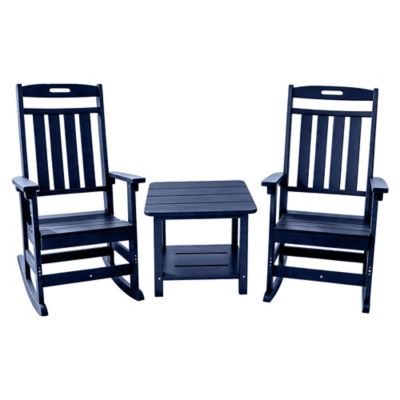
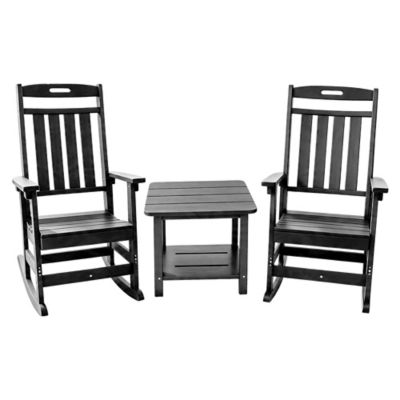
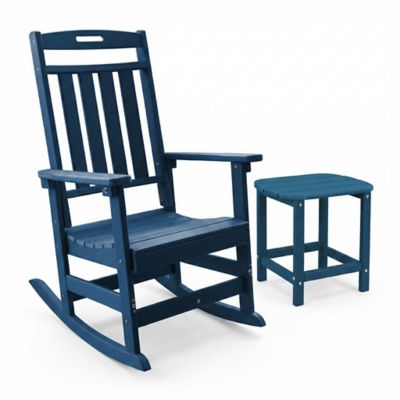
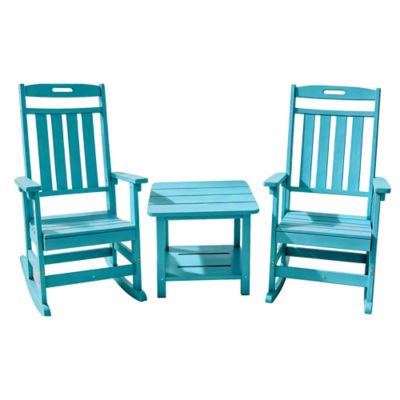
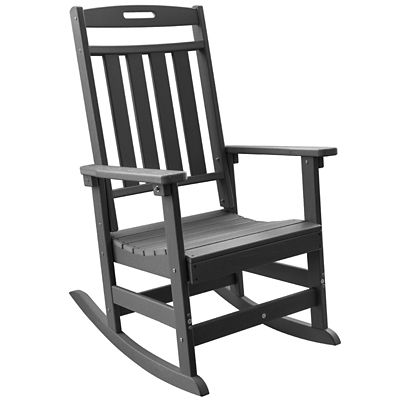
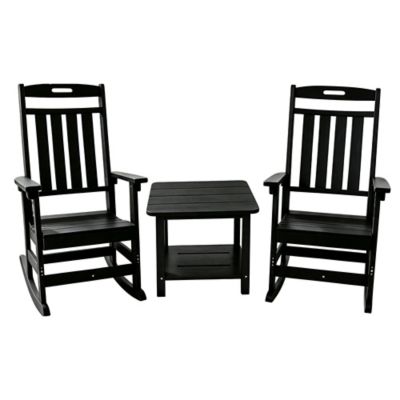
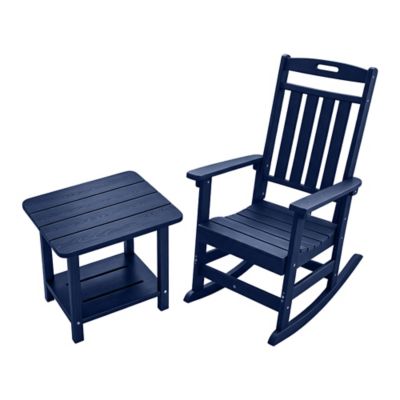
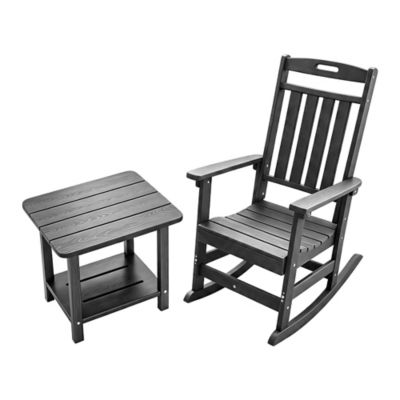
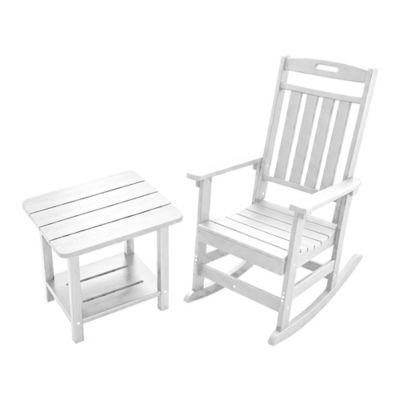
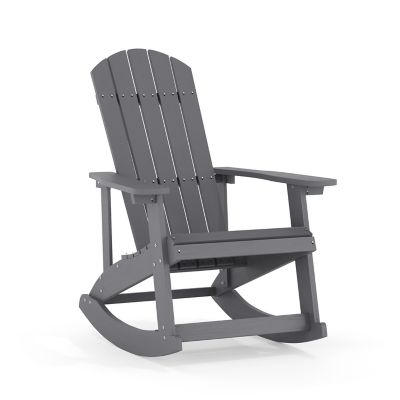
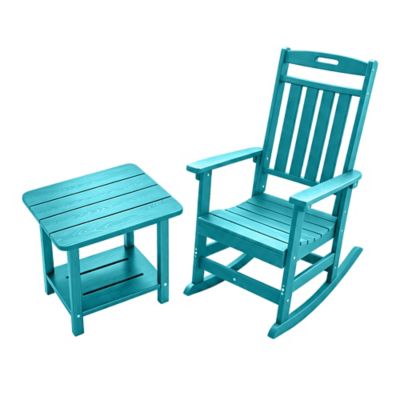
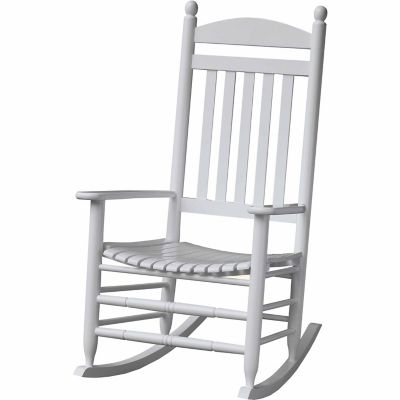
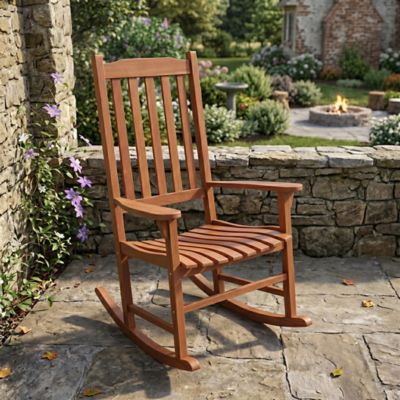
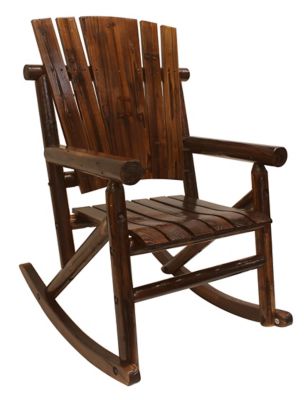
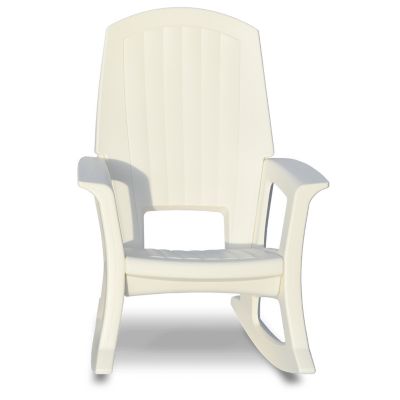
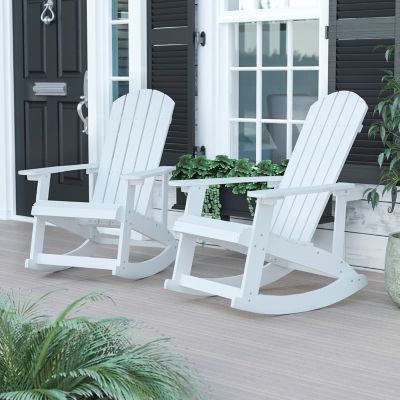
Heavy-duty outdoor rocking chairs combine a rocking seat with a frame built to support substantial seated weight, making them a practical choice for porches, patios and other outdoor sitting areas. Some designs have weight capacities ranging from 350 to 600 pounds, but that rating belongs to the individual chair, not the category as a whole. The manufacturer’s stated weight limit is the number to follow, and a wide seat or thick frame should never stand in for that information. Frame construction, joints, hardware and the rocking base all contribute to how a chair handles its rated load. For someone settling down after feeding livestock, pulling weeds or tending a fence line, comfort also depends on the way the chair fits. Seat width matters, but so does the open space between the arms, especially for someone who prefers a little extra elbow room. Seat depth should let the sitter rest against the back without the front edge pressing behind the knees. A taller seat may reduce how far someone has to lower into it, while a lower seat can feel more laid-back but take more effort to rise from. Armrest height, back angle and lumbar support deserve just as much attention as overall dimensions. Broad, flat arms offer room to rest forearms, and a taller back may suit someone who likes support through the shoulders. A rocker moves as weight shifts, though, so a person who needs firm, stationary support while sitting down or standing up may prefer a chair that stays put. A chair’s total width and depth also affect whether it fits beside a doorway or between porch posts. Checking those measurements along with the seat dimensions helps separate a roomy chair from one that simply takes up a lot of floor space. The right fit leaves room to relax without feeling swallowed by the seat or crowded by the arms.
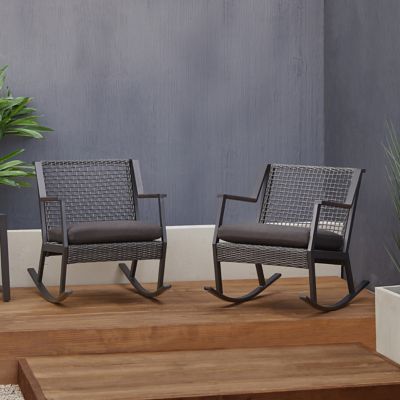
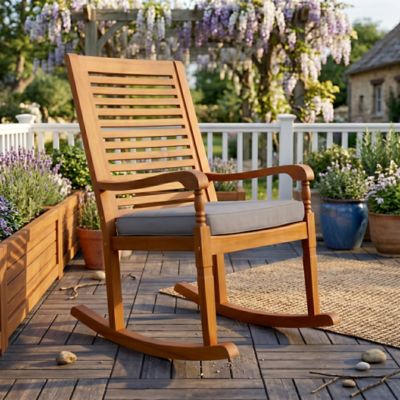
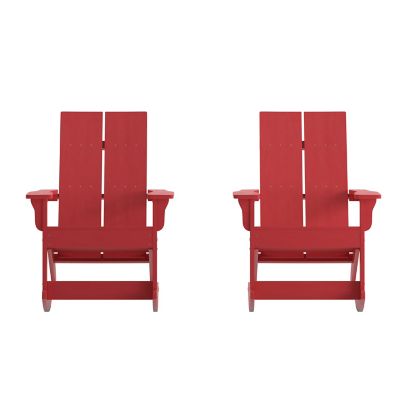
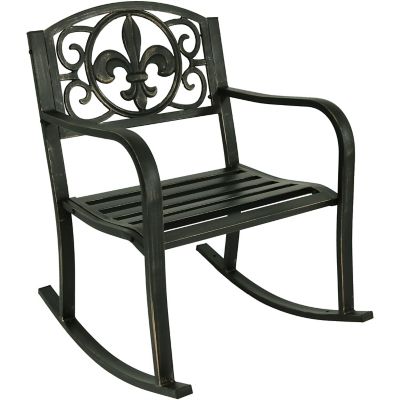
Materials make a real difference in the upkeep and everyday feel of heavy-duty outdoor rocking chairs. High-density polyethylene, often called HDPE, is a plastic lumber material that resists moisture absorption and does not require the same staining routine as wood. It can be a sensible choice for an uncovered patio or a porch where rain sometimes blows across the floor, though care requirements still vary by construction and finish. Pressure-treated pine offers the familiar appearance and feel of wood, with treatment that helps protect against rot and insect damage. That treatment does not eliminate every maintenance task: exposed wood may still need cleaning, inspection and a compatible water-repellent finish according to the manufacturer’s directions. Other wood species have their own care needs, and any wood rocker benefits from attention to rough spots, cracks and joints. Metal frames bring another set of considerations. Steel can provide substantial support, while aluminum generally weighs less and resists rust; neither material alone determines a chair’s weight rating. Protective coatings, welds, fasteners and overall construction matter, too. Scratches in a steel frame’s coating deserve attention because exposed steel can rust when moisture reaches it. Hardware suited to outdoor exposure helps limit corrosion around connections, where water can linger. For routine cleaning, mild soap, water and a soft brush are often appropriate, but the chair’s care directions should settle which cleaners and tools are safe. Letting surfaces dry before putting on a cover helps keep moisture from sitting against the frame. Cushions add another layer of comfort, provided they fit the seat without bunching up or sliding toward the front. Outdoor fabrics, secure ties and removable covers can simplify upkeep, while storing cushions in a dry place when they are not needed helps keep them ready for the next sit. Slat spacing and seat contours matter even without a cushion, especially for someone who prefers a firm seat that is easy to wipe down.
A good spot for a heavy-duty outdoor rocking chair starts with a firm, level surface and enough clearance for its full rocking motion. A chair that fits while sitting still may reach much farther forward and backward once someone leans into the rock. Porch railings, siding, doors and nearby tables all need breathing room, and the walking path should stay clear when the chair is moving. On a board porch, runner direction and gaps between boards can affect how smoothly the chair travels. On a patio, uneven pavers or deep joints may interrupt the motion. Soft ground and loose gravel generally do not provide the consistent support a rocker needs. The chair’s own weight matters here as well: a substantial frame may stay put more readily during ordinary sitting, but it can also take more effort to move for sweeping or rearranging. Foldable designs can make storage simpler, while fixed frames avoid the extra step of opening and securing a folding mechanism. Either way, assembly instructions, locking parts and hardware checks deserve attention before the first sit and at the intervals the manufacturer recommends. Keep fingers, small feet and pets clear of runners and moving joints, and do not treat a single-seat rocker as a bench for several people just because its listed capacity is high. For seating with a different posture,
Heavy Duty Adirondack Chairs offer another option to consider alongside rockers when planning a porch or patio gathering space. Matching seats are not necessary for a comfortable setup; what matters is enough room for conversation, an easy route to the door and a seat that suits each person. An outdoor rocker can also make a thoughtful housewarming, retirement or anniversary gift when the recipient’s preferred seat height, available space and maintenance routine are known. Whether it sits beside the back door or faces the pasture, the best-fitting chair makes a familiar place more inviting without adding more upkeep than its owner wants to take on.