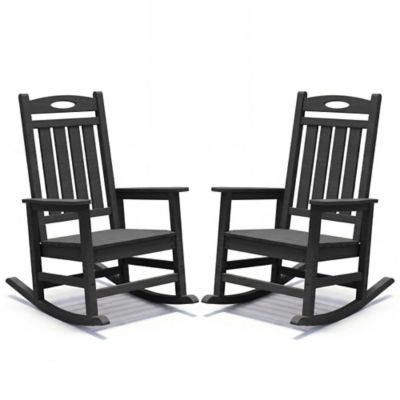
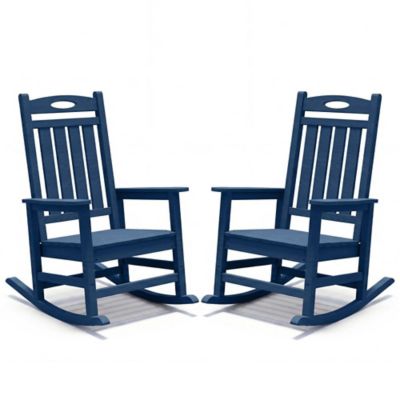
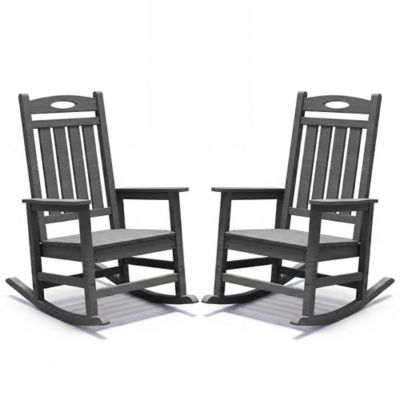
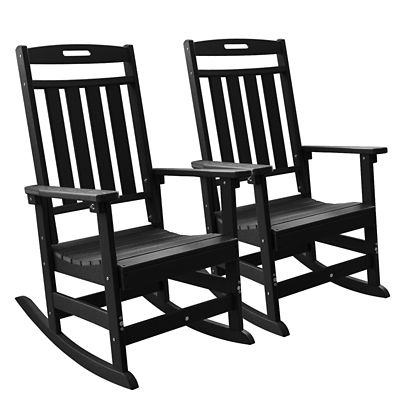
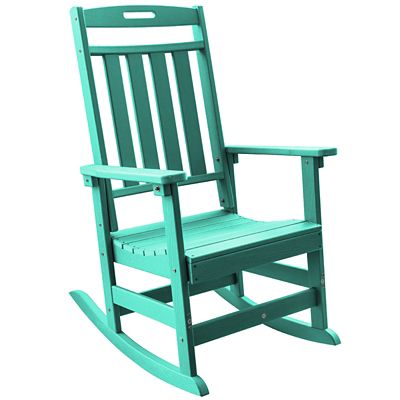
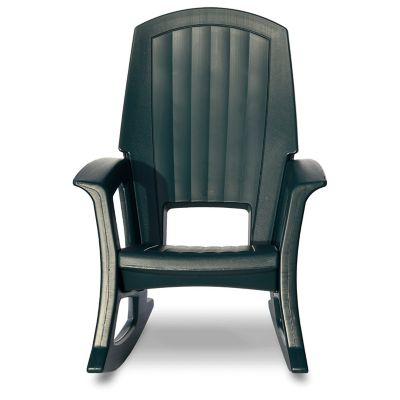
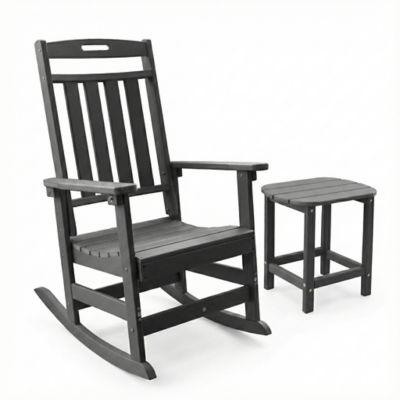
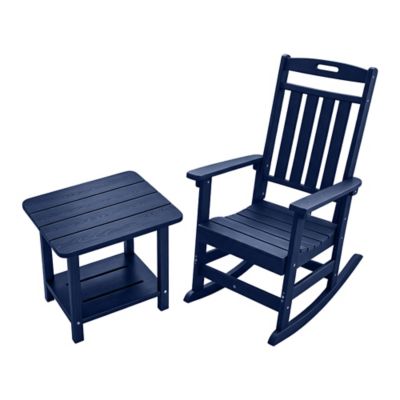
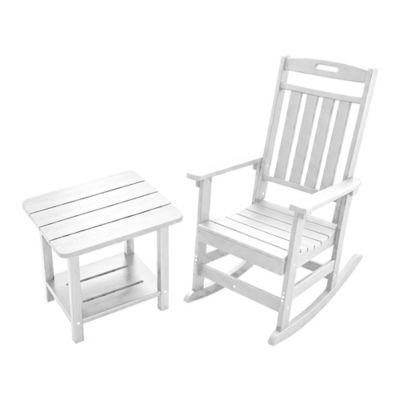
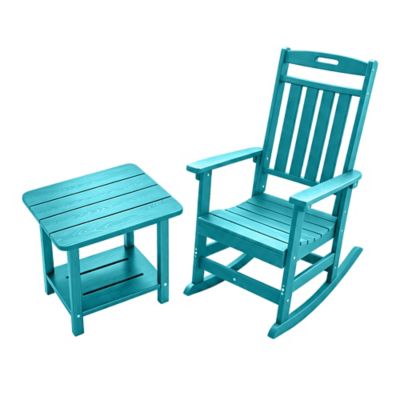
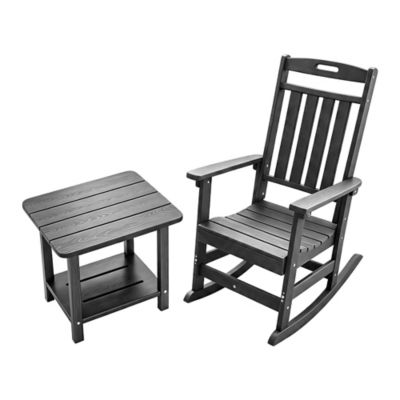
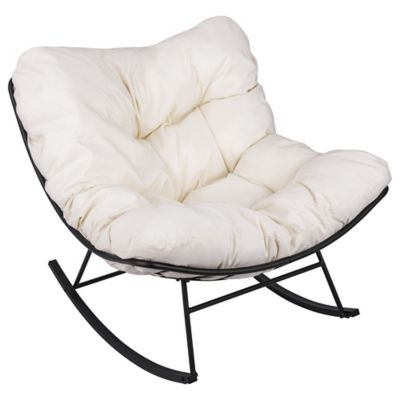
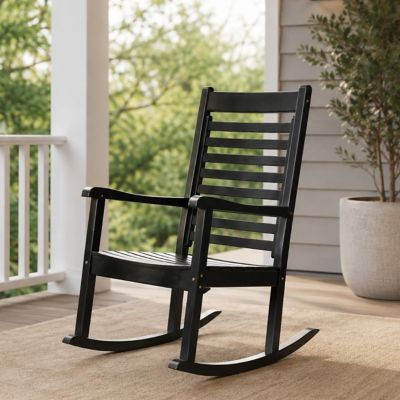
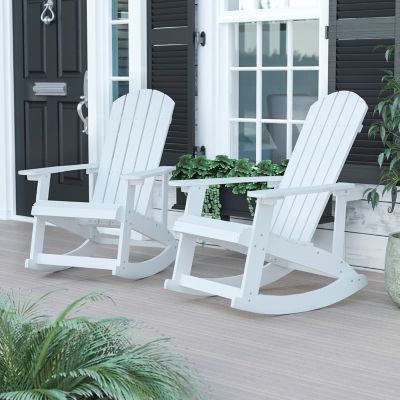
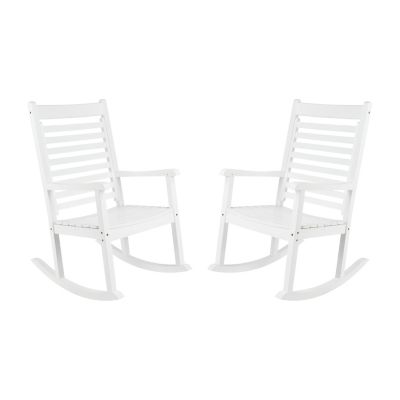
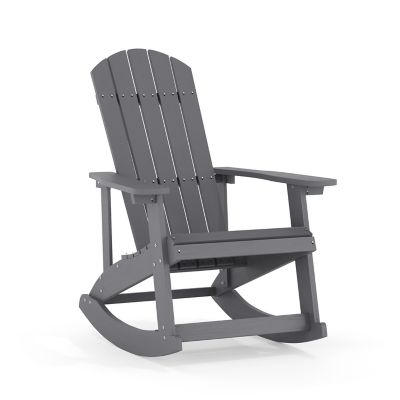
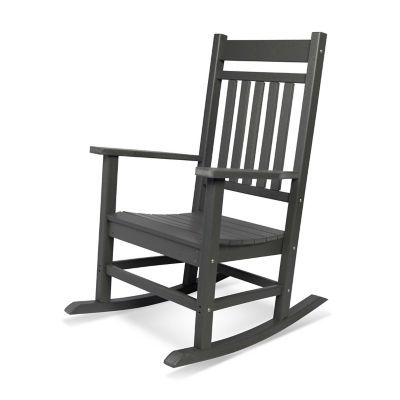
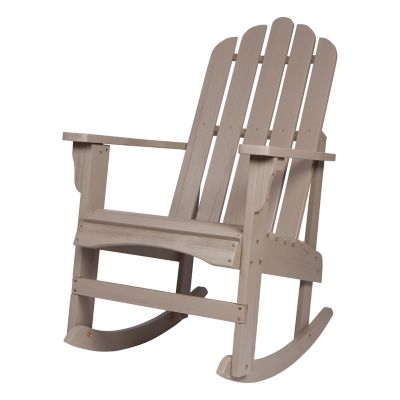
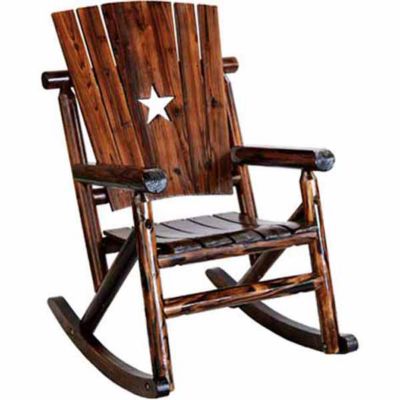
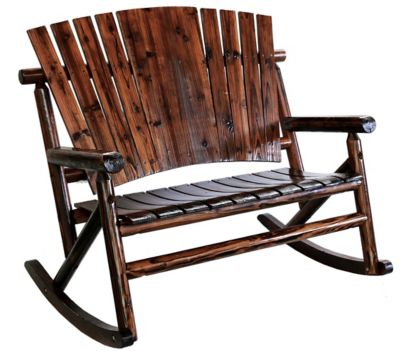
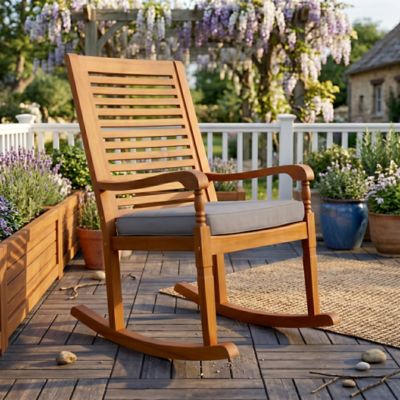
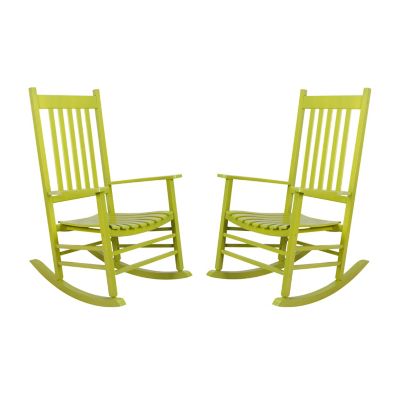
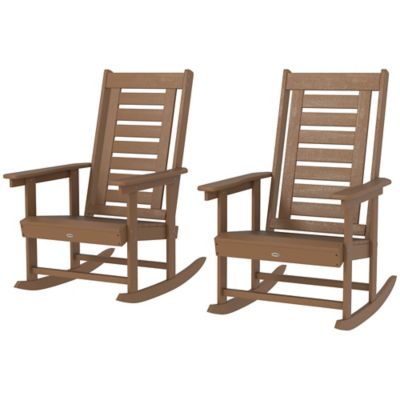
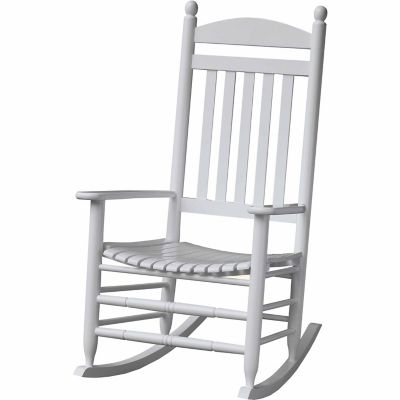
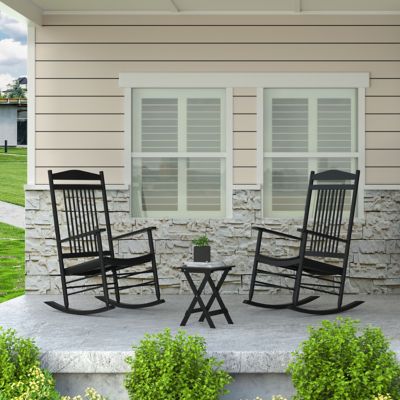
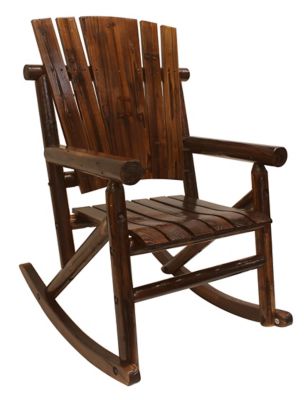
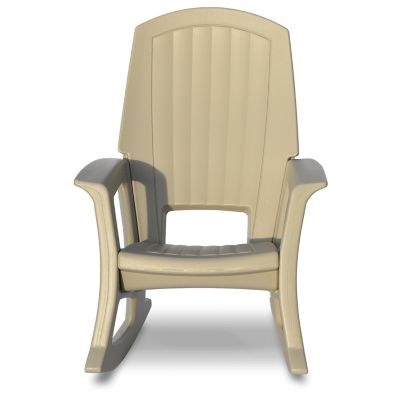
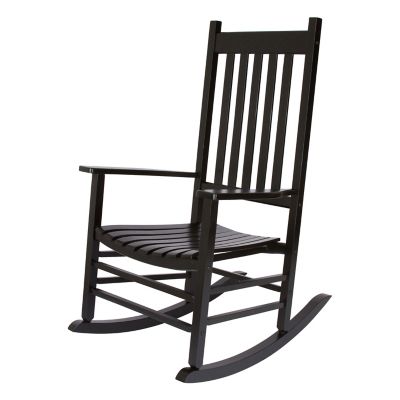
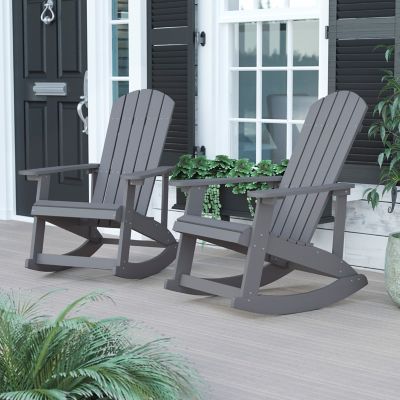
Oversized patio rocking chairs give a familiar porch favorite a little more room to stretch out, whether the day starts with coffee by the back door or winds down after chores. Compared with standard patio rockers, oversized designs generally offer a wider seat, a deeper sitting area, a larger frame, or some combination of the three. Some also have a higher weight capacity, but the word oversized does not establish a weight rating; the listed capacity and dimensions tell the fuller story. A broad seat can feel roomy without fitting every person the same way. Seat height affects how easily someone can sit down and stand back up, while seat depth determines whether the backrest provides support with both feet resting comfortably on the floor. Taller folks may appreciate a higher back and longer seat, while someone with a shorter reach may prefer a shallower sitting position within a wide frame. Armrest height and shape matter, too, especially for anyone who likes a place to rest their elbows while reading or visiting. Traditional high-back rockers offer a more upright feel, often with slatted seats and broad arms. Deep, rounded papasan-style rockers create a tucked-in lounging spot, usually with cushions that shape the sitting surface. The fit depends on the cushion as well as the frame: thick padding can raise the seat, reduce its usable depth, and change how the backrest feels. An oversized single-seat rocker is still seating for one unless its specifications say otherwise. For a front porch conversation spot, two generously sized rockers with a small table between them can leave room for a mug, a book, and an easy visit without crowding knees or elbows. On a smaller patio, the chair’s full footprint matters just as much as its seat width, since a roomy seat needs enough space around it to make that extra comfort worthwhile.
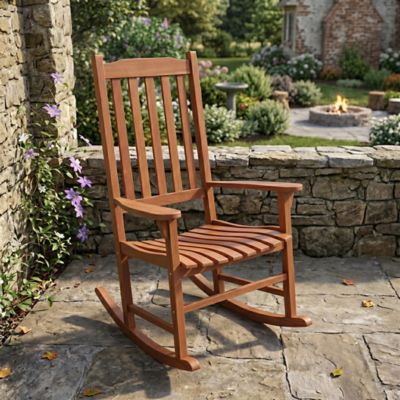
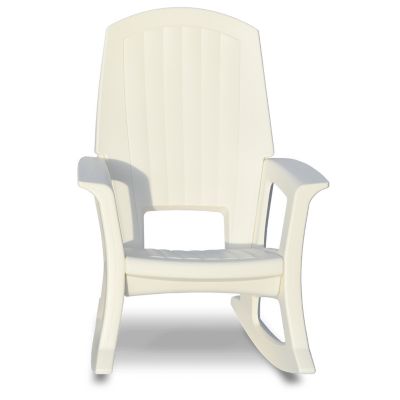
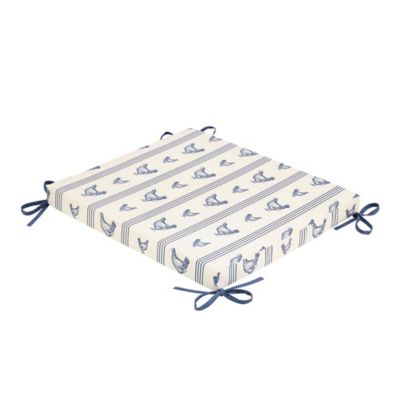
Materials play a big part in how an oversized outdoor rocking chair feels, looks, and holds up to everyday porch life. Wood brings visible grain and a solid, traditional look that sits comfortably alongside porch boards, brick steps, and a farmhouse table. Its care needs depend on the species and finish, with some surfaces needing periodic sealing, staining, or painting according to the maker’s directions. HDPE and other plastic lumber designs offer a different approach, with surfaces that resist moisture and do not need the same finishing routine as wood. They still benefit from cleaning, tight hardware, and care that matches the material. Metal frames can create a slimmer outline around a wide seat. Aluminum generally weighs less than steel, while steel frames often have more heft; the actual chair weight is worth checking when seating needs to move for sweeping or rearranging. Protective coatings help shield metal, but scratches, chipped finishes, and exposed hardware deserve attention before corrosion spreads. Resin wicker adds a woven texture over a supporting frame, so both the outer weave and the frame beneath it matter. Tight, even weaving and protected frame connections are useful details to compare. Cushions bring another set of considerations, including fabric care, attachment ties, removable covers, and how quickly the filling dries after getting wet. Water-resistant fabric is not the same as waterproof construction, and a cushion that looks dry on top may still hold moisture inside. Keeping cushions sheltered when appropriate and letting them dry fully helps prevent lingering dampness and odors. Routine cleaning is usually simpler when dirt is brushed away before it settles into seams, slats, or woven spaces. Mild soap and water may suit many surfaces, but the care label should settle which cleaners and tools belong on a particular chair. Abrasive brushes and strong cleaners can damage finishes that otherwise need only a gentle wash. Hardware also deserves an occasional look, especially where rocking motion puts repeated stress on joints.
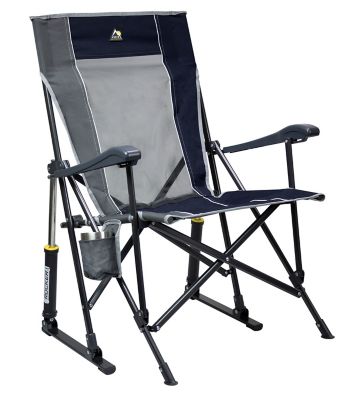
The best spot for an oversized patio rocker has room for the whole rocking motion, not just the chair at rest. Curved runners travel behind and ahead of the seat, and a deep backrest may need additional clearance from siding, railings, windows, and nearby furniture. A firm, level surface helps conventional runners move evenly; soft ground, loose gravel, and uneven pavers can interrupt the motion or let a runner sink. Porch boards should also provide sound support, with the chair positioned so its runners do not catch in gaps. Gliding and spring-action designs create movement differently, making their placement requirements worth comparing with those of traditional rockers. Whatever the mechanism, clear space around moving parts matters when children or pets share the porch. A steady rocking feel comes from the chair’s balance, construction, and proper assembly rather than its size alone. Cushions secured as directed, evenly tightened fasteners, and intact feet or runners all contribute to a comfortable seat. For a porch that connects to a sunroom or sitting area,
Indoor Outdoor Rocking Chairs offer another option for seating across both spaces, with placement and floor protection matched to the chair’s instructions. Easy-to-wipe arms can be handy beside a busy back entrance, while a high back and supportive cushion may suit a quieter corner set aside for reading. A heavier frame may make sense for seating that stays in one place, while a more manageable chair weight helps when the porch needs a thorough sweep. Oversized rockers can also make thoughtful housewarming or retirement gifts when the recipient’s space, preferred sitting position, and care routine are known. The right match is about more than a broad seat: it is a chair that fits the person, leaves the walkway open, and feels at home beside the door where folks naturally gather.