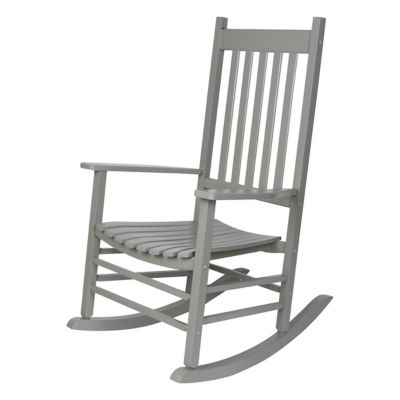
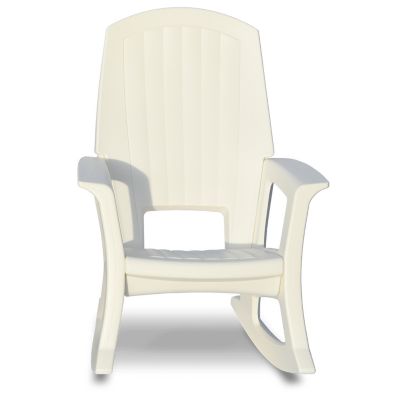
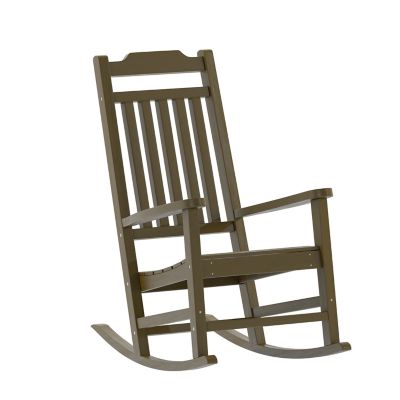
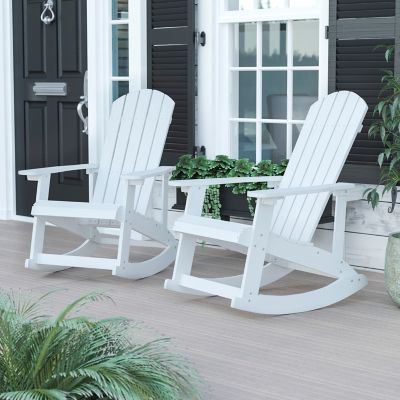
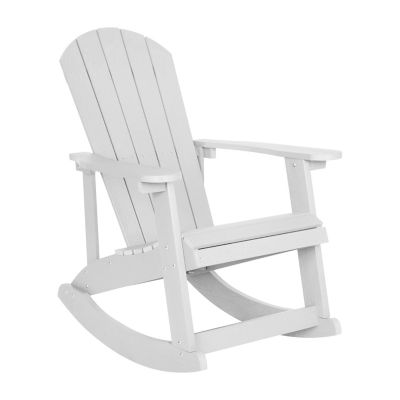
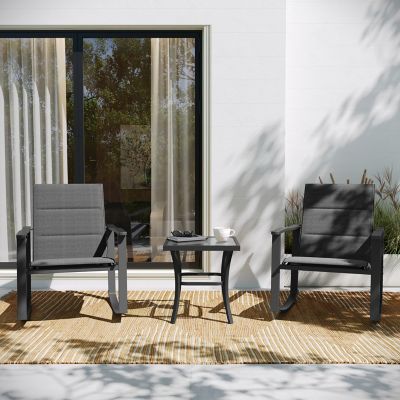
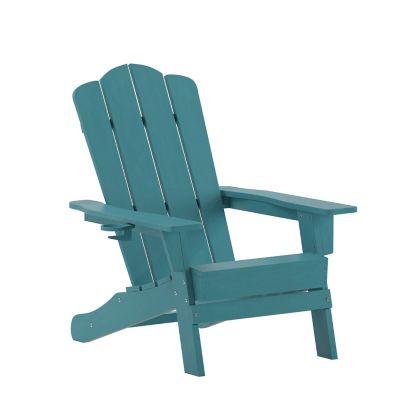
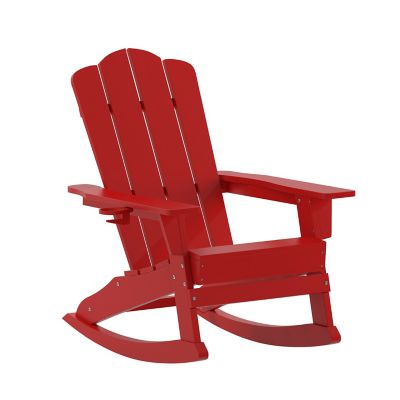
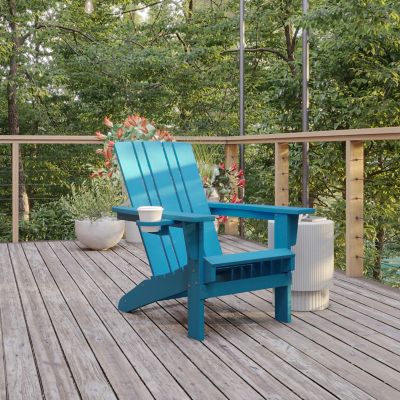
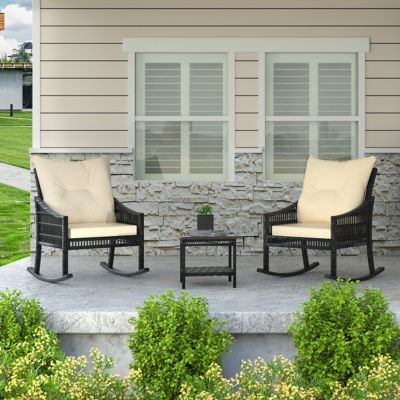
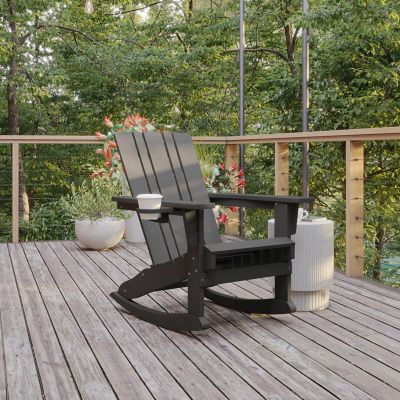
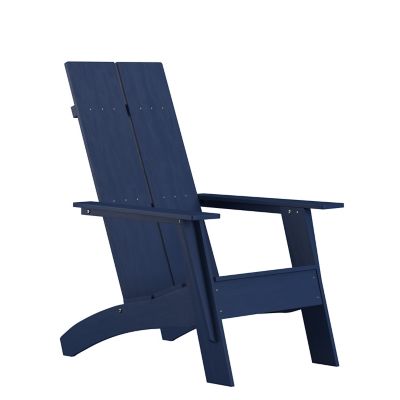
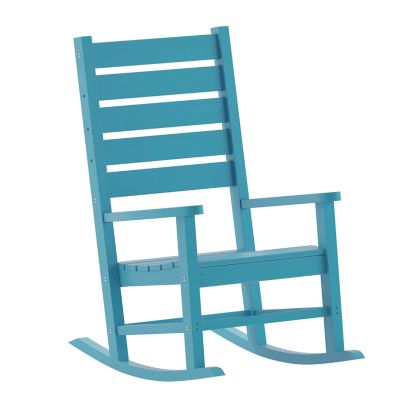
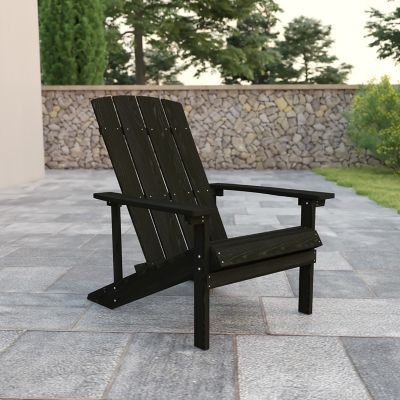
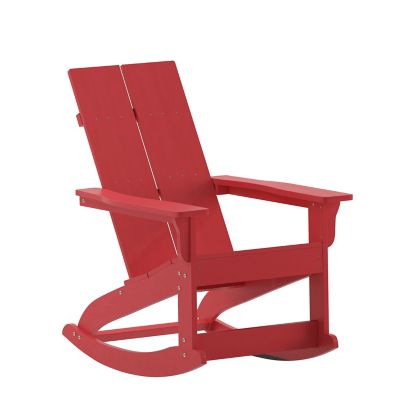
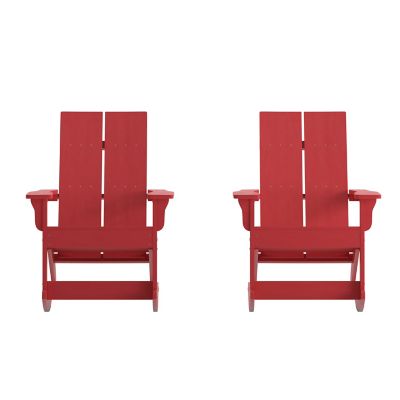
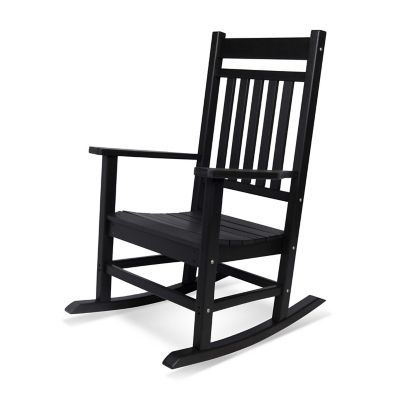
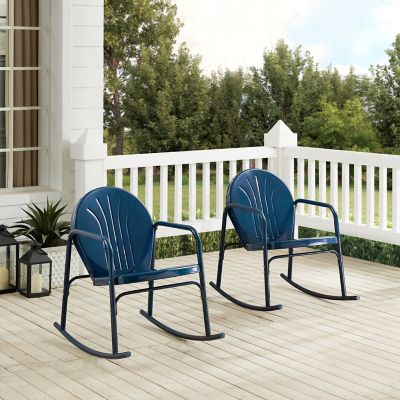
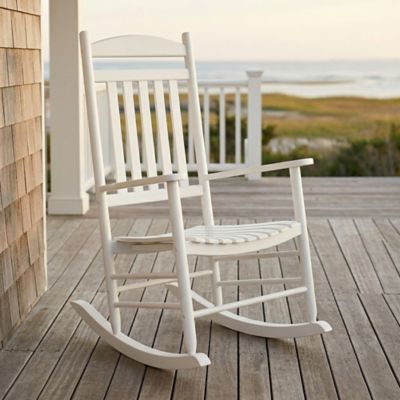
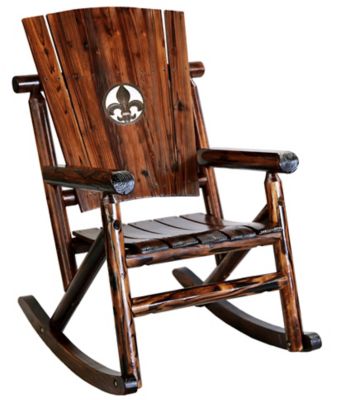
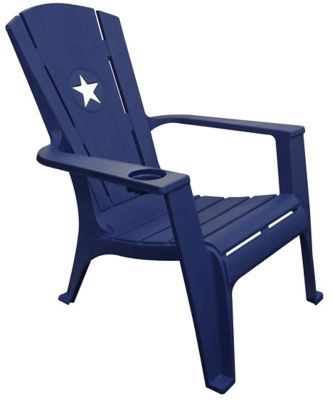
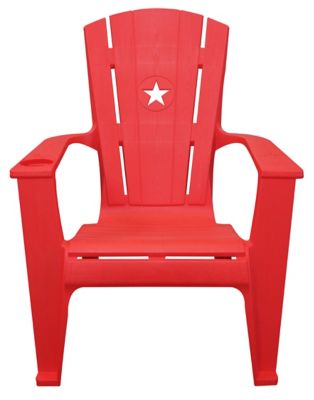
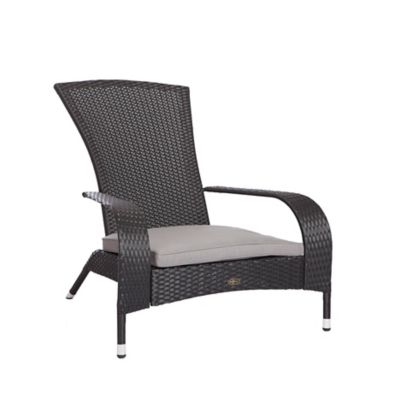
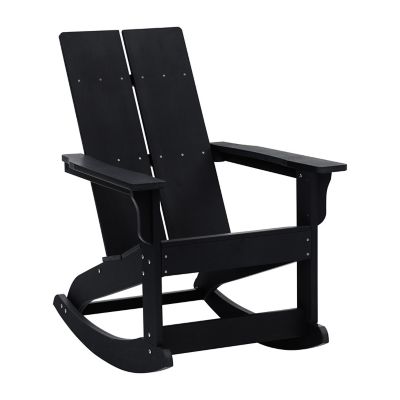
Weather-resistant rocking chairs bring an easy back-and-forth rhythm to outdoor spaces while standing up to some of the moisture, sunlight, and temperature changes that come with life outside. They make a welcome spot for coffee before chores, a break after tending the garden, or a long conversation with neighbors on the porch. Their ability to handle exposure comes from the whole chair: the frame material, protective finish, hardware, joints, and any fabric components. Weather resistance does not mean every rocker can sit uncovered through every storm without attention. A roof overhead, sensible placement, and care suited to the material all help outdoor seating last longer. High-density polyethylene, often called HDPE or poly lumber, is a common material for outdoor rocking chairs because it does not absorb moisture like wood and resists rot. Some versions contain recycled plastic, and molded-in color can reduce the need for painting or staining. UV-stabilized formulations help limit sun damage, although color retention and performance vary by construction and exposure. Resin wicker offers a woven look, typically over a metal frame, with small openings that can let air move through the seat and back. Unlike natural wicker intended for sheltered settings, outdoor resin wicker is made from synthetic strands selected for outdoor exposure. Aluminum frames resist rust and tend to be lighter, while coated steel can provide a substantial feel but needs attention wherever its finish gets scratched. Wood rocking chairs bring visible grain and a familiar front-porch look. Teak, acacia, and other woods differ in their natural resistance to moisture, and their care needs depend on the species and finish. Some wood surfaces gradually turn gray outdoors; keeping their original color may take periodic treatment. Slatted seats and backs can help water drain rather than collect, but joints and flat surfaces still need time to dry. Across these materials, weather-resistant outdoor rocking chairs offer different balances of weight, upkeep, texture, and appearance rather than one universal level of protection.
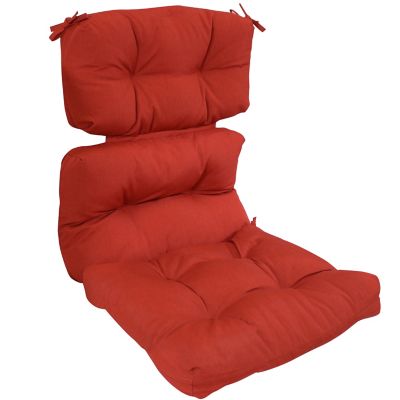
Comfort depends as much on proportions as it does on the material. A broad seat gives room to settle in, but seat depth matters, too: a deep rocker can leave a shorter person perched forward instead of resting against the back. Seat height affects whether feet rest comfortably on the floor, which helps with both rocking and standing up. Taller backs offer more support through the shoulders, while gently curved slats can follow the body more comfortably than a flat panel. Armrests provide a place for tired elbows after a day of fence work, and their height and spacing influence how relaxed the chair feels. Cushions add softness, though they also introduce another layer of care. Water-repellent fabric sheds light moisture for a time; it does not make a cushion waterproof, especially along seams and zippers. Foam and filling need adequate drying time, and removable covers can simplify cleaning when their care labels allow it. For an uncovered patio, the distinction between a quick-drying seat and a thick cushion that holds moisture can make a real difference after rain. Overall chair dimensions matter beyond the sitting area. Rocker runners need clear space ahead and behind, with enough room to keep the back from tapping siding or a porch rail. Two chairs arranged for conversation also need elbow room and a clear path to the door. A firm, level surface supports a smoother motion than grass, loose gravel, or uneven pavers, where runners can sink or catch. On a narrow farmhouse porch, the rocking footprint may be more important than seat width alone. Chair weight deserves attention as well: lighter seating is easier to move for sweeping, while a heavier frame can feel more planted but takes more effort to relocate. Weight alone does not establish strength or prevent movement in high winds. Published weight capacity, sound joinery, and secure hardware are better considerations for seating support. For another seating category to consider,
Heavy Duty Outdoor Rocking Chairs focuses on substantial construction, though load capacity and weather resistance remain separate features to check.
The best setting for a weather-resistant rocker is one that suits both the chair and the way folks spend time outdoors. A covered porch offers some protection from direct rain and sun, making it a natural home for wood seating or cushioned rockers. An open deck puts greater demands on finishes, fasteners, and fabrics, especially where water lingers after a downpour. Near a pool, splash exposure and treatment chemicals make material-specific care important; close to the coast, salt can be hard on metal components even when the frame itself resists corrosion. Stainless steel or appropriately coated hardware can help, but no fastener should be assumed immune to every outdoor condition. Routine care is usually straightforward when it follows the chair’s instructions. Many plastic and coated surfaces can be cleaned with mild soap, water, and a soft cloth or brush, while abrasive pads, harsh cleaners, and pressure washing may damage finishes or woven strands. Dirt caught around joints and beneath seat slats deserves attention because it can hold moisture against the surface. Wood may need an approved oil, sealer, or finish at intervals determined by its condition and exposure. Checking bolts and connections periodically helps keep the rocking motion steady, particularly after repeated movement or long stretches outdoors. Breathable covers can reduce exposure when chairs are not in service, provided the seating is dry before covering and air can circulate underneath. Cushions generally fare better stored clean and dry during extended wet spells, and shelter is sensible when snow, ice, or strong winds are expected. For a household that gathers outside often, a pair of rockers can turn an otherwise empty stretch of porch into a regular meeting spot. A single chair beside the back door offers a quieter place to pull off work gloves and rest. These chairs can also make a thoughtful housewarming or retirement gift when the recipient’s space, comfort needs, and willingness to maintain the material are known. Matching those everyday needs with suitable construction gives outdoor seating a lasting place in the routine.