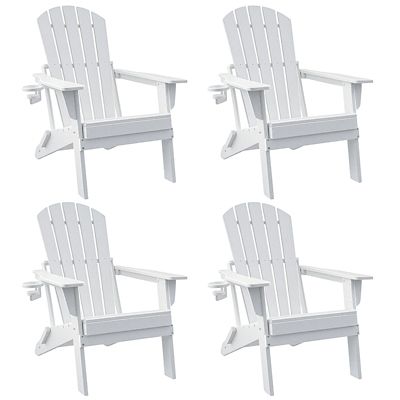
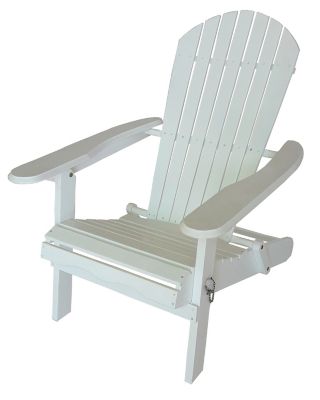
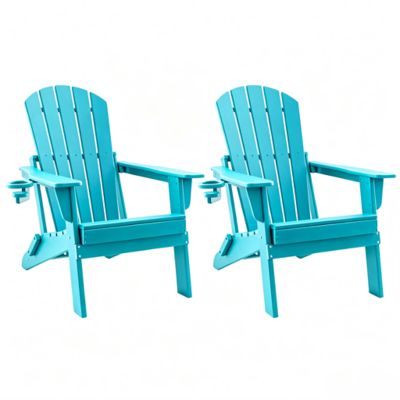
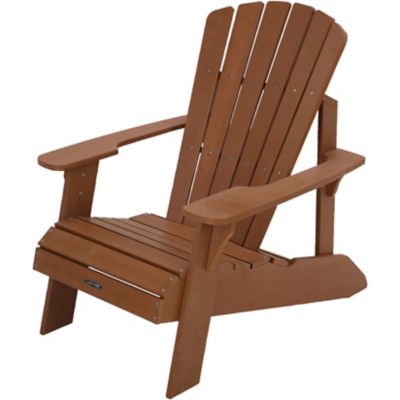
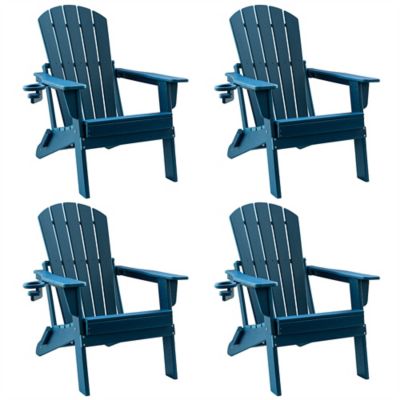
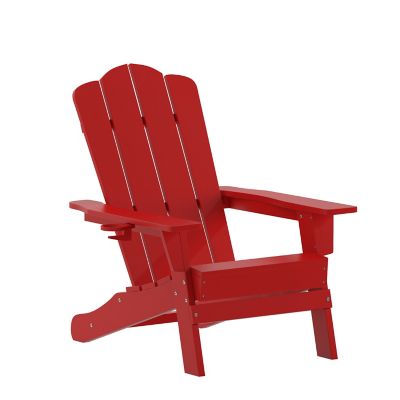
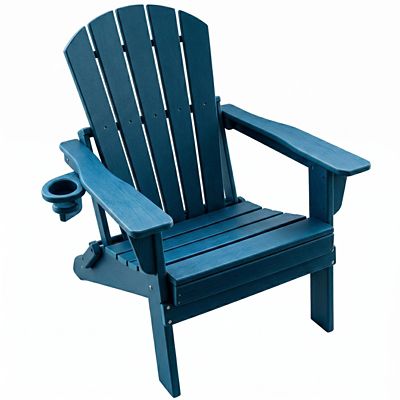
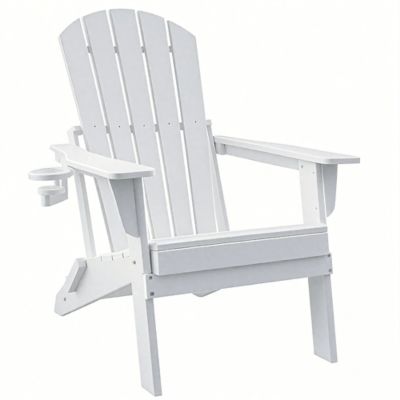
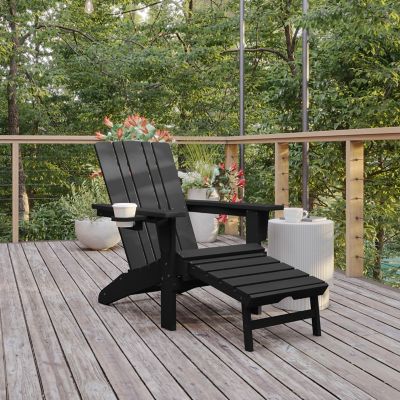
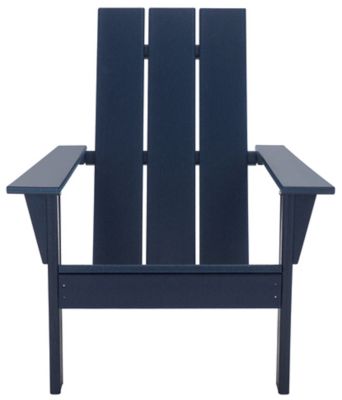
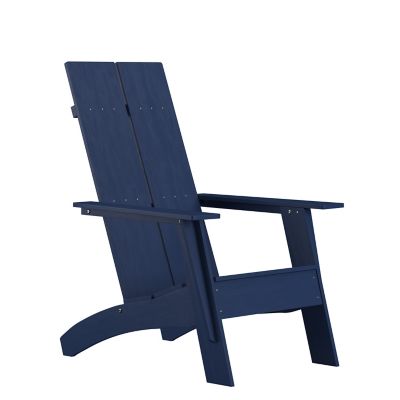
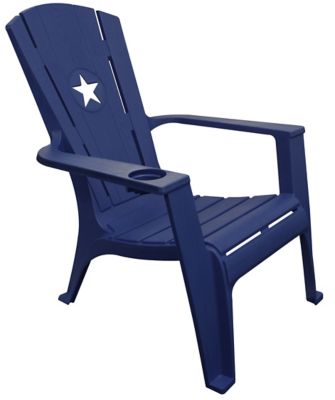
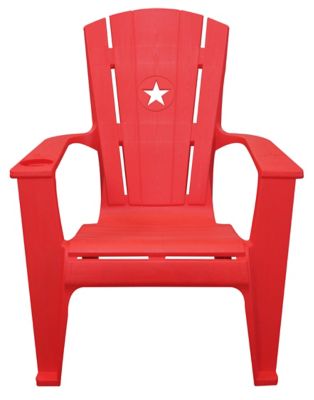
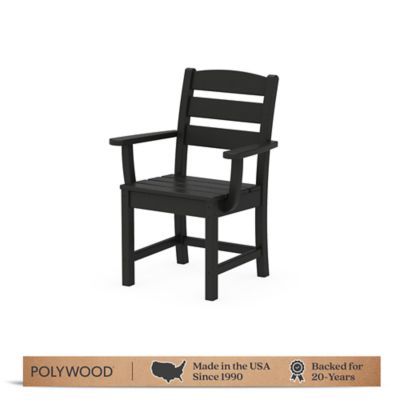
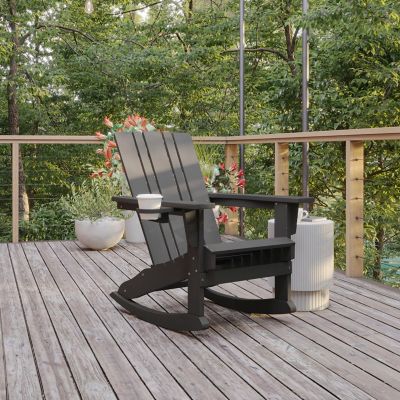
Heavy-duty Adirondack chairs bring together a laid-back seat, a broad back and a substantial frame for settling in on the porch, patio or backyard sitting area. Their familiar shape usually includes a gently reclined back, wide armrests and a seat that slopes lower toward the rear, giving folks room to lean back after chores or stretch out during a long visit. What makes an Adirondack chair heavy duty is its supporting construction and stated weight capacity, not simply how much the chair weighs. Frame thickness, joint design, seat supports and hardware all contribute to how the chair carries a seated person. Weight limits vary by model, so a heavy-duty label should never take the place of the manufacturer’s stated capacity. A heavier chair can feel substantial, but weight alone does not establish strength or resistance to tipping. Comfort deserves just as much attention as construction. Overall width tells how much room a chair takes up, while the clear space between the arms gives a better sense of how the seat will fit. Seat depth, back height and the angle of recline also affect whether someone can sit comfortably with their feet supported. A deep, low seat suits folks who enjoy lounging, while a taller seat and a more upright back may make sitting down and standing up less of a chore. Broad arms provide a comfortable resting place for elbows, though they should not be treated as extra seats. For a porch where people pass through carrying groceries or heading toward the yard, the chair’s full footprint matters, too. Angled rear legs can reach farther back than expected, and enough clearance around each chair helps keep the sitting area easy to move through. A level, firm surface lets all the feet bear evenly; loose gravel or uneven ground can leave even a substantial chair rocking when it should sit still.
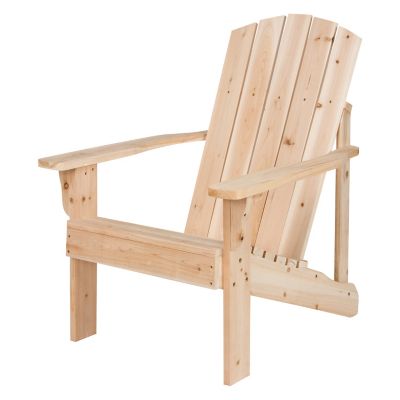
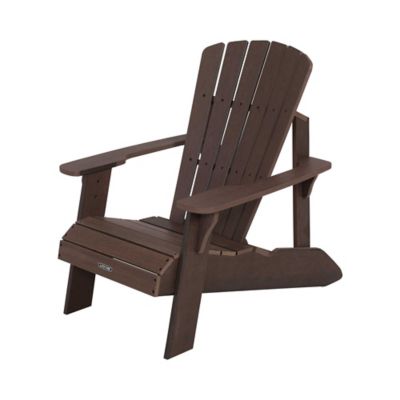
Materials give heavy-duty Adirondack chairs different looks, weights and care needs. High-density polyethylene, often called HDPE, is a common choice for outdoor seating because it does not absorb moisture like unfinished wood and does not require routine staining. Some designs use recycled plastic lumber, though recycled content depends on the manufacturer and should be confirmed in the product specifications. Plastic lumber can have a smooth surface or a wood-grain texture, with color and finish affecting how it fits alongside porch rails, siding and nearby furniture. Solid wood offers visible grain and a familiar feel that works well beside a farmhouse porch or a simple gravel courtyard. Its upkeep depends on the wood species, the finish and the maker’s care directions; some surfaces need periodic sealing or refinishing to help protect the material and maintain their appearance. Metal components can add support at key connections, and corrosion-resistant hardware is worth considering for furniture intended to stay outdoors. No material makes joint construction unimportant. Well-supported arms, firmly connected legs and properly fitted fasteners help the whole chair work together under load. Assembly requirements vary, and a chair’s intended strength depends on putting it together with the specified parts and tightening them as directed. Routine care is usually straightforward when it follows the material: remove grit before scrubbing, clean with a suitable mild solution and avoid harsh tools that can scratch or gouge the surface. Spaces between slats may need an occasional brush to clear trapped dirt and leaves. Periodic checks for loose hardware, split wood or damaged components can catch trouble before the next long sit. Folding frames offer another practical consideration where seating shares space with tools, equipment or stored furniture. Their hinges and locking points need room to operate, and the folded dimensions matter as much as the open footprint when a chair has to pass through a doorway or fit along a garage wall.
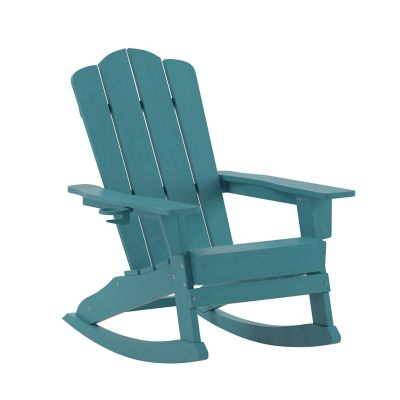
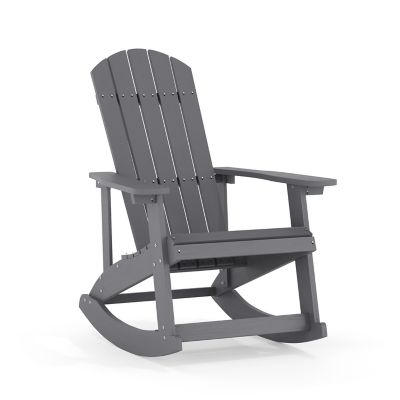
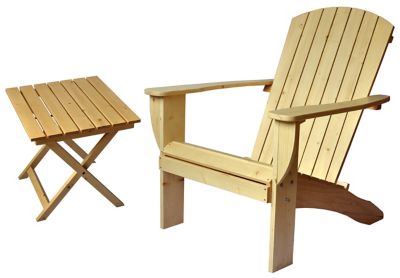
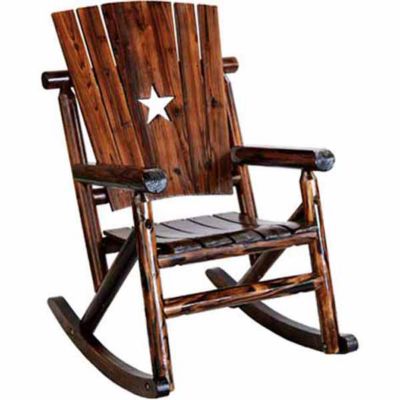
The best fit for an outdoor sitting area depends on how that space gets enjoyed. A pair of heavy-duty Adirondack chairs beside a small table makes a comfortable spot for morning coffee, an evening conversation or a break after fence work. A wider grouping can give family and friends room to gather without crowding a doorway or cutting off the path to the yard. Matching chair heights and similar seat angles help a group feel comfortable together, especially when a shared table needs to stay within easy reach. Because Adirondack seats often sit lower and lean farther back than dining chairs, they generally suit relaxing better than eating a full meal at a standard-height table. An ottoman can support the legs during a longer rest, provided there is enough space to walk around it without stepping over anyone’s feet. Cushions add softness, but their dimensions should match the seat and back rather than hang over the edges or bunch up at the hips. Ties or other attachment features can help keep cushions positioned, and removable covers simplify cleaning when the care label allows it. Cup holders and small side tables can keep a drink close without turning the armrest into a crowded shelf. For folks who prefer a gentle back-and-forth motion instead of a fixed lounging position,
Heavy Duty Outdoor Rocking Chairs offer another seating style to consider alongside the Adirondack shape. Rocking seats need clear space for their full range of movement, while stationary Adirondack chairs make it easier to plan a fixed furniture arrangement. As a gift for a housewarming, retirement or a property owner setting up a favorite corner of the porch, substantial outdoor seating can be both thoughtful and practical. The recipient’s preferred sitting height, available space and willingness to handle ongoing care matter more than choosing by appearance alone. A chair that fits the person and the place gives that quiet corner a clear purpose: somewhere comfortable to sit, rest tired legs and stay for another conversation.