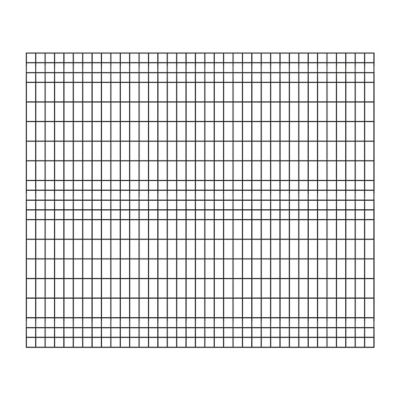
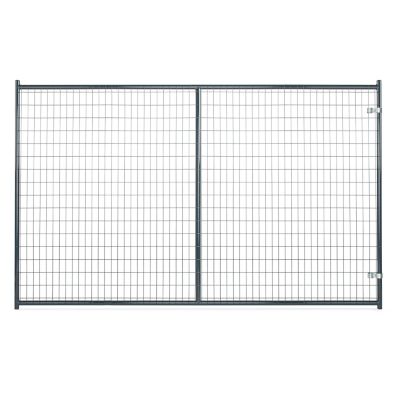
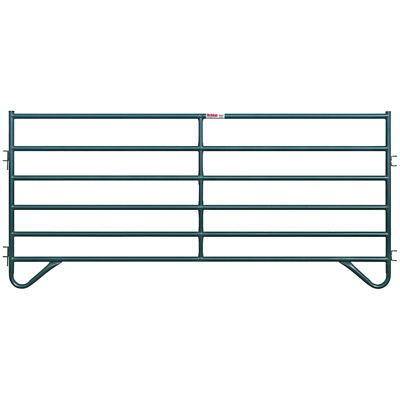
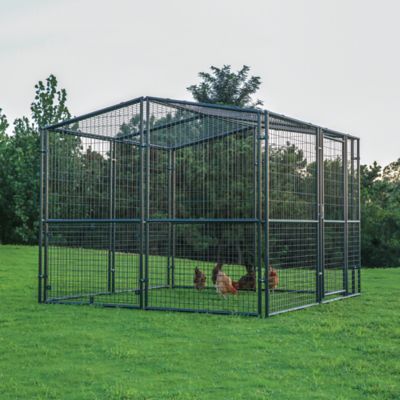
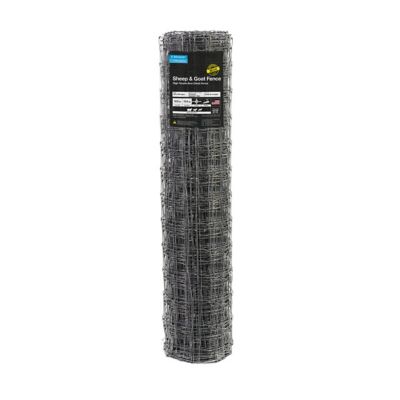
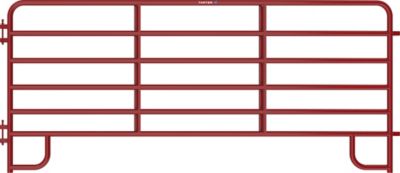
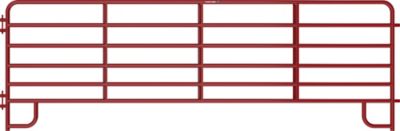
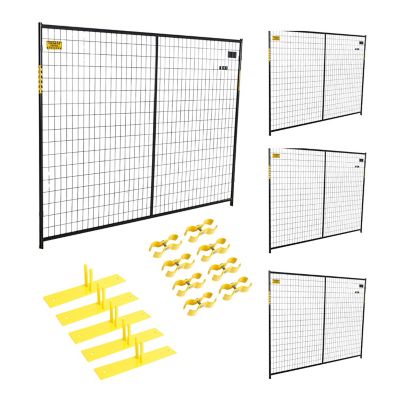
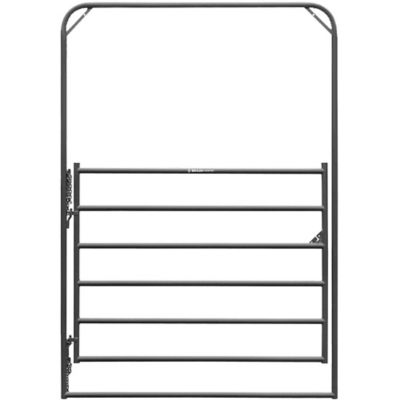
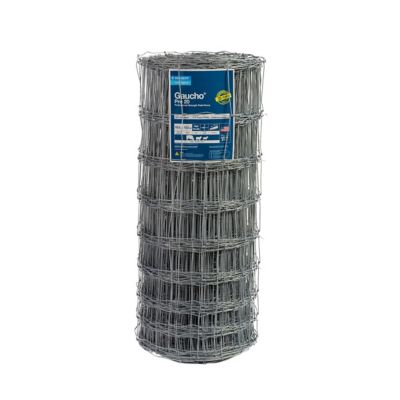
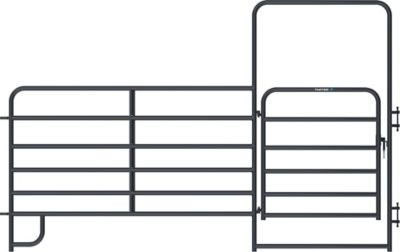
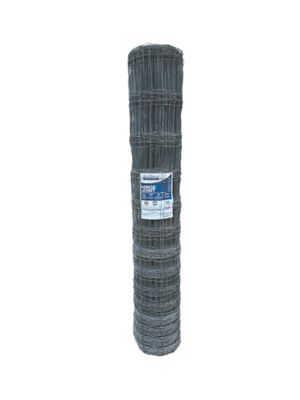
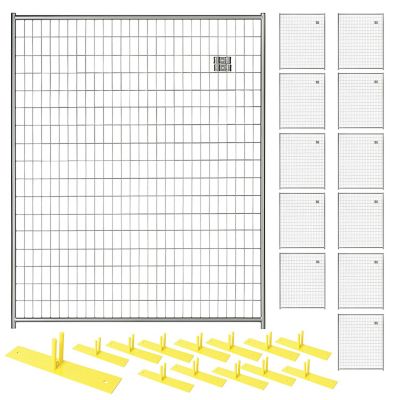
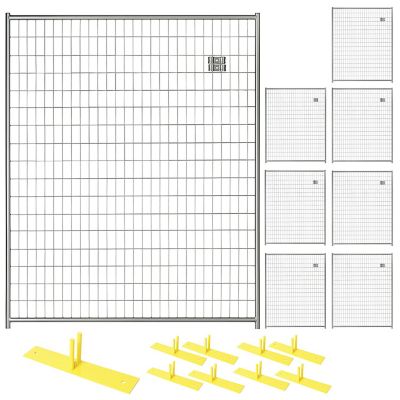
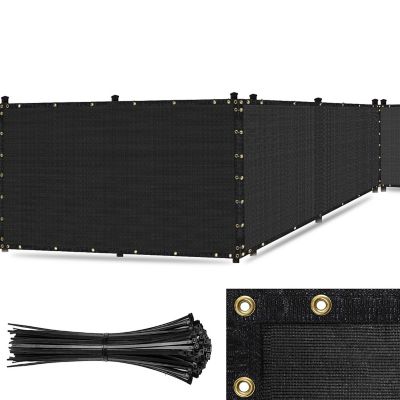
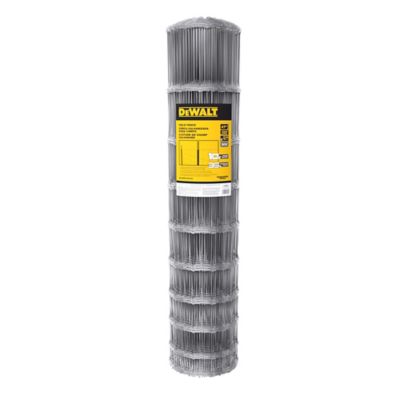
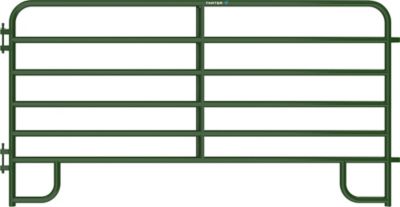
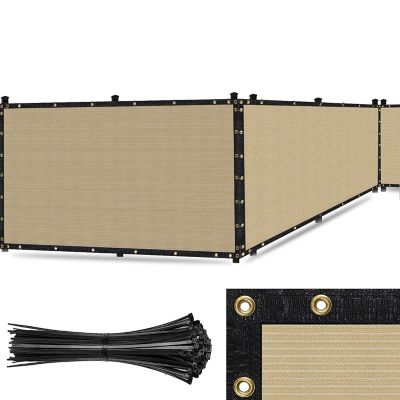
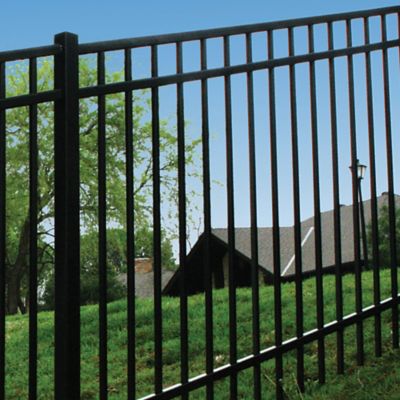
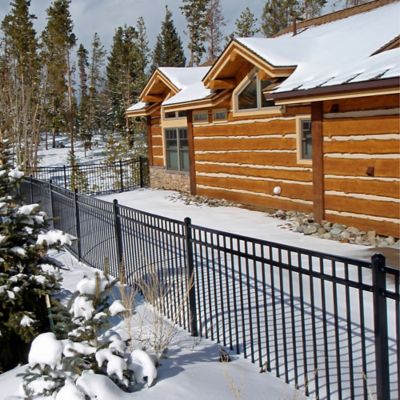
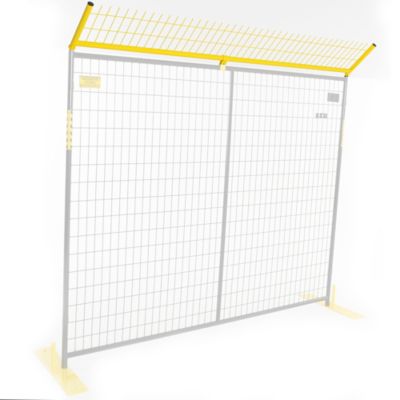
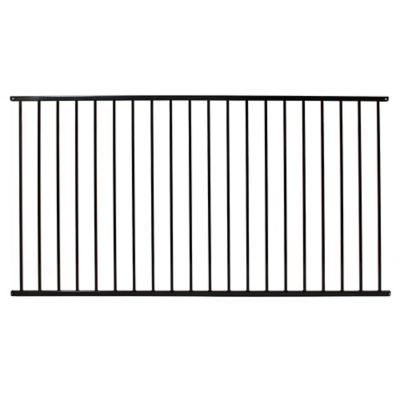
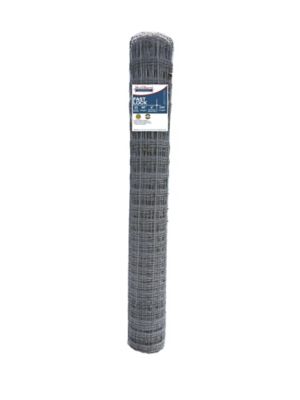
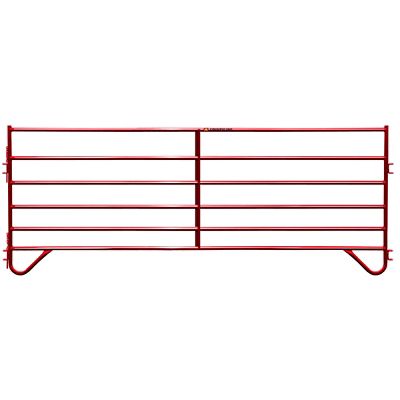
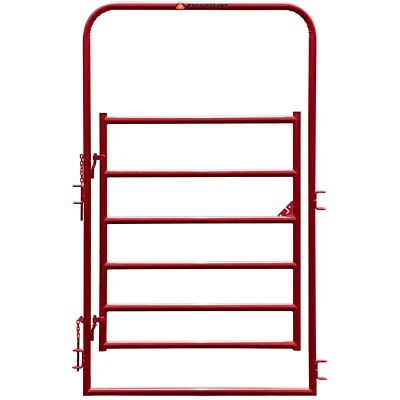
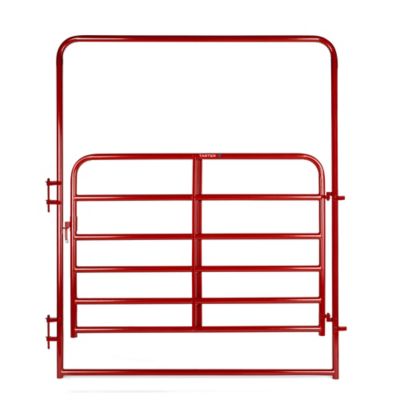
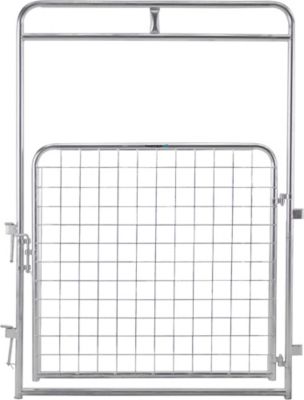
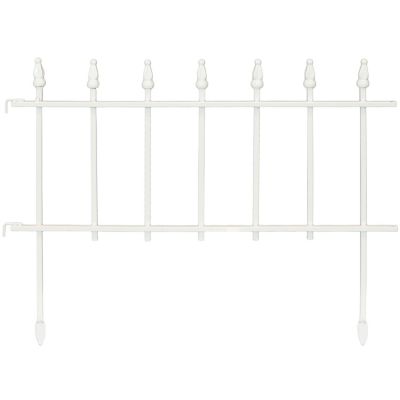
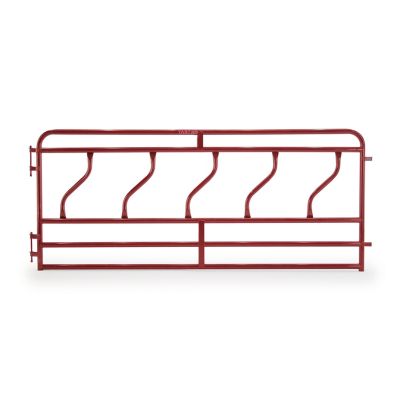
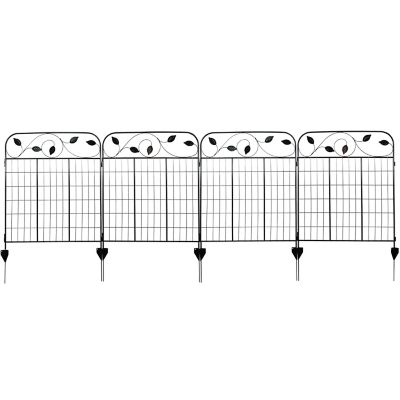
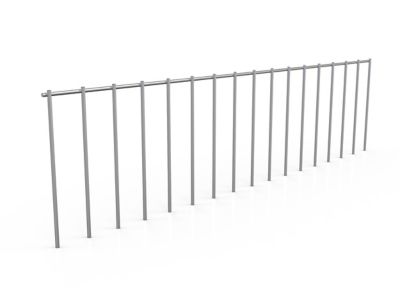
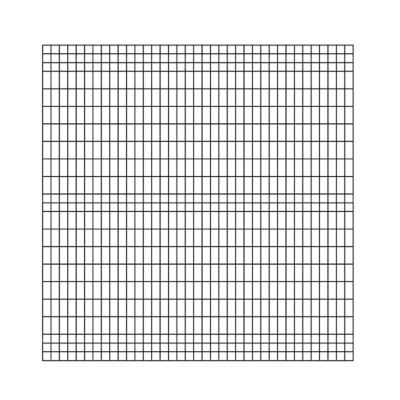
Heavy duty fence panels are built for jobs where ordinary garden fencing may not hold up to daily use, livestock pressure, active dogs, rough ground or changing weather. They can help create a dependable boundary around a pasture, equipment yard, kennel, garden, homestead or work area, with options made from galvanized metal, welded wire, corrugated steel, pressure-treated wood and other sturdy materials. Metal livestock and hog wire panels are a practical choice when strength, visibility and airflow matter. Look for substantial wire construction, secure welds and a finish designed to resist rust, especially if the fence will be exposed to rain, mud, manure or wet grass. Heavier wire panels can help contain cattle, hogs, goats and other animals, while smaller openings may be better suited for keeping young animals, poultry or curious dogs from pushing through. For a more private boundary, solid wood panels or hybrid designs that combine a strong wood frame with corrugated metal can add shelter from wind and a cleaner visual screen. Pressure-treated southern yellow pine is a familiar choice for farm and residential projects because it offers structural support and helps withstand ground-level moisture, while cedar is valued for its natural appearance and resistance to many outdoor conditions. Fence panel sizes vary, with common sections measuring about 6 feet by 8 feet, but the right dimensions depend on the space, the posts and the purpose of the enclosure. Browse
Fence Panels to compare styles for everything from animal containment to property lines and privacy projects.
Before choosing a panel, take a slow walk around the area and picture how the fence will work on a muddy morning, during a hard wind or when animals are leaning against it. Measure the run, mark corners and gates, and account for slopes, drainage ditches, tree roots and places where the ground changes from firm soil to loose fill. The panel itself is only one part of a strong fence system. Posts need to match the panel’s weight and height, and they should be set deep and braced well at corners, ends and gate openings. Heavy wire panels may call for sturdy steel or wood posts with the right clips, ties or brackets, while wood and hybrid panels typically need solid posts that can carry the added wind load created by a more solid surface. In open country, wind deserves extra attention. A tall privacy panel can act like a sail, so deeper post setting, closer post spacing and properly supported corners may help the fence stand firm during severe weather. Corrugated metal can provide a durable barrier with a distinctive farm-style look, but sharp edges should be covered or positioned away from animal traffic and regular hand contact. For livestock, check the spacing and height against the animals you plan to contain, and avoid openings that could trap a hoof, horn or head. For dogs, consider both the dog’s size and its habits; a determined digger may need a buried or ground-level barrier, while an athletic dog may need a taller panel. Local rules, property lines and utility locations should also be checked before digging or setting posts.
Heavy duty fence panels suit landowners, small farmers, ranchers, kennel operators, contractors and homeowners who want a fence that feels dependable instead of temporary. They can be used to divide a pasture, make a sorting pen, protect a garden from browsing animals, screen an outdoor work area or add a sturdy boundary around a rural property. A solid panel can help create a quieter corner for pets or livestock during the cooler months, while an open wire panel keeps air moving through a run or enclosure. Families may use them to build a safer play or pet area, and a new landowner may appreciate a practical fencing setup as a housewarming or farm gift, especially when paired with posts, fasteners, tools or gate hardware. Before installation, inspect panels for bends, loose welds, damaged coating or rough edges, and plan for regular checks after storms, freeze-thaw cycles and periods of heavy animal use. Wood panels may benefit from cleaning and periodic protection according to the manufacturer’s care directions, while galvanized metal should still be checked for scratches, cut ends and areas where soil or moisture stays against the surface. Keep vegetation trimmed back where possible, since vines and wet brush can add weight and hold moisture against the fence. Choosing the right combination of panel material, height, opening size, post support and fastening hardware helps create an enclosure that fits the work at hand and keeps serving the property season after season.