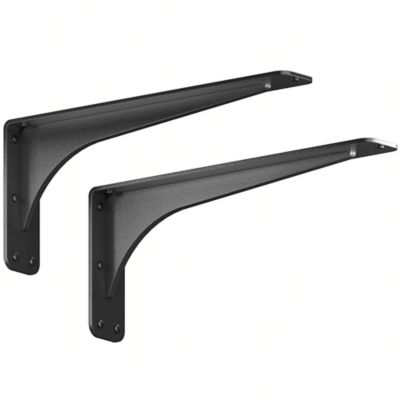
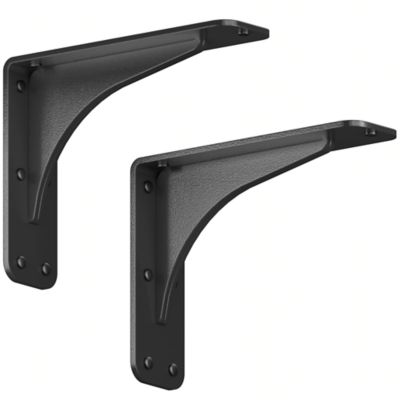
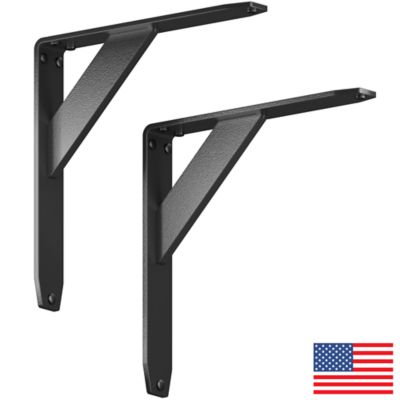
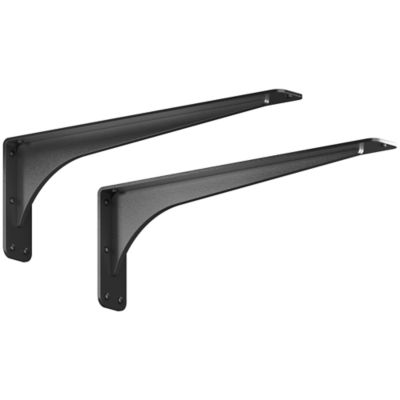
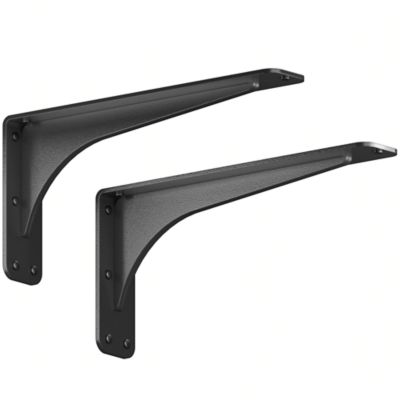
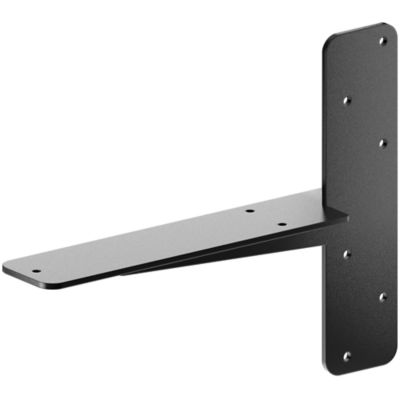
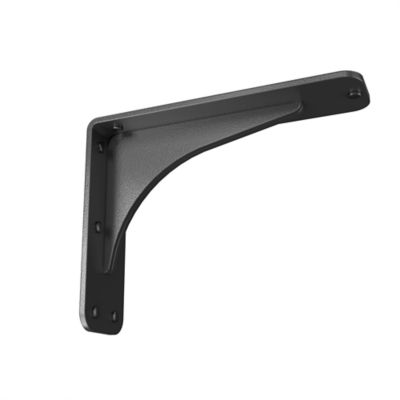
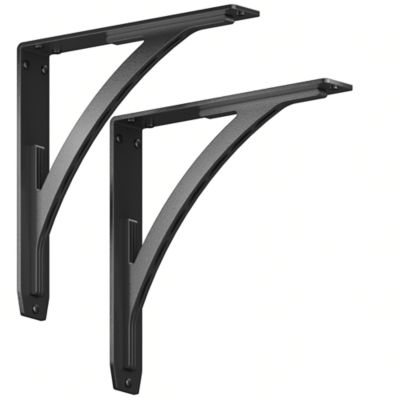
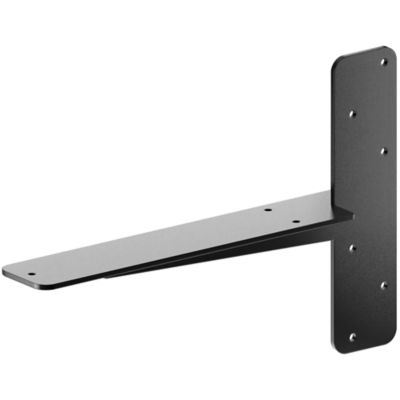
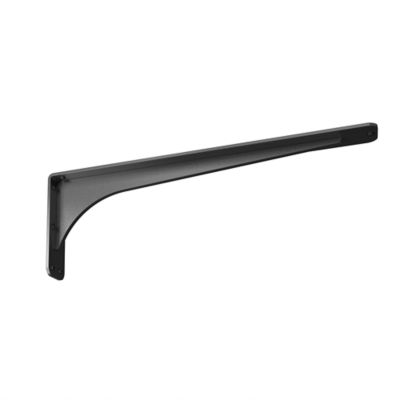
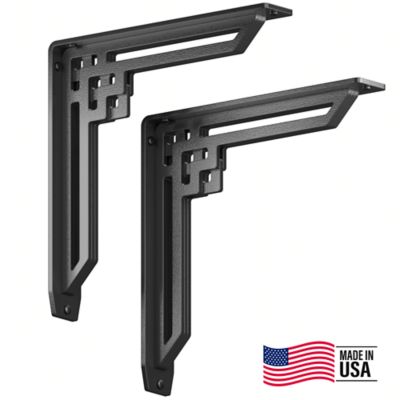
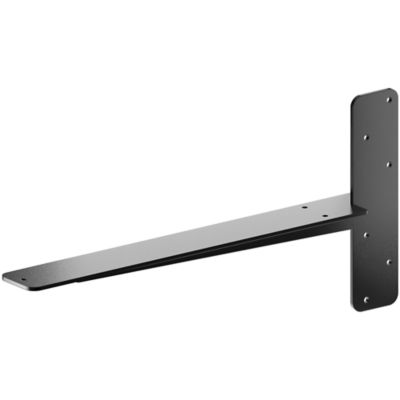
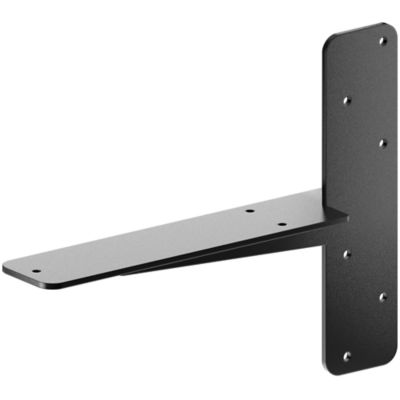
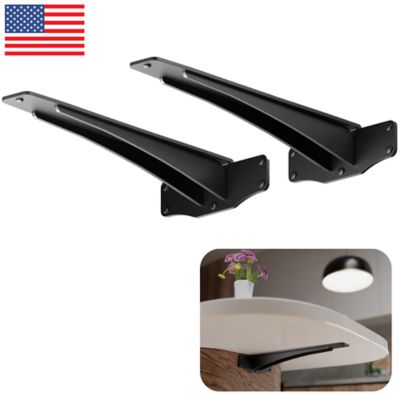
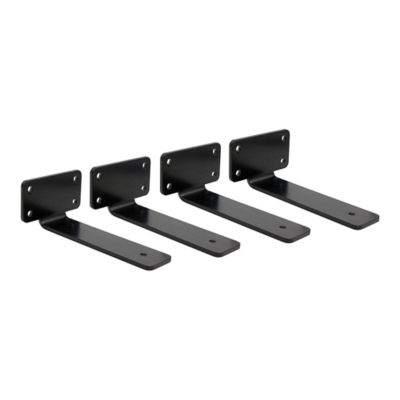
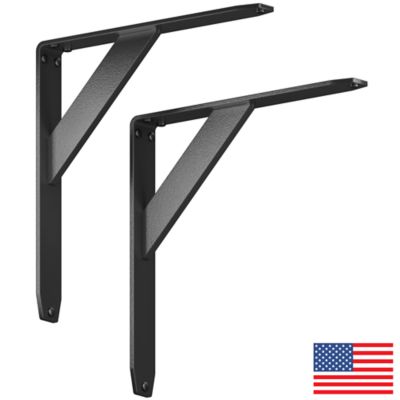
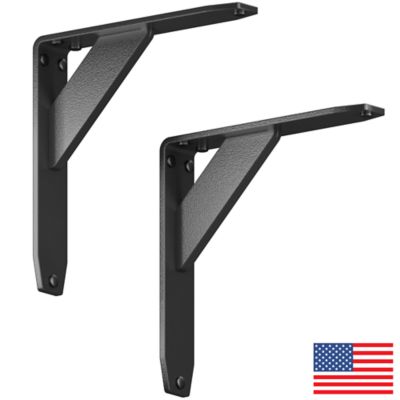
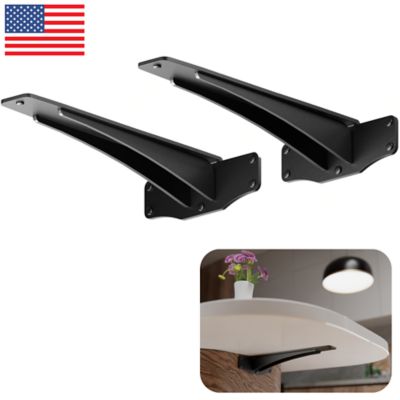
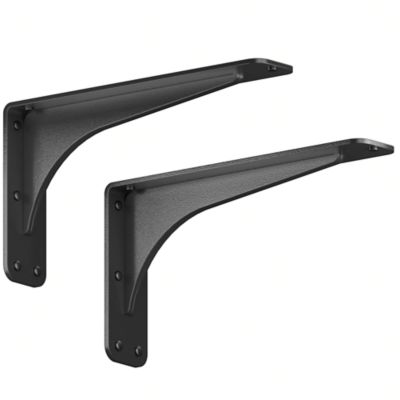
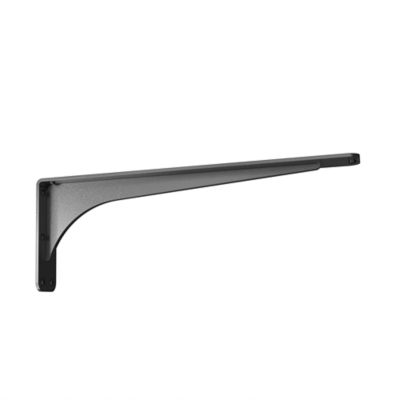
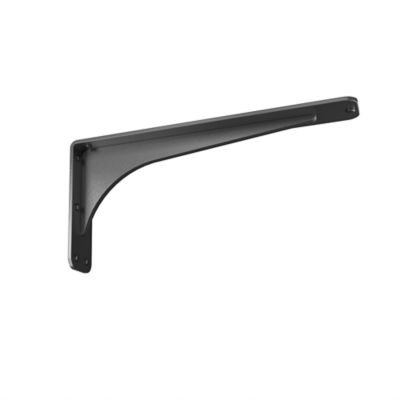
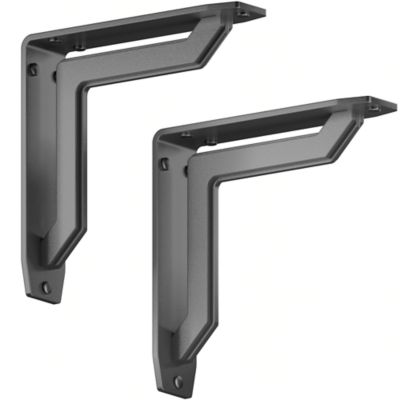
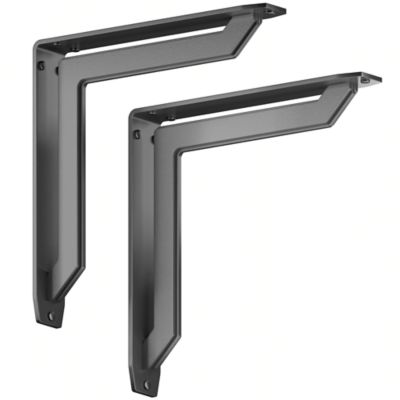
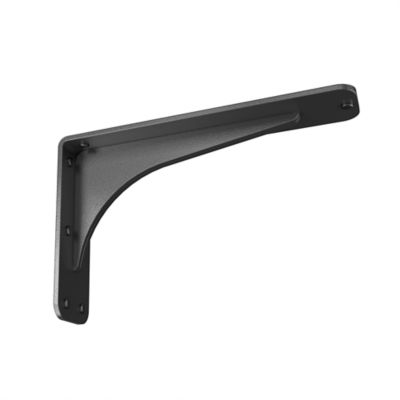
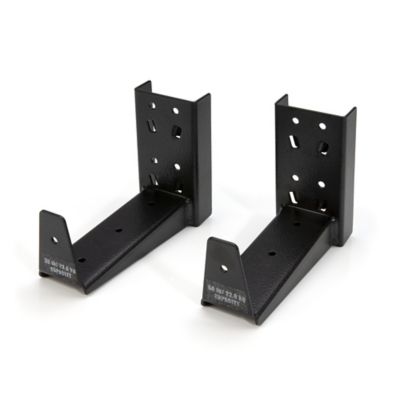
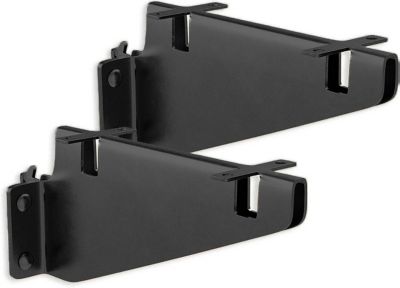
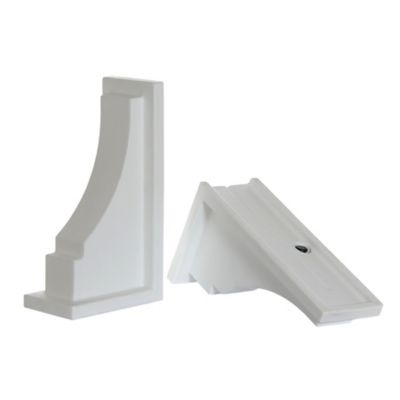
Heavy-duty countertop support brackets carry the weight of a countertop overhang back to the cabinet framing, wall studs, or another suitable structural attachment point. They help keep projecting surfaces steady without a row of legs taking up floor space. That makes them a practical fit for kitchen islands, breakfast bars, laundry counters, and work surfaces where open space underneath matters. A farmhouse kitchen island might need room for stools and knees, while a counter in a utility room might need clearance for rolling storage bins. Granite, quartz, concrete, and thick wood tops each bring different support requirements, so the right bracket depends on more than how stout the metal looks. Stone surfaces can crack when support is insufficient, especially around cutouts, seams, and projecting corners. Wood tops also need proper support, along with attachment details that accommodate natural movement. Hidden L-brackets, flat support bars, and island extension brackets handle these jobs in different ways. Hidden L-brackets typically attach to suitable framing, with a horizontal arm reaching beneath the countertop. Flat bars can sit in prepared recesses for a low-profile installation, provided the supporting structure and countertop assembly allow that design. Island extension brackets are intended for layouts where support attaches to the cabinet structure rather than a short wall behind it. Exposed brackets offer another option when a visible support fits the room and leaves enough clearance. A concealed arrangement keeps attention on the countertop, but its attachment still has to carry the load. Homeowners updating a gathering spot, contractors finishing an island, and property owners adding a practical workspace all have reason to pay attention to that connection. The goal is a countertop that feels solid through everyday activity, whether that means setting down a full mixing bowl, sorting supplies, or spreading out paperwork. These brackets are structural hardware, not simply trim beneath an overhang, and their shape needs to match the job as closely as their strength does.
Material, dimensions, and mounting details separate one countertop support bracket design from another. Steel is common because it offers substantial stiffness in a relatively compact shape, while aluminum designs can offer lower weight and corrosion resistance when engineered for the intended load. Stainless steel may suit settings where moisture exposure is a concern, though the grade, finish, and surrounding hardware still matter. Powder-coated and painted finishes help protect steel surfaces, but scratches and exposed edges deserve attention. Metal thickness alone does not establish carrying capacity: arm length, bracket profile, welds, bends, fastener placement, and the mounting surface all affect performance. A longer projecting arm puts more leverage on its attachment than a shorter one carrying the same weight. For that reason, heavy-duty countertop support brackets should be matched to the actual overhang depth and the manufacturer's stated installation conditions. Bracket reach is measured beneath the unsupported portion of the top, not across the full counter depth. The amount of countertop extending beyond the bracket tip must stay within the countertop supplier's limits, which vary by material, thickness, and layout. Bracket spacing likewise depends on the countertop requirements, bracket design, framing locations, and expected loading; a single spacing rule does not cover every installation. Published load ratings need the same care. A per-bracket rating is not automatically a rating for the completed counter, and multiplying that number by the bracket count does not establish the assembly's safe capacity. Fasteners and framing can become the limiting parts of the connection. Drywall, thin cabinet backs, and finish panels alone are not suitable structural attachment points for a heavy overhang. Substantial framing, blocking, or an approved cabinet reinforcement system may be necessary. For a stone-topped breakfast bar, coordination between the cabinet installer and countertop fabricator helps settle those details before the top arrives. That is especially important when a sink opening, appliance clearance, or narrow cabinet rail leaves less room for hardware than the finished layout suggests.
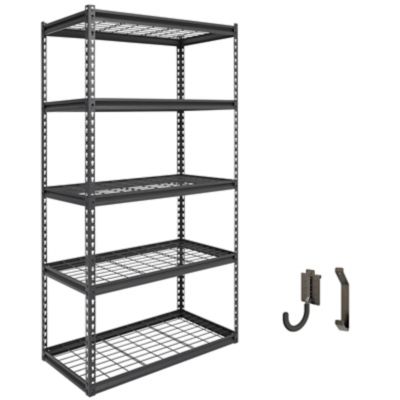
Fit also includes the space people see and move through every day. An exposed diagonal brace may provide support but sit right where someone pulls up a stool, while a concealed horizontal arm can leave that area open when the installation permits. Bracket width, mounting plate height, hole locations, and tip shape all influence how neatly the hardware fits beneath the top. Recessed designs require enough room in the supporting material without weakening it, and mounting plates must sit where their fasteners can engage the specified structure. Level bearing surfaces matter because a hard countertop needs even support rather than isolated pressure points. The countertop fabricator's requirements should govern any pads, adhesives, or other materials between the metal and the underside of the slab. Fastener type, diameter, length, and corrosion resistance should follow the bracket manufacturer's directions and suit the attachment material; a fastener intended for wood framing is not interchangeable with a masonry anchor. In a laundry area, plumbing and electrical routes can also affect where attachment is possible. At a work counter, the expected task matters as much as the top's weight. A surface for folding clothes has different demands from one supporting equipment, and brackets intended for countertop service should not be assumed suitable for impact-heavy shop work. For separate storage above or beside a work area,
Heavy Duty Wall Mounted Shelves can complement the layout while keeping shelf support and countertop support as distinct systems. Once installed, accessible brackets benefit from occasional checks for loose connections, finish damage, rust, or changes in the countertop's position. Cleaning generally calls for a soft cloth and a cleaner compatible with the metal finish and nearby countertop; abrasive products can damage protective coatings. Persistent movement, visible sagging, or cracking calls for evaluation rather than simply tightening whatever fastener is easiest to reach. A well-matched bracket setup brings together adequate support, sound attachment, and comfortable clearance, helping a hardworking counter earn its place without getting in the way.