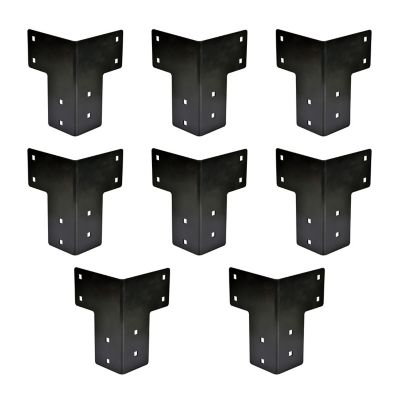
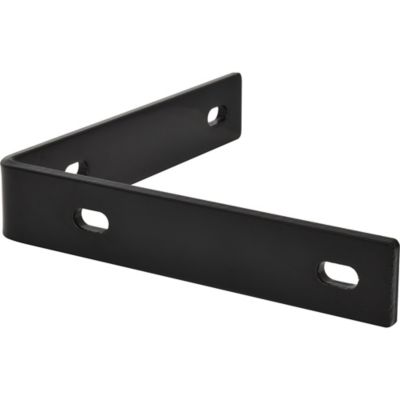
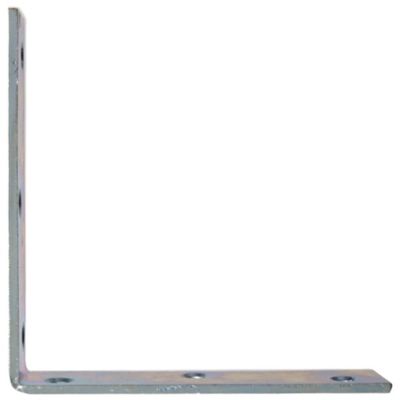
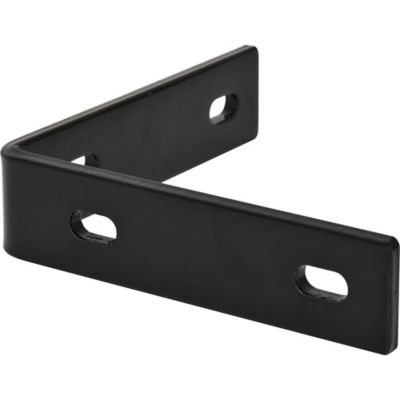
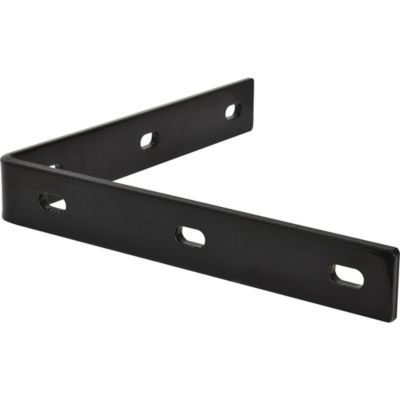
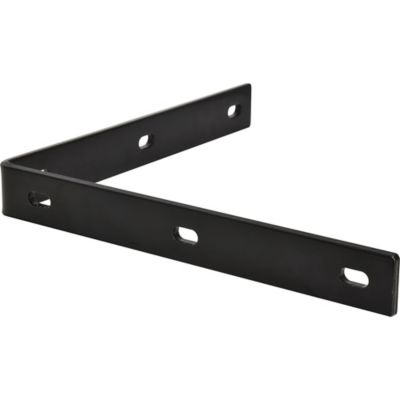
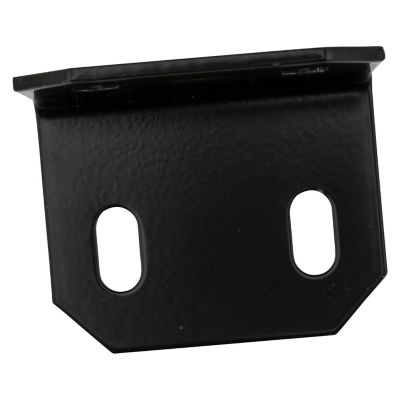
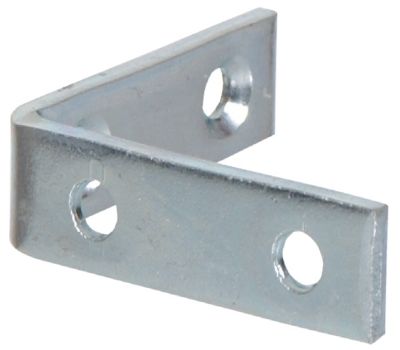
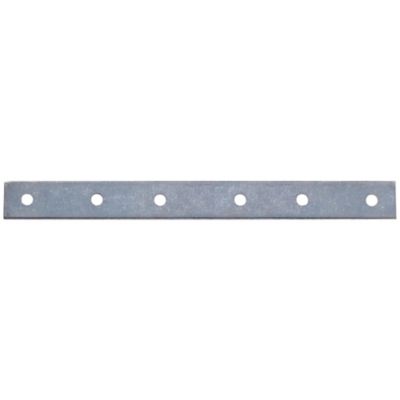
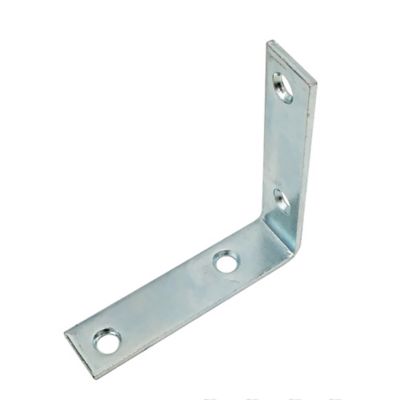
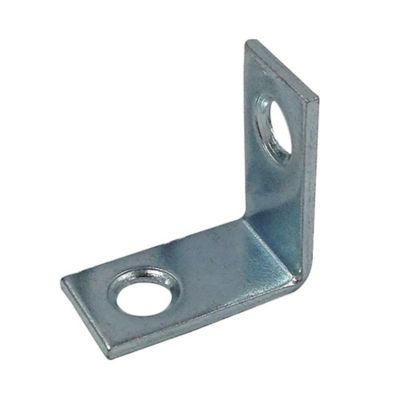
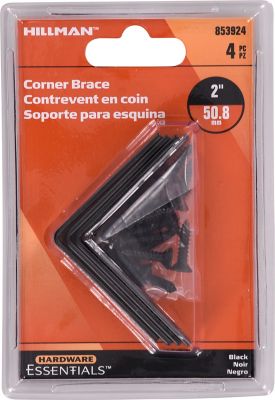
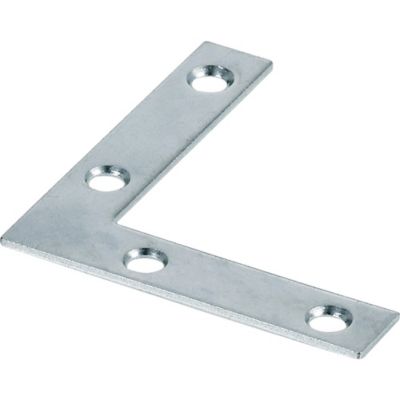
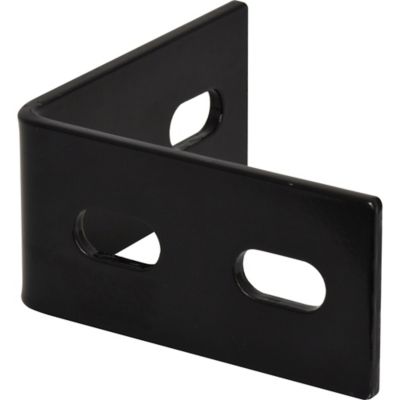
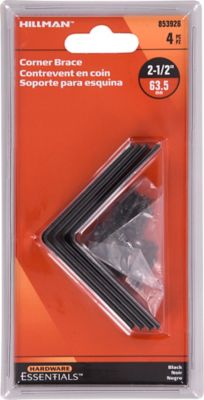
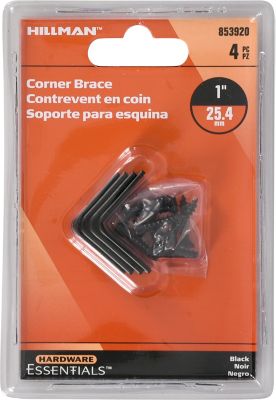
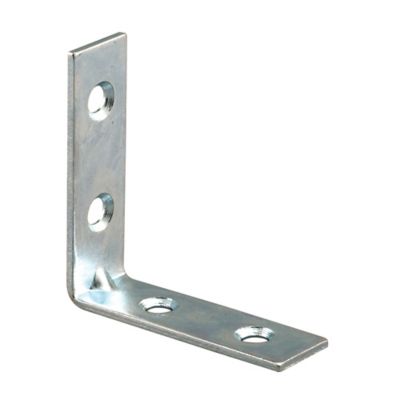
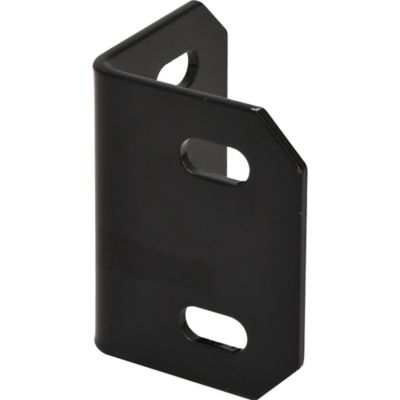
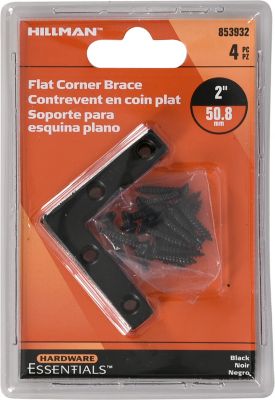
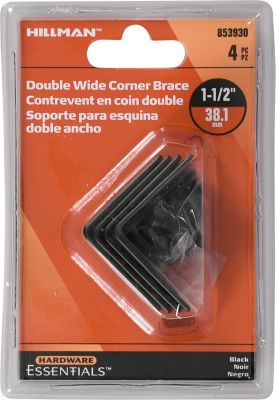
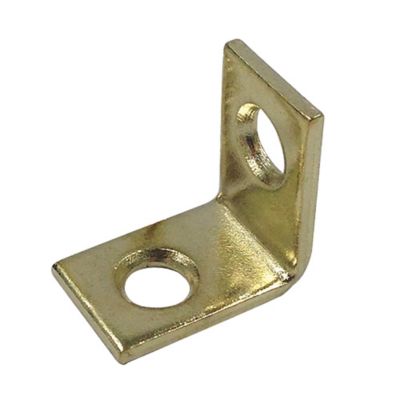
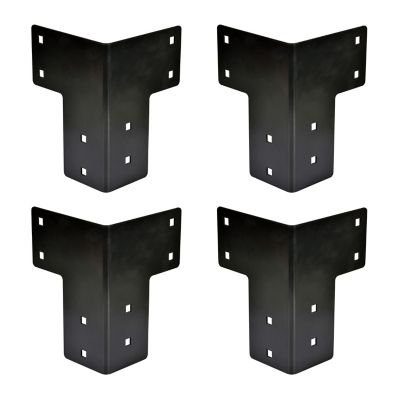
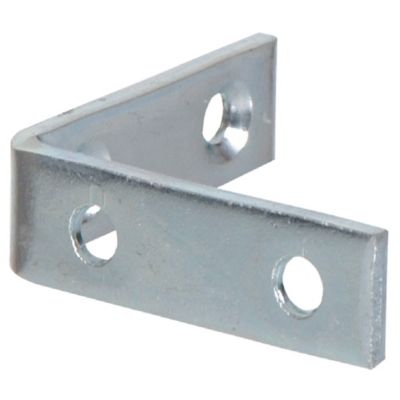
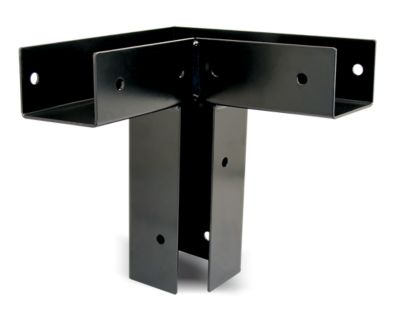
Corner braces for table legs reinforce the connection between a table’s legs and its apron, the frame that runs beneath the tabletop. Often called table leg corner brackets, apron brackets, or corner plates, these supports help resist the side-to-side movement that makes a table feel shaky when someone leans against it or slides a chair into place. Many designs span the inside corner where two apron rails meet, with screws securing the brace to the rails and a bolt connecting it to the leg. That arrangement helps tie the frame and leg together rather than leaving a single joint to handle every push and pull. It makes these braces useful for kitchen tables, farmhouse dining tables, craft tables, and work surfaces that see plenty of everyday activity. Metal corner plates, kerf-mount brackets, and wooden corner blocks serve similar purposes, but their attachment methods differ. Surface-mounted plates generally fasten against the inside faces of the apron, while kerf-mount designs have edges that seat in matching saw cuts in the rails. Wooden blocks can provide a broad bearing surface across the corner, with their fastening method determined by the table’s construction. Some metal brackets work with hanger bolts and nuts, allowing the legs to come off without repeatedly removing screws from the apron. That can be handy when a large table needs to pass through a narrow farmhouse doorway or travel to another home. Not every corner brace supports removable legs, though, and a basic right-angle bracket is not automatically a replacement for an apron-spanning table leg brace. The right style depends on how the frame meets the leg, where fasteners can reach solid material, and whether the table needs a permanent or knock-down connection. For furniture builders, homeowners tackling repairs, and folks maintaining gathering spaces, these small pieces of hardware can play an important part in keeping a sound table frame steady.
Fit starts with the space beneath the tabletop, not simply the size of the table itself. Apron height and thickness, the distance between the rails and the leg, and the shape of the leg’s inside corner all affect which corner braces for table legs will seat properly. A square leg tucked into a right-angle apron corner presents a different mounting surface than a round leg, a splayed leg, or one with a chamfer cut across its inner face. Tapered legs may still have square upper sections, so the mounting area matters more than the shape near the floor. Hole placement deserves the same attention as the bracket’s overall dimensions: apron screws need enough wood around them to hold without breaking through the outside face, and the leg connection needs to line up with the brace as intended. Where a hanger bolt is specified, its wood-threaded end anchors into the leg and its machine-threaded end accepts a matching nut. Thread size, bolt length, washers, and clearance for a wrench all matter to that connection. A bracket that fits the corner but leaves no room to tighten the nut can turn a straightforward repair into an awkward job. Steel is a common choice for metal corner braces, with thickness, formed edges, and the overall shape contributing to stiffness. Zinc-plated or galvanized finishes can help limit corrosion, while stainless steel may suit applications that call for greater corrosion resistance. Finish alone does not establish how much a brace can support; the fasteners, wood condition, joint design, and manufacturer’s specifications matter as well. Wooden corner blocks also depend on sound material, suitable grain orientation, and appropriate fastening. There is no single load capacity that applies to every table leg corner brace. A broad dining table carrying serving dishes and a shop table supporting tools place different demands on their frames, and the complete assembly needs to suit the job. Braces also need to leave room for nearby drawer boxes, tabletop fasteners, and any extension mechanism beneath the surface.
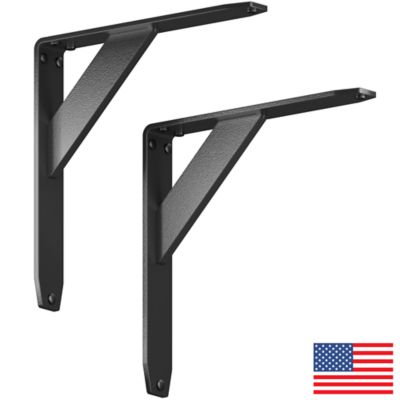
For an existing table, corner reinforcement makes the most sense when the surrounding frame and legs are still sound. A kitchen table that shifts sideways as bread dough is kneaded may have loose apron-to-leg connections, but rocking can also come from uneven leg lengths, an uneven floor, damaged wood, or a loose tabletop attachment. Corner braces address movement at the joints they connect; they do not correct every cause of wobble. Split legs, stripped screw holes, and separated apron joints need attention rather than being hidden behind a larger plate. On a new build, braces can supplement suitable joinery and make certain leg connections easier to service later. They should not interfere with tabletop attachments designed to accommodate movement across the grain of a solid-wood top. Keeping the hardware tucked within the apron also helps preserve knee room and reduces the chance of clothing catching on an exposed corner or projecting bolt. For a sewing table, that clearance may matter as much as access around drawers; for a dining table, it helps keep the seating area comfortable. Care is generally straightforward: wipe away dust and spills, keep mounting points clean, and check for looseness after moving the table or noticing a change in how it stands. Nuts and screws should be snug according to the hardware instructions, without crushing wood fibers or stripping threads through excessive tightening. Rust, bent metal, cracks around fasteners, or recurring movement can signal that the connection needs closer attention. Tables dragged across a room put extra sideways force on their legs, so lifting a table with enough help is easier on the joints. Removable-leg hardware can simplify transport, provided the frame is supported and the parts go back together correctly. Projects involving an overhanging counter call for a different support arrangement;
Heavy Duty Countertop Support Brackets address that separate application rather than serving as direct substitutes for table leg braces. Whether the job is restoring a family dining table or building a practical work surface, well-fitting corner reinforcement belongs within a complete, properly fastened frame built for its intended use.