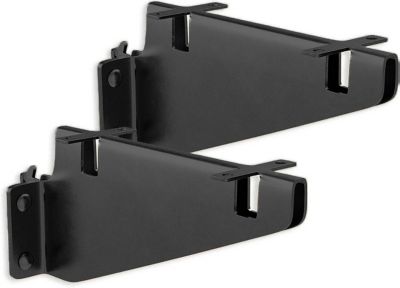
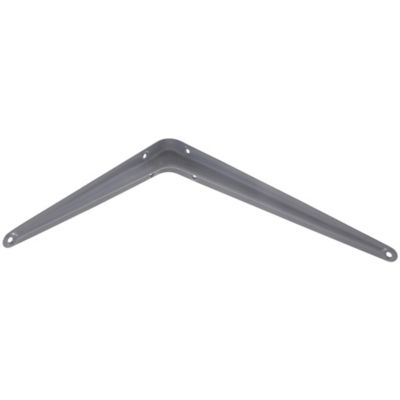
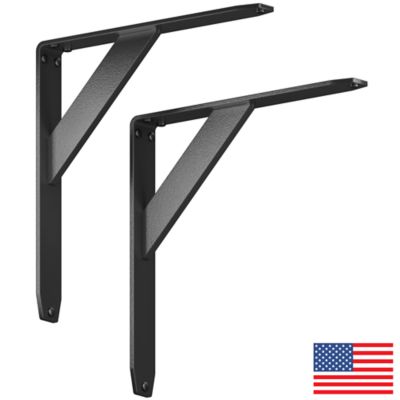
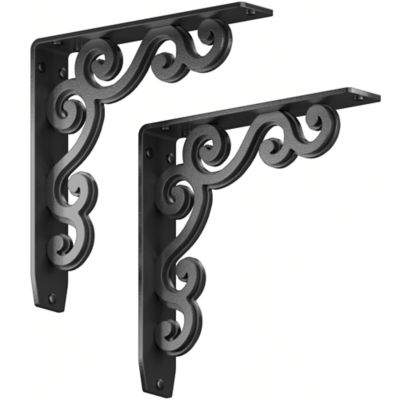
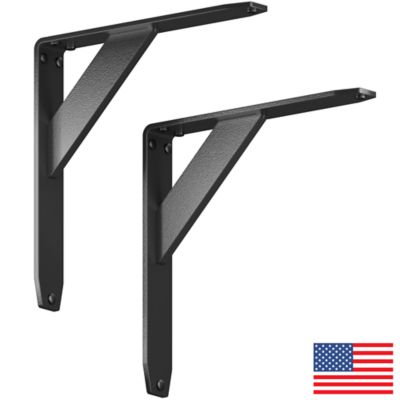
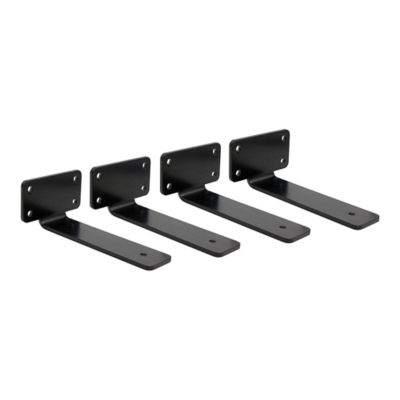
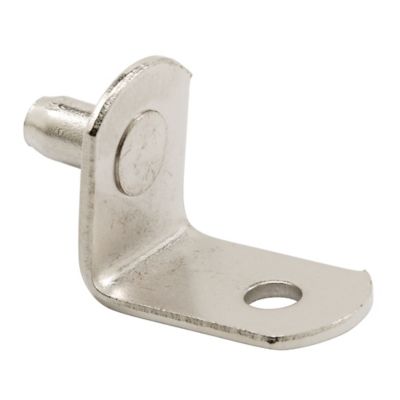
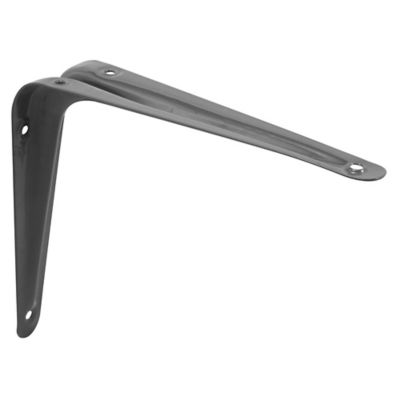
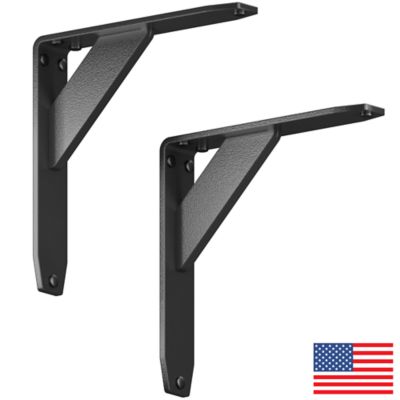
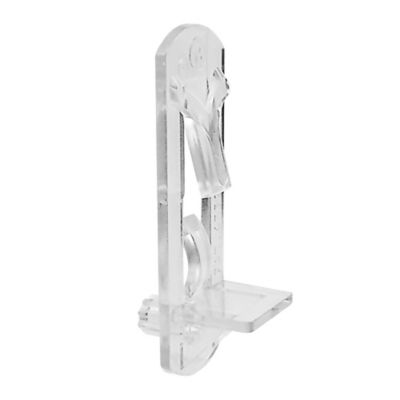
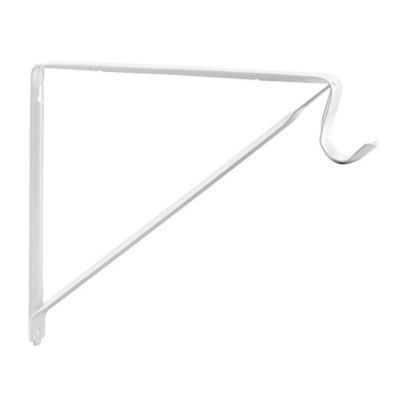
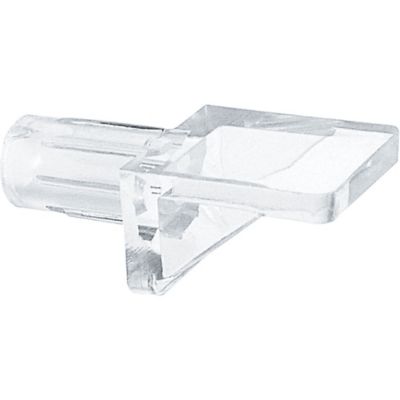
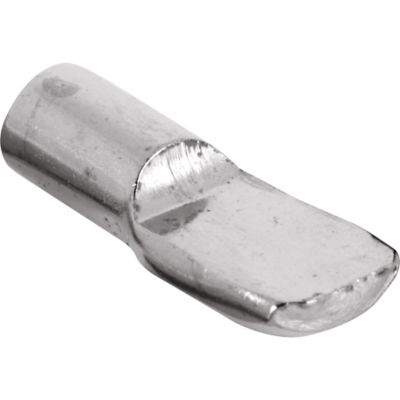
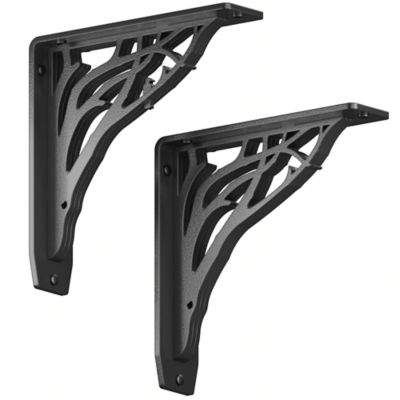
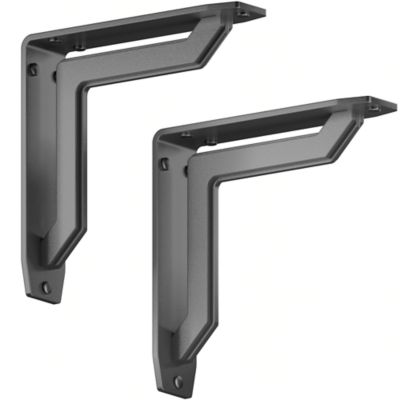
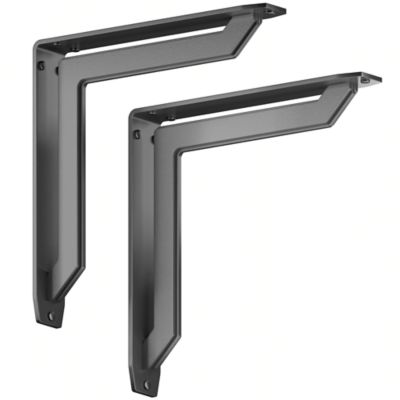
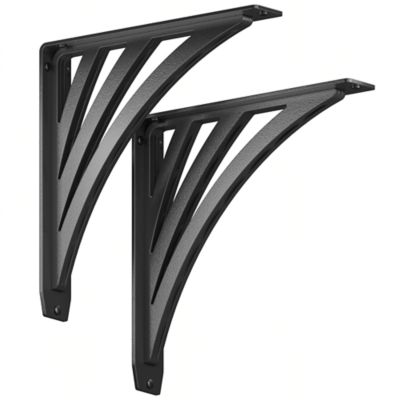
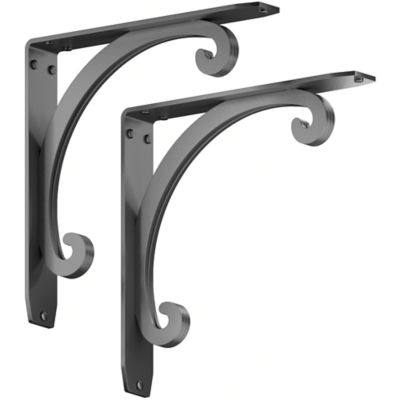
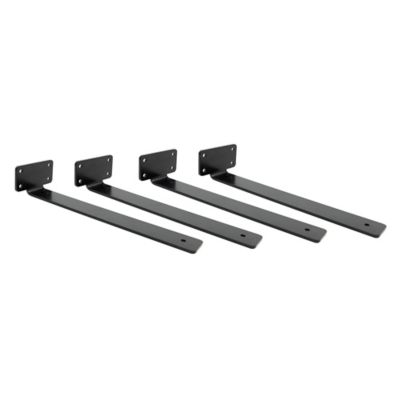
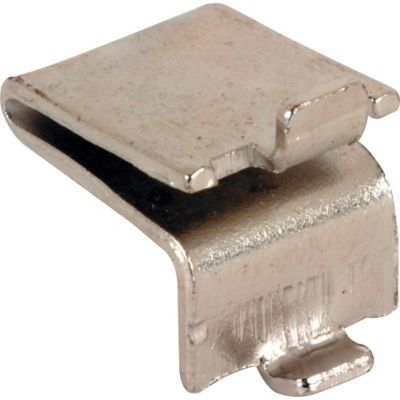
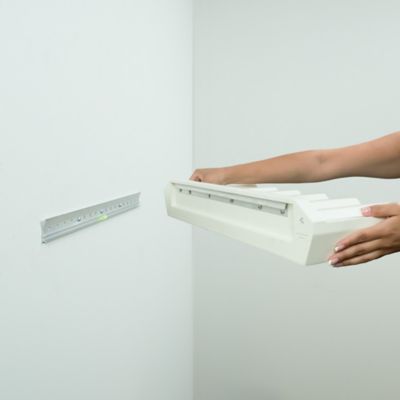
Closet shelf support brackets do the behind-the-scenes work that keeps a storage space ready for everyday life. A shelf above the clothes rod might hold folded jeans, spare bedding, or a row of bins filled with work gloves and ball caps. Each load puts different demands on the supports underneath, especially when belongings get shifted around or stacked higher. The right bracket brings together shelf depth, wall attachment, and the weight the whole setup needs to carry. Basic angled brackets support a shelf from below, while shelf-and-rod brackets also provide a place for hanging clothes. That combined arrangement makes sense in a bedroom closet where shirts and jackets hang beneath folded clothing, or in a mudroom where chore coats need their own spot off the floor. Adjustable systems pair compatible brackets with wall-mounted standards, giving shelves room to move as storage needs change. Fixed brackets suit spaces where the shelf height and layout are staying put. Neither arrangement has to make a closet complicated; a well-matched support simply lets the shelf do its job without getting in the way. Bracket shape matters in a narrow closet, too. A diagonal brace can add support, but it also occupies space beneath the shelf, where tall bins or hanging garments may need clearance. Rod-support designs call for enough room between the rod and shelf for hangers to move freely. Shelf depth deserves the same attention: a shallow ledge for hats has different requirements than a deep shelf holding blankets. The bracket’s supporting arm needs to match the shelf dimensions and the manufacturer’s requirements rather than just look close enough. For homeowners refreshing a bedroom, landlords maintaining a rental, or folks adding storage near the laundry room, these small pieces of hardware help turn an awkward stretch of wall into a practical place to put things.
Materials and construction influence how closet shelf support brackets handle their work over time. Steel is a common choice for load-bearing closet hardware, with formed bends, reinforcing ribs, or welded braces helping provide stiffness, depending on the design. Metal thickness alone does not tell the whole story; bracket shape, fastener locations, and the strength of every connection all play a part. Painted and powder-coated finishes can give metal brackets a tidy appearance while helping protect the surface, and plated finishes offer another approach to surface protection. White finishes tend to blend into light closet interiors, while darker finishes can coordinate with rods, shelving, and nearby hardware. Finish color is a matter of preference, but compatibility is a working requirement. A bracket intended for one adjustable track system may not lock into another, even when the slots look similar. Wood, wire, and laminated shelves can also call for different attachment details, so the shelf and bracket need to be designed to work together. Weight ratings deserve a close look because a rating may apply to an individual bracket, a pair, or a complete assembly under specified installation conditions. The shelf’s capacity and the wall attachment matter just as much as the bracket itself. A wide shelf loaded with books or filled storage bins asks more of the assembly than one holding a few folded towels. Even weight distribution helps, but it does not make up for too much distance between supports. Shelf span, bracket spacing, and any center supports should follow the requirements for the shelving system. Solid attachment to suitable wall framing provides a different foundation than attachment through drywall alone, and masonry requires hardware suited to that surface. Anchors, screws, and shelf fasteners need to match the wall, bracket, and intended load. A bracket that feels stout in the hand still depends on those connections once the shelf is full. For shelf-and-rod arrangements, the combined load of stored belongings and hanging clothing also needs to stay within the system’s limits.
A closet works best when its hardware fits the way the household actually lives. In a shared bedroom, a long shelf may need to carry separate baskets for each person without sagging between supports. Near an entryway, a shelf-and-rod arrangement can keep hats above hanging jackets while leaving room below for boots. A linen closet has its own demands: folded quilts take up space quickly, and tall stacks need adequate clearance between shelves. Those everyday details help explain why bracket projection, mounting height, and the position of braces are worth considering together. Door tracks, trim, light fixtures, and access to the back corners can all affect how much useful space remains after shelving goes in. A deep shelf is not much help if its contents are hard to reach, and a rod tucked too close to the back wall can leave hangers sitting at an angle. In utility spaces, keeping heavy supplies on lower shelves can make retrieval easier and reduce the need to lift awkward loads overhead. Where storage extends beyond a closet into an exposed wall arrangement,
Brackets for Open Shelving offers a related category to consider for that different layout. Closet hardware itself generally needs little routine care, though an occasional check can catch loose connections, bent supports, or shelves beginning to bow. A soft cloth helps remove dust from bracket arms and around rod rests; cleaning methods should suit the finish, with harsh abrasives avoided unless the manufacturer allows them. Scratched coatings, rust, or movement at a mounting point deserve attention rather than another bin piled on top. After a closet gets reorganized, it is worth checking that heavier belongings have not ended up concentrated at one unsupported stretch. Sound supports, suitable fasteners, and a shelf matched to its load make for storage that stays steady through the daily shuffle of laundry, work clothes, and household supplies. The payoff is straightforward: more belongings within reach, less clutter underfoot, and a closet that earns its space.