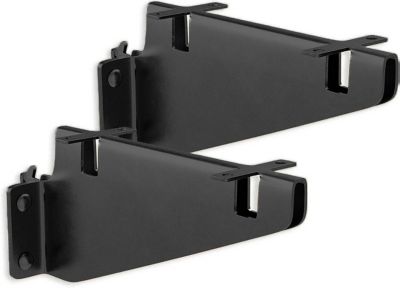
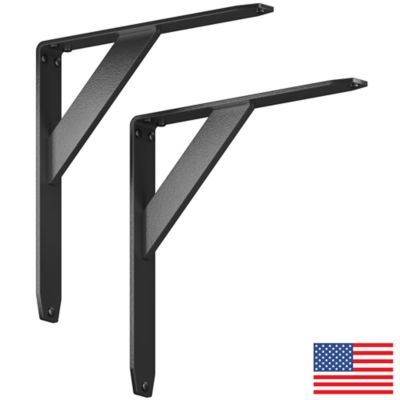
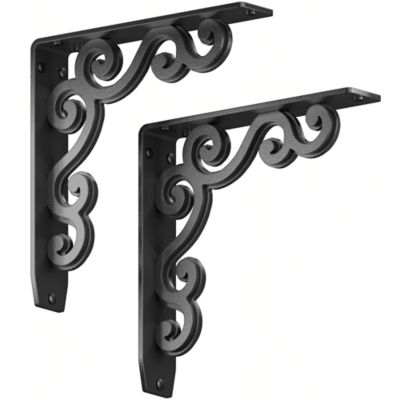
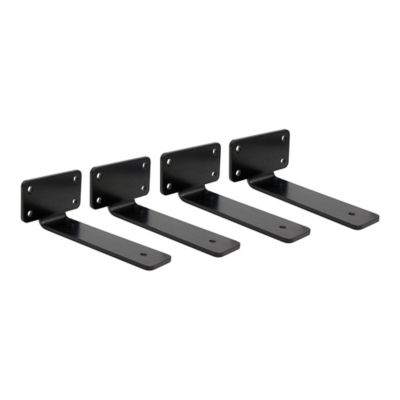
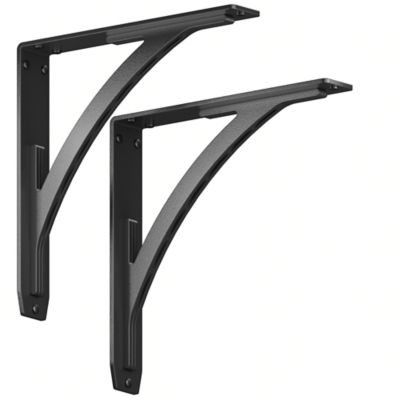
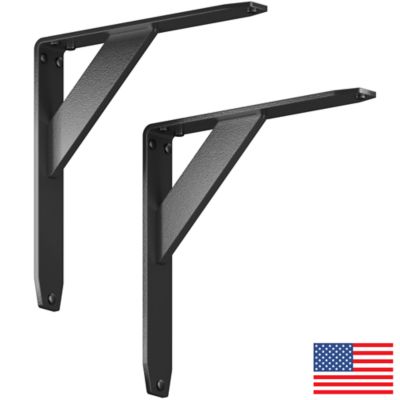
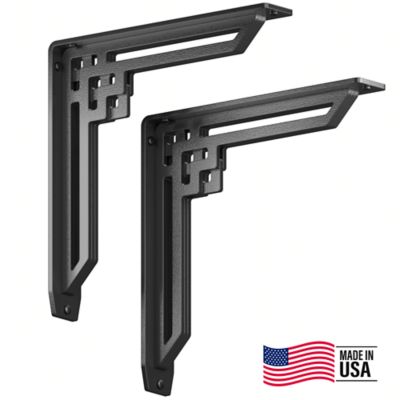
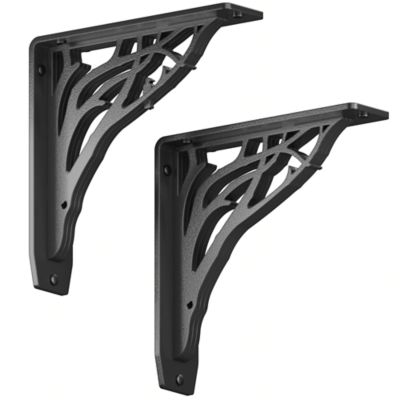
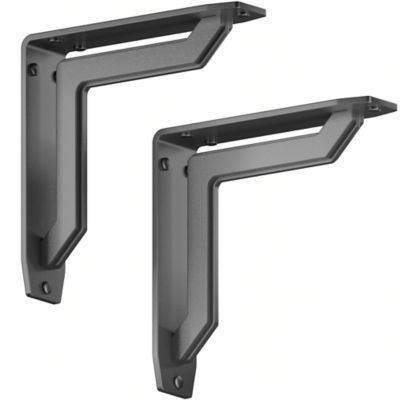
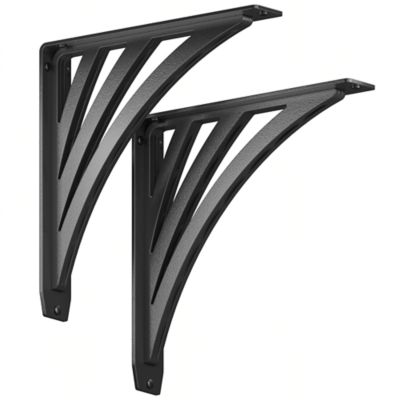
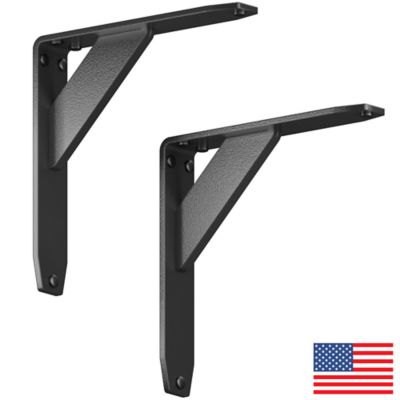
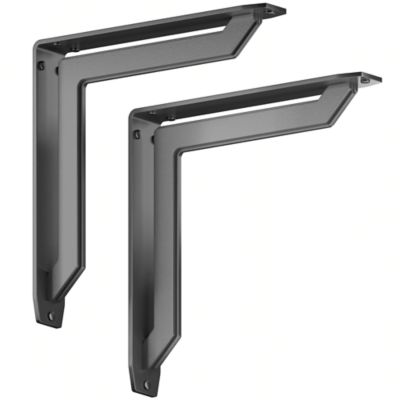
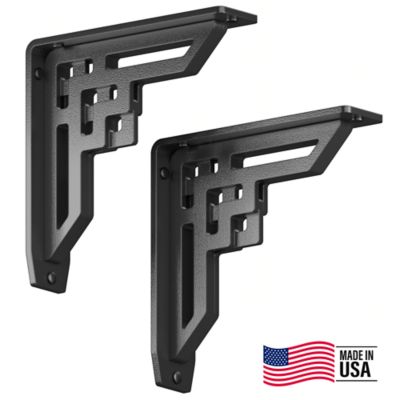
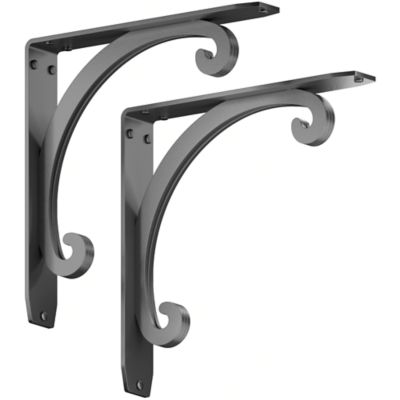
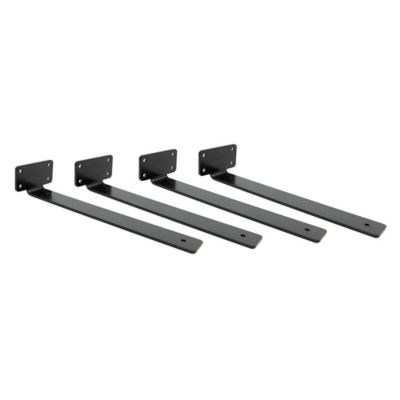
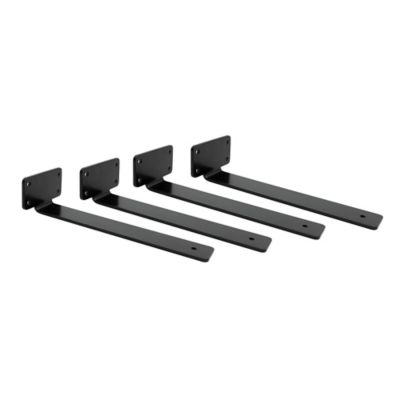
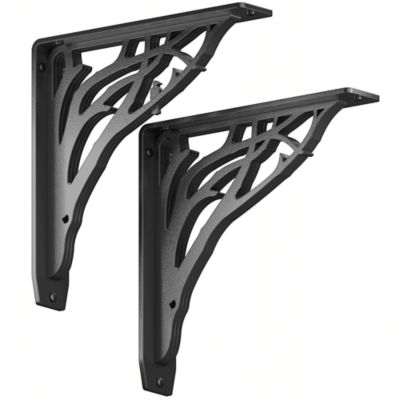
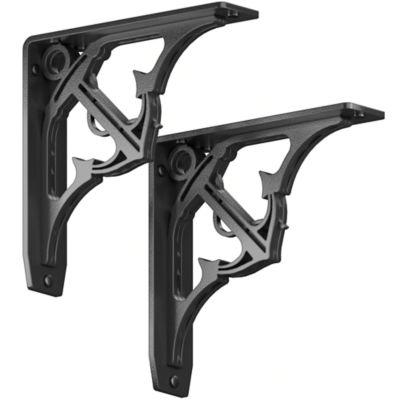
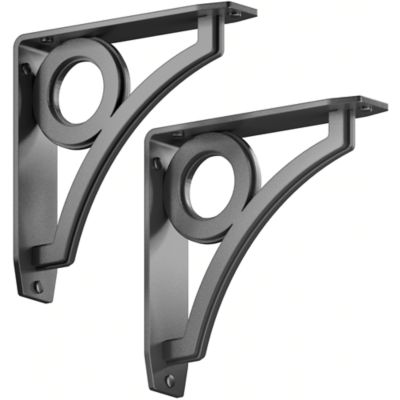
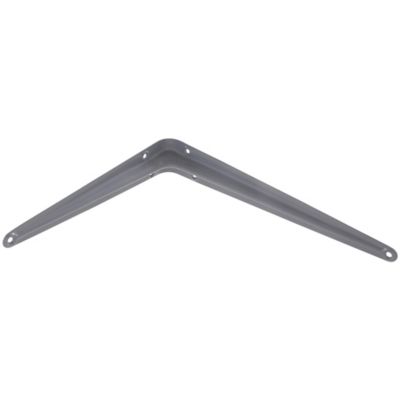
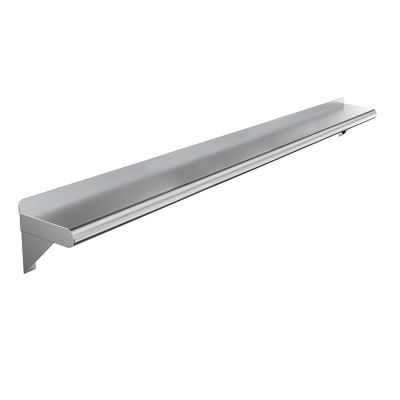
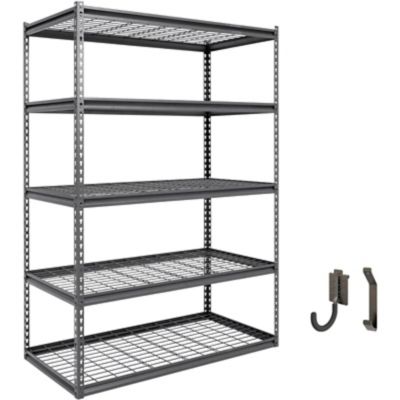
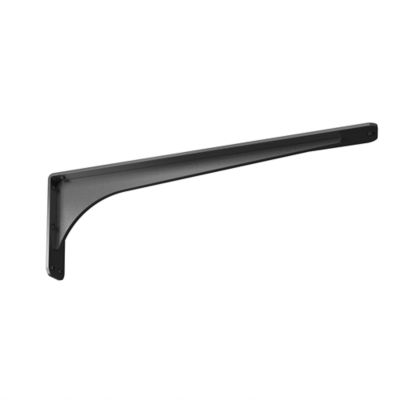
Heavy-duty shelving brackets give a working shelf the support it needs in places where storage has a real job to do. In a garage, farm shop, tack room, or utility area, a shelf may hold hardware organizers, tool cases, cleaning supplies, or a row of parts bins that gets handled every day. That calls for more than a bracket that simply looks stout. The bracket material, shape, mounting arrangement, and stated load rating all play a part in how the finished shelf performs. Steel is a common choice for these demanding spaces, with formed sections, welded supports, or reinforcing braces helping resist bending under the intended load. Material thickness matters, but it does not tell the whole story; a well-supported shape and properly matched hardware matter, too. A triangular brace can provide support beneath a deep shelf, while an open bracket design may leave more room for bins and equipment below. The right shape depends on both the load above and the working space underneath. Finishes also deserve a look. Powder-coated surfaces can help protect steel from everyday contact and moisture, while galvanized finishes offer corrosion protection for locations where dampness may be a concern. Finish performance depends on the environment, and no coating makes every bracket suitable for every setting. Around a wash area or a space where spills are common, the manufacturer’s stated suitability is worth more than appearance alone. Smooth edges, sound welds, and a finish without exposed rough spots also make a difference when hands, cords, and storage totes regularly pass nearby. For someone setting up a home workshop or bringing order to a busy outbuilding, these details help separate a shelf that merely fills an empty wall from one that fits the work happening around it. A neat row of brackets supporting a level shelf can keep useful supplies in view without taking up the floor space needed for a workbench, mower, or rolling tool chest.
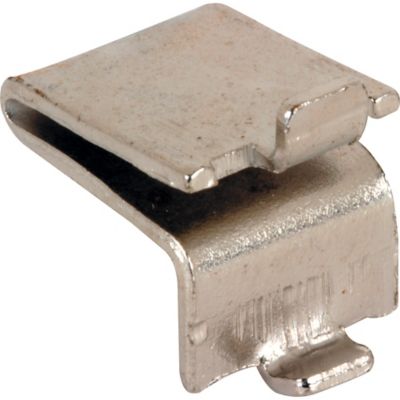
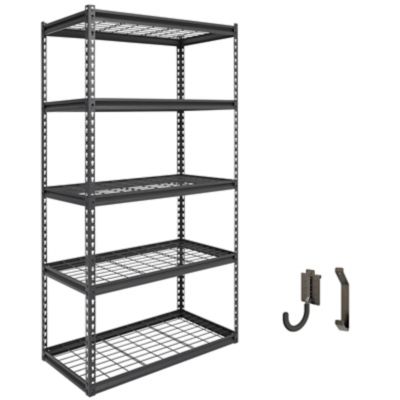
Fit starts with the relationship between the bracket, the shelf, and the wall behind them. A deep shelf creates leverage at the mounting points, especially when weight sits near its front edge, so bracket projection needs to match the shelf dimensions and the manufacturer’s limits for overhang. The shelf material matters as well. Solid lumber, plywood, and manufactured shelving panels differ in stiffness, and even a strong bracket cannot prevent an unsuitable board from sagging between supports. A long shelf carrying closely packed hardware bins presents a different load than a short shelf holding a few lightweight containers. Support spacing, shelf thickness, and the way weight is distributed all influence the finished setup. Load ratings need that same attention to detail: a rating may apply to one bracket, a pair, or a complete assembly under particular mounting conditions. It is not a promise that any wall and any set of screws will carry the same amount. Wood studs, concrete, solid masonry, and hollow block each call for fasteners suited to the base material and the expected load. Wallboard alone should not be assumed to support a heavily loaded shelf. Mounting-hole placement can also affect fit, particularly where a bracket must line up with framing or clear an existing outlet, wall trim, or work surface. Brackets with diagonal braces need enough clearance beneath the shelf, while adjustable rail systems depend on compatible components and the limits of the complete system. Fixed-position supports suit a shelf with a settled purpose; adjustable arrangements can help when storage needs change from shallow organizers to taller containers. Shoppers comparing mounting styles can also look at
Wall Shelf Brackets for other shelf-support arrangements. Whatever the style, a bracket belongs in a setup where its dimensions, attachment points, and stated capacity work together rather than leaving one weak spot to carry the load.
The best storage layout also accounts for the way a space gets worked in, not just how much can fit along a wall. In a repair shop, shelves above a bench can keep small parts and frequently reached supplies close without crowding the work surface. In a tack room, wall storage can give grooming supplies and care containers a place apart from the aisle. A utility room may need a narrower shelf that leaves room to pass, while a roomy garage wall can accommodate deeper storage where the mounting structure allows it. Heavier loads generally belong lower down, where they are easier to handle and less likely to become an overhead hazard. Frequently reached containers need enough clearance to lift out without scraping the shelf above or catching on a brace. That is especially helpful when a full bin takes two hands to move. A shelf that sits too high or projects too far into a walkway can make an otherwise tidy room awkward to work in. Heavy-duty shelving brackets are practical hardware for homeowners, mechanics, woodworkers, and folks managing farm buildings, but their value comes from matching the support to the task. Care is usually straightforward and tied to the setting: dust and residue can hide worn finishes, while trapped moisture can encourage rust around scratches or mounting points. Periodic checks for loose fasteners, bent metal, cracked welds, or movement at the wall help reveal when a shelf needs attention. A change in storage deserves another look at the load, too; replacing light containers with dense tools or metal parts can put very different demands on the same brackets. With sound mounting, suitable shelf material, and room to reach what is stored, heavy-duty brackets help turn open wall space into orderly storage that earns its place through everyday work.