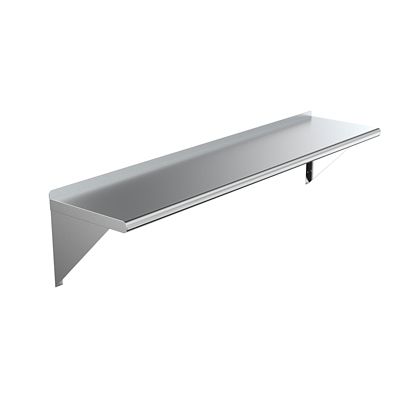
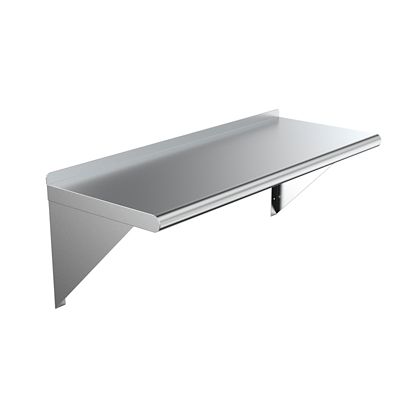
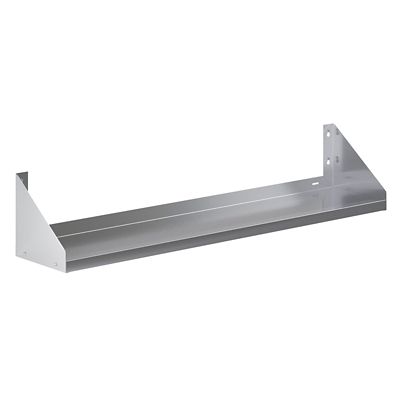
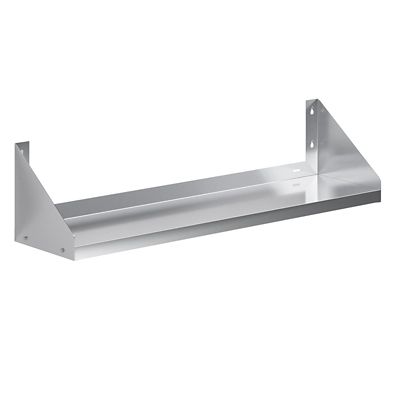
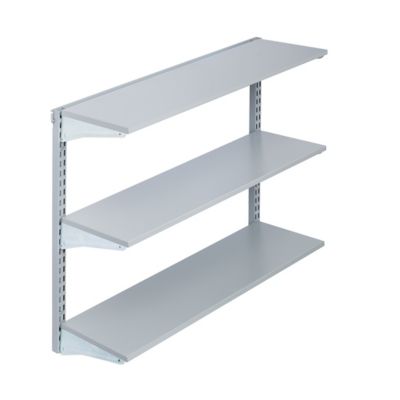
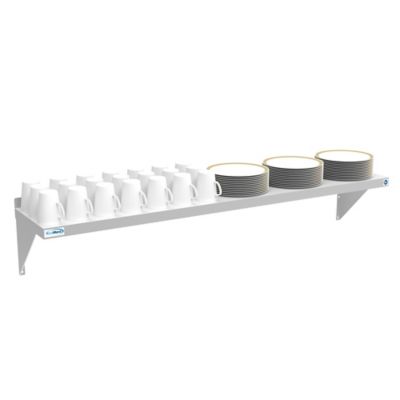
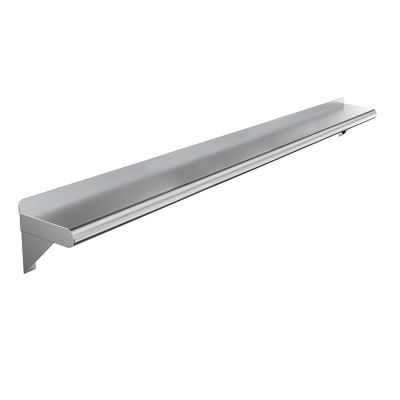
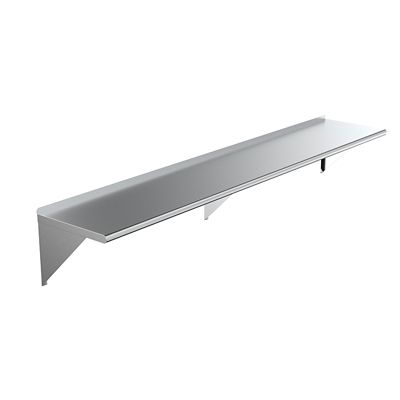
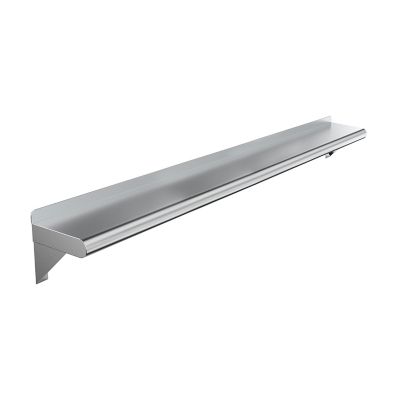
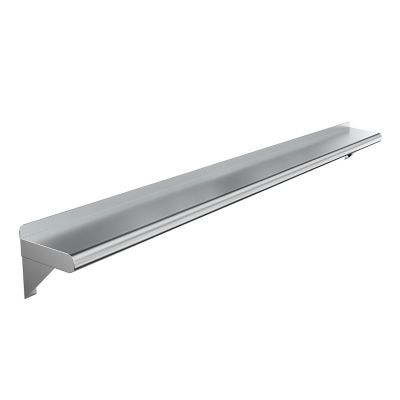
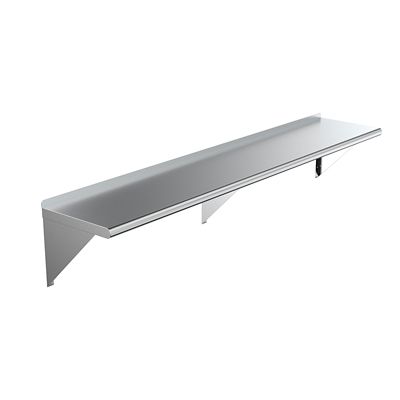
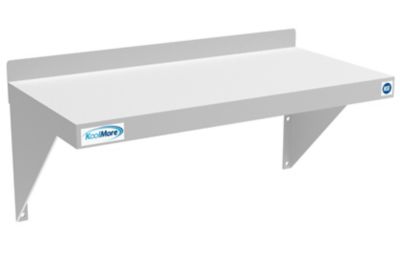
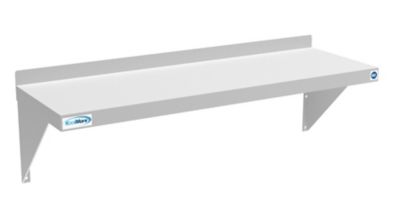
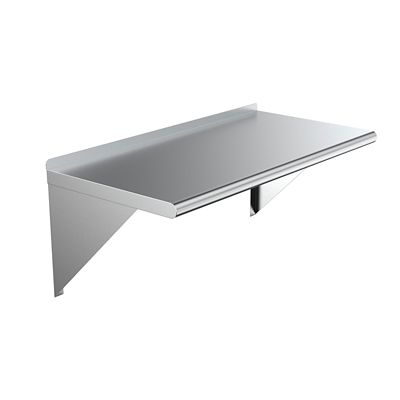
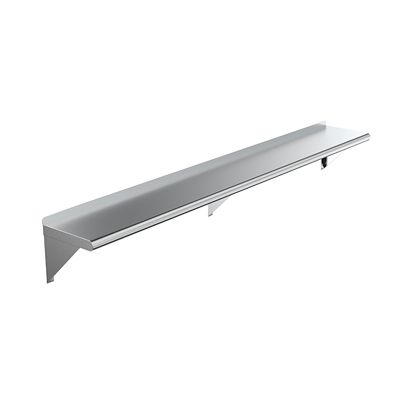
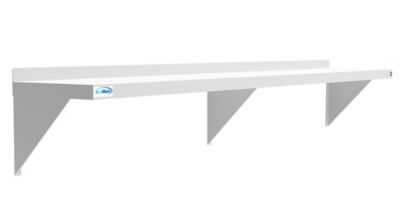
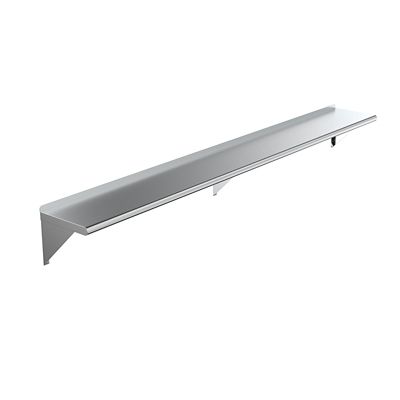
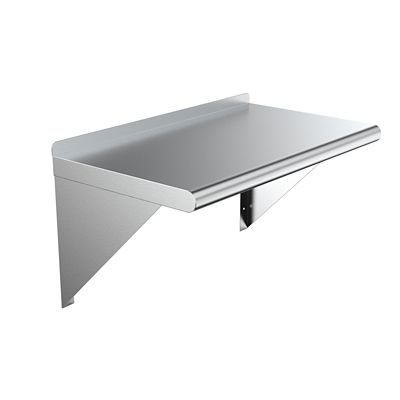
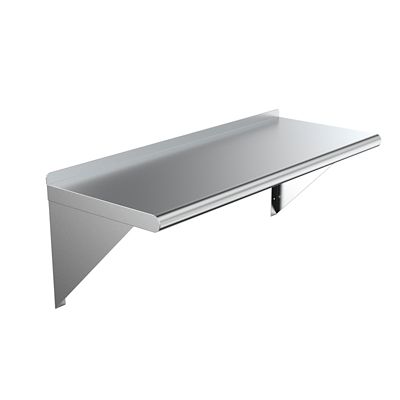
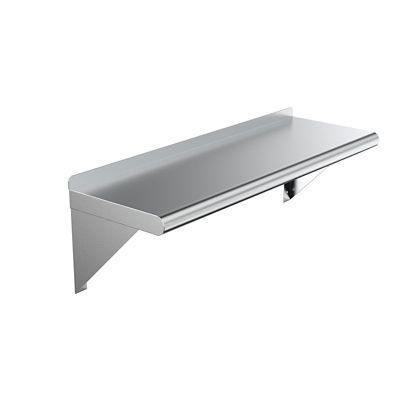
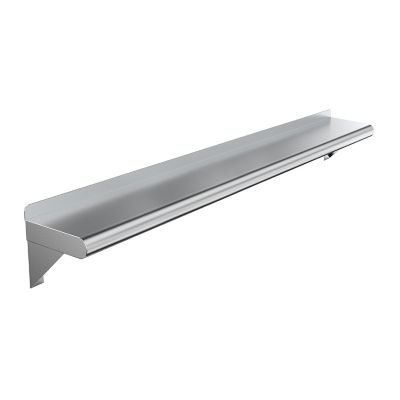
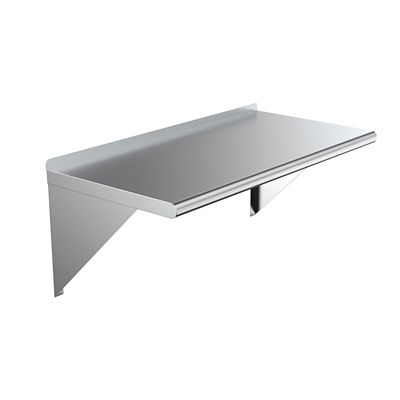
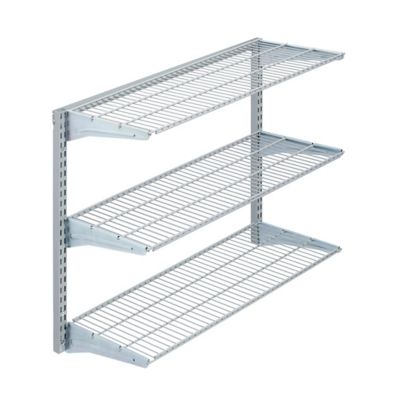
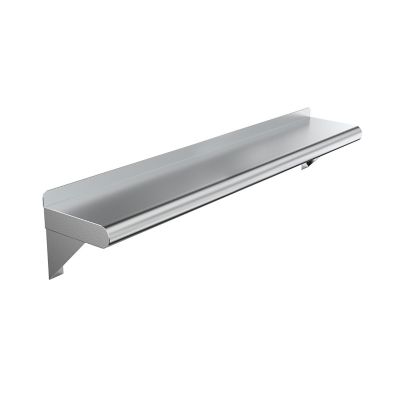
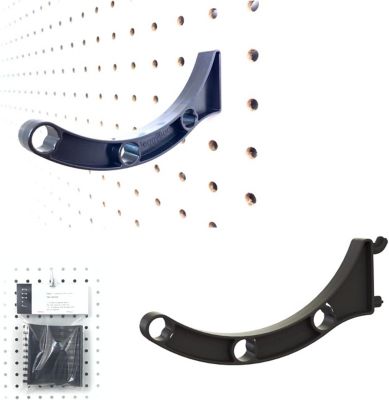
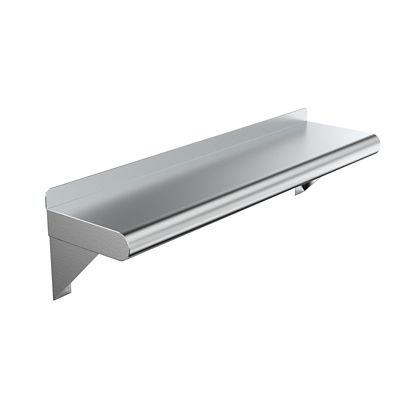
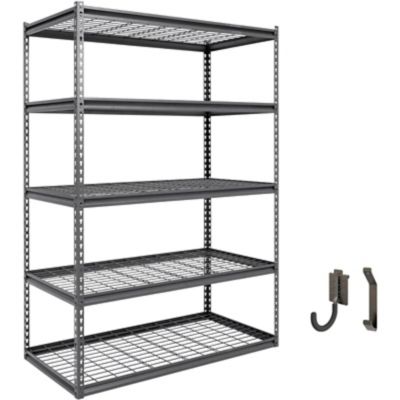
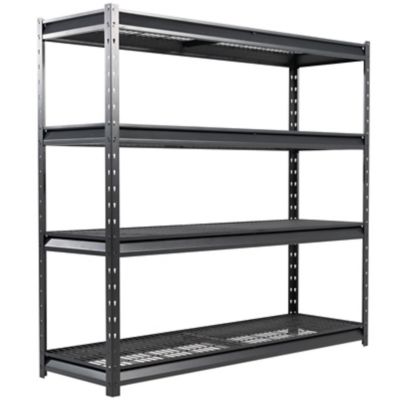
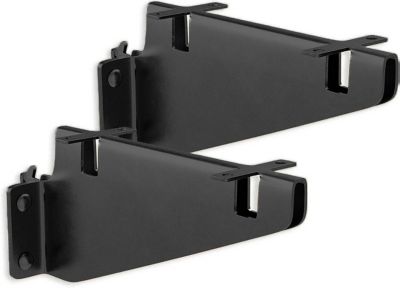
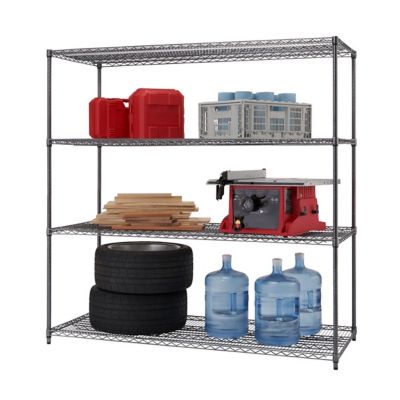
Heavy-duty wall-mounted shelves provide elevated storage for garages, workshops, sheds, and utility rooms, keeping supplies within reach while leaving floor space open. Supported by wall brackets, rails, or a connected frame, these shelves make room for storage totes, tool cases, and repair supplies without adding another cabinet footprint. That extra clearance can matter in a farm shop where a rolling toolbox needs a clear path or in a garage where every inch beside the workbench counts. The best fit depends on both the load and the way the space gets worked. A shelf holding small hardware bins has different demands than one carrying several loaded tool cases, even when both take up the same wall space. Steel shelving and steel support brackets are common choices for heavier storage because their strength suits demanding work areas. Powder-coated finishes provide a protective surface, though scratches and exposed metal still deserve attention. Galvanized finishes can offer corrosion resistance, but the entire shelving assembly, including its fasteners, needs to suit the location. Shelf surfaces matter, too. Wire decking allows visibility from below and gives loose dust less flat surface to collect on, while solid decking supports small containers and narrow feet without gaps. Wood and composite shelf boards vary in thickness, span capacity, and moisture resistance, so their ratings belong in the selection process alongside the brackets. A broad shelf can hold larger totes, but its depth also affects how far a load sits from the wall. For a mechanic sorting parts, a landowner organizing maintenance supplies, or a homeowner clearing a crowded utility room, useful shelving starts with matching those details to everyday tasks. Enough room for the things that belong there, a surface that supports them properly, and a layout that keeps the floor open make a bigger difference than sheer shelf size.
Fit involves more than finding an empty stretch of wall. Shelf width, depth, bracket position, and usable clearance all affect whether heavy-duty wall shelving works comfortably in a particular spot. Above a workbench, the underside needs to leave room for the tasks below, including opening a tool case or standing a project upright. Beside a garage door, shelves need clearance from tracks, moving door sections, and other equipment. Deep shelves can hold larger containers, but a shallower shelf may make more sense over a narrow walkway or wherever supplies need to stay easy to reach. Wall construction is just as important as shelf dimensions. Heavy storage requires attachment to structural support suitable for the shelving system, not ordinary drywall alone. Wood studs commonly sit 16 or 24 inches on center, but actual spacing needs verification, especially in older outbuildings or walls with added framing. Rail lengths, mounting-hole positions, and bracket spacing must work with those attachment points. Concrete, brick, hollow block, and metal-stud walls have different fastening requirements; hardware intended for one wall type is not automatically right for another. The manufacturer’s mounting directions and load limits govern the complete installation. A stated weight capacity may apply to one shelf or to an entire assembly, and it often assumes an evenly distributed load under specified mounting conditions. Several heavy objects crowded into the middle or along the front edge do not create the same loading pattern as weight spread across the deck. The shelf surface, brackets, fasteners, and wall structure all contribute to the strength of the finished setup. Keeping heavier supplies lower and close to their intended support points helps make storage easier to manage, while lighter, less frequently needed containers can occupy higher spaces. Mounting height also needs to account for lifting and reach: a loaded case that feels manageable at waist height can be awkward to bring down from overhead.
A shelving layout earns its place when it makes daily work less of a hunt. In a garage, that might mean labeled bins of hitch pins and fasteners near the bench, with larger cases grouped where their handles remain easy to grab. In a workshop, separate shelf sections can keep measuring tools apart from oily repair supplies and leave a clear landing spot for the next job. Adjustable spacing is handy when the storage mix includes both short organizers and tall containers;
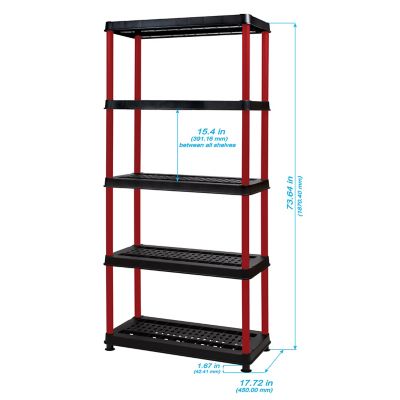
Heavy Duty Adjustable Shelves offer another way to think about matching shelf clearance to changing storage needs. With wall-mounted shelving, any adjustment still needs to stay within the system’s bracket-spacing and load requirements. Bins should sit fully supported rather than hanging over an edge, and small parts need containers that suit the shelf surface. Frequently reached supplies belong where they can be lifted without stretching across a workbench or leaning around equipment. Storage above electrical equipment or active work areas also calls for care about what could spill or fall. Maintenance is generally straightforward, but it matters for shelving that carries substantial weight. Dust and grit can be wiped from solid surfaces or brushed from open decking, with cleaning methods matched to the material and finish. Spills deserve prompt attention, particularly on wood-based decking or wherever they could affect a coating. Periodic checks can catch loose hardware, bent brackets, sagging boards, corrosion, or movement at the wall before more weight gets added. A shelf that shows damage or shifting needs to be unloaded and assessed rather than simply tightened and filled again. Keeping manufacturer instructions and capacity information handy makes later rearranging easier, especially when a lightweight storage spot gradually becomes the home for heavier gear. With the right support and sensible organization, heavy-duty wall-mounted shelves help keep working spaces open, supplies easier to find, and everyday chores moving along.