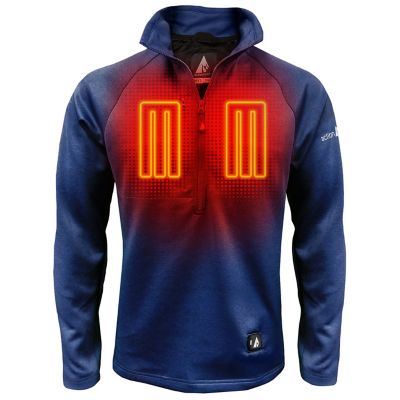
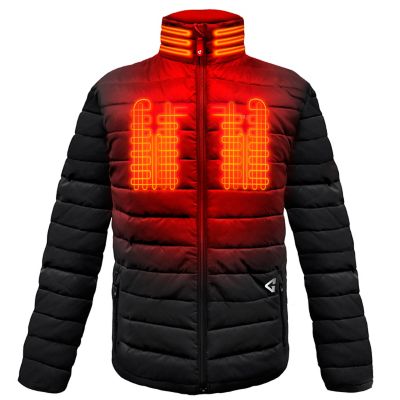
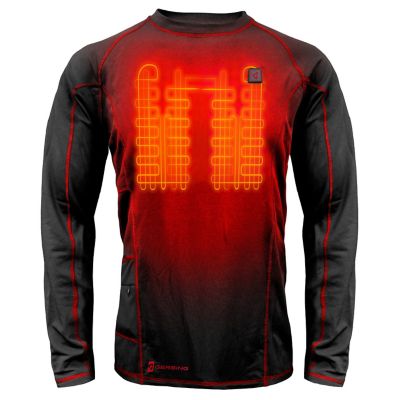
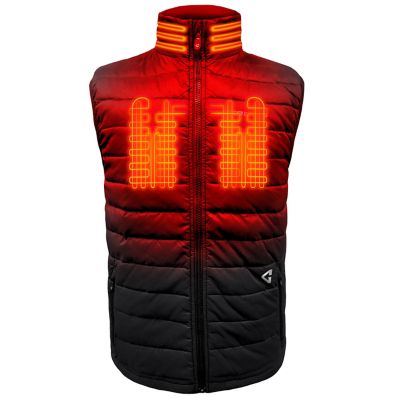
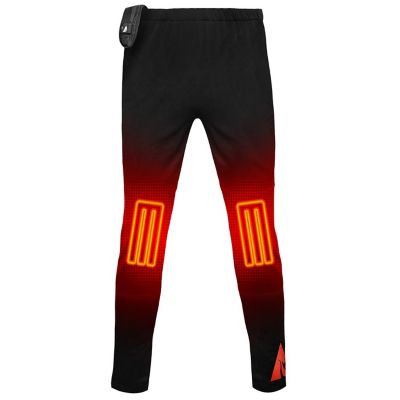
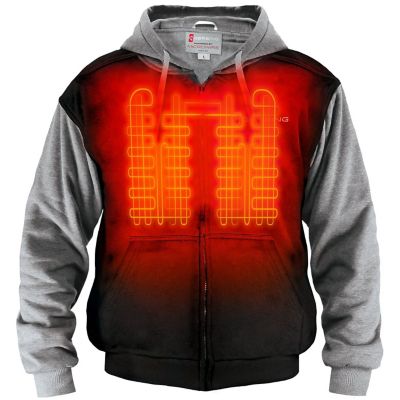
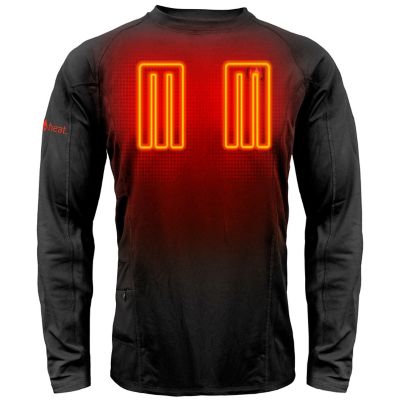
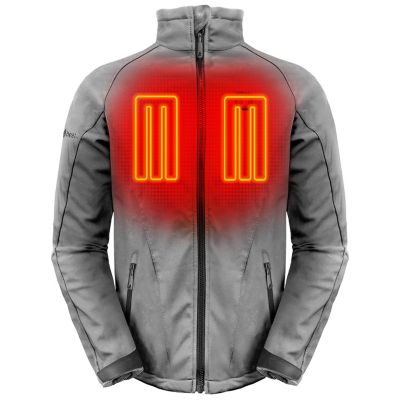
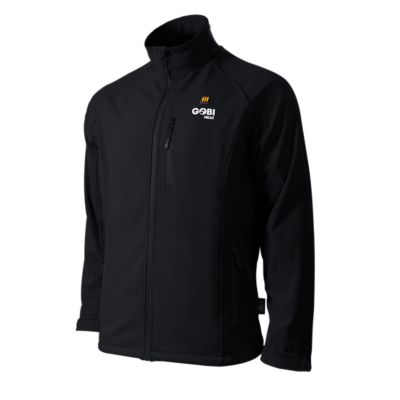
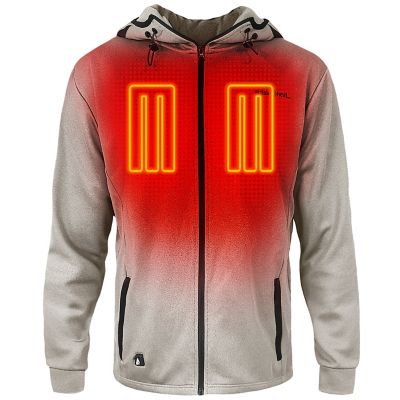
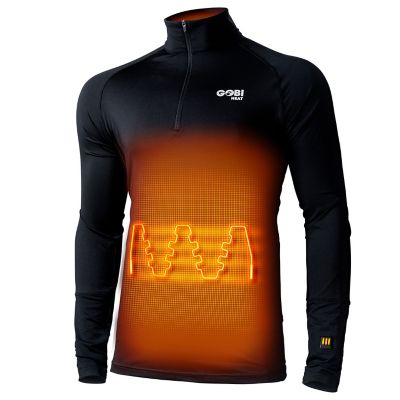
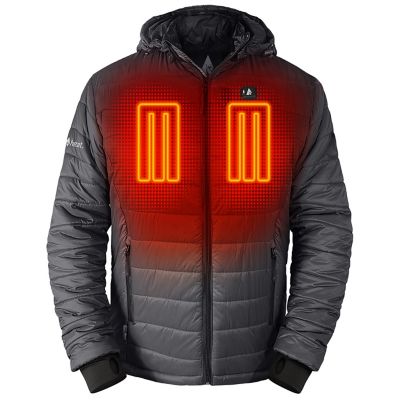
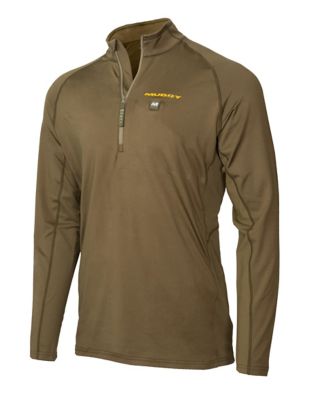
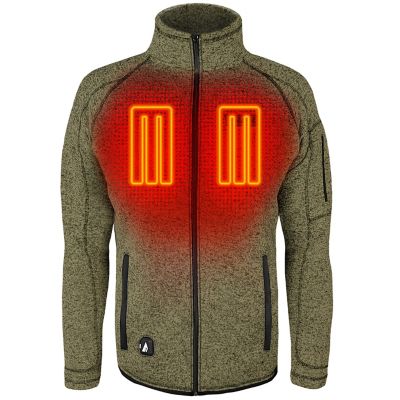
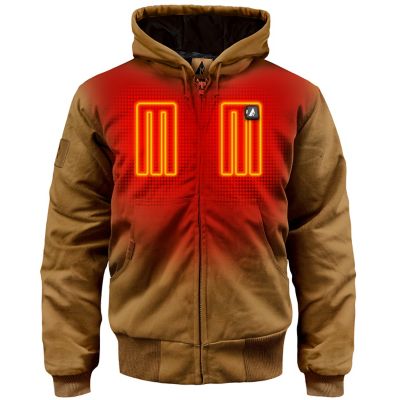
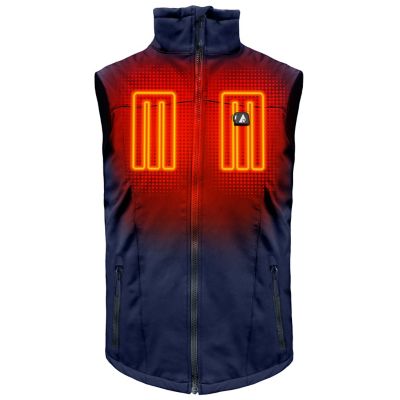
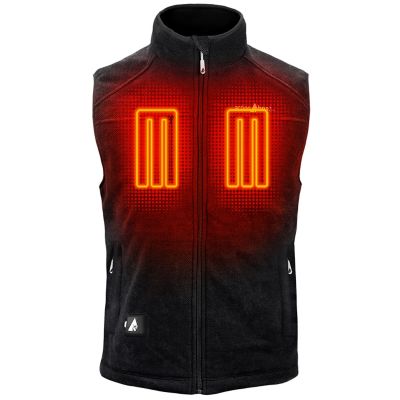
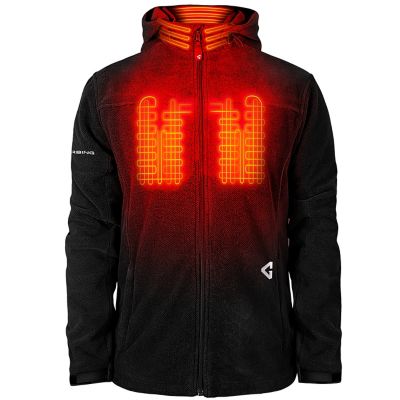
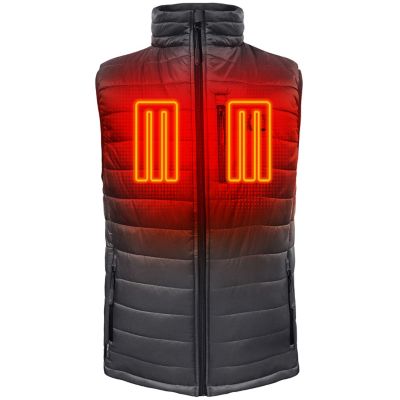
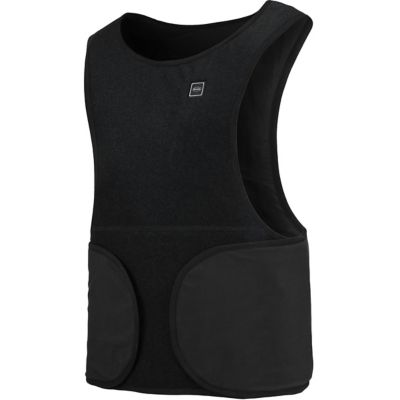
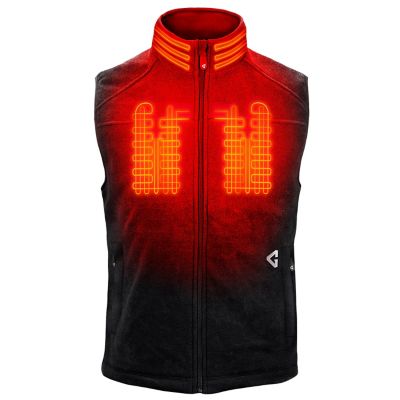
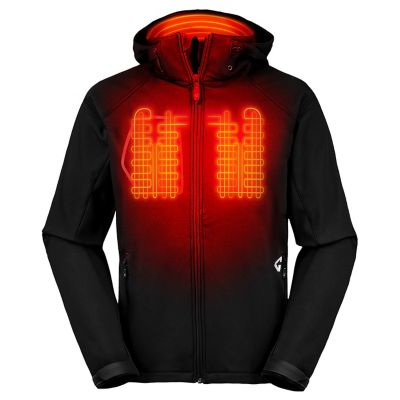
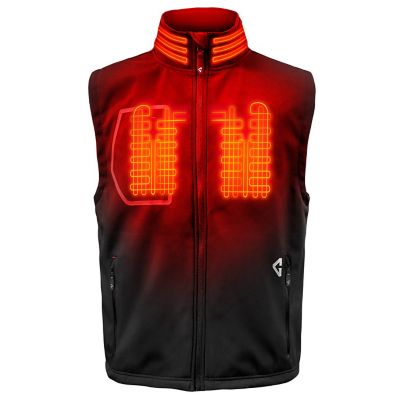
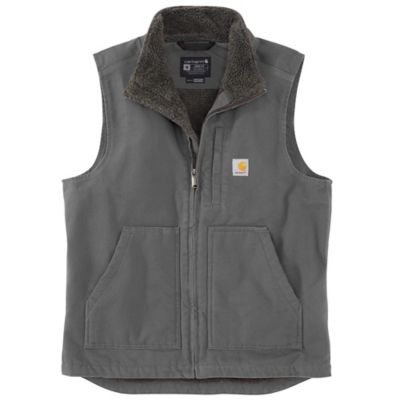
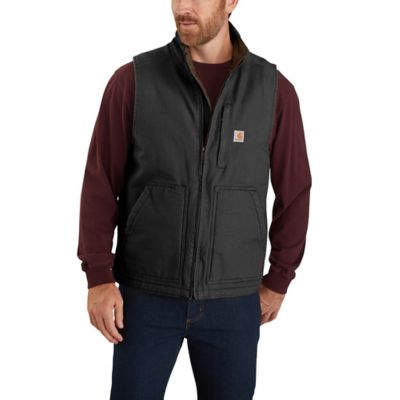
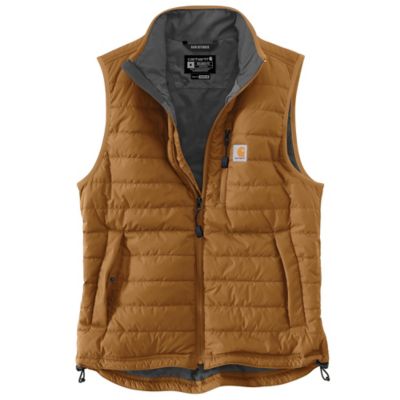
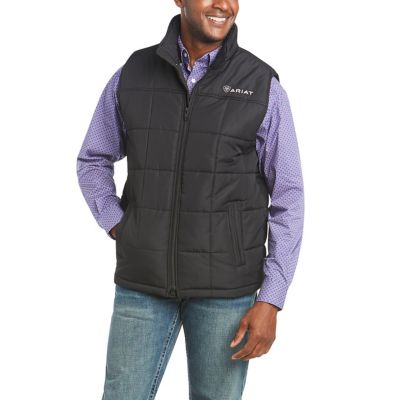
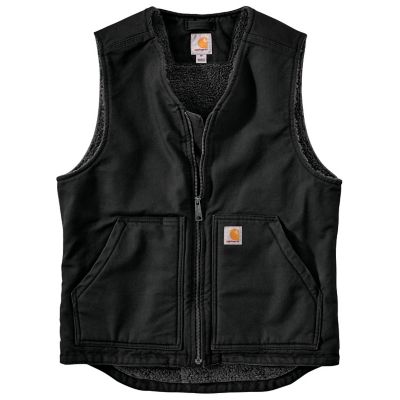
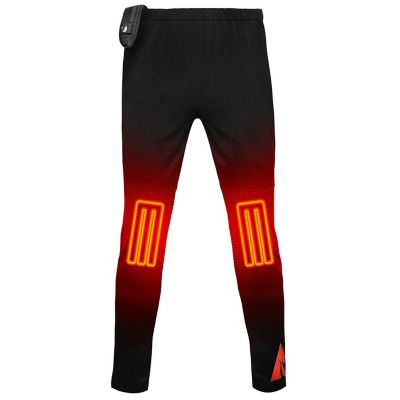
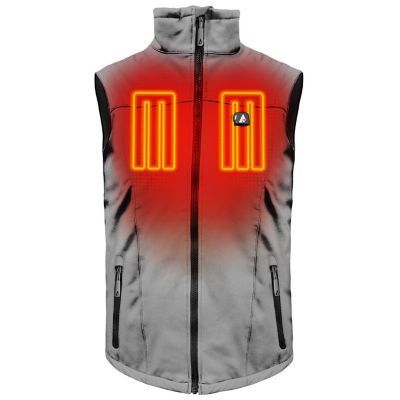
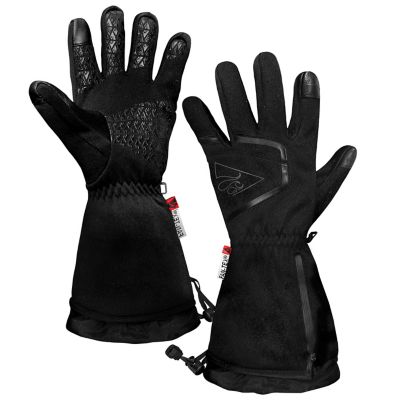
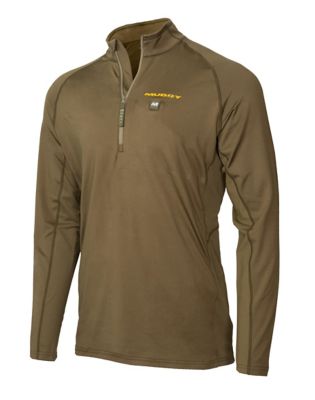
Men’s heated clothes help take the bite out of cold mornings, windy jobsites and long stretches outdoors. These garments have built-in heating elements, often made with carbon fiber, that warm key areas such as the chest, back, shoulders or hands. A rechargeable battery powers the system, and a button or control lets you choose from several heat settings. Lower settings are suited to everyday chores and commutes, while higher settings can bring welcome warmth when you are standing still in a deer blind, checking fences before sunrise or waiting along the sidelines. Battery run time varies by garment, battery size, temperature setting and outside conditions, with many options providing roughly three to 10 hours of warmth on a charge. In cold weather, batteries can lose power more quickly, so it helps to keep a charged spare nearby when you will be away from an outlet for most of the day. Some garments connect to a standard 5V USB power bank, while others rely on dedicated 7.4V or 12V lithium-ion batteries. Check the product details before buying to confirm the battery style, charging method and whether the battery is included. A vest offers core warmth without adding much extra weight beneath a coat, making it a handy layer for driving a tractor, loading feed or walking through chilly barns. A heated jacket or hoodie provides broader coverage when wind and cold reach through several layers. Heated base layers fit close to the body and can slide beneath work shirts, coveralls or everyday outerwear. Gloves, socks and other heated accessories can add warmth to hands and feet, which often feel cold first during long hours outside. When comparing men’s heated clothes, look at the placement and number of heating zones, the range of temperature settings, the fit and the shell material. A wind-resistant outer layer can help hold in warmth during open-field work, while a lighter layer may be more comfortable for active tasks. Make sure sleeves, cuffs and hems allow natural movement, especially if you will be climbing into equipment, handling tools or reaching overhead. A vest should sit close enough for the heating elements to work well, but leave room for a shirt or light sweater underneath. Pay attention to pocket space, zipper placement, hood design and controls that are easy to reach while wearing gloves. For more options focused on core warmth, browse
Men's Heated Vests.
Men’s heated clothes can fit into a wide range of cold-weather routines. Farmers and ranch hands may appreciate extra warmth during early chores, when frost covers the gates and metal handles feel icy to the touch. Construction crews, utility workers, delivery drivers and outdoor staff can benefit from a heated layer during pauses between tasks, especially when a steady breeze makes the air feel colder than the thermometer suggests. Hunters, anglers, campers and fans at outdoor events may also find heated garments helpful when much of the day is spent sitting or moving at an easy pace. They can make thoughtful gifts for a father, husband, brother, son, coworker or friend who spends time outside, particularly someone who already has plenty of regular cold-weather gear but wants added comfort on the coldest days. Before wrapping a garment as a gift, check the recipient’s usual size and consider whether he prefers a vest, jacket, hoodie or close-fitting base layer. A person who works hard and works up body heat may favor a lighter vest, while someone who spends hours standing still may prefer broader coverage and more heating zones. Care matters, too. Always remove the battery before washing, follow the garment’s care label and place the item in a mesh laundry bag when recommended. Do not submerge a battery or charger, and let the garment dry fully before reconnecting any power source. Store the battery according to the manufacturer’s directions, away from heat and moisture, and charge it before an extended outing. For the best comfort, pair heated clothing with a sensible layering system: a moisture-managing shirt next to the skin, a warm middle layer when needed and an outer layer that blocks wind or light precipitation. Avoid bunching fabric over the heating elements, and keep the controls accessible so you can lower the setting as activity increases. Think about where the garment will spend most of its time, how long you will be outdoors, access to charging and the amount of movement involved. The right men’s heated clothing can help make frosty chores, back-road commutes and cold outdoor work feel more manageable from early fall through the cooler months.