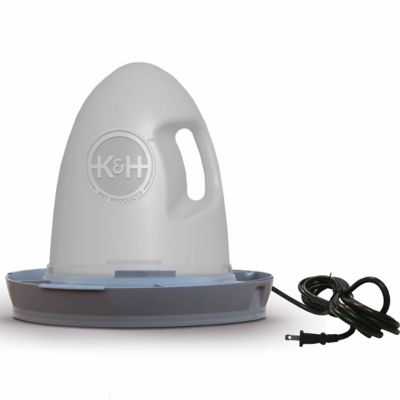
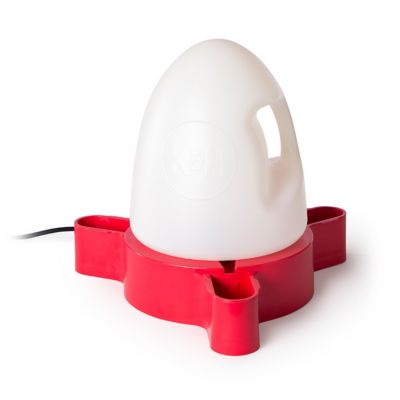
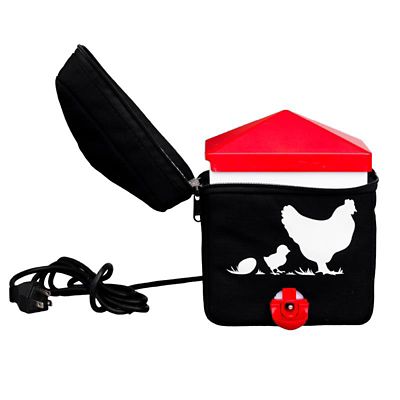
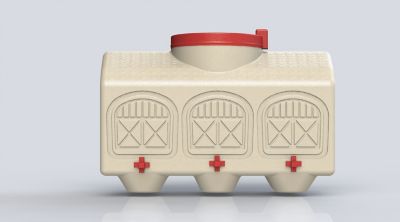
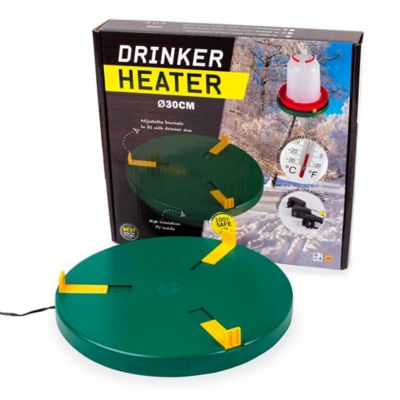
Heated poultry waterers help keep drinking water from freezing so chickens and other poultry can drink when temperatures fall below freezing. Depending on their design and the birds they’re intended for, these waterers can serve backyard laying flocks, small homesteads, and farm poultry pens. Their job is to keep water accessible, not to heat the coop or make drinking water hot. Many designs have thermostatic controls that turn the heating element on when temperatures drop, although operating limits vary. A waterer’s rated temperature range matters, especially in an exposed run where wind can pull heat away faster than it does inside a sheltered space. For a flock keeper heading out before daylight, liquid water at the drinking edge means less time breaking ice and hauling replacement water across a frozen yard. It also gives birds access to a basic part of their daily care between chore rounds. Tank capacity, drinking access, and placement all affect how well a waterer fits that routine. A larger reservoir may stretch the time between refills, but it also weighs more when full and needs enough room for lifting, carrying, and cleaning. Several hens gathering after the coop door opens need room to drink without crowding one narrow spot. A mixed flock brings other considerations: A drinking height that suits full-grown chickens may be out of reach for smaller birds, and a waterer intended for chickens may not suit ducks or turkeys. Ducks need drinking arrangements that let them dip their bills and clear their nostrils, so the shape and depth of the drinking area deserve close attention. Heated poultry waterers work best as part of a setup matched to the flock, with enough access points, a suitable capacity, and a location that birds can reach easily throughout the day. Water consumption can vary with flock size, feed, and laying activity, so capacity alone doesn’t replace a regular look at the water level and the birds’ drinking habits.
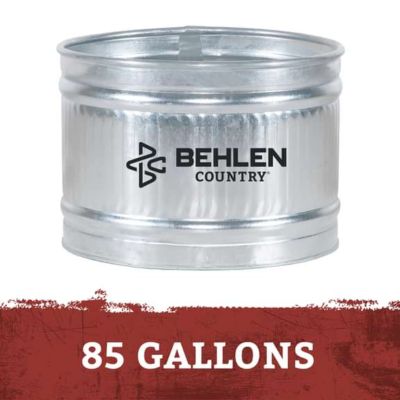
Construction makes a difference in both everyday handling and the way a heated poultry waterer fits into a pen. Plastic reservoirs can make carrying and checking water levels easier, depending on their shape and opacity, while metal designs offer a different balance of weight, handling, and resistance to bumps around the coop. Smooth interior surfaces, accessible openings, and parts that come apart for cleaning are practical features when bedding dust and feed collect around a drinking tray. Built-in heating systems and separate heated bases also call for different setups. A heated base needs a waterer with the material, bottom shape, and dimensions specified by its manufacturer; a base intended for a metal container should not be paired with plastic unless the directions expressly allow it. An integrated heated waterer brings the reservoir and heating components together, but its filling method, cord location, and access for cleaning still matter. A top-fill opening can change the lifting involved in refill chores, while a bottom-fill design may require turning the container over and securing the base before setting it back in place. Secure handles and snug connections help when carrying a full reservoir from a utility sink to the coop. Electrical requirements deserve the same attention as capacity and materials. A heated waterer needs a suitable power source, GFCI protection, and an installation that follows its instructions and applicable electrical requirements. Cords and connections belong out of standing water and away from pecking, scratching, and foot traffic. Placement should keep the waterer stable without crowding birds against walls or putting electrical components beneath a dripping roof edge. Wattage indicates electrical demand, but it does not tell the whole story about freeze protection; design, exposure, and the manufacturer’s operating limits matter too. Models with drinking nipples or valves need particular attention to whether those parts remain functional within the stated temperature range, since water in the reservoir can stay liquid while an exposed drinking point freezes.
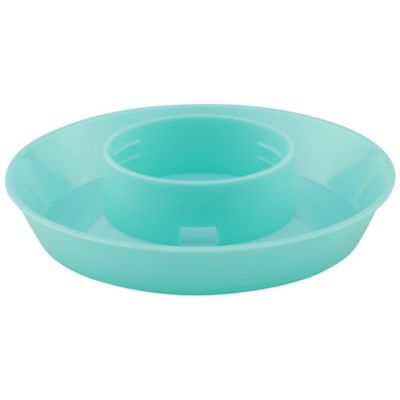
Day-to-day care is still part of owning a heated poultry waterer, even when the heater takes ice breaking off the chore list. Warm components do not keep water clean, and a full tank can hide a dirty tray or a blocked drinking point. Chickens scratching through shavings can kick bedding into an open trough, while ducks can muddy a drinking area in short order. A stable position at an appropriate height can help limit contamination without making birds stretch or struggle to reach the water. Removable trays, broad openings, and manageable tank sizes make the cleaning side of flock care less cumbersome. Before cleaning or handling heating components, disconnect the power and follow the manufacturer’s directions for cooling, draining, and washing. Electrical parts should never be submerged unless expressly designed for it, and cleaning agents need to be appropriate for poultry drinking equipment, followed by thorough rinsing as directed. Mineral buildup, damaged cords, loose fittings, and leaks are worth watching for during routine checks. Water levels also matter because some heaters must remain covered by water and should not run dry. For barns with several animal areas,
Automatic Livestock Waterers address another part of the watering routine, but automatic refilling and freeze protection are separate features; neither should be assumed from the other. A heated poultry setup may still need hand filling, and an automatic system may need additional provisions for freezing conditions. That distinction helps match equipment to the actual work, whether the routine involves a few hens near the house or several pens farther down the lane. A power outage can interrupt heating, so a backup watering plan remains important. The right fit comes down to accessible drinking water, flock-appropriate dimensions, a safe electrical setup, and components that can be cleaned and checked without turning a simple chore into a wrestling match.