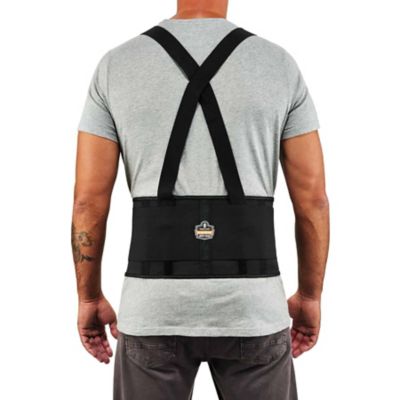
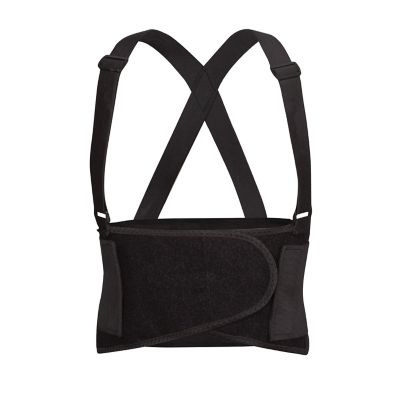
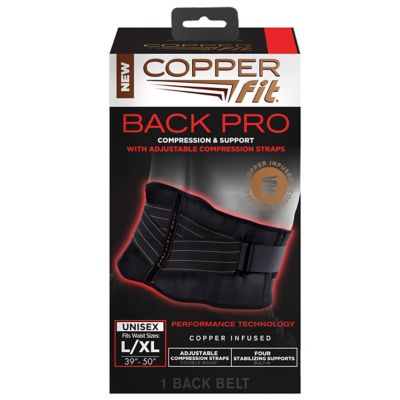
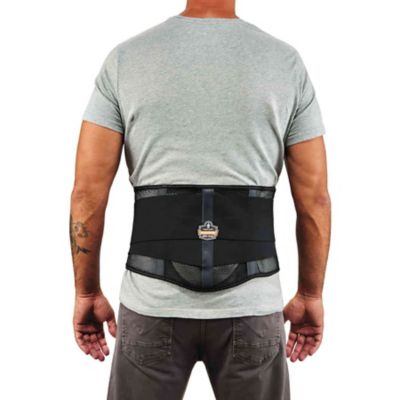
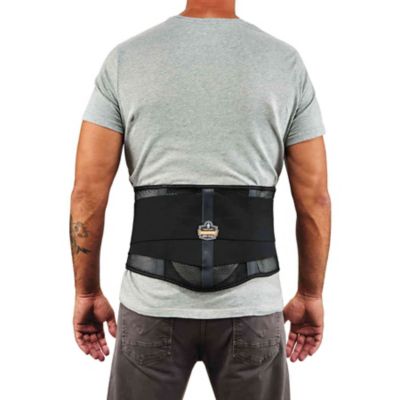
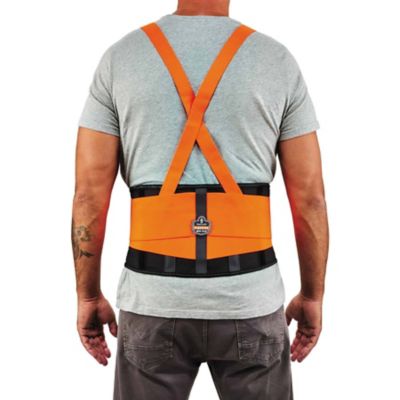
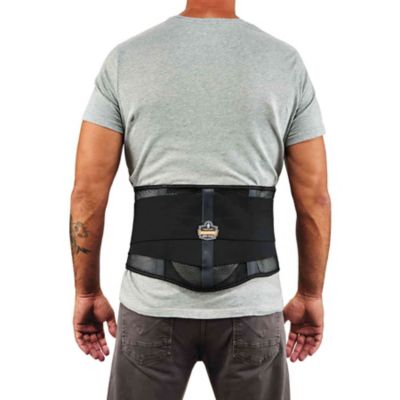
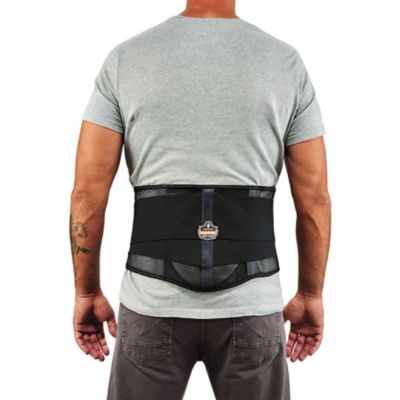
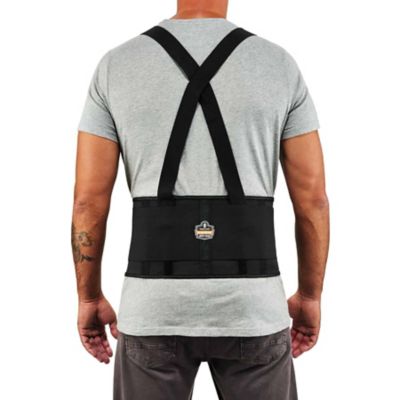
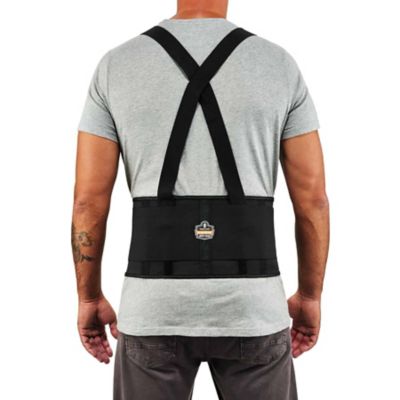
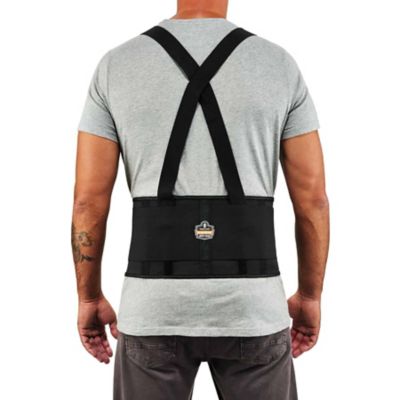
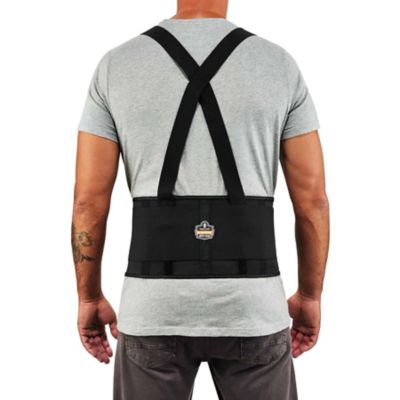
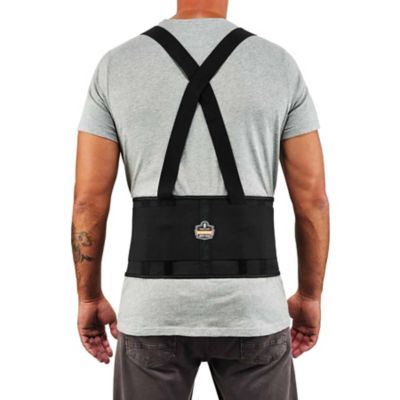
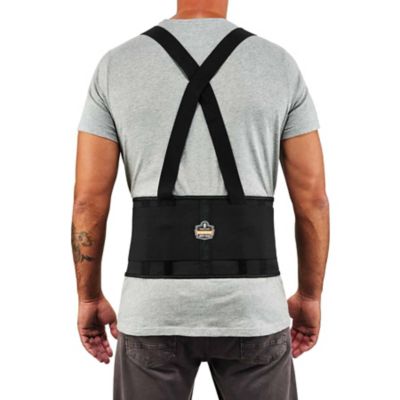
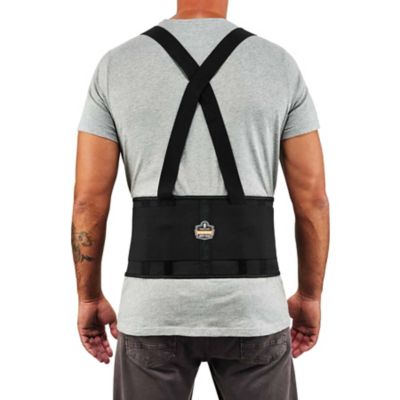
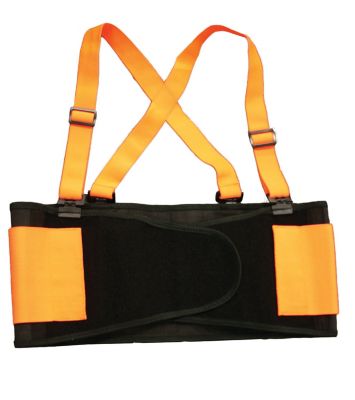
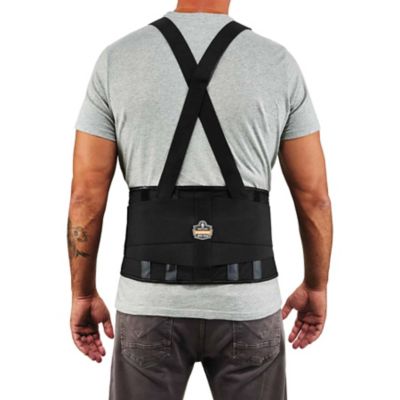
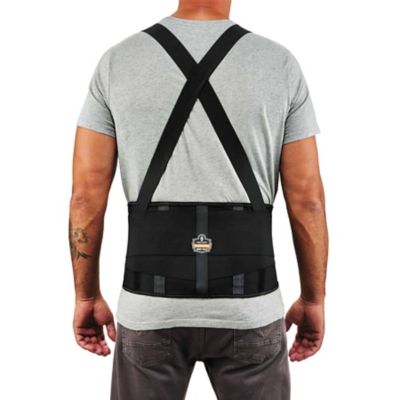
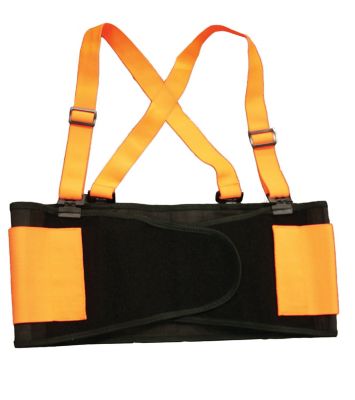
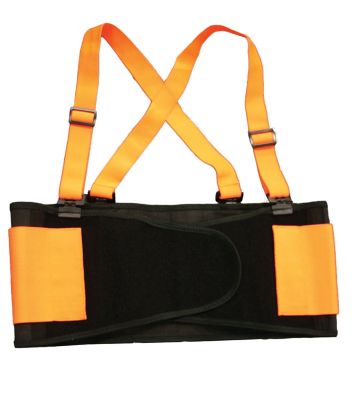
Back support for workers includes belts and braces worn around the lower torso to provide a snug feel during everyday tasks. For farmhands, warehouse crews, landscapers, tradespeople and others whose jobs involve handling materials, the main considerations are fit, freedom of movement and compatibility with the work itself. A belt may provide a physical reminder to pay attention to posture and lifting habits, but it does not make a heavy load safe or increase how much someone can lift. Evidence does not establish that workplace back belts prevent back injuries, so their role is different from equipment designed to protect against a specific hazard. Moving feed sacks, sorting supplies at a workbench and unloading a delivery all put different demands on the body, and no single belt design suits every task. Broad lower-back panels, adjustable closures and flexible side sections are common features within this category. Some designs wrap around the waist, while others include shoulder straps that help keep the belt in position. Those straps hold the support up; they are not lifting handles or fall-protection equipment. A low-profile shape may be easier to wear beneath a work shirt, while a wider panel creates more contact around the lower torso. Neither shape is automatically better. What matters is whether the support stays in place without digging into the ribs, pressing against the hips or getting in the way when sitting, walking and reaching. A worker stepping in and out of a truck needs to consider seated comfort as well as standing fit. Someone sorting parts at a bench may care more about clearance at the waist when leaning toward the work surface. Back support belongs alongside sensible task planning, lifting equipment and help from another person when a load calls for it—not in place of those measures.
Materials and construction influence how a work back support feels throughout ordinary movement. Elastic panels allow some stretch, while woven sections can give the belt more structure. Mesh panels allow airflow, and smooth edging can help limit rubbing where the support meets clothing or skin. Some braces contain flexible stays that help the back panel hold its shape rather than bunching or rolling. The number of stays or the stiffness of a panel does not, by itself, tell how comfortable a brace will be or whether it is appropriate for a particular person. A firmer feel may appeal to one worker and feel restrictive to another, especially during tasks that alternate between standing and sitting. Closure design matters, too. Wide hook-and-loop fastening areas offer room to adjust the fit, while secondary pull straps on some designs let the wearer change tension after securing the main belt. A snug fit should still allow normal breathing and the movements required for the job. Tightening a belt as much as possible is not a substitute for choosing the right size. Sizing can depend on measurements taken at the waist or another point around the torso, so the manufacturer's chart matters more than the number on a pair of jeans. Whether the support is intended to sit over clothing or against the body also affects fit. For a broader look at supports with fit adjustments,
Adjustable Supports offers a related category to explore. When comparing styles, consider how the closure lines up, how much adjustment remains and whether the panel stays flat during normal movement. Tool belts, coveralls and other work gear can crowd the same space around the waist. A support should not block access to required equipment, interfere with a safety harness or introduce loose straps near moving machinery. Compatibility with workplace rules and required protective equipment comes before personal preference.
Regular care and attention to wear help keep a back support functioning as intended. Feed dust, sawdust, lint and grit can collect in fastening surfaces, making a closure harder to secure. Sweat and everyday soil can also build up in fabric panels, particularly when a support is worn close to the body. Cleaning directions vary by material and construction: some supports call for hand washing, while others permit machine washing under specified conditions. Following the care label, securing closures before cleaning when directed and letting the support dry fully help protect its shape and fastening surfaces. Strong cleaners, bleach and machine drying may damage certain fabrics or elastic, so those choices depend on the manufacturer's instructions rather than guesswork. Between wearings, a clean, dry storage spot keeps the support away from oil, sharp tools and other things that could damage it. Frayed stitching, bent or exposed stays, elastic that no longer recovers and closures that repeatedly slip are signs that the support needs attention or replacement. A belt that creeps upward every time someone sits down may also need a fit adjustment or a different shape rather than more tension. Comfort should remain part of the decision throughout wear, not just during the first fitting. Pinching, numbness, skin irritation or increased pain are reasons to stop wearing the support and reassess the fit, with medical advice when symptoms persist. Workers with an existing back condition, a recent injury or instructions from a healthcare professional should choose support according to that guidance; a general work belt is not interchangeable with a prescribed brace. Wear time likewise depends on the product directions, the task and any individual medical advice. Around the barn, shop or loading area, practical back care still starts with keeping loads manageable, keeping the path clear and bringing in a cart, hoist or another set of hands when needed. A well-fitting support can be one part of a work routine, but it cannot take the strain out of an awkward lift or replace a safer way to move the load.