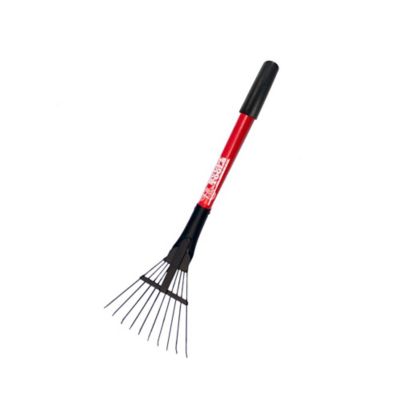
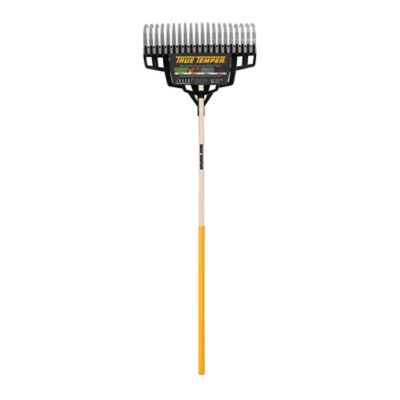
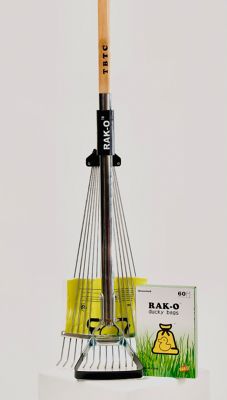
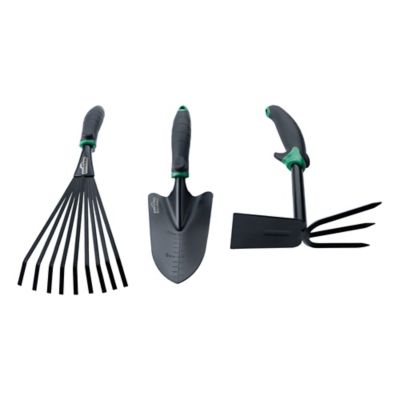
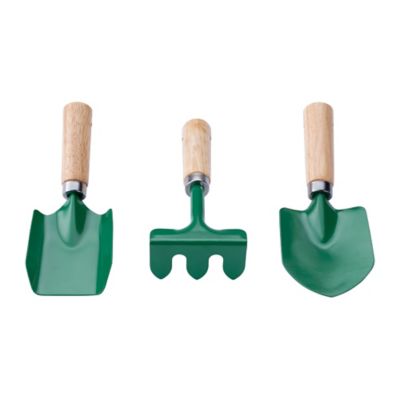
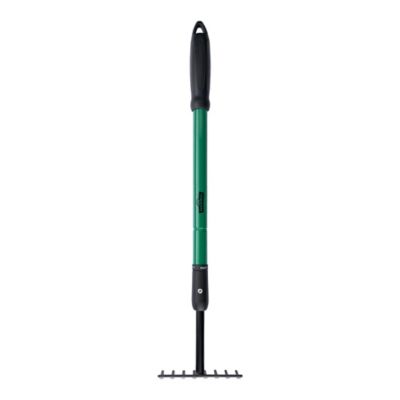
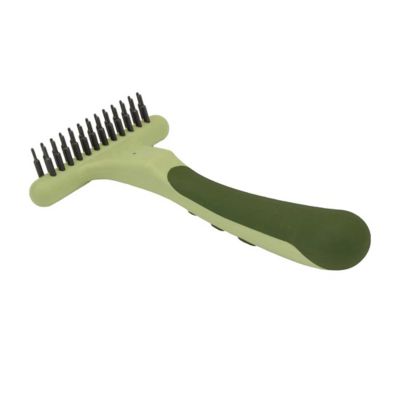
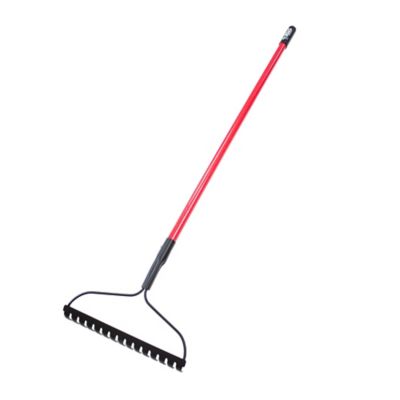
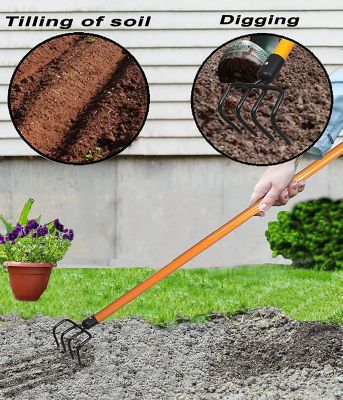
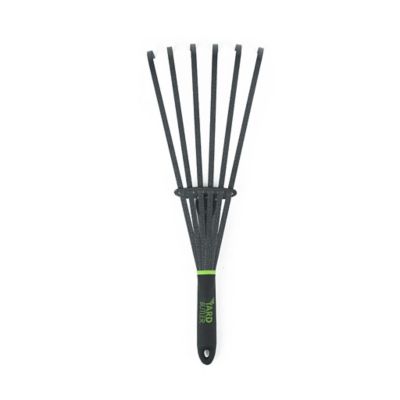
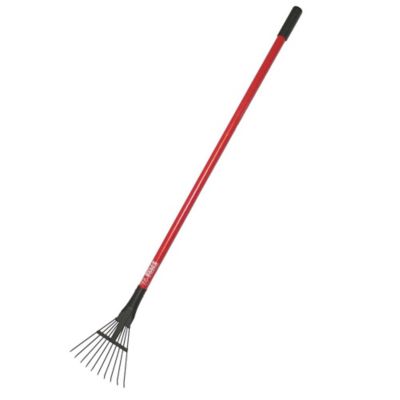
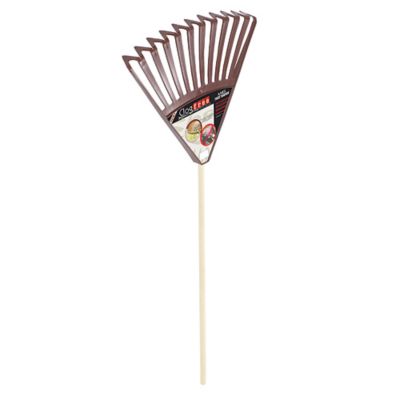
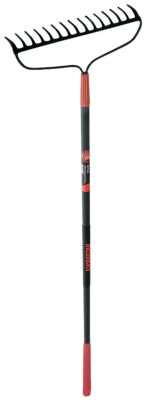
Small rakes are handy tools for the jobs that are too close, too delicate, or too cramped for a full-size leaf rake. Their compact heads can slip beneath shrubs, between garden rows, around raised beds, and along fence lines where larger tools tend to catch on branches or disturb the soil. They are useful for gathering leaves, grass clippings, pine needles, mulch, and other light yard debris, but they also come in handy for loosening the top layer of soil, spreading material in a planter, or tidying up after pulling weeds. A narrow shrub rake is often a good fit for reaching under bushes and around flower beds, while a short-handled hand rake gives you more control when working close to seedlings or in a small garden box. Adjustable mini rakes can offer a little more flexibility, allowing the head to open for broader coverage or narrow down for tight spaces. These tools are especially useful during the changing seasons, when leaves collect in garden corners and plant beds even after the open lawn has been cleared. Anyone who has tried to pull damp leaves from beneath a rose bush with a full-size rake knows how quickly the job can turn into a tangle of bent tines and snapped stems. A small rake makes it easier to work carefully, one section at a time, while keeping nearby plants in good shape. They are a practical choice for homeowners, gardeners, landscapers, grounds crews, and anyone who takes care of a homestead or country property. They can also make a thoughtful gift for a new homeowner, a beginning gardener, a child learning to help in the yard, or a seasoned grower who appreciates having the right-sized tool close at hand.
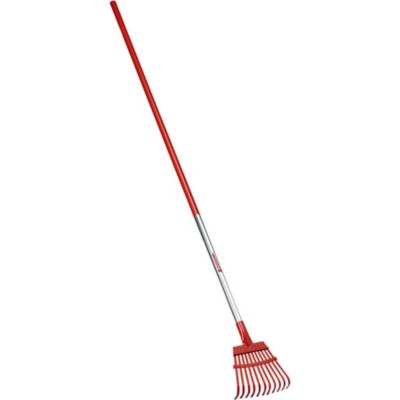
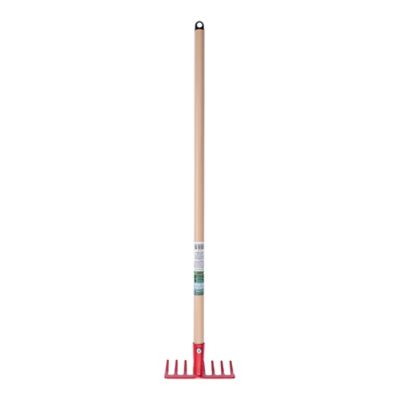
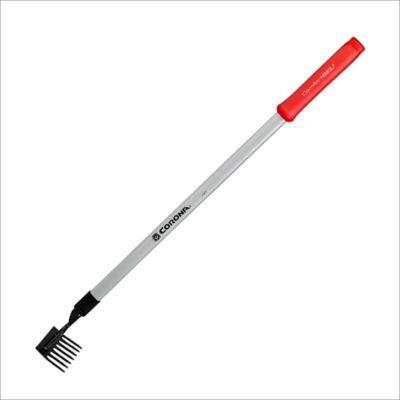
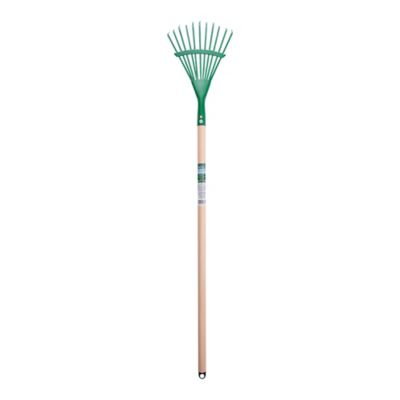
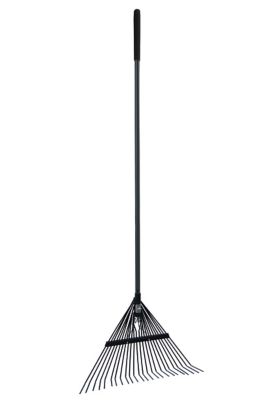
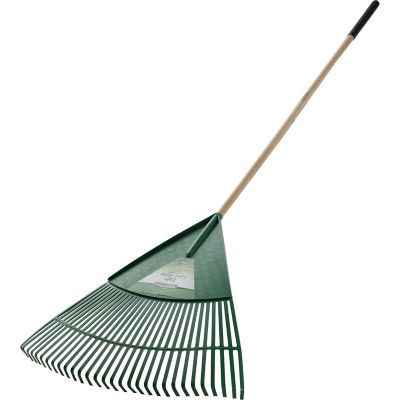
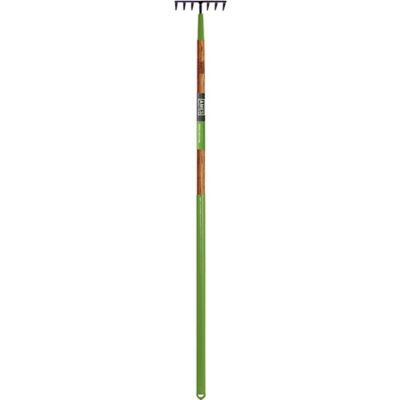
When choosing among small rakes, start by thinking about the material you plan to move and the spaces where the rake will be used. Flexible poly or plastic tines are lightweight and gentle, making them well suited to dry leaves, loose mulch, flower beds, and light cleanup around tender plants. They generally glide over the surface without scraping as aggressively, which can help protect shallow roots and fresh growth. Steel tines are a better match for heavier debris, compacted soil, thatch, and repeated use around a larger property. They may also provide more bite when you need to pull material from grass or loosen a thin crust on the surface of a bed. A rake head measuring roughly 6 to 8 inches wide is narrow enough for shrub borders and tight planting spaces, while a slightly wider adjustable head can cover more ground when you are cleaning up open beds or patios. Pay attention to the handle, too. Short handles are convenient for close-up work and allow you to guide the tool with one hand, but a longer or telescoping handle can reduce bending when you are clearing debris from the ground. Fiberglass handles are valued for durability and resistance to weather, while wood handles have a familiar feel and can be comfortable for lighter garden work. Look for a secure connection between the head and handle, smooth edges that will not snag gloves or clothing, and a grip that feels steady without being bulky. Weight matters as well; a very light rake is easy to carry through a long cleanup, while a heavier steel model may feel more balanced when breaking through stubborn material. If you are comparing colors for a garden tool collection,
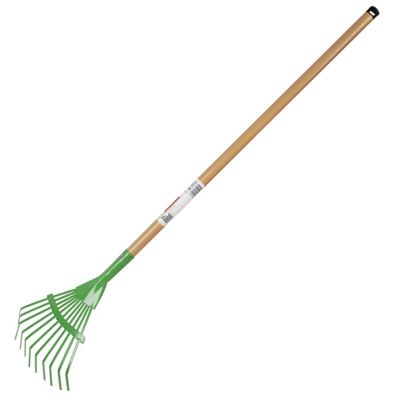
Green Rakes can blend naturally with outdoor surroundings and are easy to group with other lawn and garden tools. Consider where the rake will be stored between uses, since a hanging hole, compact profile, or telescoping handle can make a real difference in a crowded shed, barn, or garage.
Small rakes are at their best when used with a light touch and a little patience. Pull the tool toward you in short strokes instead of forcing it through a dense pile, and lift debris into a bucket, garden cart, or tarp as you go. Around shrubs, guide the tines underneath loose leaves while keeping the handle low enough to avoid scraping branches. In vegetable beds, rake only the surface and work around plant stems rather than dragging across the entire row. A hand rake can help break up small clumps of soil before planting, smooth the top of a container, or pull out shallow weeds after the ground has softened from rain. During the warmer part of the year, it can gather grass and dried plant material from porch edges, raised beds, and paths; as cooler weather settles in, it becomes useful for clearing fallen leaves before they mat down and hold moisture against plants. After use, shake or brush off damp debris, rinse away soil when needed, and let the tool dry before putting it back in storage. Wipe steel parts occasionally to help guard against rust, especially if the rake is used in wet beds or stored in an unheated shed. A small rake is easy to overlook until a tight cleanup job comes along, but keeping one near the garden, greenhouse, chicken yard, or back steps can save a surprising amount of time. It gives experienced gardeners a precise way to finish the edges and gives new gardeners a manageable tool for learning how to care for soil and plants. With the right tine material, head width, handle length, and overall weight, a small rake can become one of those dependable everyday tools that earns a permanent place beside the shovel and garden hose.