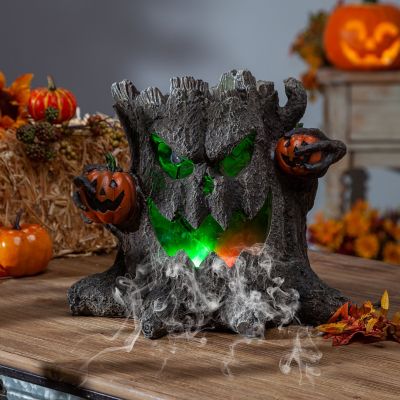
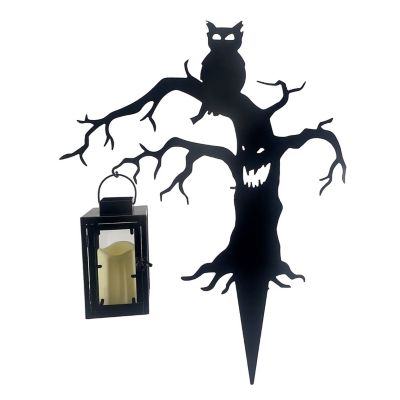
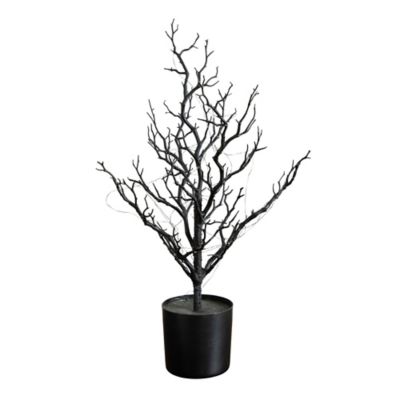
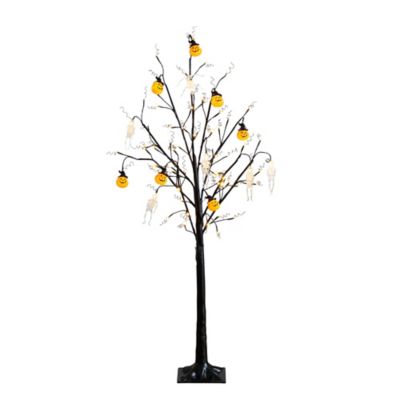
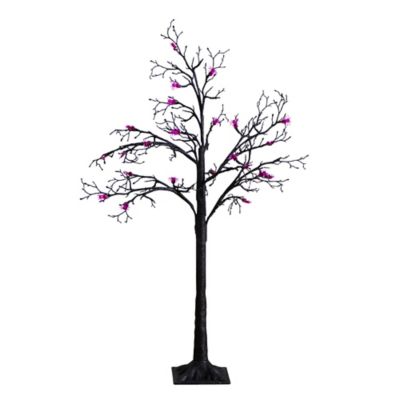
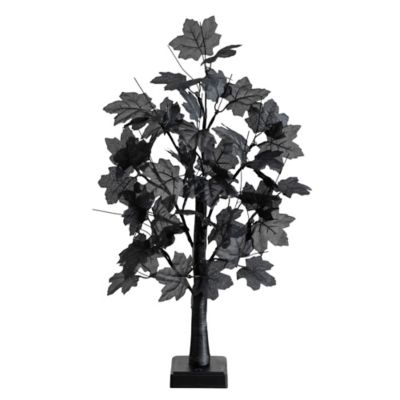
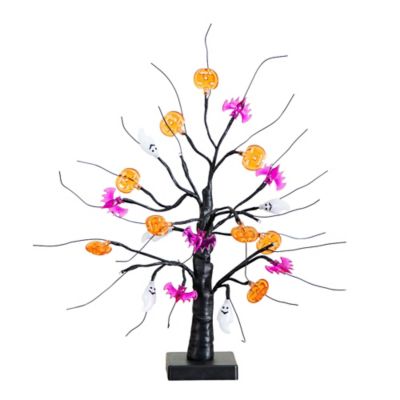
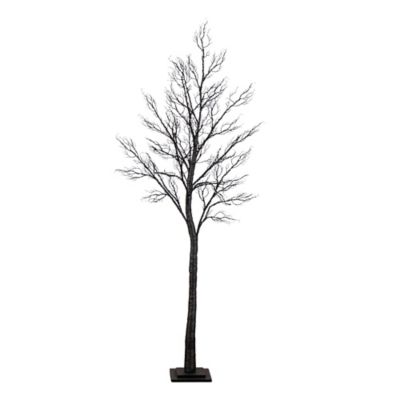
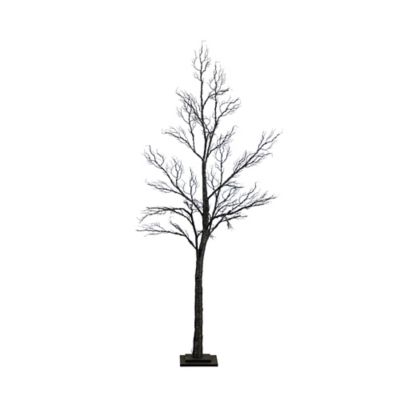
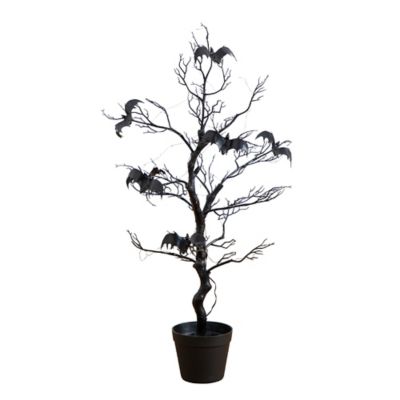
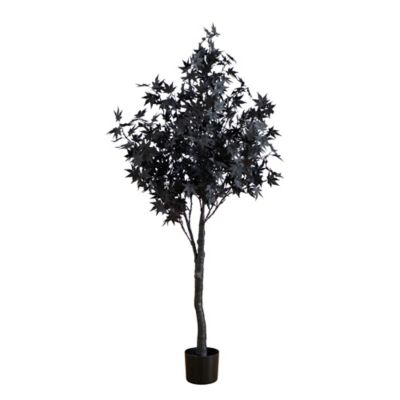
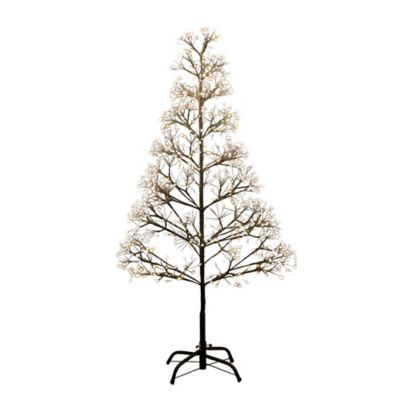
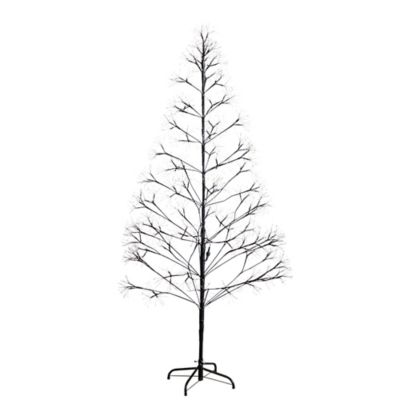
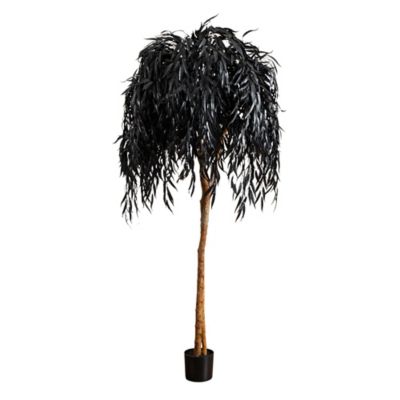
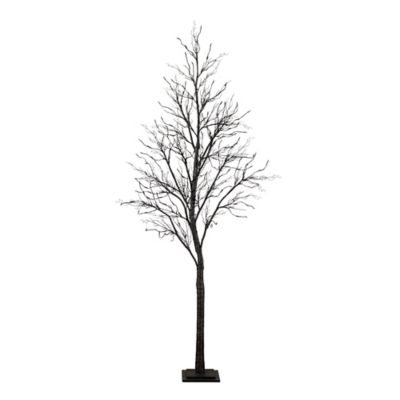
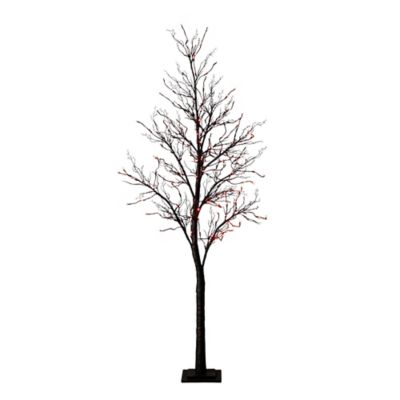
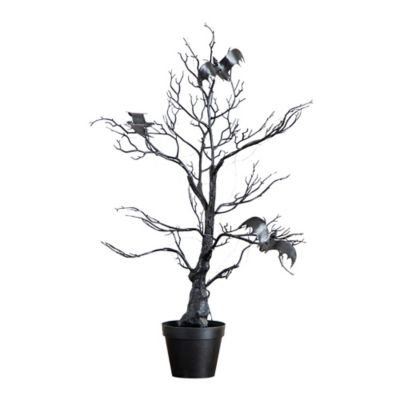
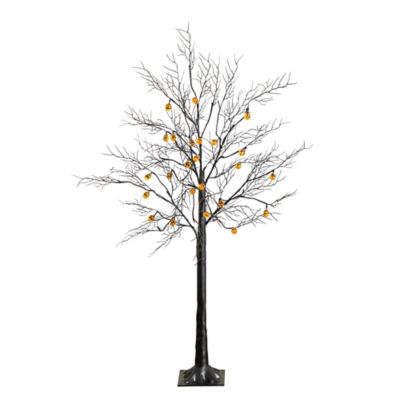
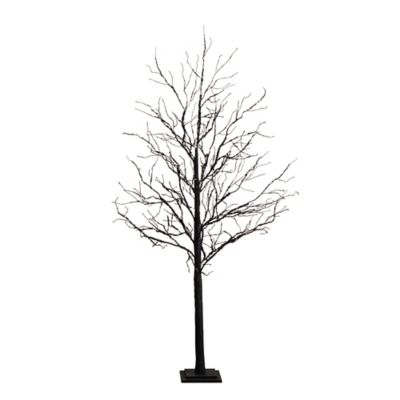
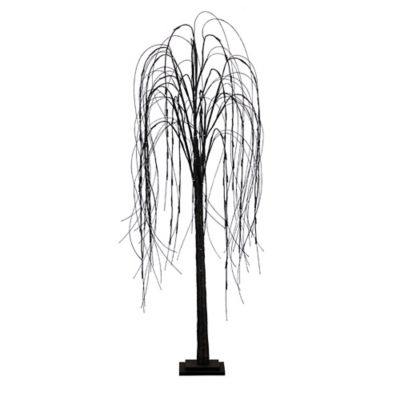
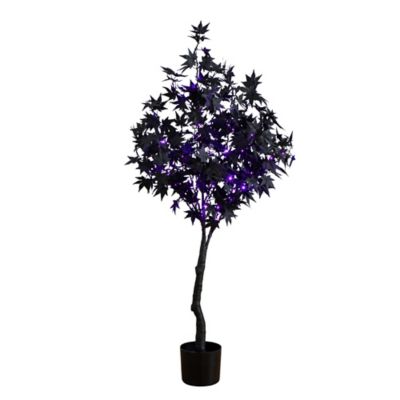
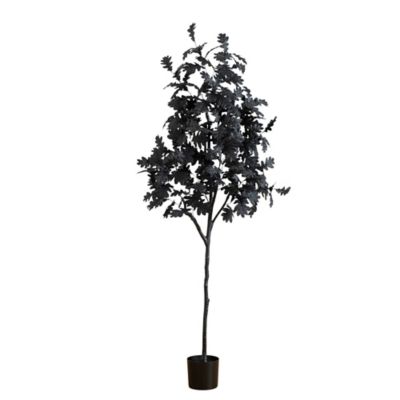
Haunted trees bring together old folklore, Halloween fun and the kind of front-yard display that makes folks slow down as they pass by. In legends from around the world, certain trees have earned a spooky reputation because of their lonely setting, unusual shape or connection to a long-told mystery. New Jersey’s Devil’s Tree, for example, is said to be a cursed oak surrounded by stories of bad luck and strange weather. England’s New Forest has its own Hangman’s Tree, while the Wych Elm in Worcestershire became part of an unsolved mystery after human remains were discovered inside its hollow trunk. The details of these tales have changed over time, as legends often do, but the common thread is easy to recognize: a twisted tree standing by itself, dark branches reaching across the sky and a little mystery hiding beneath the bark. That same look has become a favorite for seasonal decorating. A haunted tree decoration can turn a porch, driveway, garden bed or barn entrance into a shadowy scene without requiring a lot of complicated setup. Some shoppers choose a bare, crooked silhouette for a quieter old-woods feeling, while others look for a more dramatic display with glowing eyes, a carved face, dangling limbs, eerie sound effects or gentle movement. These decorations work well on their own, but they can also serve as the tallest piece in a larger Halloween arrangement. Place one near a walkway with weathered signs, faux tombstones, lantern-style lighting or other
Haunted House Props to create depth and guide visitors through the display. Even a simple tree can look surprisingly convincing when it is positioned where its shadow falls across a wall or driveway after dark.
Before choosing a haunted tree, take a careful look at the space where it will stand. Measure the available height and width, and remember to account for branches, movement and the reach of any base or support pieces. A towering decoration may look just right beside a two-story home or at the entrance to a long drive, while a smaller tree can fit neatly on a porch, beside a garage or near a covered entry. For outdoor use, check the construction and follow the care instructions closely. Weather can shift quickly during the cooler months, so sturdy stakes, tie-downs and a level surface are especially important when a decoration will be exposed to wind. Keep electrical connections raised off wet ground, use outdoor-rated extension cords when needed and protect plugs with appropriate weather covers. If the display includes lights, sound or moving parts, make sure there is a nearby power source and enough cord length to avoid pulling on connections. Battery-powered designs can be handy in a garden bed or at the end of a walkway where power is not easy to reach. Consider the volume and motion, too. A softly lit tree may suit a quiet rural porch, while a talking or animated design can add energy to a busy Halloween gathering. Families with young children may prefer rounded edges, secure attachments and gentle effects, while households with pets should avoid loose cords, small detachable pieces and flashing lights that may startle animals. A good haunted tree should be easy to assemble, steady once in place and simple to take down when the season passes. Save the original packaging if possible, let fabric or foliage dry completely before storage and keep the decoration in a dry area away from pests, dampness and sharp tools.
Haunted trees make a memorable choice for people who enjoy decorating with a little character rather than relying only on traditional pumpkins and orange lights. They suit the Halloween fan who goes all in on a front-yard scene, the country homeowner who wants to give a porch or gate a spooky focal point and the DIY decorator who likes adding handmade details around a ready-to-place centerpiece. They can also be a fun gift for a friend who hosts an annual costume party, a family that enjoys welcoming trick-or-treaters or someone setting up a themed display for a community gathering. When giving one as a gift, consider the recipient’s storage space, decorating style and access to outdoor power. A compact tree may be the better fit for an apartment patio or small porch, while a larger structure makes sense for a roomy yard, farm entrance or event space. Look for details that match the way it will be used: built-in lighting for quick setup, adjustable branches for shaping, a foldable frame for easier storage or weather-resistant materials for repeated outdoor use. During early fall, a haunted tree can be paired with natural touches such as hay bales, dried cornstalks, fallen leaves and rough wood accents, creating a display that feels at home in a country setting. As the weather turns colder, move delicate pieces under cover and bring fabric components indoors before frost or heavy rain. With a little planning, the display can provide plenty of eerie charm through Halloween and then pack away neatly for the next season, ready to bring those crooked branches, hollow-tree mystery and old-fashioned spooky atmosphere back to the yard.