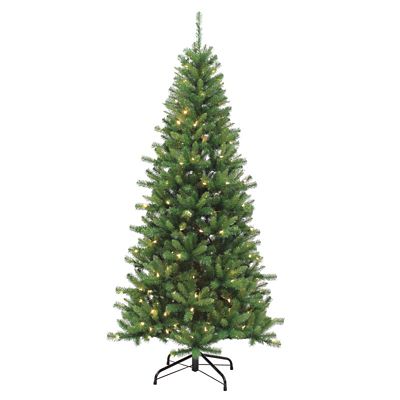
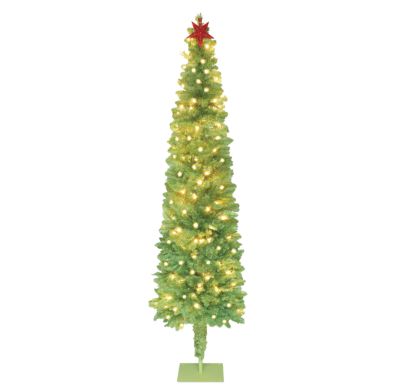
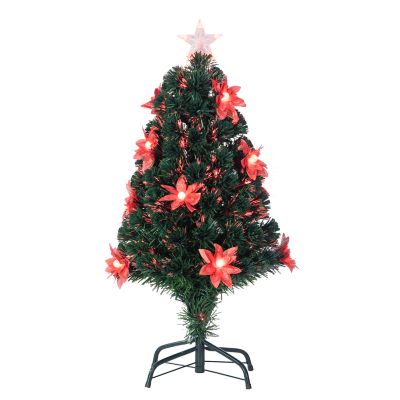
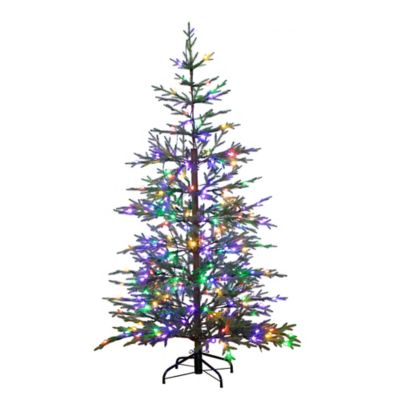
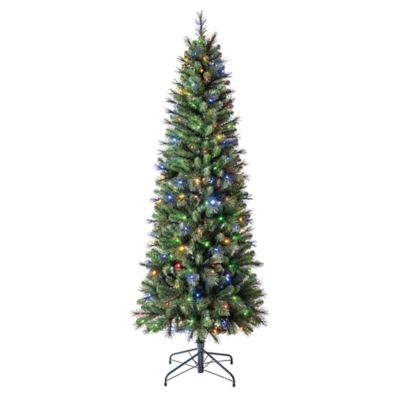
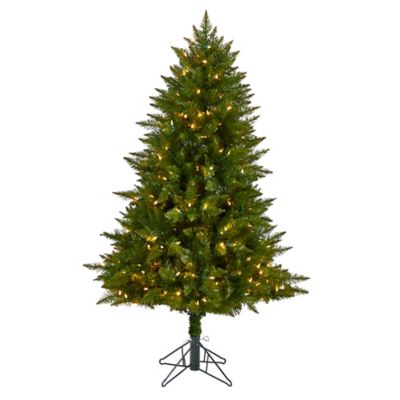
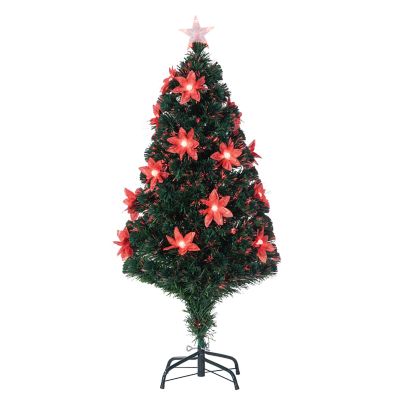
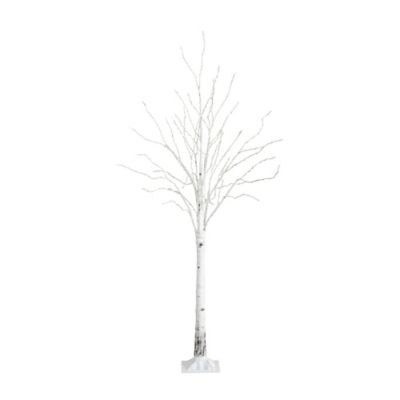
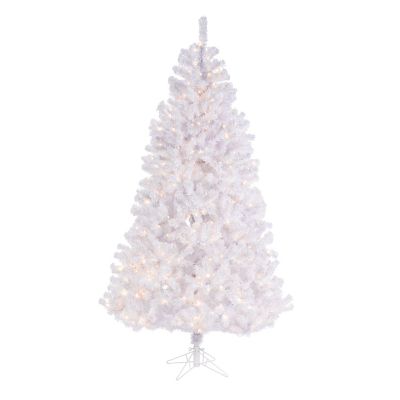
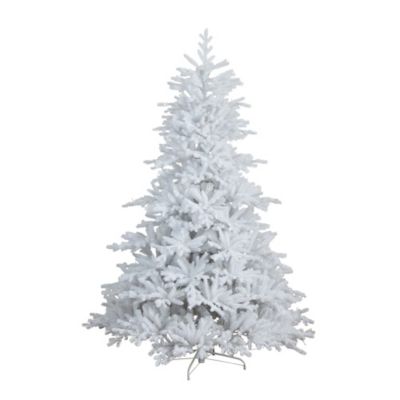
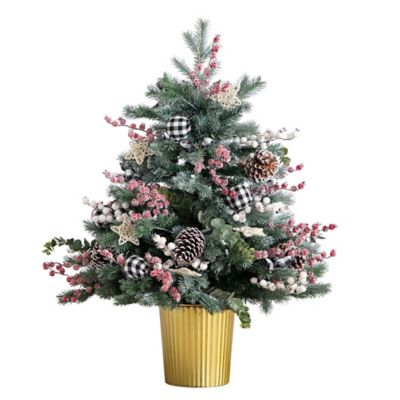
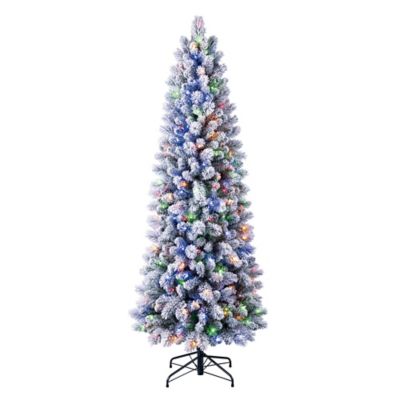
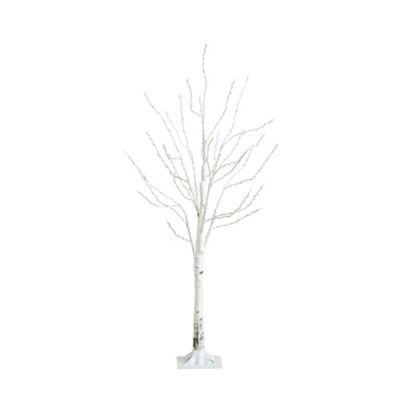
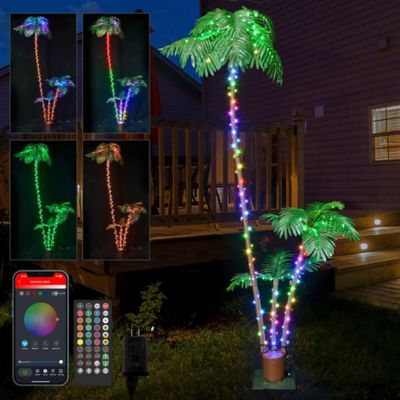
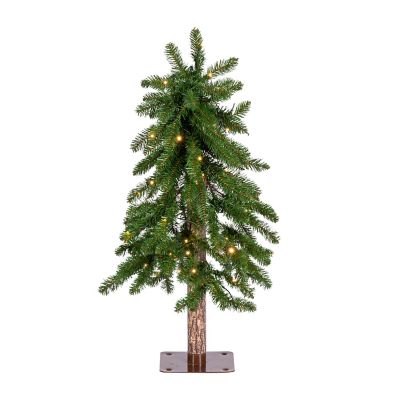
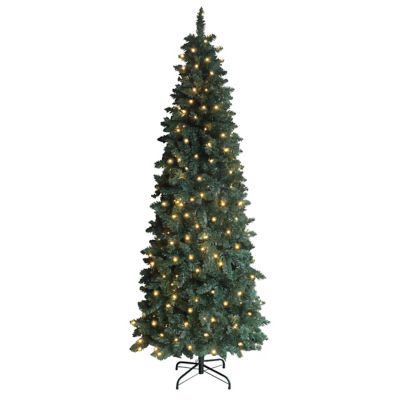
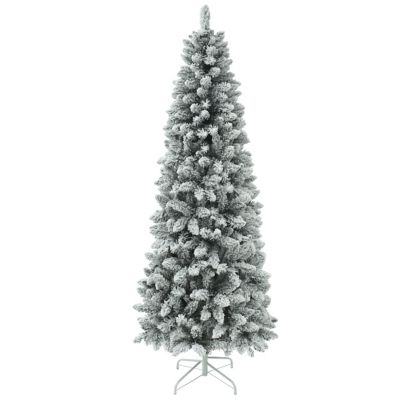
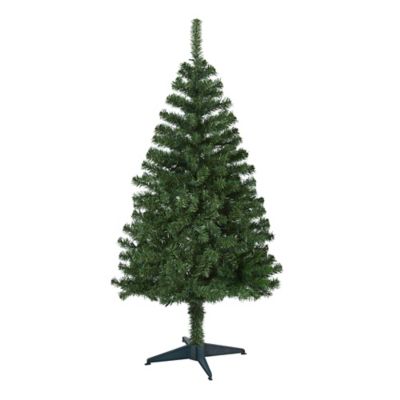
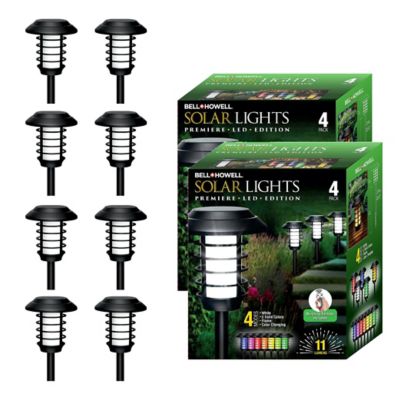
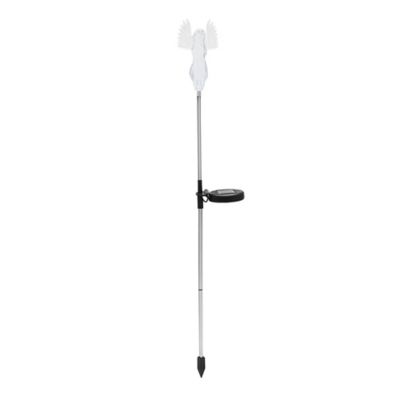
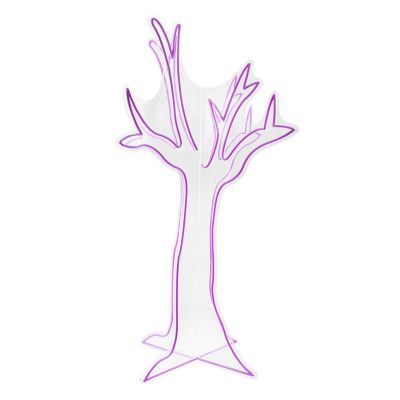
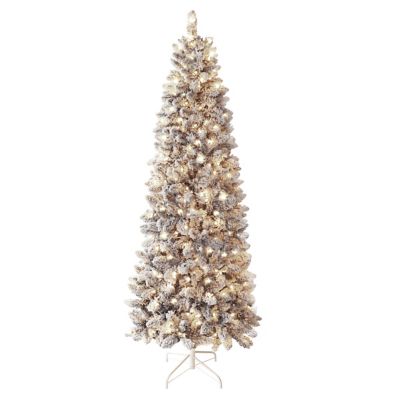
Color changing trees bring a little extra warmth and personality to a porch, living room, entryway, mantel or other spot that could use some seasonal color. Many decorative trees use built-in LED lights that shift between colors or offer several lighting settings, giving you the choice of a soft single-color glow, a brighter multicolor display or a gentle changing pattern. They can help brighten the darker evenings of the cooler months without taking up the floor space of a full-size tree, and their branches often add height and shape to a display even when they are not lit. Place one beside a bench in the mudroom, near a collection of harvest décor or on a covered porch where guests can see it as they walk up. Smaller designs can sit on a side table, shelf or kitchen counter, while taller trees work well beside a doorway, in an empty corner or near a fireplace. For a country home, the warm light of a color changing tree pairs naturally with wood tones, galvanized metal, woven baskets, plaid textiles and other pieces that make a space feel lived-in. A timer can make the display especially handy by turning the lights on around dusk and off later in the evening, while adjustable settings let you keep the look calm and cozy or add a livelier touch for gatherings. Before choosing one, consider the available space, the height of nearby furniture, the location of the outlet and whether the tree will be used indoors, outdoors or only in a protected area. Check the product details for indoor or outdoor ratings, cord length, power source, timer functions and controls. A sturdy base matters on a porch or in a home with pets and children, and a weighted design can help keep branches steady when a door opens or a breeze moves through a covered entry. If the tree will be stored between seasons, look for a shape that can be packed away without bending the branches and choose a storage container that keeps lights and cords from getting tangled.
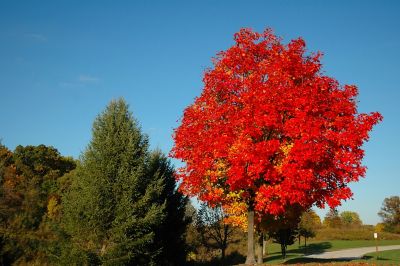
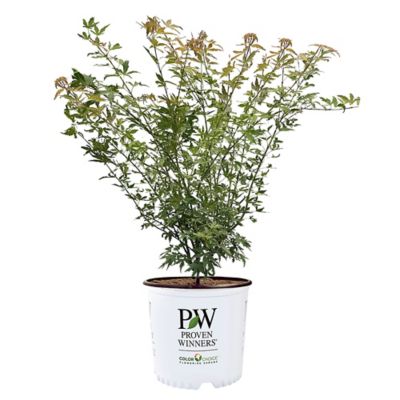
The natural trees that inspire these displays put on their own remarkable color show as the seasons change. During the growing season, chlorophyll gives leaves their familiar green color while helping the tree use sunlight to make food. As days grow shorter and temperatures cool, trees gradually stop producing as much chlorophyll. The green fades, revealing yellow and orange pigments called carotenoids that were present in the leaves all along. Some trees also produce anthocyanins, pigments that can bring out red, crimson and purple shades as sugars remain in the leaves. Weather, sunlight, moisture and the tree’s condition all play a part in how bright the display becomes. A sugar maple may turn a fiery orange-red, a red maple can show brilliant scarlet leaves, an aspen often glows golden yellow, black gum may develop deep red color and oak leaves can shift through brown, russet and red tones. Those natural colors are useful inspiration when arranging a decorative color changing tree. Warm amber, golden yellow and red lighting can echo the foliage outside, while green and blue settings can carry the display into winter with a cooler, more festive feel. If you are shopping for a living tree rather than seasonal décor, pay attention to your growing region, available sunlight, mature height and width, soil drainage and the amount of room for roots. A tree that looks small at planting can become a major part of the landscape over time. Local conditions matter, too; a species that colors beautifully in one area may perform differently where summers, winters or rainfall patterns are not the same. Keep new plantings watered according to local conditions, protect the trunk from damage and give branches enough room to grow without crowding buildings, fences or overhead lines. Whether the color comes from autumn leaves or decorative lights, a well-placed tree can become a familiar marker of the season—the kind of sight that looks welcoming when you pull into the driveway after a long day.
Color changing trees also make thoughtful gifts for people who enjoy decorating but may not have room for a large display. They suit a first home, a cabin, a guesthouse, a screened porch or a family room where everyone gathers as the weather turns cooler. They can be a practical housewarming gift for someone who likes simple seasonal accents, or a cheerful present for a grandparent, neighbor, teacher or host. A lighted tree can also be useful for someone who wants festive color without the work of hanging strands of lights through branches or climbing a ladder to decorate a tall tree. Look for controls that are easy to find and use, especially when the tree will be given to someone who prefers straightforward setup. A remote, foot switch or built-in button may be more convenient than reaching behind furniture, and low-energy LED lights are a good choice for displays that stay on through many evenings. Think about the recipient’s style before selecting a color range: steady warm light fits a quiet reading nook, changing colors add fun to a family room, and a simple neutral setting can blend with everyday décor long after the harvest decorations are packed away. Add a few lightweight ornaments, ribbons or natural accents if the branches are designed to hold them, taking care not to overload the frame or cover the lights. A small grouping of pinecones, faux berries or a few pieces from a collection of
Fall Ornaments can tie the tree into the rest of the room without making it look crowded. Keep electrical connections dry, use outdoor-rated cords and accessories when needed, and follow the care instructions for storage and cleaning. With the right size, lighting options and placement, a color changing tree can move easily from early fall decorating into winter celebrations, then settle into a simple glowing accent whenever the home could use a bit of extra light.