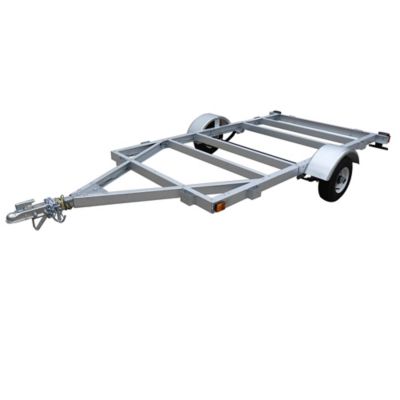
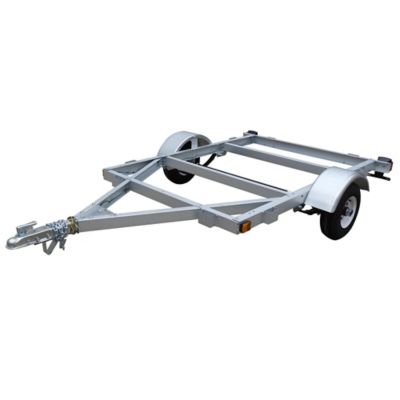
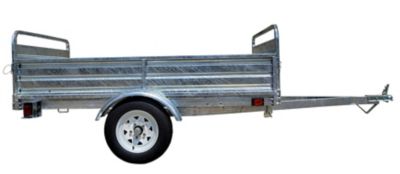
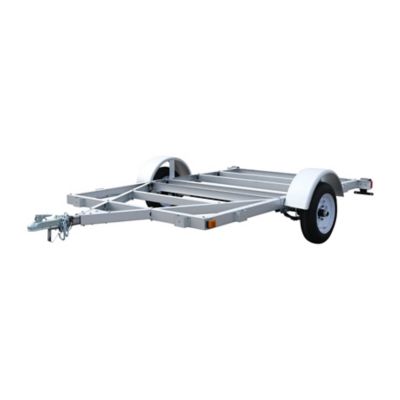
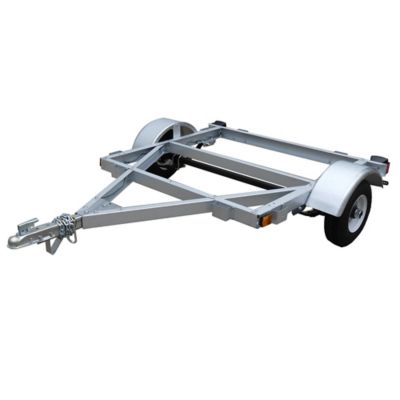
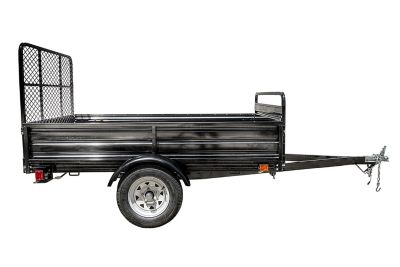
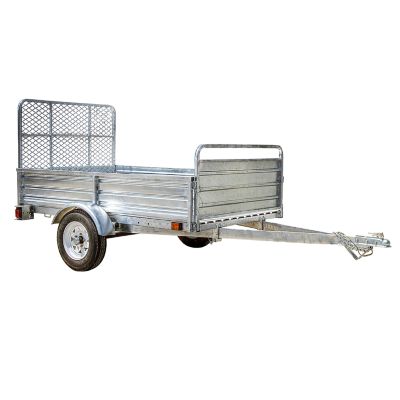
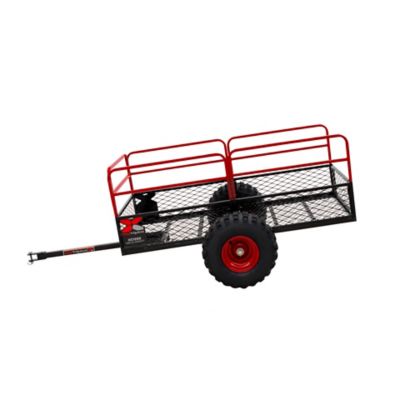
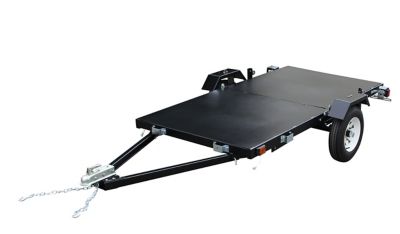
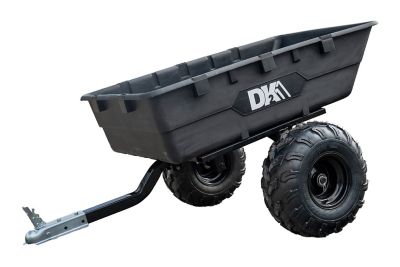
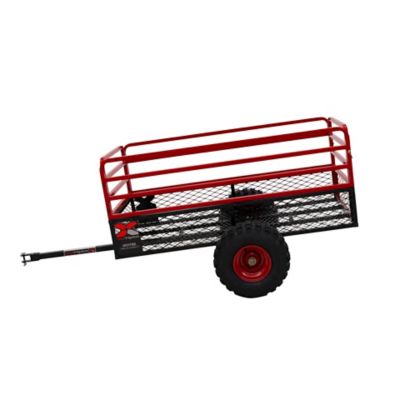
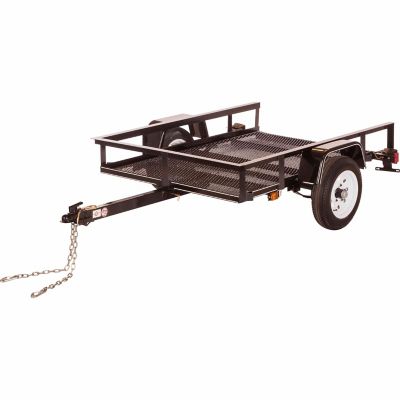
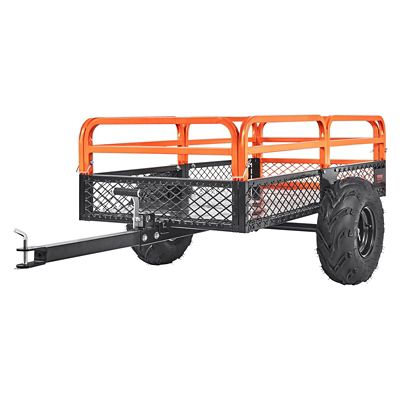
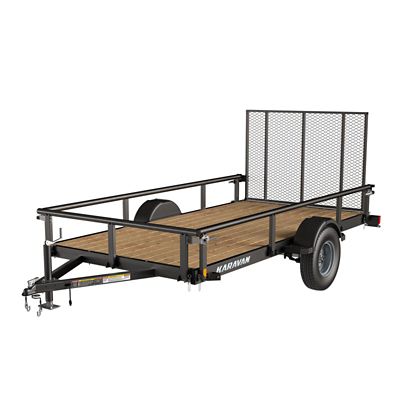
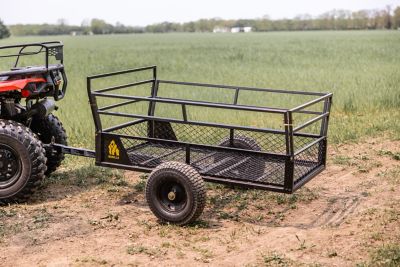
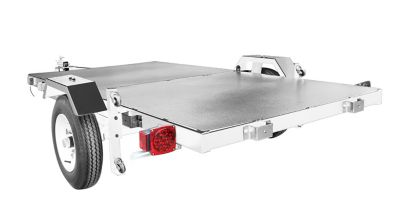
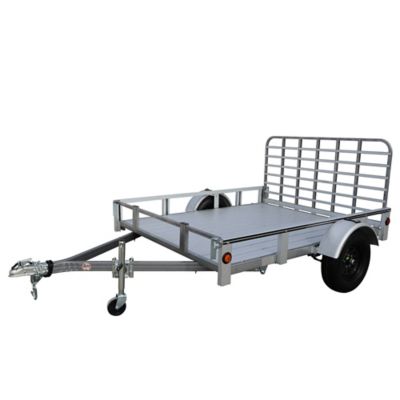
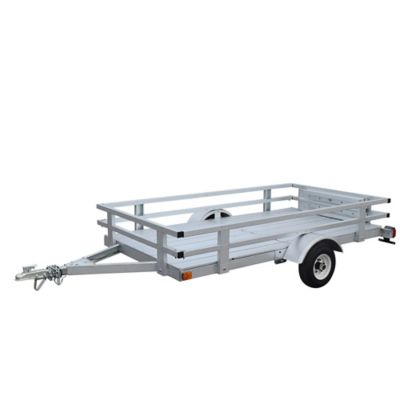
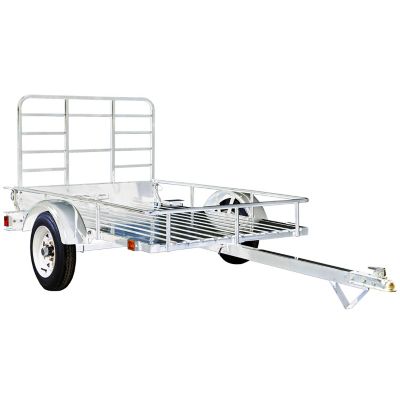
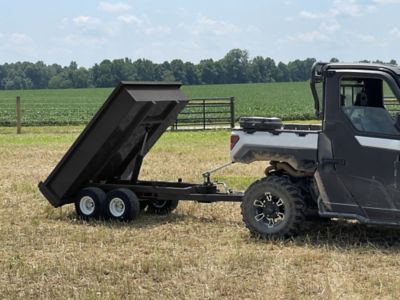
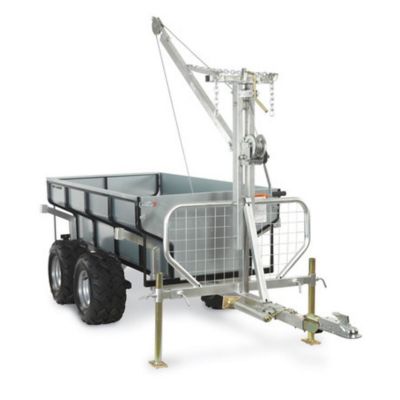
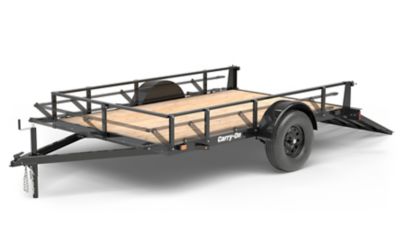
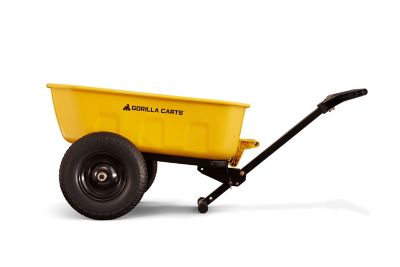
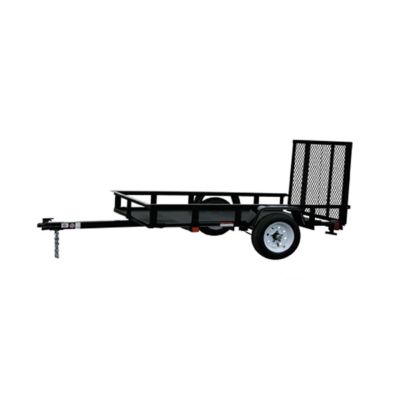
Hauling trailers make room for the loads that don’t belong in a pickup bed, from fence posts and feed sacks to a mower headed across town for service. Around a farm, acreage, jobsite, or home place, that extra hauling space can mean fewer trips and less wrestling with awkward cargo. The right trailer shape depends on what rides along and how it gets aboard. Open utility trailers give easy access to materials and equipment, with sides that help contain smaller loads without boxing in the entire deck. Flatbed designs leave more room for wide equipment and long materials, while enclosed trailers put walls and a roof around tools, supplies, and other cargo that benefits from a covered space. Dump trailers suit loose material such as gravel, mulch, and soil, with unloading equipment that reduces the amount of shoveling at the destination. Landscapers, contractors, property owners, and folks tending a small farm all have different hauling routines, so deck layout matters just as much as overall size. A wide gate can make loading a mower less awkward, while removable sides can leave room to handle materials from more than one direction. Steel frames bring substantial strength, though their own weight counts toward the total being towed. Aluminum construction can reduce trailer weight in comparable designs, leaving a different balance between trailer weight and cargo capacity. Flooring also shapes everyday use. Wood decking provides a working surface with boards that can be replaced individually when the design allows. Steel floors suit demanding loads, and expanded-metal decking lets dirt and debris pass through, though its suitability depends on the weight and contact points of the cargo. Floor support, frame construction, welds, and tie-down placement all contribute to how a trailer handles the work ahead. A trailer carrying stacked bagged feed faces a different load pattern than one supporting the concentrated weight of a compact tractor.
Trailer size is more than a measurement from front to back. Usable deck width, space between fenders, gate clearance, and loading angle can determine whether equipment fits without a struggle. A low mower deck needs a different approach angle than equipment with generous ground clearance, and a ramp must have a rating suited to the load crossing it. Long boards, pipe, and fencing materials bring another consideration: support along their length, securement, and any applicable rules for overhang. Weight ratings deserve the same attention as dimensions. A trailer’s gross vehicle weight rating covers the trailer itself plus its load; it is not the amount of cargo the trailer can carry. Payload capacity, axle ratings, tire ratings, and the tow vehicle’s limits all work together, and the lowest applicable limit sets the boundary. The tow vehicle also carries tongue weight along with passengers, tools, and anything else aboard. That makes a full workday load a better point of reference than an empty truck and empty trailer. The connection between truck and trailer matters just as much. Receiver size, ball diameter, coupler style, hitch height, and component weight ratings need to match the setup.
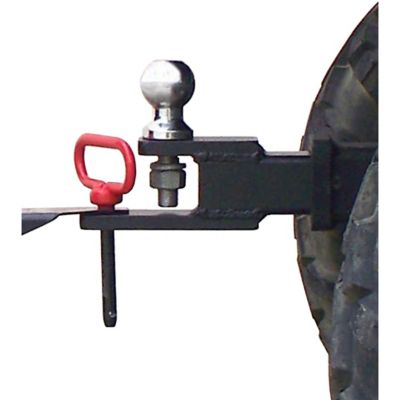
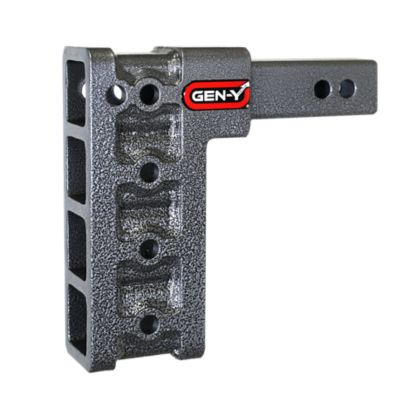
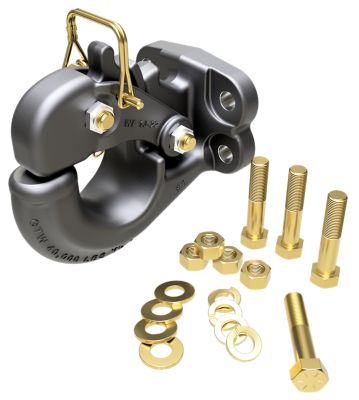
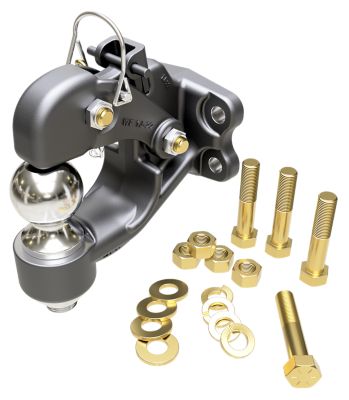
Trailer Towing Hitches are part of that connection, alongside the coupler, safety chains, wiring, and any required braking equipment. A level towing setup and proper tongue weight help support controlled handling, but the trailer and vehicle manufacturers’ specifications remain the reference for the combination. Cargo placement makes a difference, too. A heavy machine parked too far back can change handling even when the total load stays below the weight limit. Tie-down points positioned around the deck provide options for securing equipment against movement in multiple directions. Tall stacks, rolling equipment, and loose materials each call for suitable restraint, rather than relying on the trailer’s sides or tailgate alone. Lights, reflectors, brakes, and breakaway equipment, where required, also belong in the picture when matching a trailer to its intended road use.
Day-to-day convenience often comes down to details that are easy to overlook beside a large deck and sturdy frame. A tongue jack that lifts smoothly makes coupling less of a chore, and enough clearance around the coupler leaves room to work without crowding the truck’s bumper. Gate weight, latch placement, ramp storage, and access to tie-down anchors affect every loading stop. Someone hauling a mower between properties may open the gate several times a day, while a landowner moving fencing supplies may care more about side access and space for a wheelbarrow. Frequent equipment hauling also puts attention on deck traction, ramp support, and clearance beneath low-hanging parts. For trailers with hydraulic lifting equipment, the pump, battery, controls, and manufacturer’s operating limits add another set of ownership considerations. Care keeps these working parts ready for the next load. Cleaning away packed dirt and road grime makes it easier to spot damaged wiring, loose fasteners, worn flooring, and areas where a finish needs attention. Steel surfaces benefit from prompt attention to chipped coatings and corrosion, while aluminum components still need inspection for damage and wear. Wood decks need checks for splitting, soft spots, and loose attachment points. Tires can deteriorate with age even when tread remains, so inflation, load suitability, condition, and replacement guidance all matter. Wheel bearings, suspension parts, brake components, and electrical connections have service needs that vary by trailer design and workload. Storage space deserves thought as well: the trailer needs room for its full length, including the tongue, plus enough turning space to get in and out without squeezing past gates or buildings. A firm, suitable parking surface and security measures help round out ownership. When the deck, loading setup, towing connection, and maintenance needs fit the work, a hauling trailer becomes a practical part of getting supplies to the fence line, equipment to the next job, and materials back to the home place.