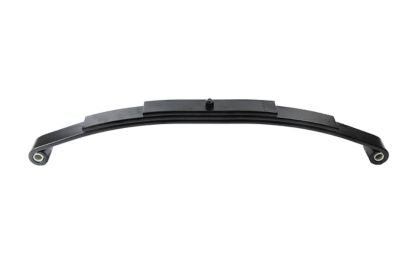
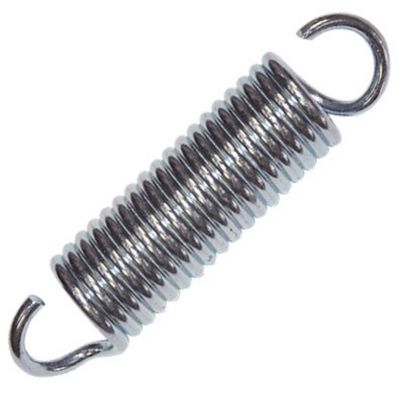
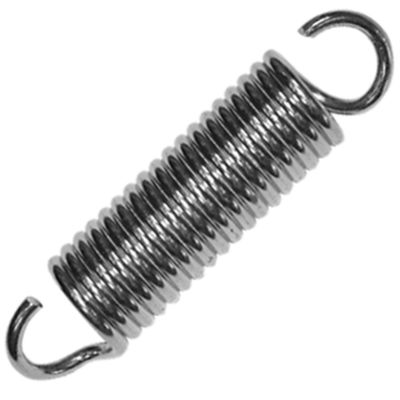
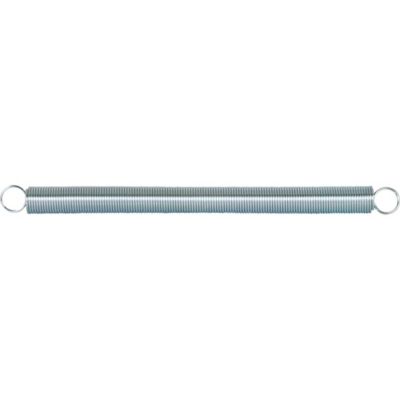
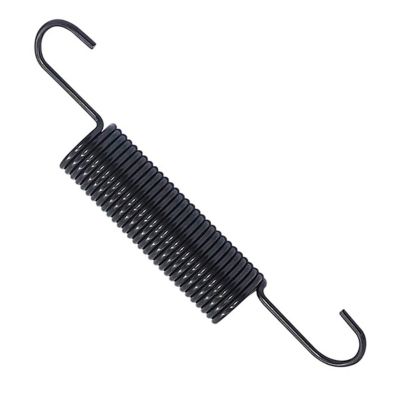
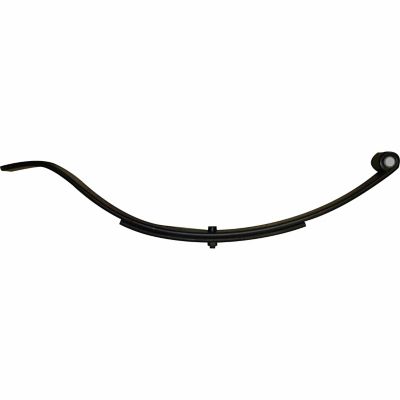
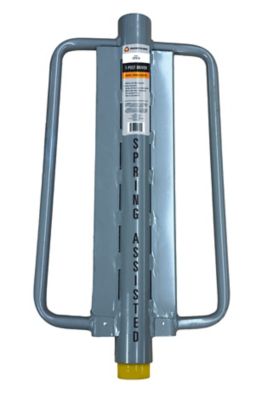
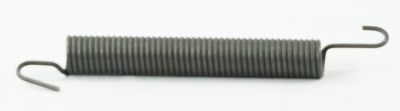
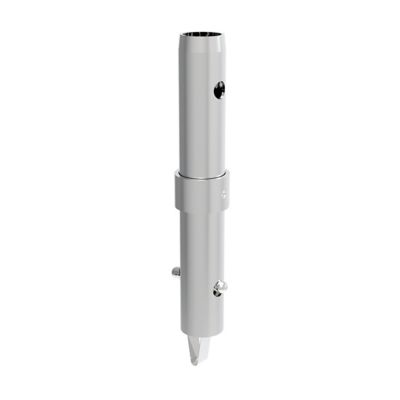
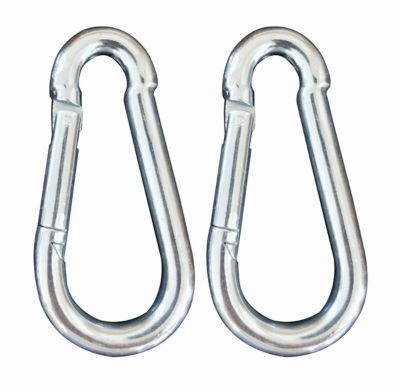
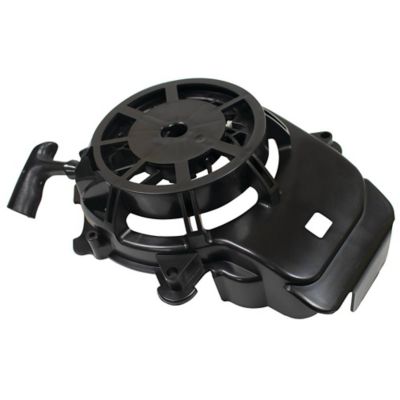
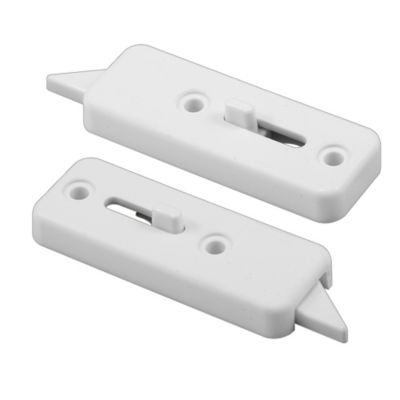
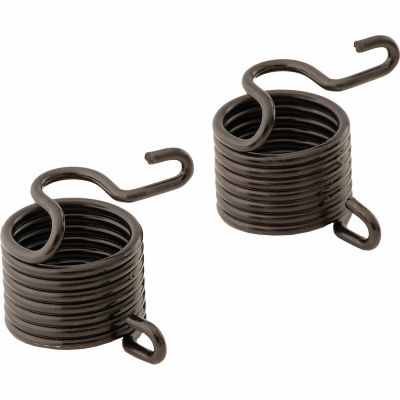
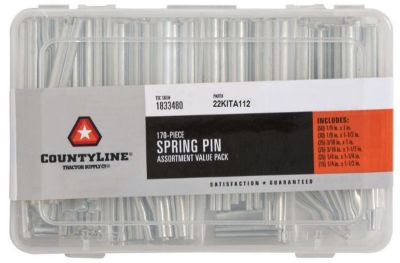
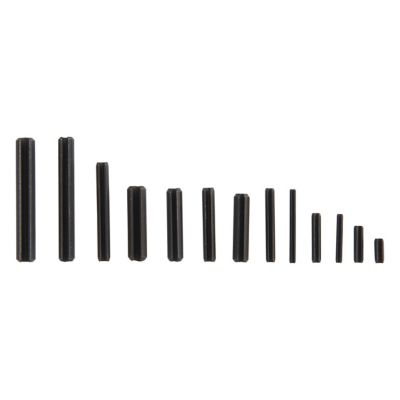
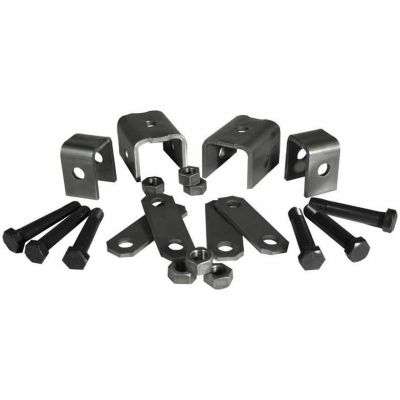
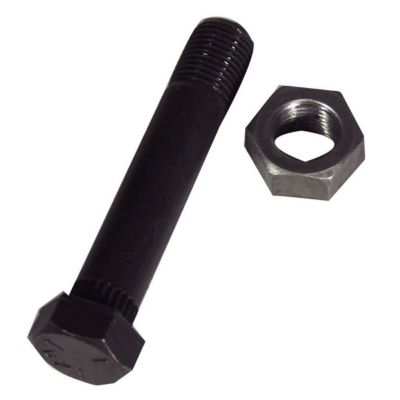
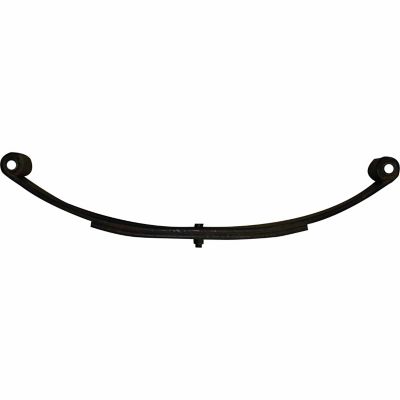
Spring components are mechanical parts designed to store and release energy, help support a load, keep tension, absorb movement, or return an assembly to its original position. On this page, “spring components” refers to the hardware used in farm, shop, trailer, outdoor, and general repair projects—not software components from the Java Spring Framework. Common spring designs include compression springs that push back against a load, extension springs that pull parts together, and torsion springs that apply turning force around a central point. You may also see spring clips, retainers, pins, and related hardware used to hold parts in place or provide dependable movement. These small pieces can make a big difference in how equipment feels and functions. A spring may help a gate latch close, keep a handle from rattling, return a lever to its resting position, cushion vibration, or maintain pressure between two moving surfaces. Around a farm or homestead, they can be useful for maintenance on gates, feeders, implements, trailers, lawn and garden equipment, shop fixtures, and other everyday gear. Keeping a selection of dependable components in the workshop can save a trip to town when a worn spring gives out during a busy chore, especially when the work needs to be finished before rain moves in or daylight fades.
Choosing the right spring component starts with understanding the job it needs to do. Measure the old part when possible, including its overall length, outside or inside diameter, wire thickness, number of coils, hook or loop style, and the way it attaches to nearby hardware. A spring that looks close enough may still be too weak, too stiff, too short, or too long for the application. Think about the direction of force as well. Compression designs are suited to parts that push against one another, while extension designs work under pulling force and typically use an attachment point at each end. Torsion designs are made for rotating movement, such as a hinged or pivoting part that needs help returning to place. Material and finish matter in the field, too. Components exposed to moisture, mud, fertilizer, wash water, or changing temperatures need suitable corrosion resistance and a construction that can handle the working environment. For indoor shop repairs, fit and load rating may be the main concerns, while outdoor equipment may call for extra attention to durability and surface protection. Avoid stretching a spring beyond its intended range or substituting a part without checking the load and dimensions, since overextension can lead to early failure and a loose component can become a safety hazard. When the original part is missing, sketching the assembly, photographing the mounting points, and measuring the space available can help narrow down the right style before placing an order.
Spring components are handy for experienced mechanics, maintenance crews, livestock owners, gardeners, and do-it-yourselfers who prefer to handle routine repairs on their own. They are also useful for anyone building or restoring a project where a controlled amount of tension, pressure, or movement is needed. A well-chosen component can help a worn latch operate smoothly, reduce unwanted vibration, or keep a moving part aligned through repeated use. During the warmer part of the year, these parts often find their way into fence and gate repairs, trailer maintenance, garden equipment adjustments, and outdoor construction. As cooler weather settles in, they can support shop projects, equipment tune-ups, storage repairs, and preparations for the next round of heavy use. Store spare springs in a dry container or divided organizer, and label them by size and purpose so the right part is easier to find when your hands are dirty and the repair cannot wait. For a practical gift, a selection of useful hardware can suit a new homeowner, farm helper, hobby mechanic, or handy family member, particularly when paired with a well-organized toolbox. Those working on seasonal displays or porch projects may also find complementary ideas among our
Spring Decors, while spring components themselves remain useful long after decorations are packed away. With careful measurements, attention to load and movement, and a realistic look at the conditions each part will face, these compact pieces can help keep everyday equipment working smoothly from the barn and driveway to the workbench.