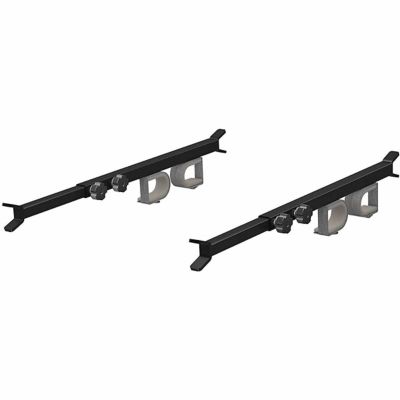
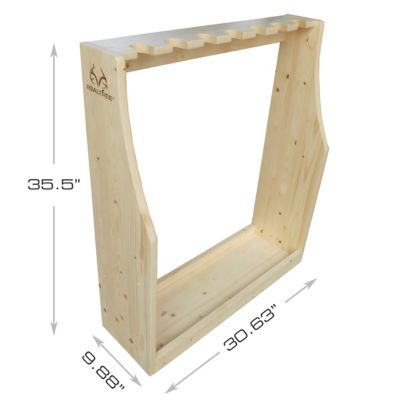
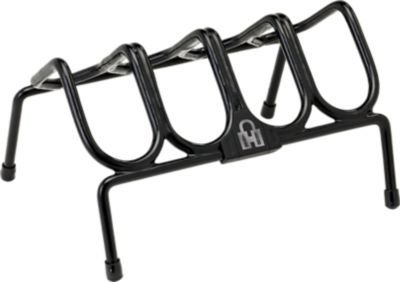
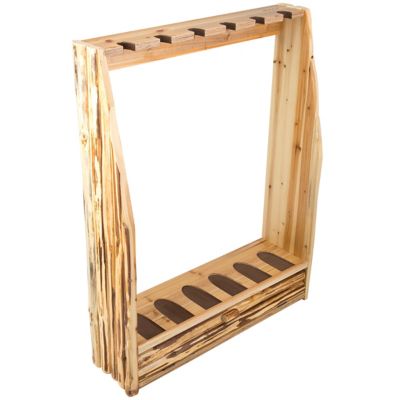
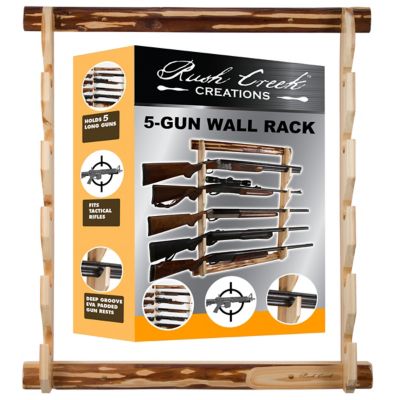
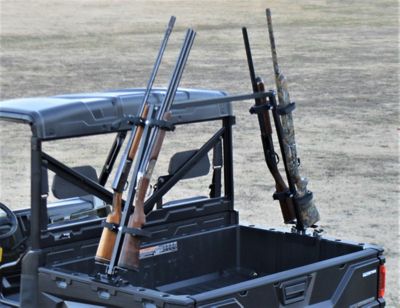
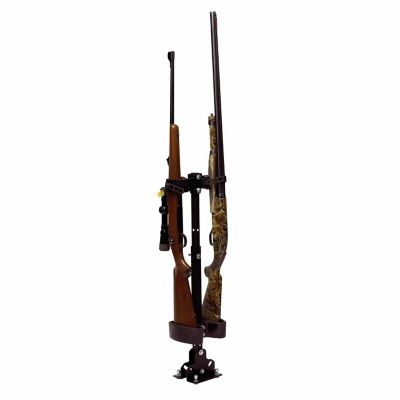
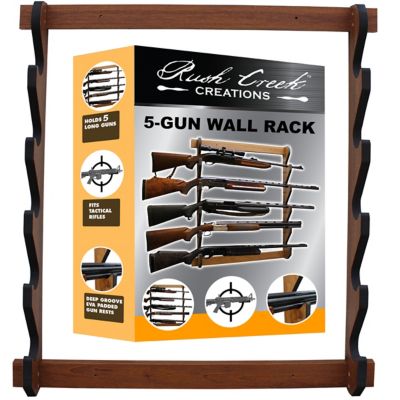
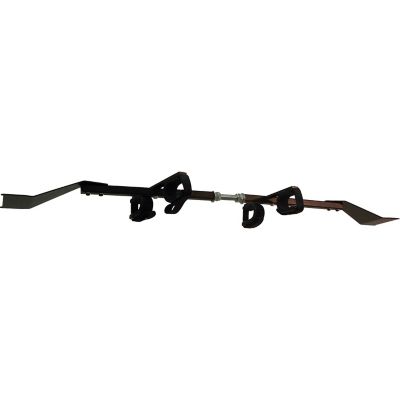
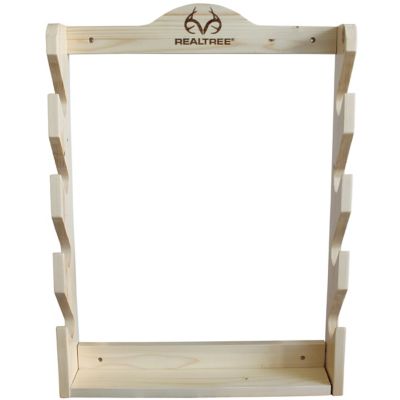
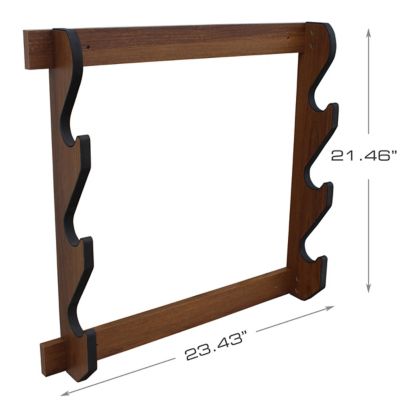
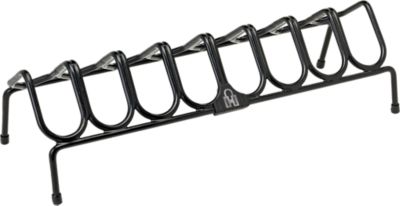
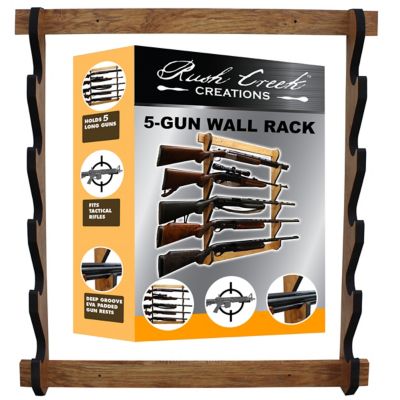
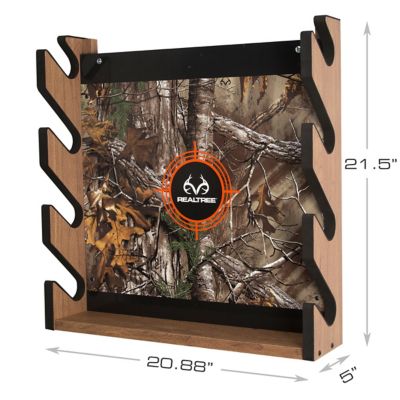
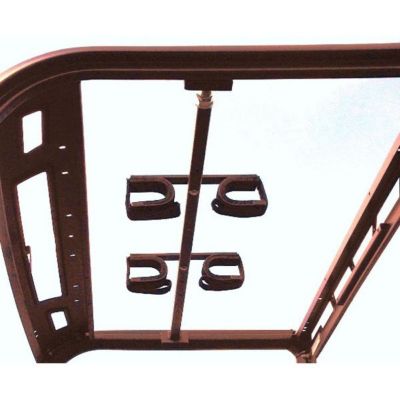
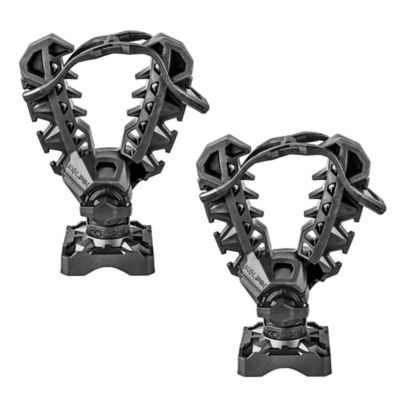
Gun stands can help bring order to a hunting room, gear closet, workshop or secured storage area while keeping firearms supported instead of leaned against a wall or left on the floor. Depending on the setup, a stand may be used for organized storage, careful display, cleaning preparation or keeping frequently handled equipment in a designated place between trips to the range or field. A well-chosen stand gives each firearm a stable resting place and can make it easier to see what you have before heading out during the cooler months. It also helps keep cases, slings and other gear from turning into a tangled pile in the corner. When choosing a stand, start by thinking about where it will live and how much room is available around it. Measure the floor, shelf or wall area, and leave enough clearance to safely place and remove firearms without bumping nearby equipment. Consider the number of firearms it needs to hold, the length and shape of each one, and whether stocks, scopes, slings or other attached accessories require extra space. Padding or other protective contact surfaces can help prevent scratches and keep finishes from rubbing against hard materials, while a broad, steady base can be useful on shop floors, cabin floors or uneven surfaces. Construction matters, too. A heavy-duty stand may be a better fit for a dedicated storage room, while a lighter option can work well for an orderly bench or temporary staging area when cleaning or packing gear. No matter the style, a gun stand should be used only in accordance with the firearm manufacturer’s instructions and all applicable federal, state and local laws.
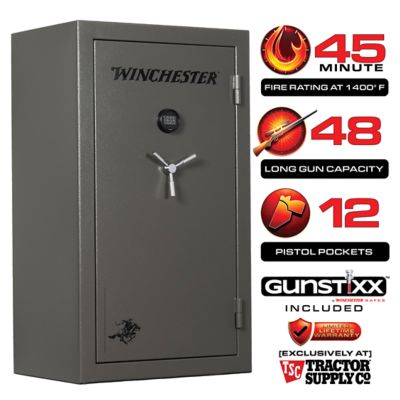
Safe storage should always come before convenience or appearance. Firearms should be unloaded before being placed on a stand, and ammunition should be stored separately in a secure location unless local law or the firearm manufacturer calls for a different arrangement. A stand is not automatically a locking device, child-safety device or substitute for secured storage, so consider whether the area needs a lockable cabinet, cable, vault or other approved security measure. Keep firearms away from children, visitors and anyone who is not trained and authorized to handle them. It is also smart to choose a location that stays dry and has limited exposure to dust, mud, direct sunlight and sudden temperature changes. In a barn, cabin or unheated outbuilding, moisture can collect on metal surfaces as temperatures shift, so regular inspection and proper maintenance are especially important. Before placing a firearm on a stand, check that the stand is level, stable and free of loose hardware. Look over contact points for grit or debris, and make sure nothing can catch a trigger guard or interfere with safe handling. A simple routine can go a long way: unload and inspect the firearm, wipe away moisture or field debris, secure it in the designated position, and return ammunition and accessories to their own storage locations. For households that spend time hunting, target shooting or managing rural property, this kind of routine keeps equipment easier to find and helps everyone understand where firearms belong. A stand can also be a thoughtful gift for a responsible hunter, outdoorsperson or shooting enthusiast, especially when matched to the recipient’s space and habits. If you are buying one for someone else, pay attention to capacity, overall dimensions and the types of firearms they already use rather than choosing based on appearance alone.
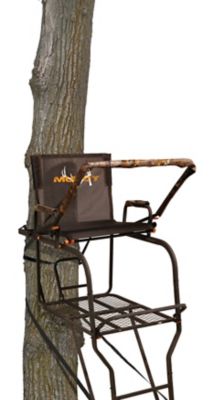
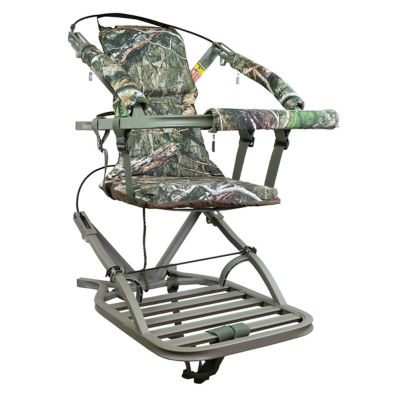
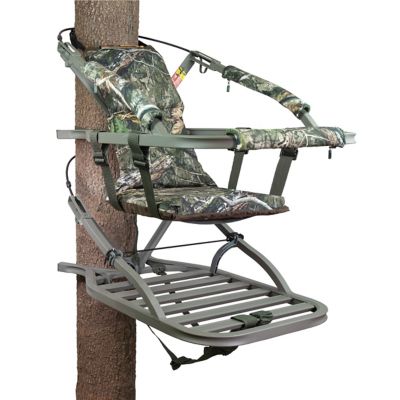
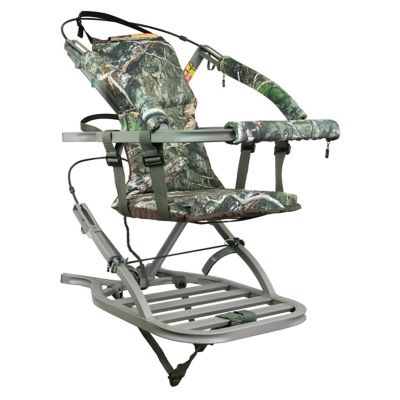
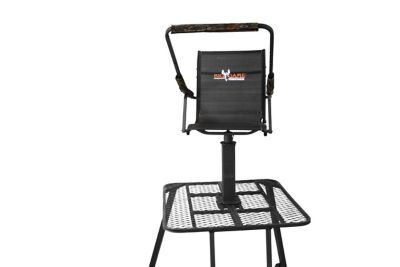
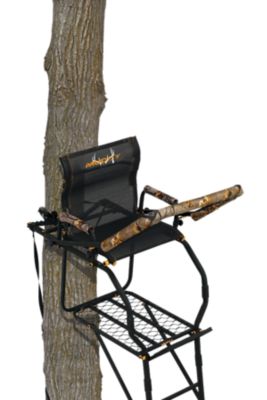
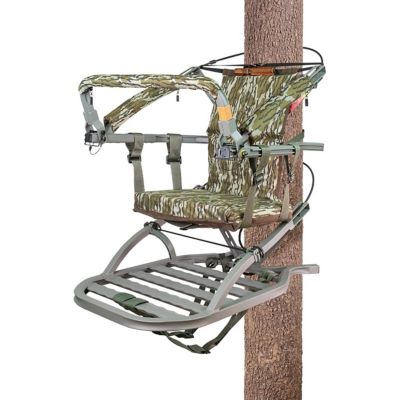
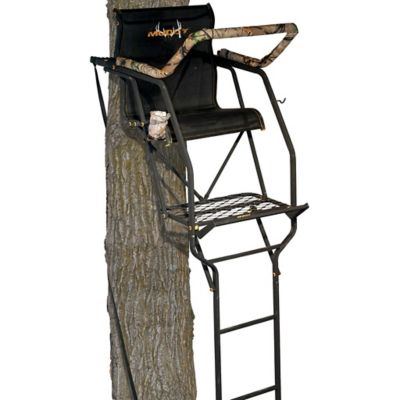
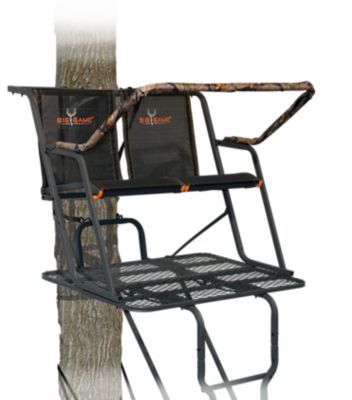
The right stand can fit naturally into the way a household prepares for time outdoors. Before a walk through the woods, a stand may keep hunting gear arranged near a secure storage area so there is less searching through boxes and cases at dawn. After a long day in the field, it provides a clear place to set equipment down for inspection, cleaning and storage instead of leaving a firearm propped beside a door or resting on a workbench edge. For those who enjoy maintaining a dedicated gear room, several stands can help separate long guns by owner, purpose or frequency of use, while a compact design may suit an apartment, office or small cabin where every bit of floor space matters. Hunters may also shop for stands alongside other outdoor equipment, including
Tree Stands, but each item serves a different purpose and should be stored and used according to its own instructions. During the warmer seasons, check for dust, humidity and pests in storage areas; as the weather turns cooler, look for condensation and make sure changing layers of clothing or added gear will not crowd the stand. In any season, avoid placing a stand where it could be knocked over by pets, children, livestock, a closing door or routine foot traffic. A tidy setup is more than a way to keep a room looking neat—it supports safer habits, protects valuable equipment and makes time spent on the farm, at camp or at the range more organized. Take a careful look at capacity, stability, padding, fit, security needs and the conditions of the intended storage area before choosing a gun stand, and select the style that works with your space rather than forcing your space to work around it.