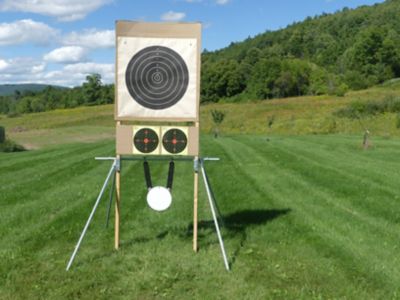
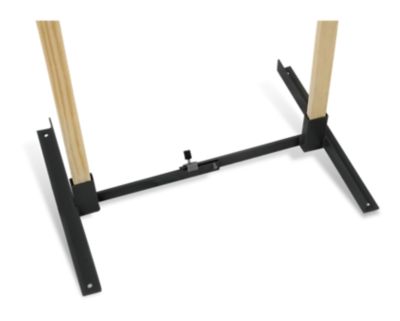
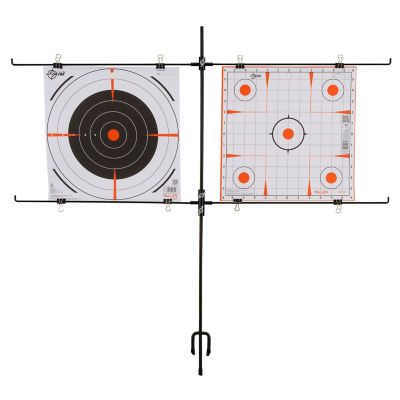
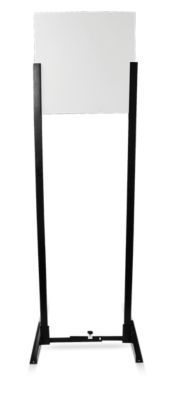
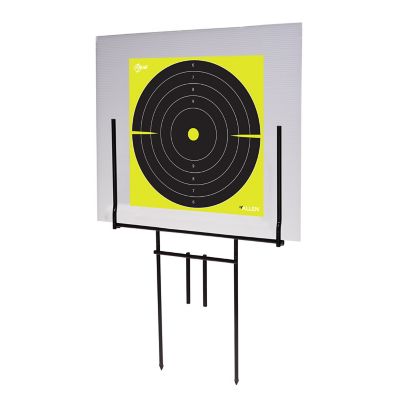
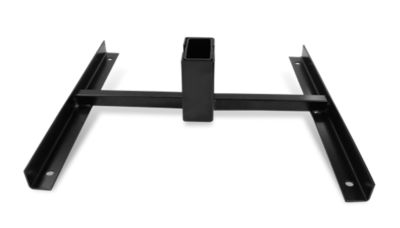
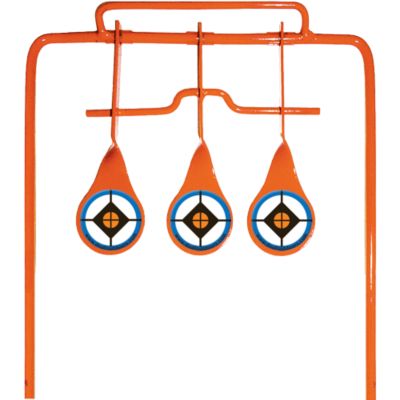
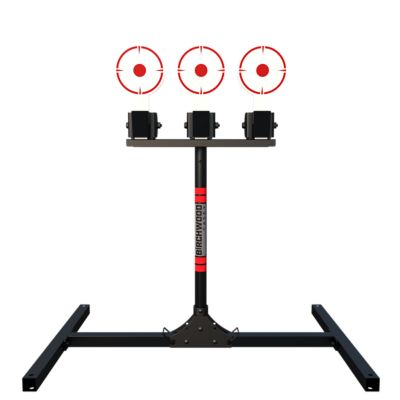
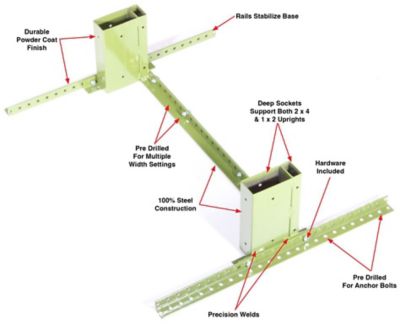
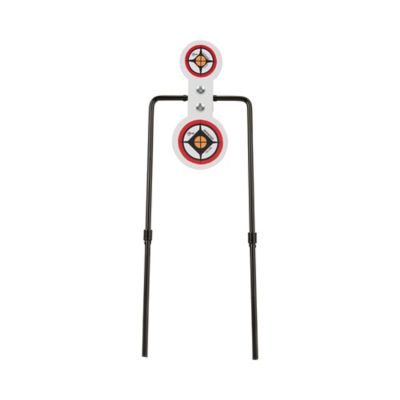
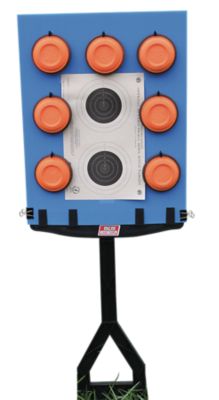
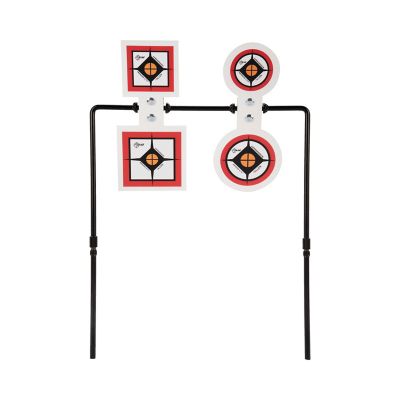
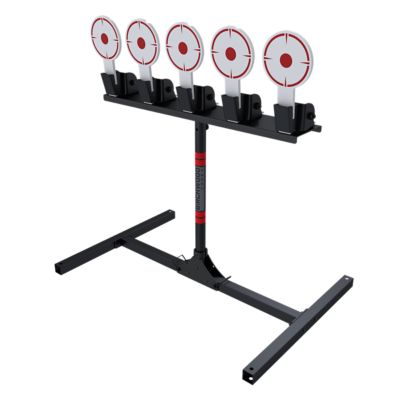
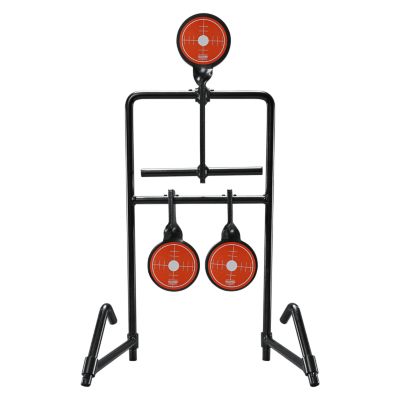
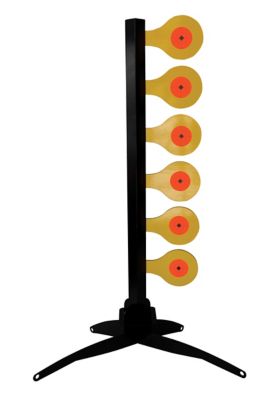
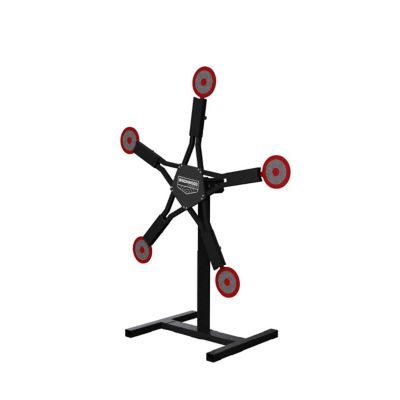
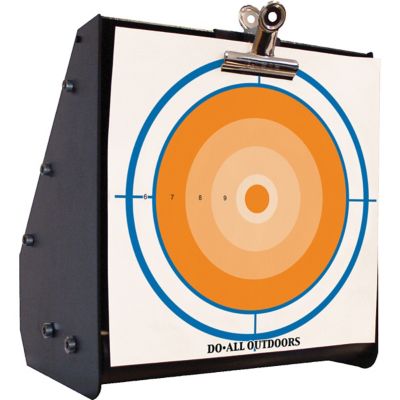
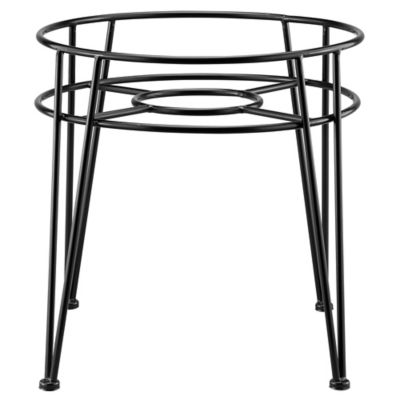
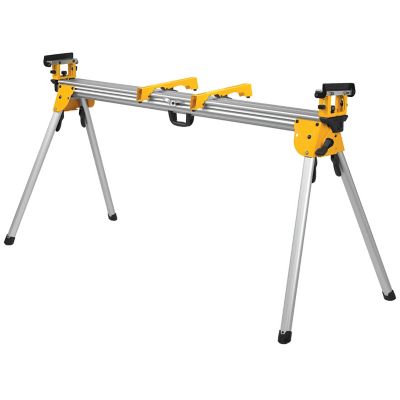
Target stands hold compatible paper, cardboard, steel, or archery targets in position for practice, with the right design depending on the target material, mounting style, weight, and shooting location. They give a practice setup a defined place for the target, whether that means a paper bull’s-eye on a backer or a steel plate suspended from an approved mounting system. A stand supports the target; it is not a backstop and does not make a shooting location safe on its own. For paper and cardboard, common arrangements include bases that accept upright supports, frames with attachment points, and holders that accommodate replaceable backers. These setups can suit sight-in sessions, organized range practice, and checking shot placement on a fresh sheet. Steel targets call for supports designed for their weight and mounting requirements. Hanging and bracket-mounted arrangements are not interchangeable unless the target and stand manufacturers say they are compatible. Archery target supports have another job altogether: holding an appropriate archery target steady without interfering with its stopping area or arrow removal. Across these categories, materials can include steel tubing, formed metal, polymer components, and replaceable wood supports. Metal construction may provide a substantial frame, while lighter components can make hauling gear less of a chore. The best fit comes down to the whole setup rather than the stand alone. Target dimensions, mounting-hole spacing, bracket size, upright openings, and rated capacity all matter. A frame that fits a small paper backer may not accommodate a wider sheet, and a base intended for lightweight uprights should not be assumed to support a heavy steel target. Manufacturer specifications help sort out those differences before anything goes to the range. For indoor practice, facility rules may limit stand styles, target materials, and placement. For an outdoor range, the permitted shooting area, ground surface, and established backstop remain just as important as the frame holding the target. Knowing those limits helps narrow the choice to a stand that belongs in the intended setting.
A stand’s footprint, support design, and working height affect how comfortably it fits a practice area. Broad feet can provide support on a suitable level surface, while ground-engaging designs require soil and installation conditions that match the manufacturer’s directions. Neither style is a substitute for checking that the assembled stand sits securely. On a private range, a base that settles unevenly in loose ground can leave a target leaning; on a managed range, feet that extend into a walkway can create a different problem. The useful choice is one that fits the space without getting in the way of other shooters or range staff. Height matters, too, particularly when a range permits both seated and standing practice. Any adjustment needs to keep the target in an approved position relative to the backstop, rather than simply putting it at a convenient eye level. Portability brings its own tradeoffs. Folding legs, removable crossbars, and take-apart frames can help a stand fit in a truck bed or gear compartment, but the assembled connections still need to hold firmly. A long walk from the parking area makes carrying weight worth considering, especially when targets, hearing protection, eye protection, and other supplies are coming along. For a stand that stays at a designated practice area, a larger footprint and fewer transport adjustments may be a better match. Replaceable supports and accessible hardware can also simplify upkeep when components show wear. With steel-target setups, approved ammunition, minimum distances, target condition, mounting orientation, and range rules all remain part of safe use; those requirements come from the target manufacturer and the facility, not from the stand’s appearance. Paper-target setups also require a suitable backstop and a clear shooting area. A tidy, upright target is helpful for practice, but safe placement and supervision matter far more than how neat the setup looks.
Care and storage have a lot to do with how well target stands hold up over repeated trips. Dust, grit, and debris can collect around hinges, sleeves, fasteners, and folding joints, making parts harder to seat or adjust. Cleaning according to the manufacturer’s directions, allowing components to dry before storage, and keeping hardware together can prevent small hassles from turning into a lost practice session. Painted or coated metal surfaces deserve attention where rubbing or impact has exposed bare metal, and any treatment should follow the maker’s recommendations. Wood supports and backers may need replacement as they split, loosen, or lose their ability to hold the target securely. Cracked components, bent brackets, loose connections, and damaged mounting points are reasons to take a stand out of service until the affected parts can be addressed as directed. Transport also matters: a frame rolling around beneath heavier equipment can arrive with bent feet or missing hardware. Keeping the stand secured and separating sharp or projecting pieces from other gear makes packing and unloading more manageable. These practical details matter to a range regular heading out for a short session, a landowner maintaining a designated practice area, or a hunter checking equipment before time afield. Hunters getting their gear together may also be checking
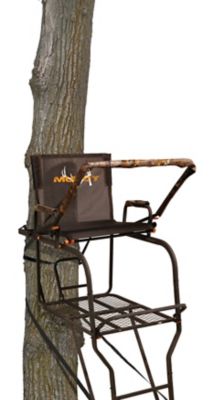
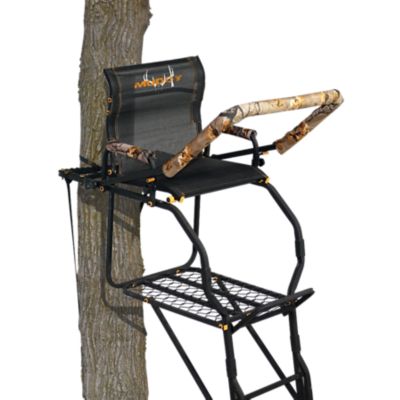
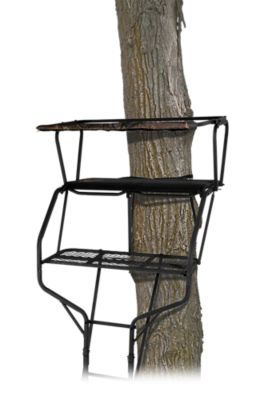
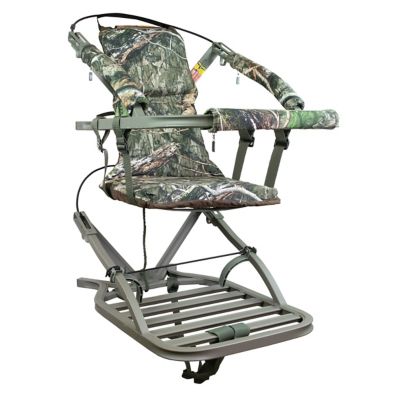
Tree Stands and the safety equipment that goes with those elevated hunting platforms. A target stand can make a useful gift for a sport shooter, hunter, or archery enthusiast when the recipient’s target style, mounting requirements, and practice location are known. Matching those details is more helpful than guessing based on size alone. Whether the priority is easy transport, room for a larger backer, or support for a compatible hanging target, a well-matched stand keeps the target setup straightforward. It leaves more attention for responsible practice and less for wrestling with a frame that does not fit the job.