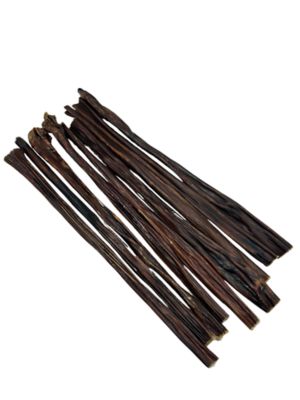
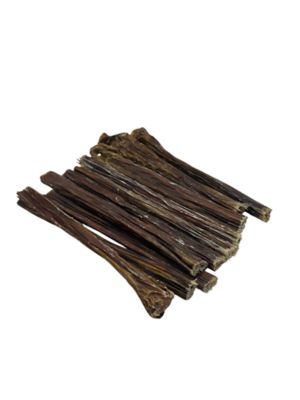
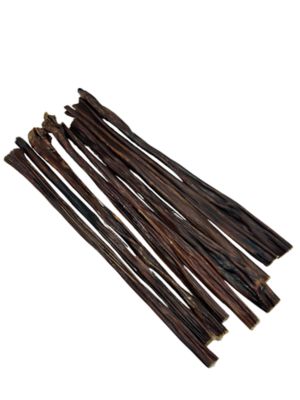
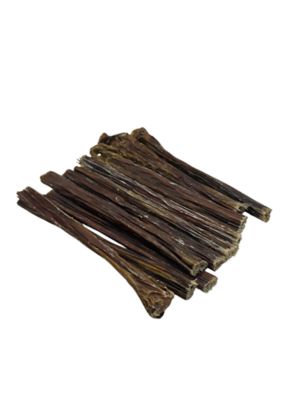
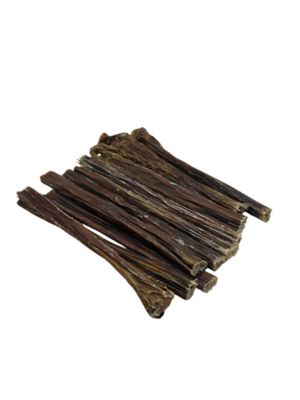
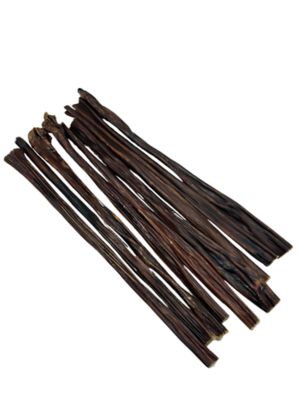
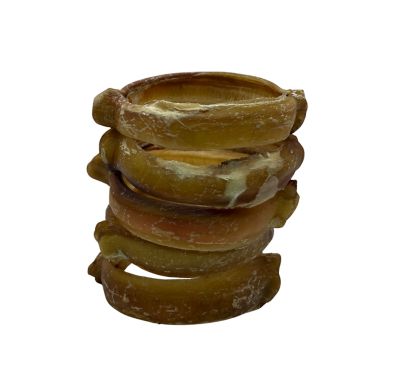
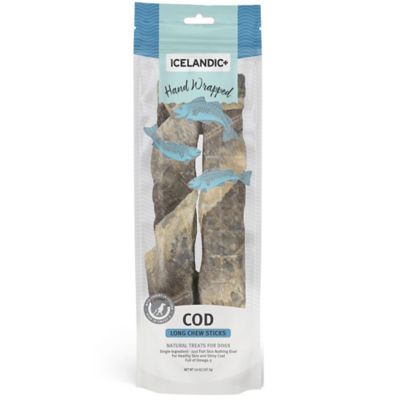
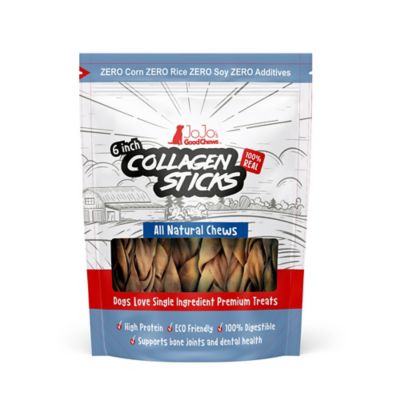
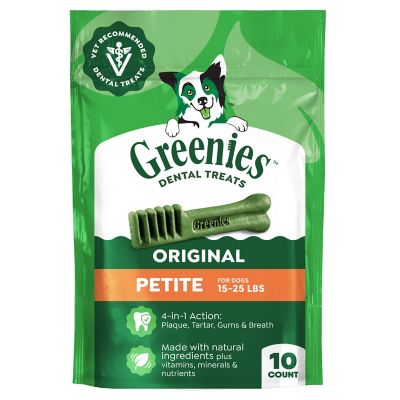
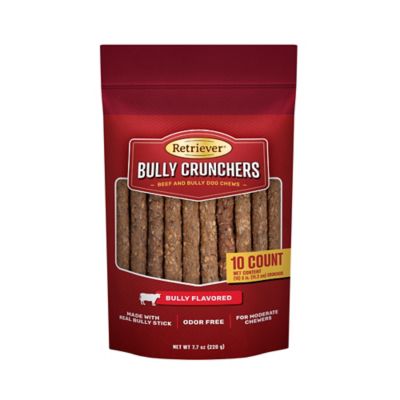
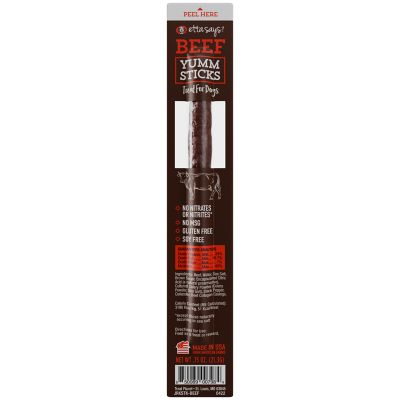
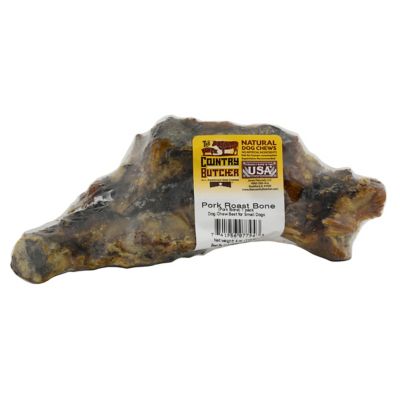
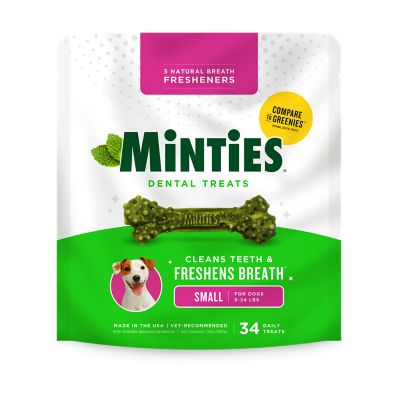
Gullet sticks for dogs are natural chew treats made from the beef esophagus, also called the gullet, and are often chosen by pet owners who want a simple, meat-based option for treat time. Many are made from a single animal ingredient and prepared by cleaning, stretching, and slowly drying or baking the tissue until it develops a firm but flexible texture. Because recipes and preparation methods can vary, check the package label for the ingredient list, country of origin, sourcing information, and any added ingredients before buying. A plain gullet stick can be a handy choice for households trying to avoid treats with long ingredient panels, artificial colors, or unnecessary flavoring. The texture is generally lighter and less dense than a hard bone or traditional bully stick, making gullet chews appealing to puppies learning how to chew, older dogs with less powerful jaws, and smaller or moderate chewers. They can also give an active dog something satisfying to work on after a long walk around the farm, a game of fetch in the yard, or a busy afternoon riding along in the truck. The natural chewing action may help rub away some loose surface buildup from the teeth, but gullet sticks should not take the place of regular veterinary dental care. These treats are also naturally rich in protein and may provide naturally occurring compounds such as glucosamine and chondroitin, which are associated with healthy cartilage and joint function. They are not a medicine or a substitute for a balanced diet, though, so use them as an occasional chew or reward according to your dog's size, activity level, and daily calorie needs.
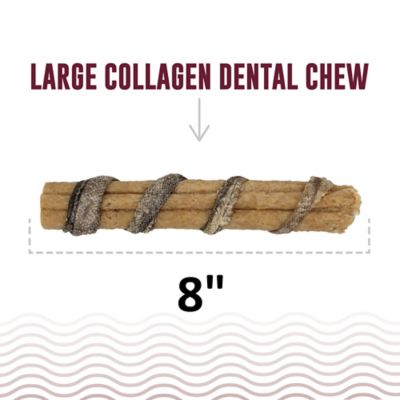
Choosing the right gullet chew starts with knowing your dog's size, chewing habits, and history with treats. A small or soft-textured stick may be a comfortable fit for a puppy, senior dog, or gentle chewer, while a larger or braided shape can give a determined chewer more material to work through. Even braided gullets are not indestructible, and a strong dog may finish a standard chew in only a few minutes. For dogs that tend to gulp treats, tear off large pieces, or try to swallow a chew whole, select a size that is too large to fit entirely in the mouth and stay close by during chew time. Remove the treat when it becomes small enough to swallow, and toss any piece that is excessively sharp, splintered, or otherwise damaged. Gullet sticks are often easier to digest than rawhide because they are made from animal tissue that can break down through normal canine digestion, but “digestible” does not mean risk-free for every dog. Introduce any new treat gradually, especially if your dog has a sensitive stomach, food allergies, pancreatitis, or a veterinarian-recommended restricted diet. Watch for loose stool, vomiting, itching, or other signs of intolerance, and contact your veterinarian if symptoms are serious or do not settle. Keep fresh drinking water nearby, wash your hands after handling animal-based treats, and store unused chews in a cool, dry place according to the package directions. Dogs who need a longer-lasting option may do better with a denser chew, while a dog that enjoys a shorter, lighter snack may appreciate the texture of a gullet stick. Owners shopping for a bigger dog with a hearty chewing style can also browse
Dog Chews For Large Dogs to compare options suited to larger mouths and stronger jaws.
Gullet sticks can make a thoughtful addition to a dog’s treat basket, especially for a new puppy, a recently adopted dog, or a friend who enjoys spoiling a four-legged family member with straightforward, meaty rewards. They tuck easily into a travel bag for a weekend at the hunting cabin, a day at the lake, or a long drive to visit family during the cooler months. At home, many dogs settle happily on a mat or porch step with a chew while the household is busy with chores, supper, or outdoor projects. Giving the treat in a designated spot can help keep crumbs and small bits off bedding and furniture, while a washable surface makes cleanup easier. Gullet sticks may also be useful for redirecting normal chewing away from boots, fence boards, and chair legs, although training and plenty of appropriate toys still matter. Keep treats away from children and other pets until you are ready to supervise the dog, since some dogs become possessive when they have something especially tasty. Feed dogs separately when needed, and do not leave a pet unattended with any chew, even one described as natural or fully digestible. Whether you are picking up a few chews for your own dog or putting together a practical gift for a dog-loving neighbor, look for freshness, a suitable size, and clear handling instructions. With the right match and sensible supervision, gullet sticks offer a convenient way to add variety to treat time while giving dogs a satisfying job for their jaws.