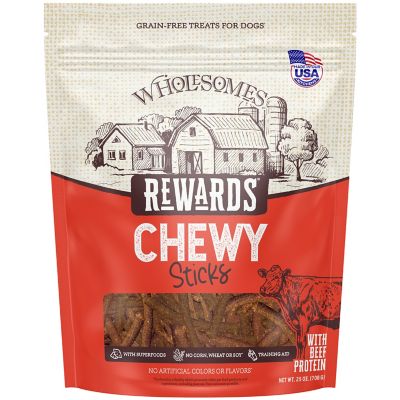
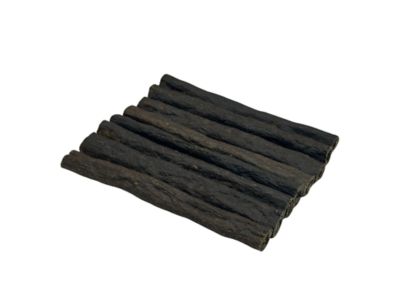
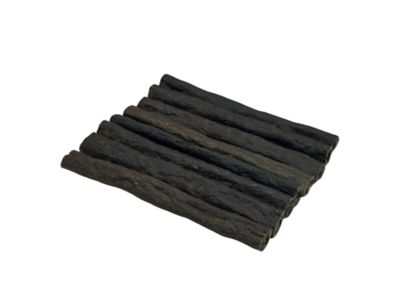
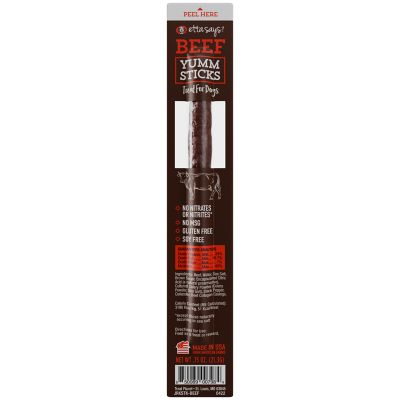
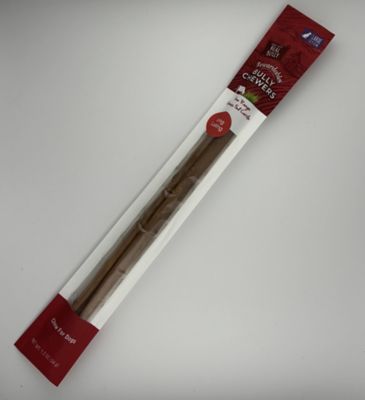
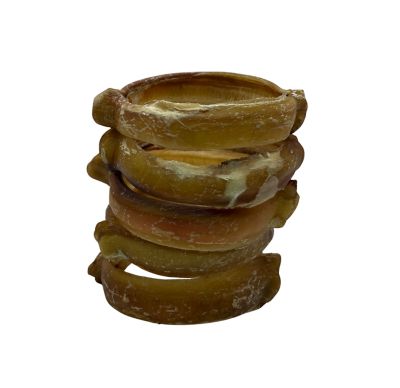
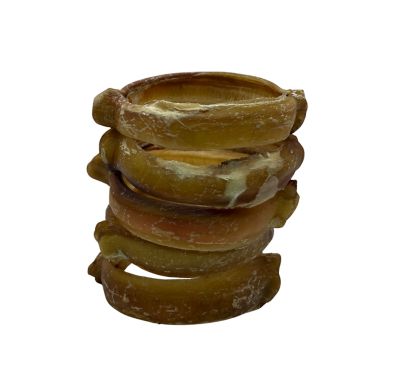
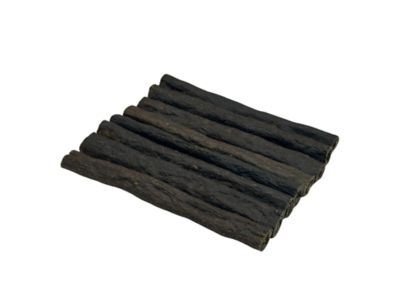
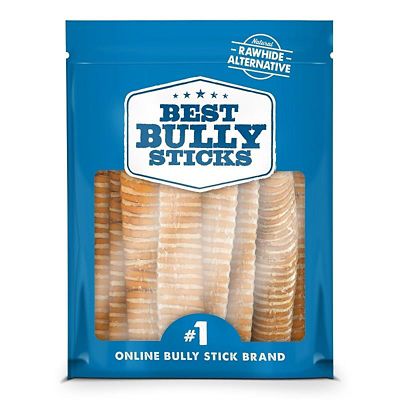
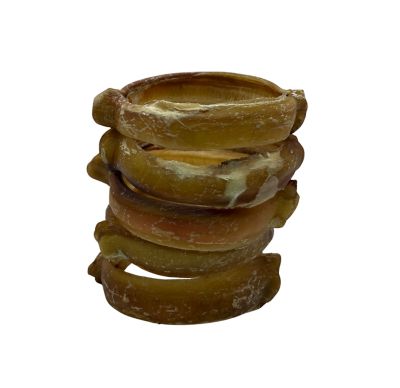
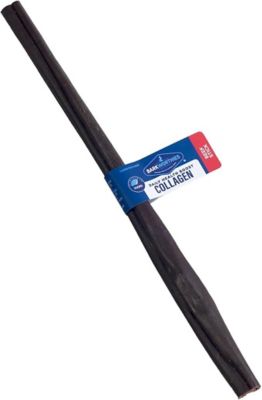
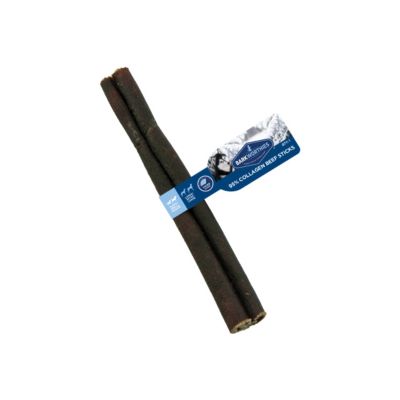
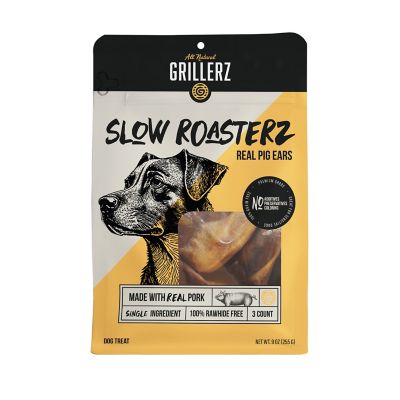
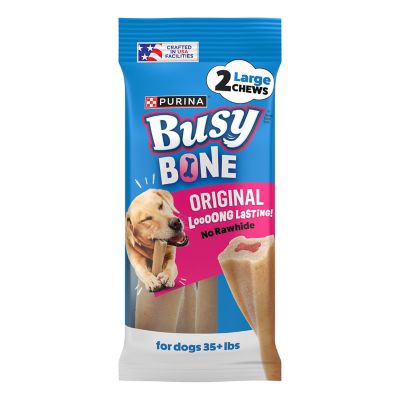
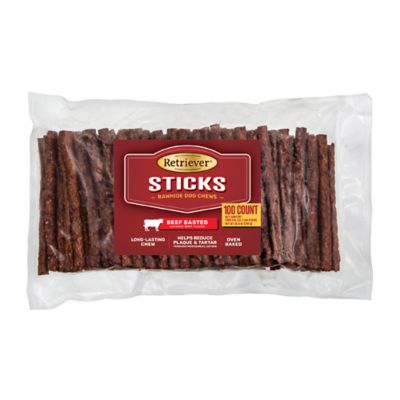
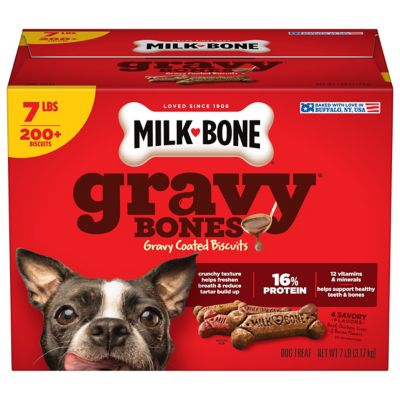
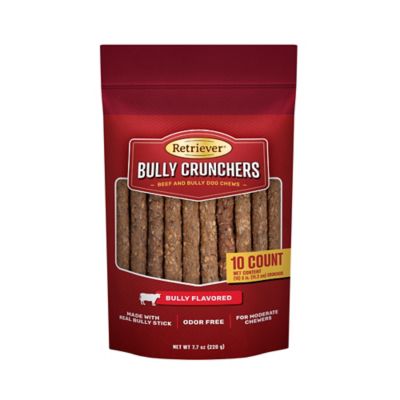
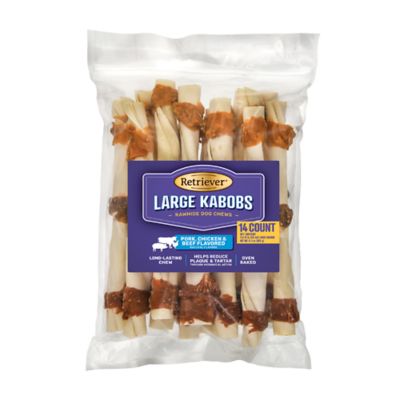
Dog beef sticks are a handy way to reward good behavior, add variety to a treat jar, or give your dog something satisfying to enjoy during the cooler months. These treats generally fall into two groups: soft, chewy snack sticks made for quick rewards and training, and firmer, longer-lasting beef chews such as bully sticks or beef esophagus strips. Soft sticks can often be broken into smaller pieces, making them useful for puppies learning house rules, adult dogs practicing commands, or senior dogs that prefer an easier-to-chew texture. They tuck neatly into a coat pocket for a walk around the property and can help keep a dog focused when distractions are high. Longer chews are better suited to calm, supervised chewing sessions. A dog settling onto the porch after a romp through the grass may work on one for quite a while, enjoying the natural beef flavor while satisfying the urge to chew. When comparing dog beef sticks, check the ingredient list, protein source, country-of-origin information, and any added grains, sugars, glycerin, artificial colors, preservatives, or flavorings. Single-ingredient options can be a good fit for households trying to keep treat recipes simple, while limited-ingredient recipes may help owners avoid ingredients that do not agree with their dog. Treats should complement a complete, balanced diet rather than replace regular meals, and portion size matters just as much for a small lap dog as it does for a big farm dog.
The right beef stick depends on your dog’s size, age, chewing habits, and the way you plan to use it. Small dogs and young puppies need appropriately sized treats that can be managed without oversized pieces, while larger dogs may do better with a substantial chew designed for their stronger jaws. Very young puppies, dogs with dental problems, and seniors with worn or sensitive teeth may need soft treats instead of hard chews. A dog that gulps food may need a different format than a careful chewer, and no beef stick should be offered without supervision. Watch for sharp pieces, splintering, choking hazards, or an unusually hard texture, and take the chew away when it becomes small enough to swallow whole. Fresh water should always be available, especially after an active play session or a long chew. For training, small pieces are usually more practical than handing over a full stick; a quick reward lets you mark the behavior without filling your dog up before the lesson is over. For enrichment, a longer-lasting chew can give a restless dog a quiet job while you finish chores, unload feed, or settle in after a busy day. Keep treats in a cool, dry place, follow the package directions for storage, and introduce any new recipe gradually. Owners who like to compare simple ingredient lists and other wholesome reward options can also browse
Natural Dog Treats for additional choices.
Dog beef sticks can make a thoughtful gift for a dog-owning friend, a new puppy household, or a neighbor whose loyal companion follows them from the barn to the back steps. They are easy to add to a pet care basket with a sturdy toy, a food scoop, or a new collar, and individually packaged treats can be useful for travel, training classes, visits, and outdoor adventures. Before giving them as a gift, consider the dog’s size and chewing style, along with known food sensitivities. A soft beef snack may suit a family with several dogs because it can be divided into consistent portions, while a durable chew may be appreciated by a dog that enjoys settling down with a project of its own. Beef sticks are also convenient for seasonal routines that stretch from early fall into winter: rewarding a dog after coming in from a muddy walk, keeping a kennel companion occupied during a quiet afternoon, or offering a familiar treat after time spent outside in chilly weather. Even the most eager chewer benefits from sensible portions and supervision. Look for clear feeding guidance and choose a size that matches the dog rather than simply selecting the biggest option available. With the right fit, these beef-based treats can bring a little extra enjoyment to everyday routines, reinforce training, and give dogs a flavorful way to feel included in the work and play happening around the home.