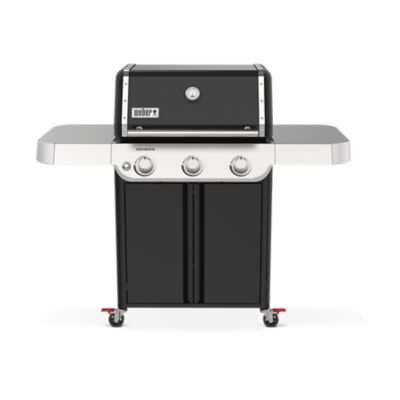
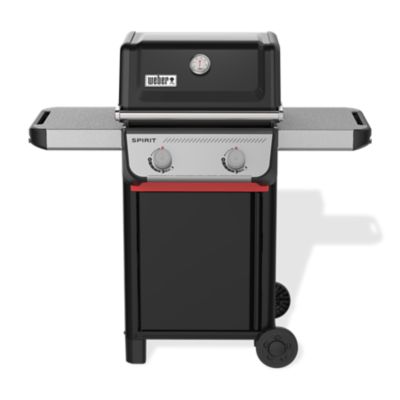
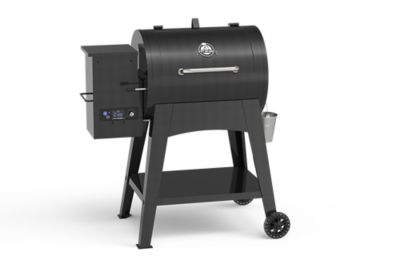
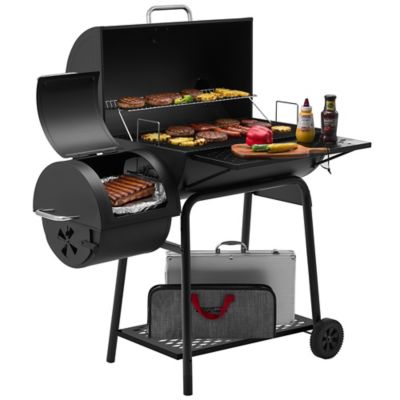
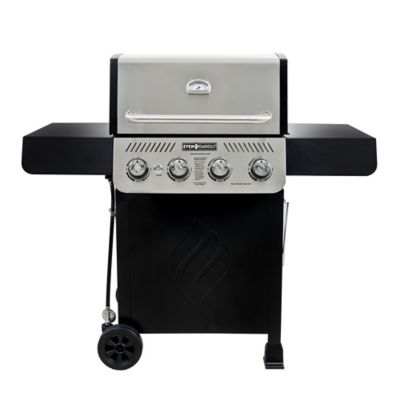
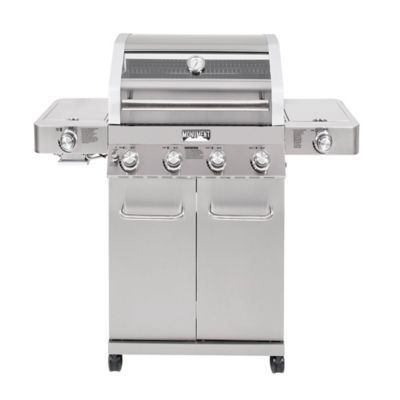
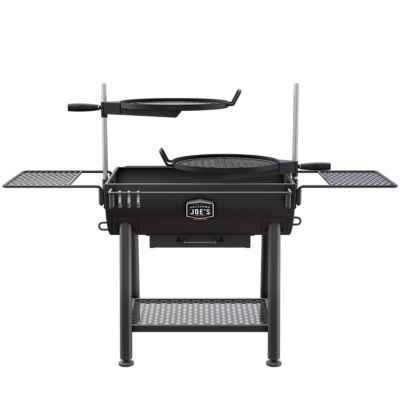
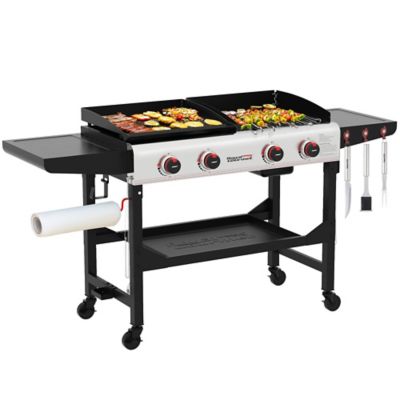
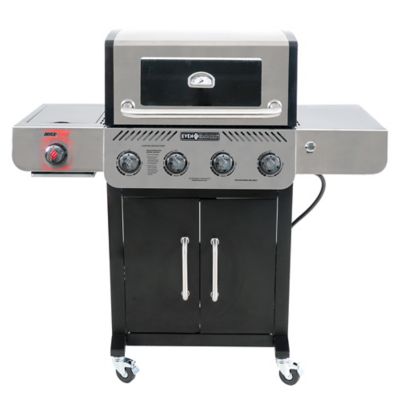
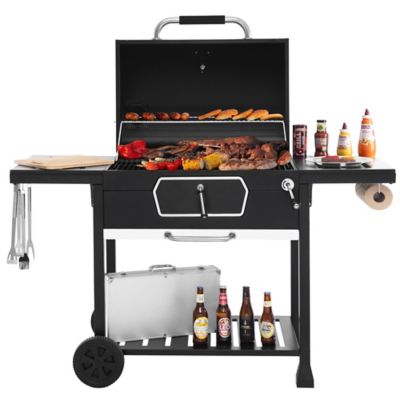
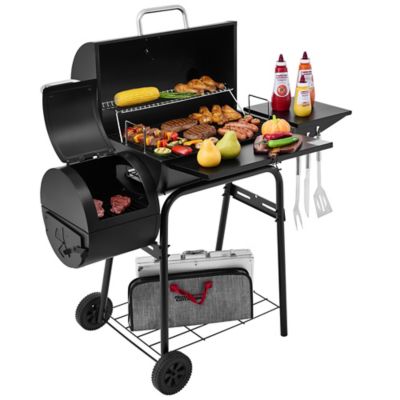
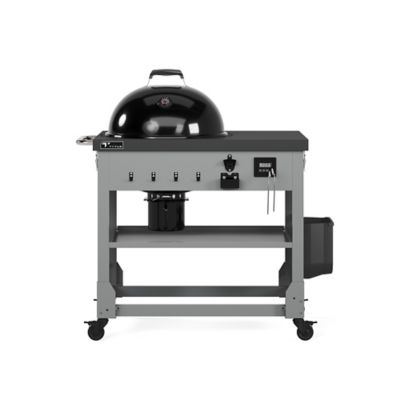
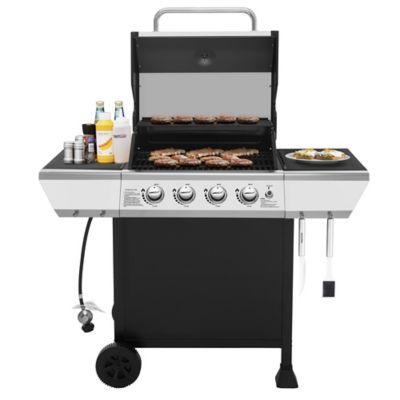
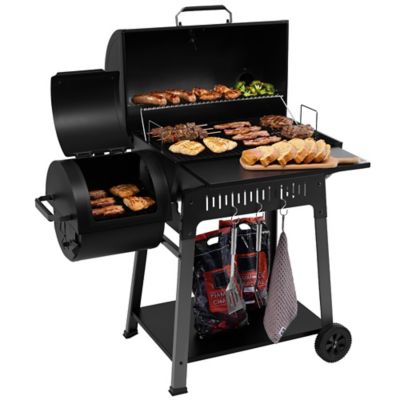
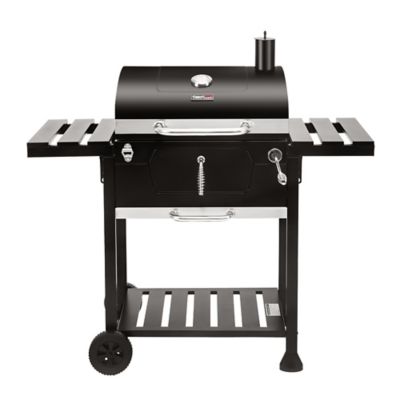
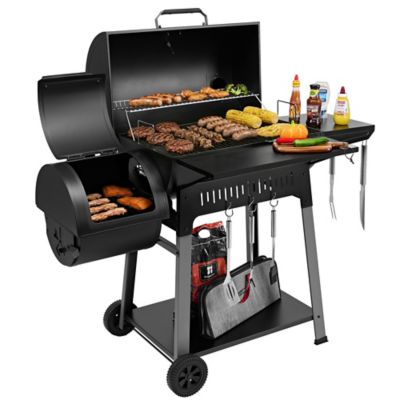
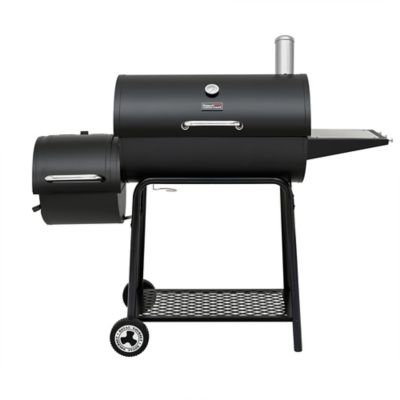
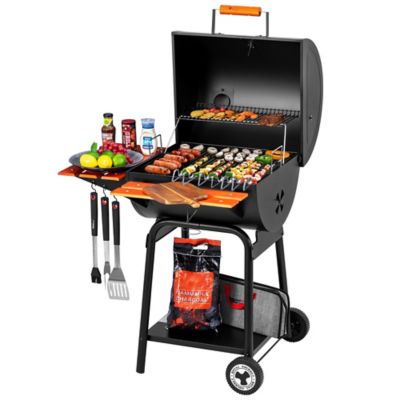
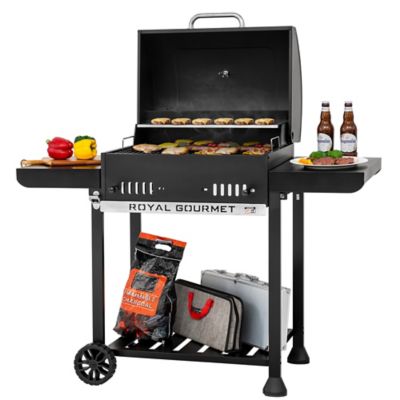
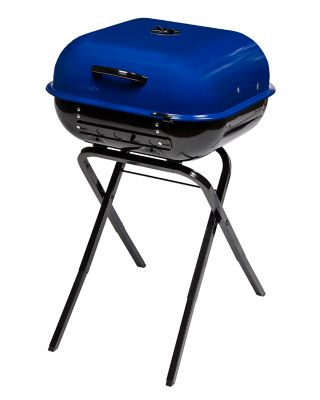
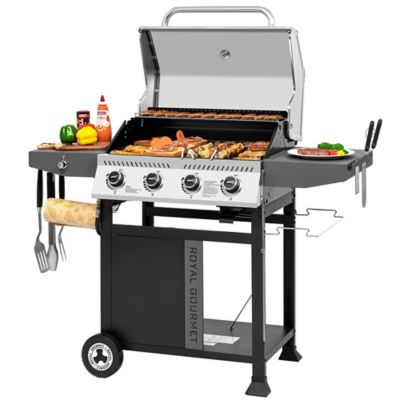
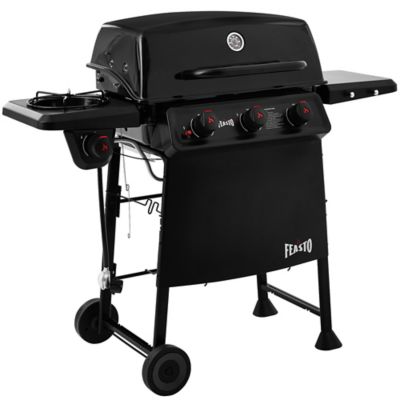
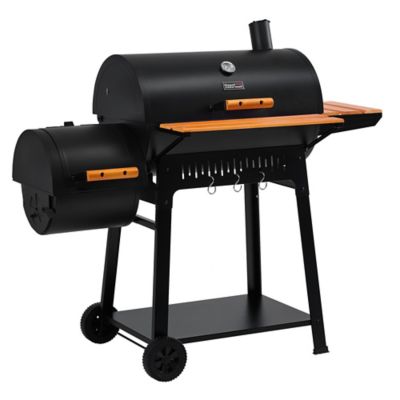
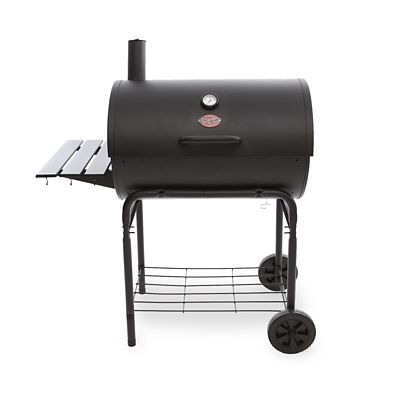
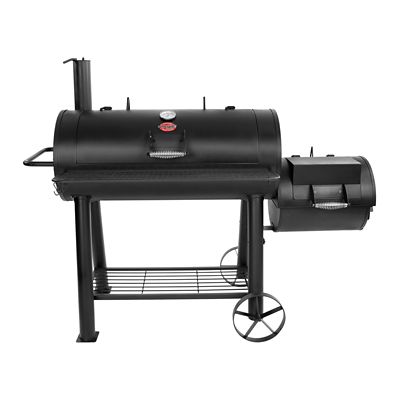
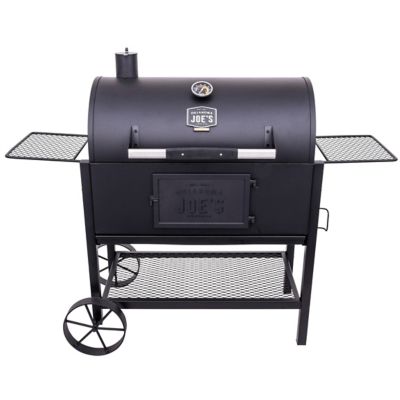
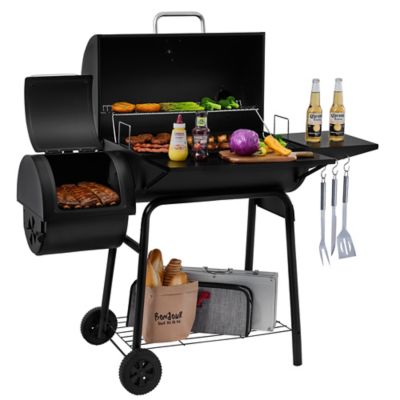
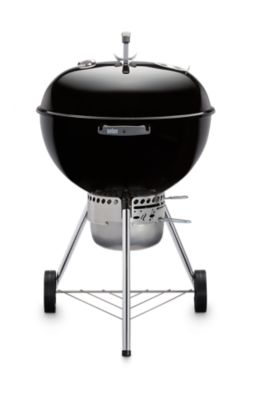
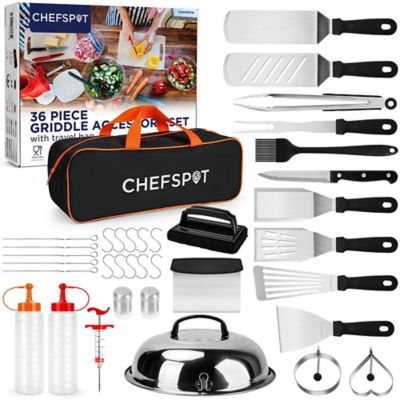
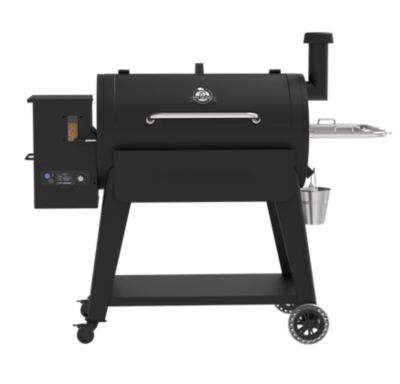
A Mother’s Day cookout puts good food and time together at the center of the celebration, whether the table is set for two or the whole family is coming over after chores. A grill for Mother’s Day can be a thoughtful gift for a mom who enjoys cooking outside, or part of a backyard setup where somebody else takes over supper and lets her settle into a chair. The right fit depends on what she likes to cook, how many people usually gather and how much attention she wants to give the fire. Gas grills offer straightforward heat adjustments and can suit everything from a quick supper to a spread with several dishes cooking at once. Charcoal grills bring a more hands-on approach, with the fire arrangement helping create hotter searing areas and gentler cooking zones. Pellet grills offer temperature-controlled cooking with wood smoke, making them worth considering for someone who enjoys longer cooks as well as everyday meals. Most pellet grills need electricity, so outlet access matters alongside fuel storage and cooking space. Griddle-style cooking surfaces suit foods that benefit from a broad, flat surface, including breakfast favorites, sliced vegetables and smaller seafood. Cooking area matters, but the biggest grill is not automatically the best match. A smaller household may appreciate a manageable footprint, while frequent hosts may want enough room to cook the main dish and vegetables without crowding everything together. Separate heat zones are handy when thick steaks, tender asparagus and bread need different treatment. Check the overall dimensions, including shelves and the space needed to open the lid, against the intended outdoor cooking area. Room to stand comfortably, move food and keep children clear of hot surfaces matters just as much as room for the grill itself. For a gift, matching familiar cooking habits often means more than choosing a setup with the longest list of features. Someone who enjoys tending a charcoal fire may value that experience more than extra controls, while a frequent weeknight cook may prefer a simpler start and cleanup.
Construction and upkeep make a real difference in how a grill fits everyday life. Stainless steel is common in grill bodies and cooking components, though finish, thickness and care needs vary. It can still show grease, discoloration or corrosion, especially when residue sits on the surface. Cast-iron cooking grates hold heat well and can help develop a strong sear, but bare cast iron needs drying and seasoning to help keep rust at bay. Porcelain-coated surfaces offer another approach, with cleaning methods that protect the coating from chips and scratches. Cooking surfaces should suit both the food and the amount of maintenance the household wants to take on. A steady frame, secure handles, smoothly moving wheels and a lid that opens comfortably are practical details worth a close look. Working height matters, too: a setup should feel comfortable during a longer family cookout, not just while turning a couple of burgers. Shelves provide a landing spot for food and utensils, while accessible grease collection can make cleanup less of a chore. Storage should keep fuel and supplies in locations permitted by the manufacturer, away from heat where required. Covers need to fit the grill’s dimensions, and they should go on only after the grill has cooled completely. Routine care includes removing food residue, managing grease buildup and checking components according to the owner’s manual. Before choosing a different grate, cooking surface or attachment, confirm compatibility rather than judging by appearance alone. Clearances and placement also deserve attention before a gift reaches the backyard. Fuel-burning grills belong outdoors in open air, never in a garage, shed or other enclosed space, with the manufacturer’s required distance from buildings and combustible materials. A level surface and a clear path between the cooking area and the table make serving easier. Those details help keep the focus on the meal instead of a wobbly setup, a cramped walkway or a scramble to find somewhere safe for a hot pan.
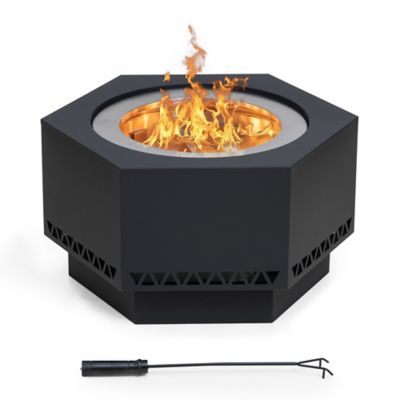
Mother’s Day grilling can cover much more than burgers, and the menu helps show which cooking features will earn their place. A family that favors ribeye or flank steak may appreciate strong searing heat and room to finish thicker portions away from the hottest part of the fire. Salmon benefits from a setup that supports gentler cooking, while cedar-plank cooking calls for a food-safe plank intended for that purpose and a grill that can accommodate it safely. Shrimp cook quickly and fit well into a meal with bright citrus flavors, grilled vegetables and a simple side. Enough room to separate quick-cooking seafood from longer-cooking foods helps the cook bring supper together without rushing. Asparagus, peppers and corn can share the menu, while peaches or bananas offer a grilled dessert alongside vanilla ice cream or chocolate. These dishes do not require an elaborate celebration; a familiar picnic table, a favorite meal and somebody else handling the dishes can make the day feel special. Food safety remains part of a relaxed cookout. A food thermometer should guide doneness rather than color alone: whole cuts of beef need an internal temperature of 145°F followed by a three-minute rest, ground beef needs 160°F, fish needs 145°F and poultry needs 165°F. Separate plates and utensils for raw and cooked food help prevent cross-contamination. When the grill is a gift, think beyond the first holiday meal to the breakfasts, family suppers and weekend gatherings it may support. Easy-to-reach controls, comfortable handling and a manageable cleaning routine can matter more over time than extra cooking space that rarely gets filled. For another way to make the backyard a gathering place, explore
Fire Pit for Mother's Day, keeping any seating area safely separated from active cooking and hot equipment. Whether Mom enjoys tending the fire herself or would rather have dinner brought to the table, a well-matched grilling setup gives the celebration a purpose that lasts beyond one meal.