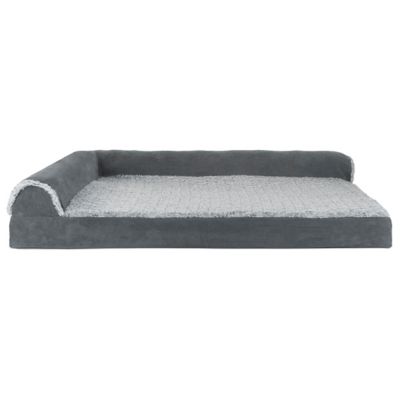
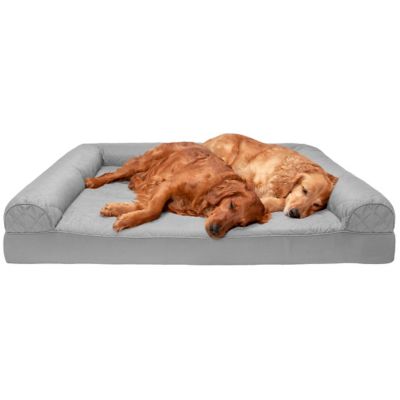
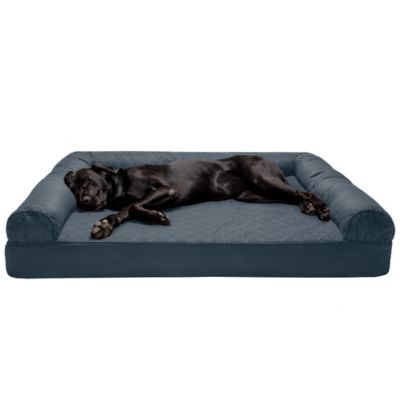
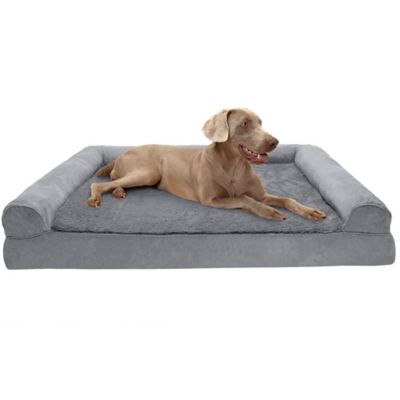
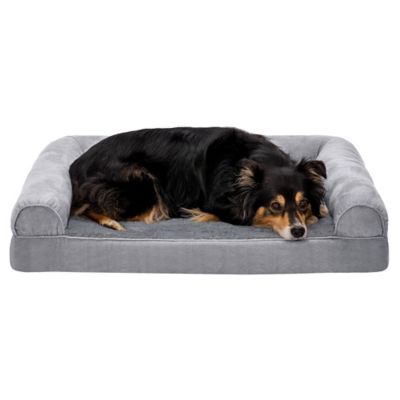
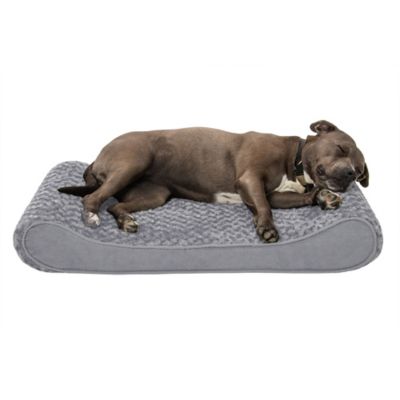
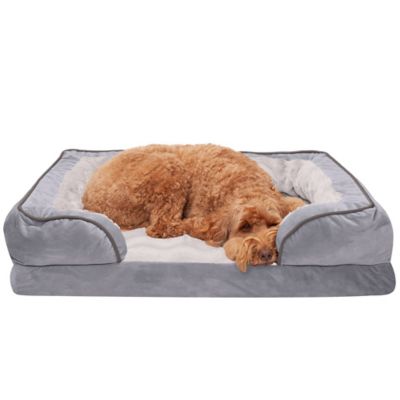
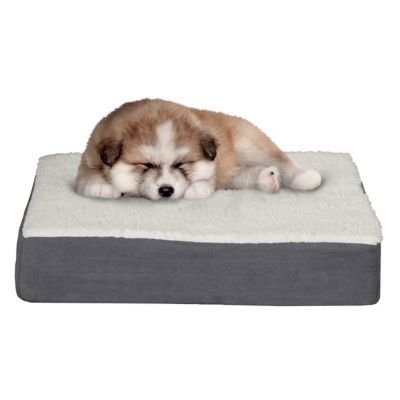
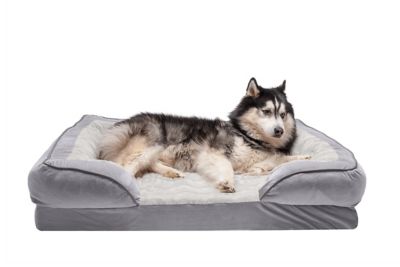
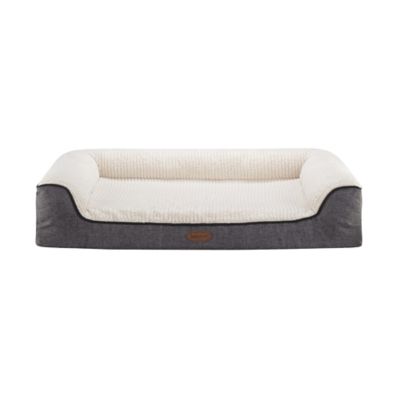
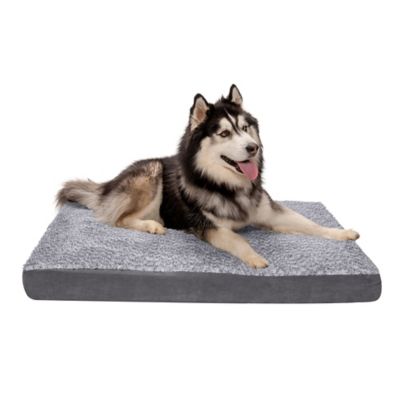
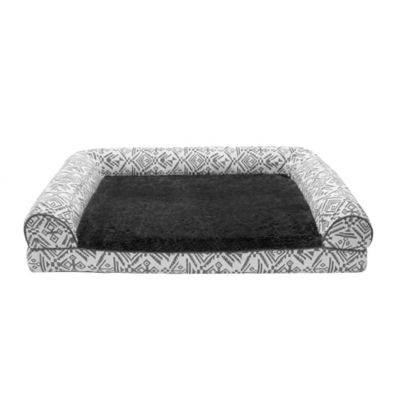
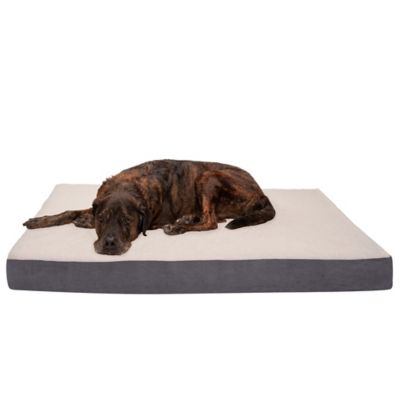
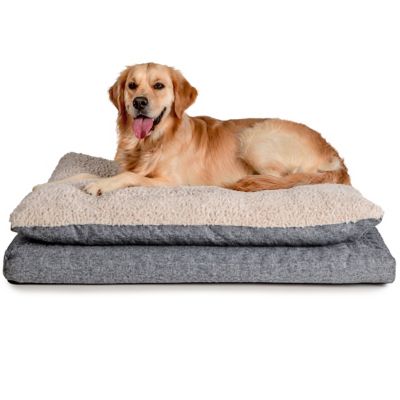
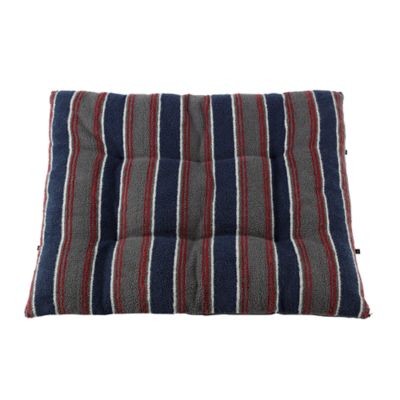
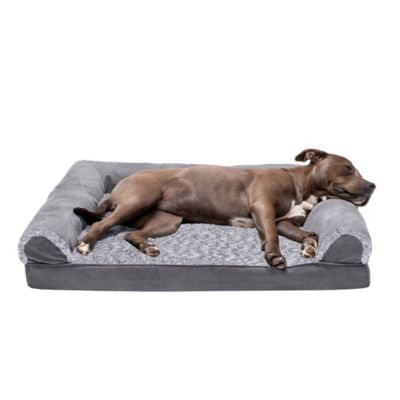
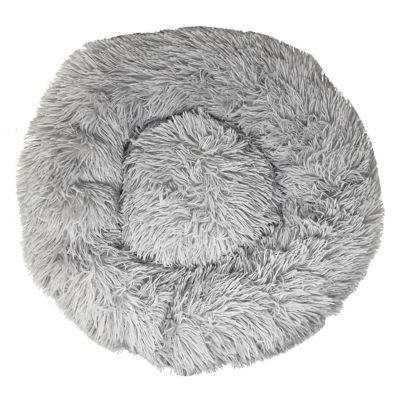
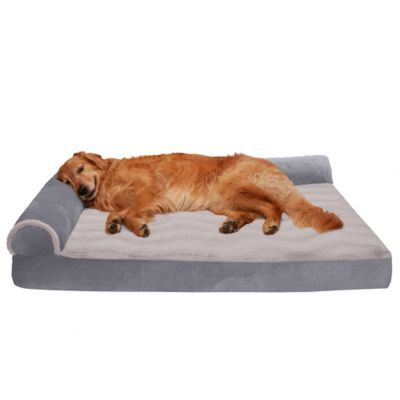
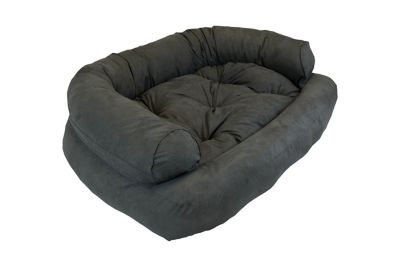
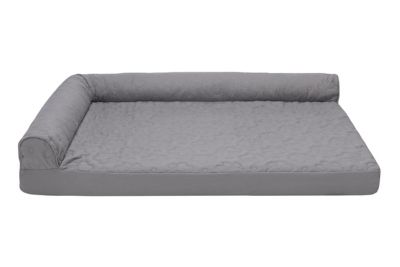
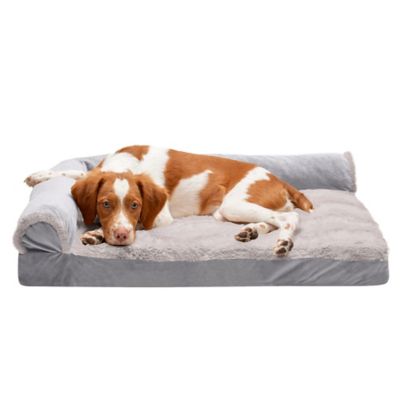
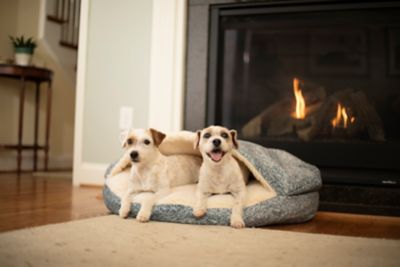
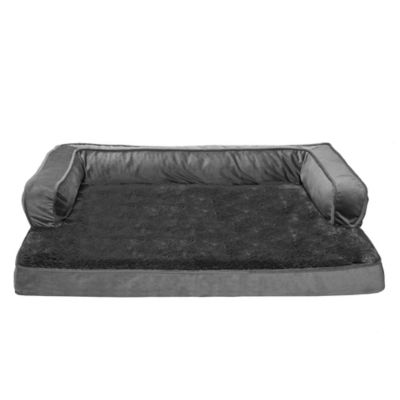
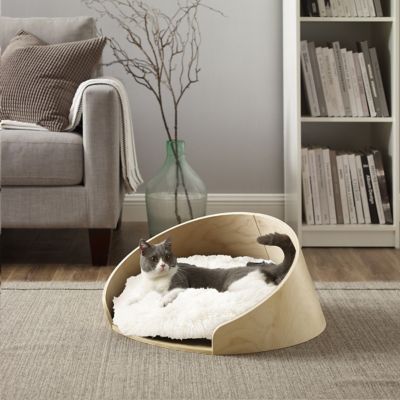
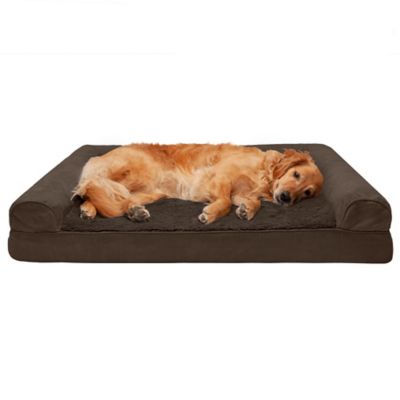
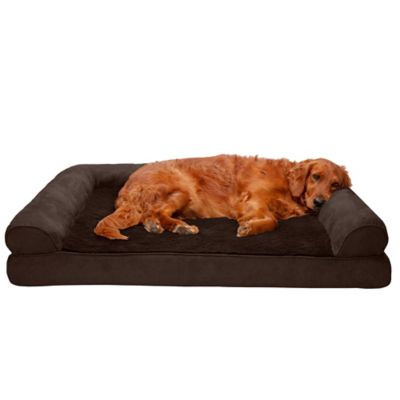
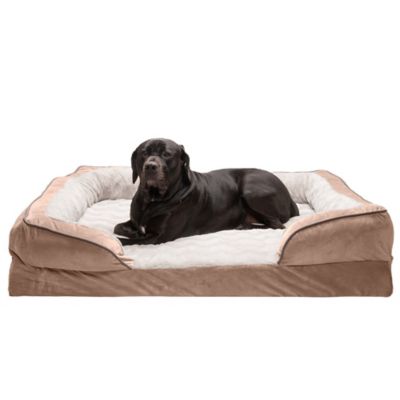
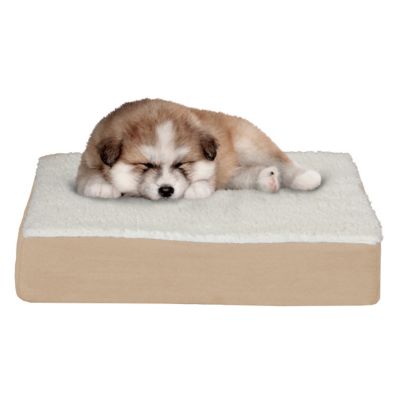
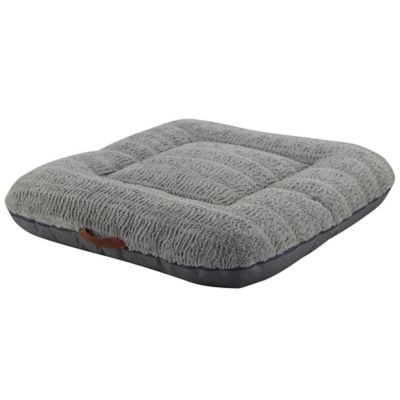
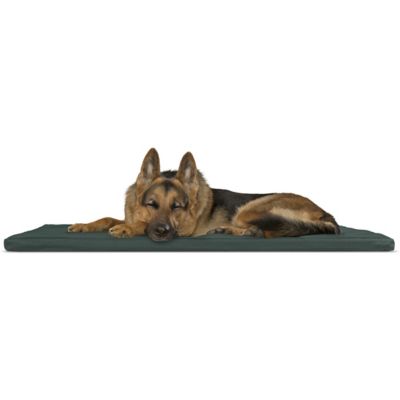
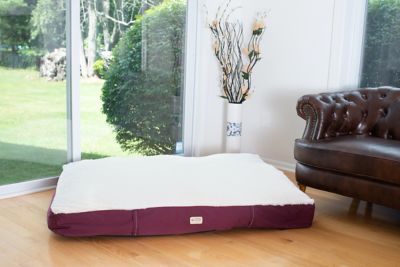
Large gray dog beds give bigger dogs a place to stretch out, settle in and rest without squeezing onto a cushion meant for a smaller companion. The main differences come down to sleeping space, cushioning, cover material and bed shape—not color alone. A roomy mattress-style bed suits a dog that sleeps on its side with legs extended, while a bolster bed gives a head-resting hound or curled-up shepherd an edge to lean against. Sofa-style designs combine an open entry with raised sides, offering room to climb aboard without stepping over a rim all the way around. For a large dog, the usable sleeping area matters more than the outside dimensions. Thick bolsters take up space, so two beds with similar overall measurements can leave very different amounts of room for the dog. A good fit accommodates the dog’s full resting position, including stretched-out paws, rather than just its standing body length. Weight recommendations also help narrow the fit, but they work best alongside measurements and sleeping habits. Memory foam conforms under a dog’s weight, while other supportive foams provide cushioning with a firmer feel. Egg-crate foam has a contoured surface, and loose fiber filling offers a softer, nestlike feel that may need occasional fluffing. Foam density, thickness and construction all affect how well a cushion supports a heavier dog; thickness alone doesn’t tell the whole story. If the filling compresses until elbows or hips nearly reach the floor, there’s little padding left where it counts. Beds described as orthopedic generally emphasize supportive cushioning, but that label doesn’t make every design equally suitable for every dog. Older dogs and dogs with limited mobility may find a low entry easier to manage than tall, enclosed sides. Supportive bedding can make resting more comfortable, though it isn’t a substitute for veterinary attention when a dog has pain or trouble getting up. Whether the dog spends the day tagging along around the property or snoozing near the kitchen, enough room and appropriate support make the bed a more inviting resting spot.
The cover has a big part in how a gray dog bed feels and how much work it takes to keep clean. Smooth woven fabrics can be easier to brush free of loose hair, while fleece and plush surfaces offer a softer feel but may hold onto fur and bits of debris. Canvas-style fabrics, polyester covers and suede-like textures each have a different feel under paws, so the best match depends on the dog’s habits as much as the room where the bed sits. A dog that circles and scratches before lying down puts extra strain on seams and surface fabric. Closely stitched seams, reinforced edges and a cover that fits without excessive loose material are worth a look for that kind of everyday wear. No fabric bed should be treated as protection against determined chewing, and torn covers or exposed filling call for prompt attention. Gray shades, from light silver to charcoal, blend easily beside wood floors, a living room couch or a bench in the mudroom. The shade can also affect how noticeable shed hair looks: pale fur tends to stand out on darker fabric, while dark fur shows more clearly on lighter covers. Gray doesn’t hide every paw print, so practical care features still matter. A removable, machine-washable cover can simplify cleanup after muddy paws or an unexpected mess, provided the care label allows machine washing. The cover and insert may have different cleaning requirements; washable fabric doesn’t mean the foam can go through the same cycle. Water-resistant liners help limit moisture reaching the cushion, while waterproof liners offer a stronger barrier when their construction and seams provide that protection. Neither replaces timely cleanup. Letting all layers dry fully before putting the bed back together helps prevent trapped dampness. Accessible zippers make cover removal less of a chore, and protected zipper placement can keep hardware away from a dog’s resting position. Regular hair removal, attention to seams and care that follows the label help a large dog bed stand up to daily lounging without turning laundry day into a project.
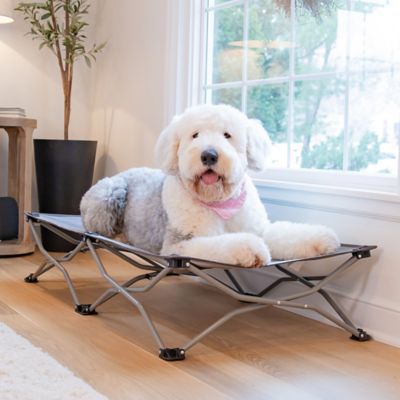
Where the bed lands is almost as important as its size. A quiet corner near the family gives a dog company without placing the cushion in the middle of foot traffic. Beside the couch, against a bedroom wall or near the back door can all make sense, as long as there’s room for the dog to get on and off without bumping furniture or blocking a walkway. A nonslip underside can help limit sliding on smooth floors, especially when a big dog steps onto the bed with some momentum. The floor should still be clean and dry, and the bed should lie flat rather than bunch up beneath the dog. Flat rectangular beds often fit more neatly into crates, but crate bedding needs to match the interior footprint and leave the door and latch clear. Dogs that chew or pull apart bedding need a different approach and supervision suited to their habits. In a household with more than one dog, separate resting spots can give each animal room to settle without crowding. A washable cover is especially handy for the dog that comes in from a walk around the property and heads straight for its favorite spot beside the boots. For porch or patio lounging,
Extra Large Outdoor Dog Beds are a related option to consider, with intended placement, dimensions and care requirements checked separately from indoor bedding. A roomy gray bed can also make a thoughtful gift for someone welcoming a full-grown dog or replacing a cushion their longtime companion has outgrown. Knowing the dog’s size, resting position and tendency to scratch or chew makes that gift more practical. A broad sleeping surface, suitable cushioning and manageable cleanup give these beds a straightforward purpose: a comfortable place for a big dog to rest while everyday life carries on nearby.