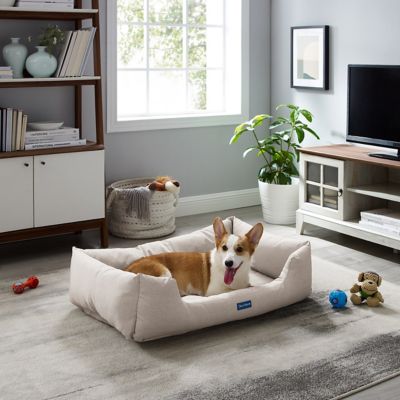
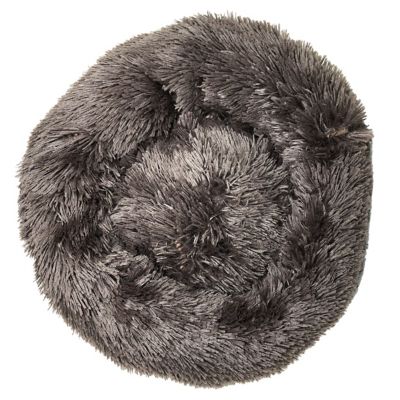
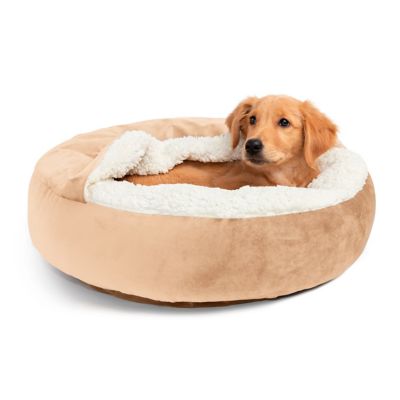
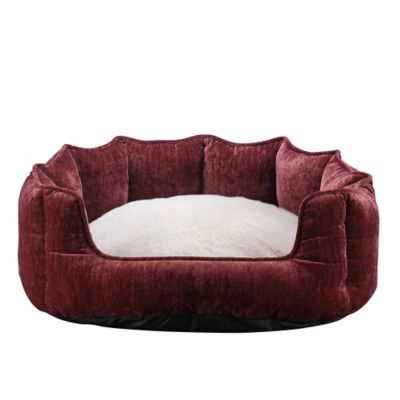
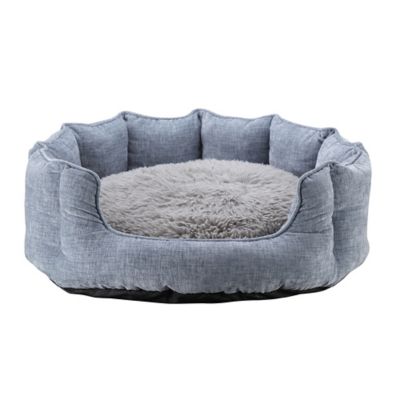
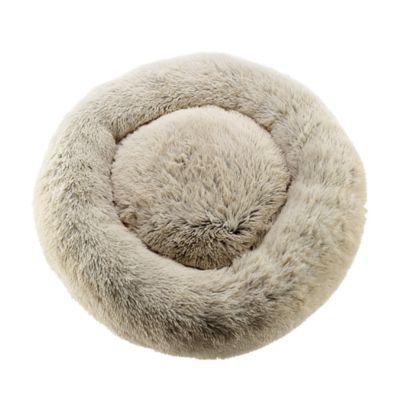
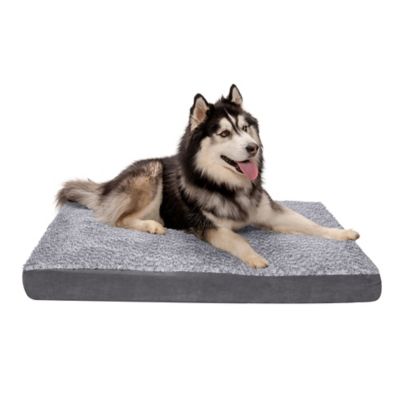
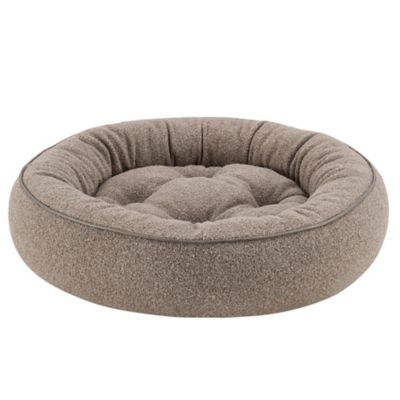
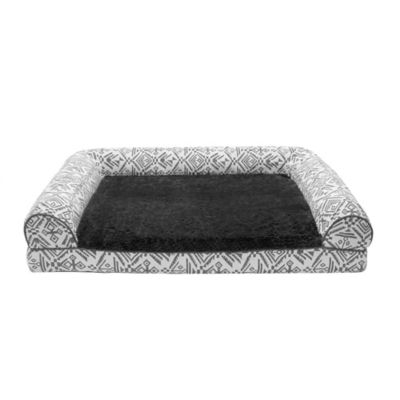
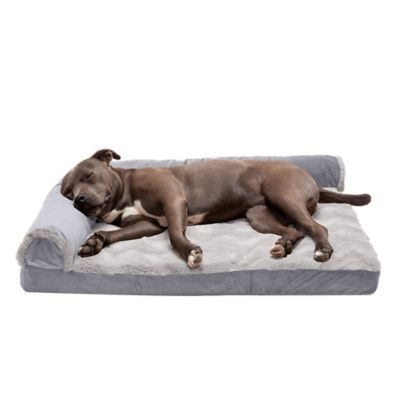
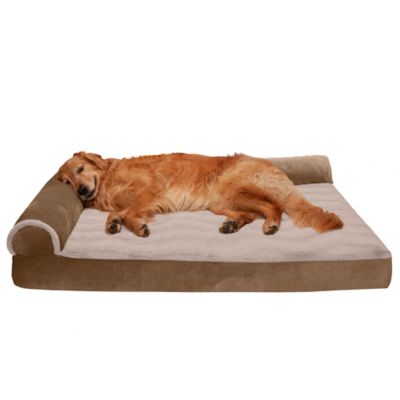
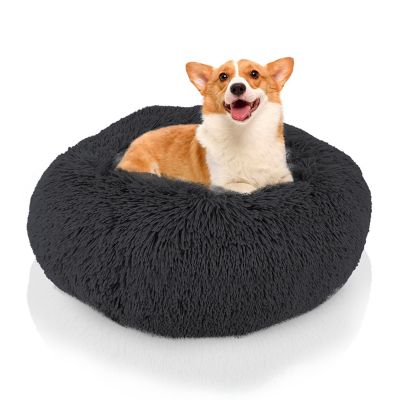
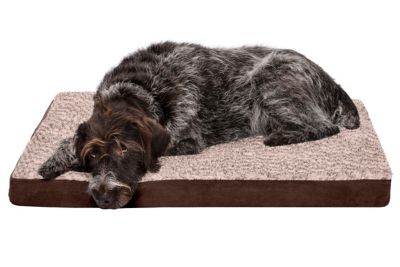
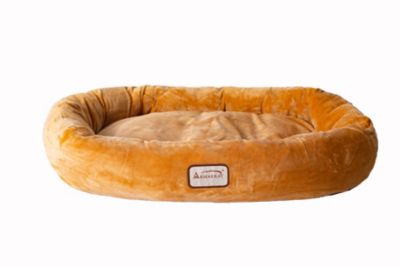
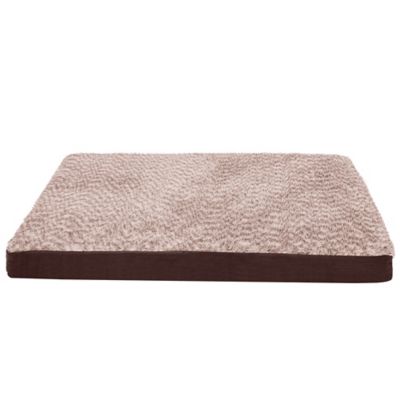
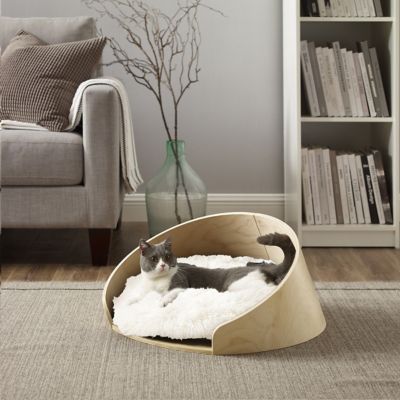
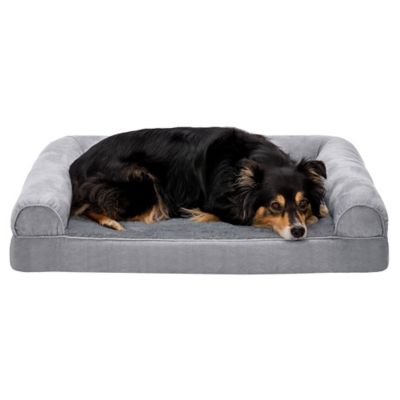
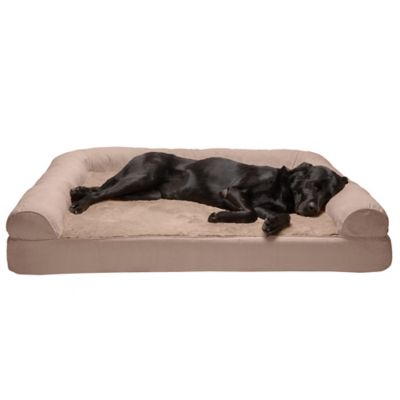
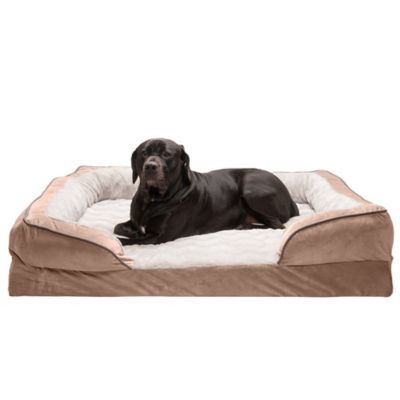
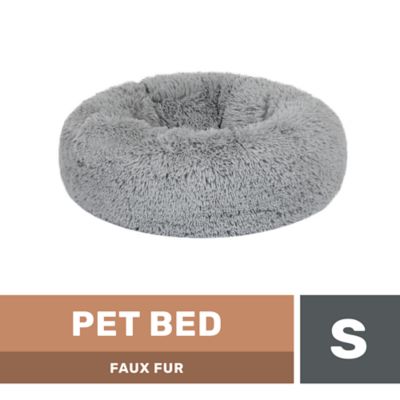
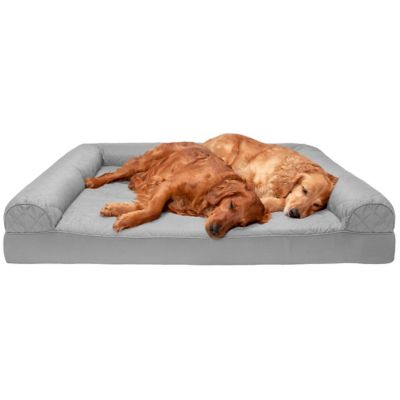
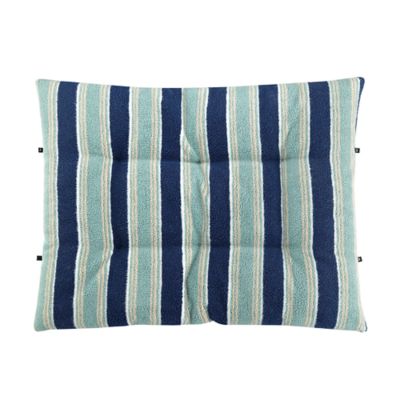
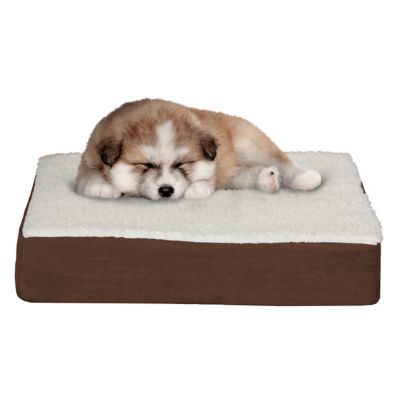
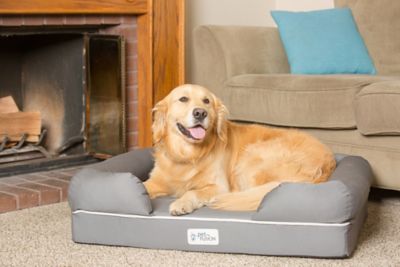
Round dog beds for large dogs offer a roomy place to settle, with a curved shape that suits dogs who circle a few times before curling up. Styles with a raised edge create a nest-like resting spot and give a big dog somewhere to prop a chin, while flat round beds leave more space for legs to stretch beyond the cushion. The best fit depends as much on sleeping habits as on body size. A broad-chested dog that sleeps tucked into a ball may settle comfortably in a round bed, while a long-legged dog that sprawls sideways needs a wider sleeping surface. Watching where paws, hips, and the nose land during a nap gives a better picture of space needs than breed alone. Measurements taken while the dog is resting should leave room for shifting positions without hanging off the cushion. On a bolstered bed, the outside diameter includes the raised sides, so the inner sleeping area is the measurement that matters most for fit. A thick rim can take up a surprising amount of room, especially for a large dog with broad shoulders. Weight recommendations help narrow the choices, but they do not replace checking those dimensions. A bed also needs to fit the spot where it will stay, whether that is beside a favorite chair, along a bedroom wall, or in a quiet corner away from household foot traffic. Leaving a clear approach helps a big dog step onto the bed without squeezing between furniture. For dogs that like to keep an eye on their people, an open round bed offers a resting place without blocking the view. Dogs that prefer to lean against something may take more readily to a bolster that supports their back or head. The round outline can work well for either preference, provided the cushion has enough usable space and the edge matches the way the dog likes to rest.
What is inside a large round dog bed matters just as much as its shape. Loose fiber fill can create a soft, nestable cushion, though it may need regular fluffing to keep the filling spread evenly. Shredded foam offers a different feel and can shift beneath a dog as it settles. A solid foam base provides a more even surface, while layered designs may combine a supportive foundation with a softer top. Memory foam responds to pressure, but thickness and construction still matter under the weight of a large dog. A cushion that looks deep when empty may compress considerably once a heavy dog lies down. Support should keep the hips and shoulders from pressing straight through to the floor, especially during a long nap after a walk or a day tagging along with chores. Beds described as orthopedic vary in construction; the label alone does not establish how a bed will feel or whether it will suit a particular dog. Older dogs and dogs that move stiffly may benefit from a lower entry that does not require lifting their legs over a tall bolster. A partial bolster can offer a headrest while leaving an easier opening. Cover materials bring another set of practical differences. Plush fabric gives dogs a soft surface to nuzzle into, while tightly woven fabric may be easier to brush free of hair and everyday grit. Textured upholstery-style covers, smooth fabrics, and fleece each feel different beneath paws and against a short coat. Seams, zippers, and the way the cover fits around the filling deserve attention, too. A loose flap or exposed zipper can invite chewing, and even a substantial bed is not chew-proof. For dogs that dig at their bedding before lying down, sturdy stitching and a closely fitted cover are useful details. A nonslip underside can also help limit movement on smooth flooring, though the bed should still sit flat and clear of walkways.
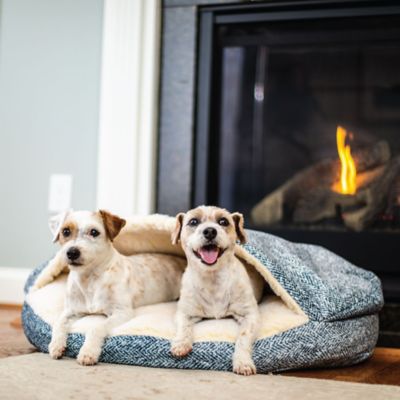
Everyday care makes a big difference when a large dog brings loose hair, drool, and dirt to its favorite resting spot. A removable cover can make cleanup more manageable, particularly when the full bed would be too large for a household washing machine. Care directions should distinguish between the cover and the cushion inside, since washable fabric does not mean the foam or filling can go through the same cycle. Some beds allow the entire cushion to be washed, while others call for spot cleaning of the insert. Checking washer capacity matters with large round beds; crowding a heavy cushion into a small drum can prevent thorough cleaning and rinsing. Covers and filling need to dry completely before the bed goes back together. Between washes, vacuuming seams and brushing away hair can keep buildup from working deeper into the fabric. For puppies still learning house manners or older dogs with occasional accidents, a water-resistant cover or protective liner can help shield the filling. Water-resistant fabric is not necessarily waterproof, and seams or zipper openings may still let moisture through. Cleaning up spills promptly helps protect the cushion beneath. Placement matters for upkeep as well: a bed beside the back door may collect more tracked-in dirt than one in a quiet bedroom. Dogs that favor a sheltered sleeping spot may also be comfortable with
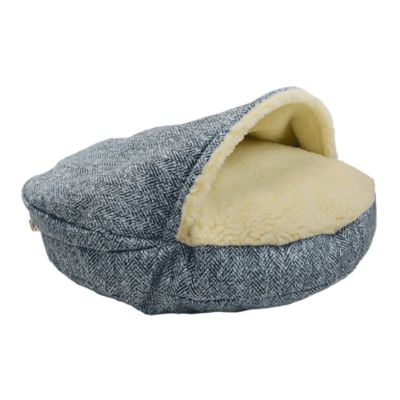
Enclosed Dog Beds For Large Dogs, provided the entrance and interior allow easy movement and a natural resting position. For an open round bed, familiar bedding nearby can help a dog settle into a new resting place without forcing the change. A large bed can also make a thoughtful gift for someone welcoming a big dog home, as long as the dog's measurements and sleeping preferences are known. The most useful choice brings together enough room, appropriate support, an easy approach, and care requirements that fit the household, giving a hardworking farm companion or a laid-back house dog a comfortable place to clock out.