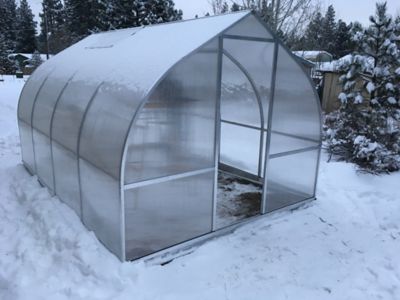
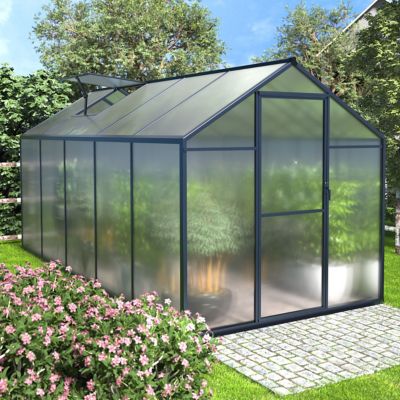
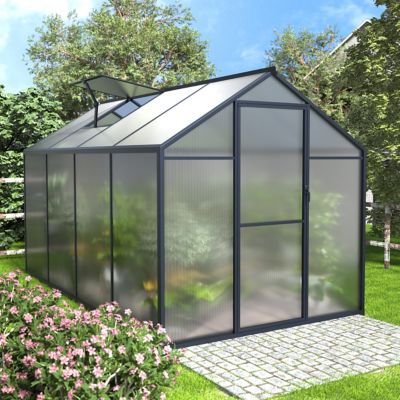
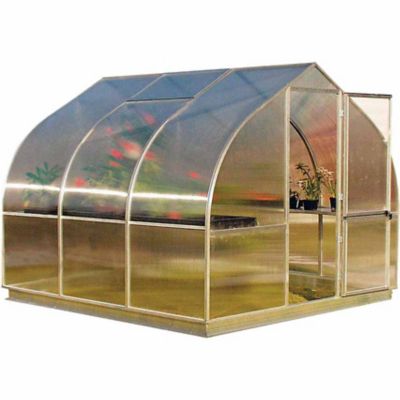
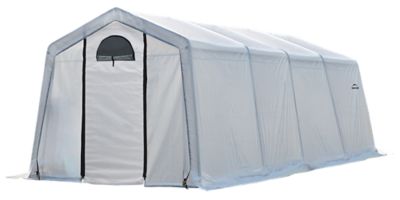
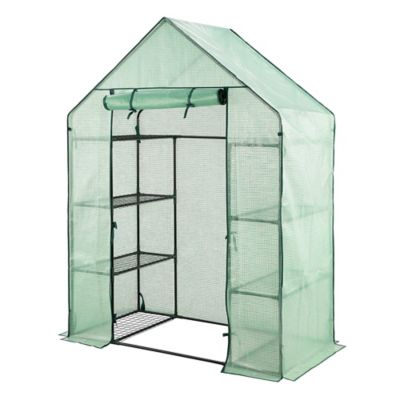
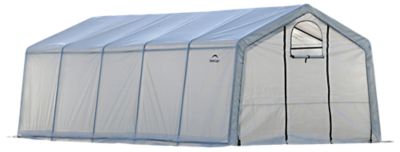
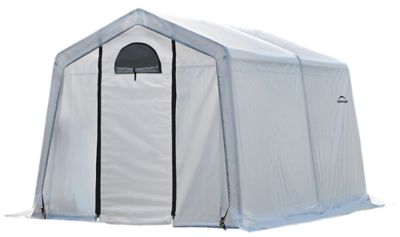
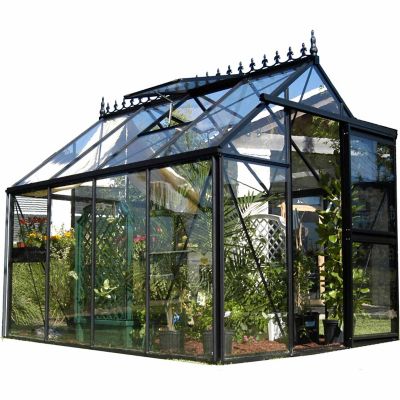
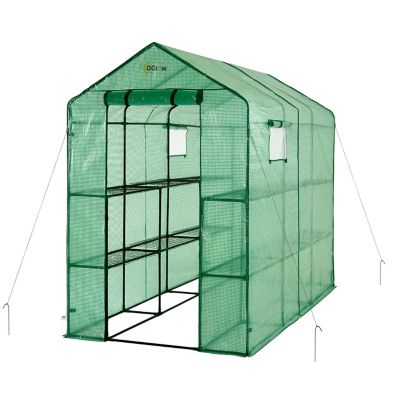
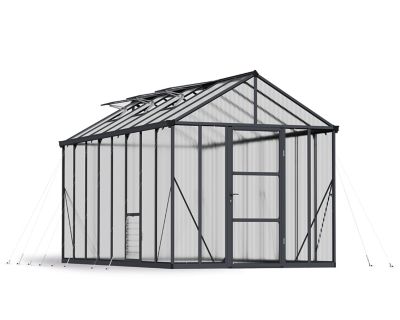
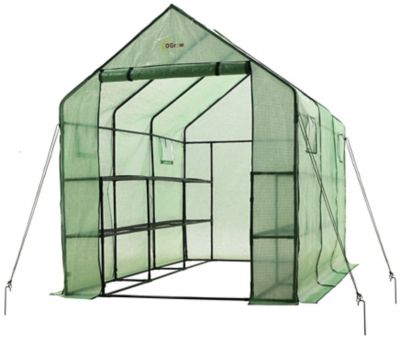
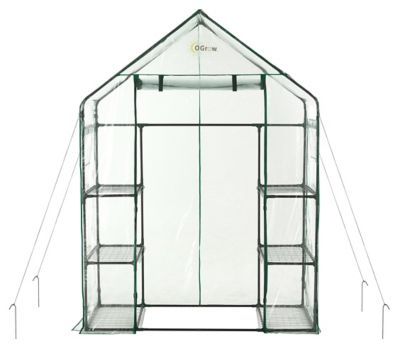
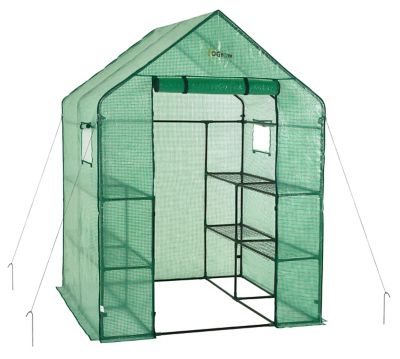
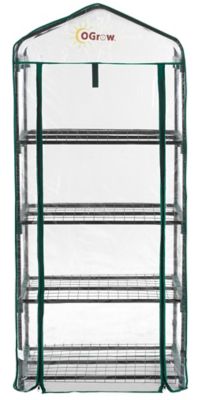
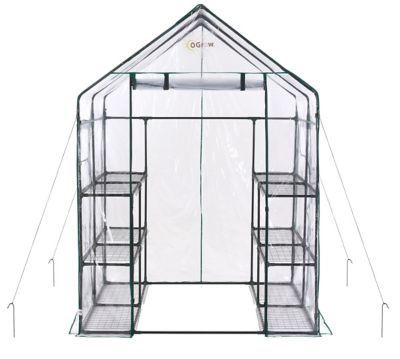
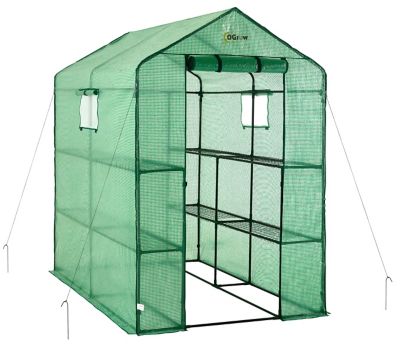
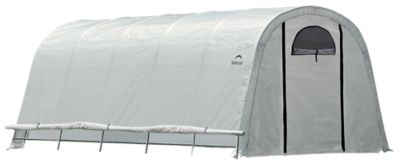
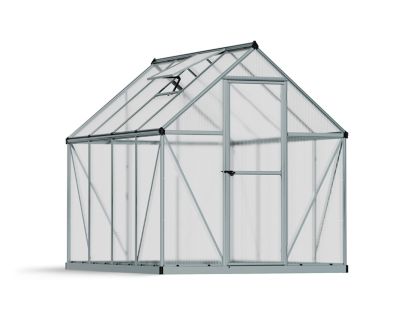
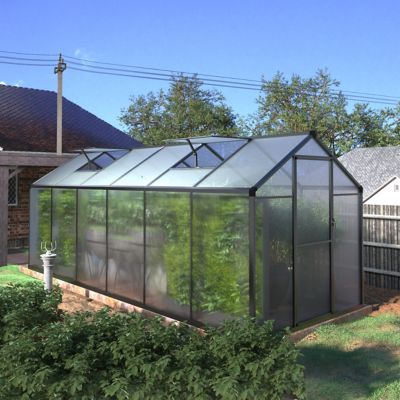
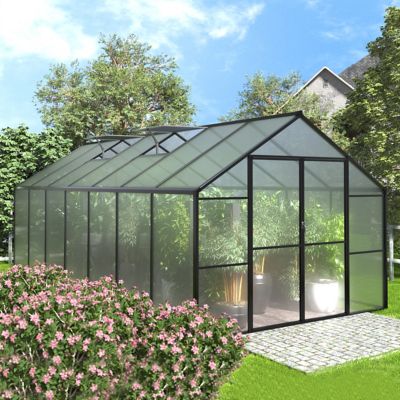
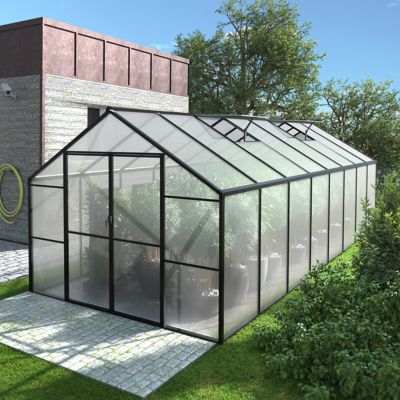
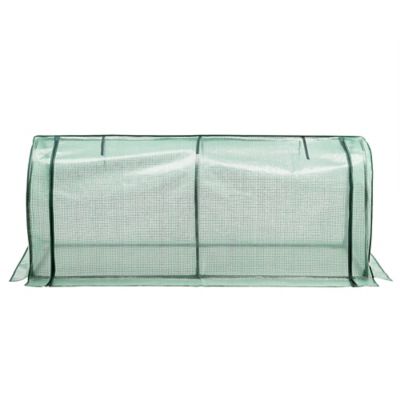
A winter greenhouse gives gardeners a sheltered place to grow cold-tolerant crops, tend plants, and keep a little growing space going when the ground outside is frozen. For a backyard vegetable grower, that might mean rows of spinach and kale tucked out of the wind. For a homesteader or small-acreage owner, it could mean room for propagation trays, tender plants, and a workbench close to the house or barn. The right setup depends on what needs protecting and how much control those plants need. An unheated greenhouse can soften exposure to wind and precipitation, but it does not guarantee frost-free conditions. After sunset, temperatures inside can fall close to those outdoors, especially through long, clear nights. A heated space offers more control, though its performance depends on the covering, insulation, air leaks, and the difference between indoor and outdoor temperatures. Light matters just as much as warmth: short days and low winter sun slow many crops even when the air stays comfortable. That makes winter greenhouse gardening different from simply bringing a summer garden indoors. Leafy greens and certain herbs may suit a modest setup, while tomatoes, peppers, and tropical plants generally call for more heat and light. Greenhouses and their supporting supplies serve everyone from a gardener tending a few containers to a family making room for a larger kitchen garden. A compact structure can keep plant care close at hand, while a walk-in layout leaves space to turn around with a watering can or carry a tray without brushing the walls. For someone who enjoys checking seedlings before morning chores, that sheltered workspace can become a welcome part of the routine. The most useful setup fits the plants, the property, and the amount of attention its owner can give it—not just the footprint shown on paper.
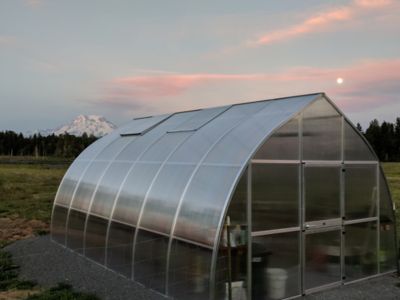
Construction makes a real difference in how a winter greenhouse handles daily wear and rough weather. Aluminum framing resists rust and is relatively light, while galvanized steel offers strength with a protective coating that needs attention wherever scratches expose the metal. Wood framing has a familiar look around a farmstead, though steady moisture makes sound construction and ongoing care important. Coverings bring their own trade-offs. Glass lets in plenty of light and provides a clear view, but it is heavy and can break. Twin-wall or multiwall polycarbonate traps air between layers, helping reduce heat loss while spreading incoming light. Flexible polyethylene film keeps a structure lighter, though its service life depends on its rating, sun exposure, attachment method, and weather conditions. No covering alone makes a greenhouse ready for every winter. Published wind and snow-load ratings, frame spacing, bracing, and anchoring all deserve a close look, especially on an open property where gusts have a long run across a field. A roof that sheds snow more readily still needs attention according to the manufacturer’s directions; a greenhouse should never be assumed to handle an unlimited load. Fit includes the site as well as the structure. Low winter sunlight can disappear behind a shed, evergreen windbreak, or nearby hill, so a spot that looks bright in summer may provide much less light in winter. Level footing, drainage, and a secure foundation help keep the frame aligned and prevent puddles around the entrance. Door width matters when carrying flats or moving a garden cart, and enough headroom makes everyday work easier in a heavy coat. Bench depth and aisle space should leave room for mature foliage rather than just empty pots. Shoppers comparing layouts and growing needs can explore
Best Greenhouse For Gardening for more context. A well-matched greenhouse balances room to work, access to sunlight, weather protection, and the practical demands of the property.
The supplies inside a winter greenhouse help turn a covered enclosure into a workable growing space. Heating equipment should be rated for the setting, sized for the structure’s heat loss, and installed with the required clearances and connections. Fuel-burning equipment also needs proper venting; an enclosed growing area is no place for an outdoor-only heater. Electrical equipment, cords, and connections need ratings appropriate to the moisture they may encounter. A thermostat can help manage heat, while temperature readings near plant height show more about crop conditions than a reading beside the heater. Root-zone warmth from propagation equipment serves a different purpose from heating the whole enclosure, which matters when the goal is starting seeds rather than maintaining mature tender plants. Even on a freezing day, sunshine can raise temperatures quickly behind a clear covering. Vents and gentle air circulation help manage excess heat and dampness, reducing the stagnant conditions that favor some plant diseases. Shelving and benches need to support the weight of wet potting mix and containers, with surfaces that drain and clean readily. A boot-friendly floor with good drainage makes spilled water easier to manage, though wet surfaces can still become slick or freeze near an entrance. Water access deserves thought, too: hauling cans across an icy yard gets old fast, while exposed hoses and plumbing may freeze without protection. Containers with drainage holes and growing media suited to the crop help keep roots from sitting in water, especially when slow winter growth reduces how quickly pots dry out. Routine care includes clearing fallen leaves, washing containers between plantings, checking fasteners and anchors, and cleaning coverings with methods approved for the material. Those small jobs preserve light transmission and help catch wear before a storm tests the structure. For a gardening gift, greenhouse accessories make the most sense when they fit the recipient’s bench space, growing plans, and power setup. Whether the space holds a few pots of herbs or several beds of greens, useful winter greenhouse equipment earns its place by making regular plant care more manageable. The result is a sheltered spot built around real growing needs, with room for muddy boots, a watering can, and the next tray of seedlings.