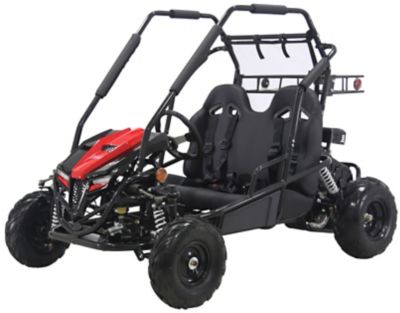
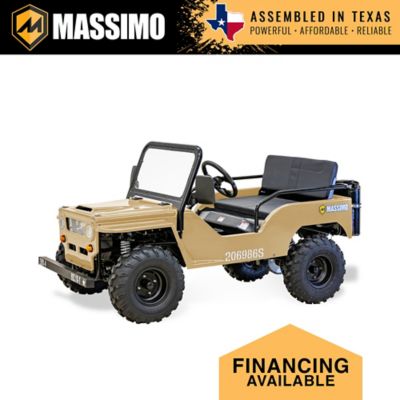
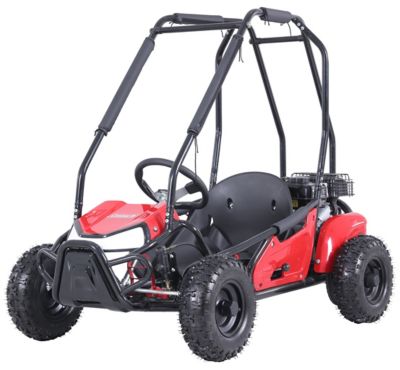
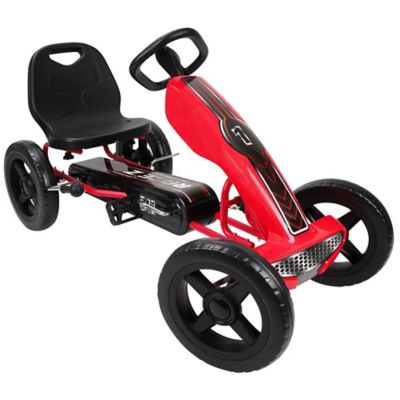
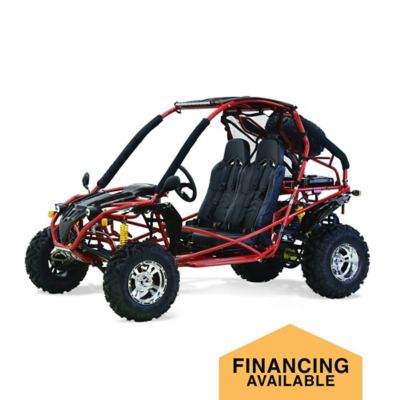
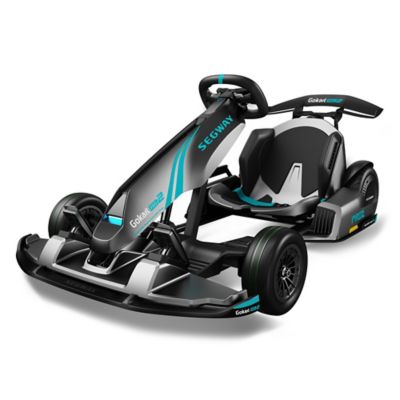
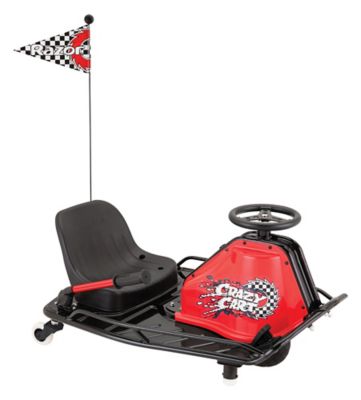
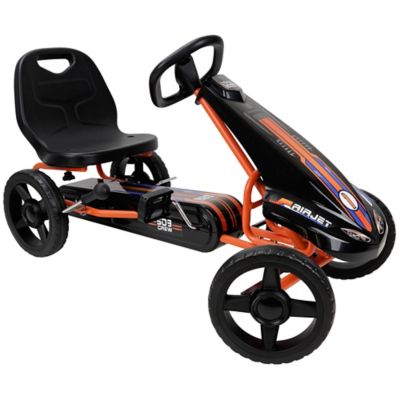
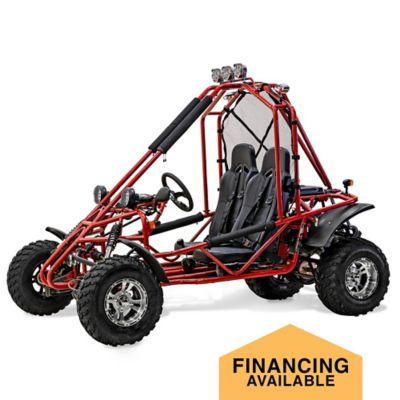
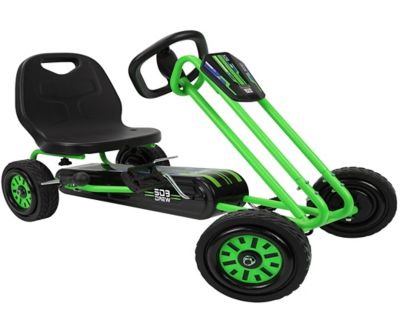
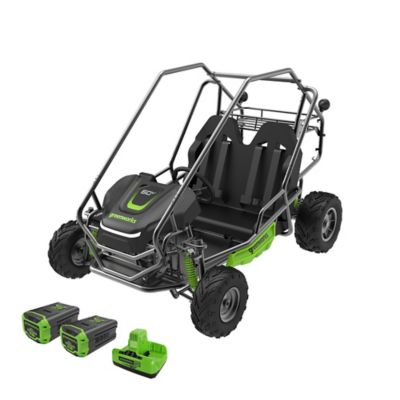
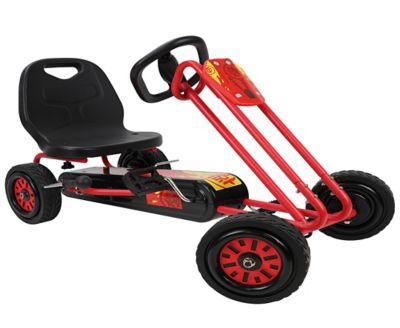
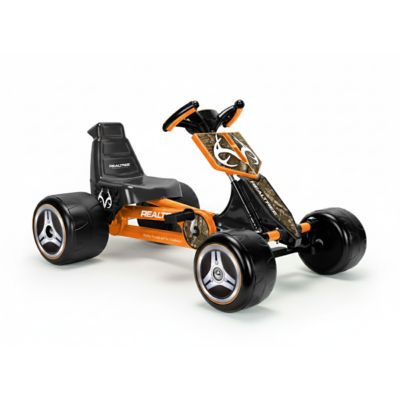
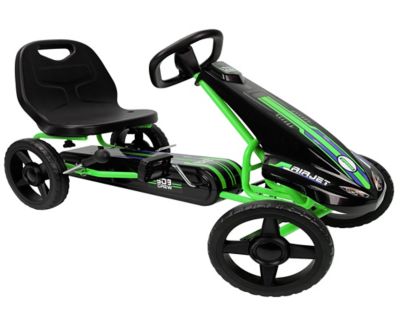
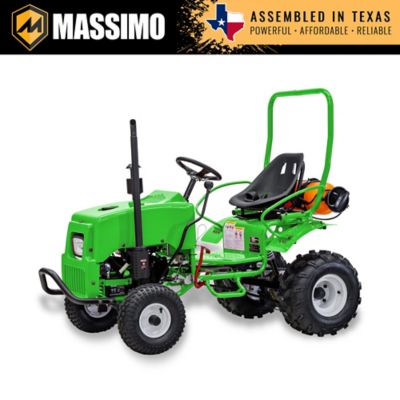
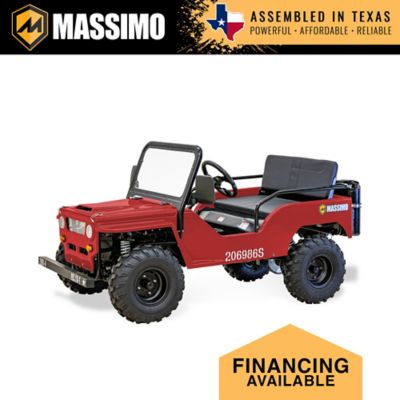
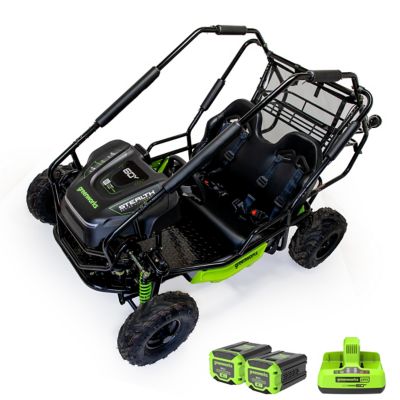
Go karts for teens bring a little backroad excitement to open land, family property and approved riding areas. They can give a teenager a fun way to spend time outdoors, learn basic driving habits and enjoy the feel of steering across a level field or maintained trail. These vehicles may be a fitting gift for a birthday, graduation, holiday or another milestone, especially for teens who enjoy outdoor recreation, motorsports, farm life or working with machines. A go-kart can also become part of family time, with parents, grandparents and older siblings taking turns, helping with care and setting clear riding rules. Before choosing one, think about who will drive it, where it will be ridden and how often it will come out of storage. Teen riders vary widely in height, weight, confidence and experience, so check the manufacturer’s age, rider-size and weight guidance rather than choosing by appearance alone. Seat position, steering reach and pedal placement all matter when a young driver is learning. A properly sized kart should let the rider sit comfortably, see the path ahead and reach the controls without stretching or crowding. Keep the riding area in mind as well. A compact model may fit smaller yards and tighter paths, while a larger kart may be better suited to broad, private ground with room to turn. Smooth grass, packed dirt and designated trails can offer different driving experiences, and slopes, loose gravel, standing water, rocks and low branches call for extra care. Public roads are generally not an appropriate place for these recreational vehicles, and local rules may limit where they can be operated. Check applicable township, county and state requirements before the first ride, and look for any property rules that apply to off-road vehicles.
Safety equipment and preparation belong in the same conversation as the kart itself. A properly fitted helmet is essential, and eye protection can help shield a rider from dust, grit and small branches on outdoor paths. Closed-toe shoes, long pants and gloves can add protection and comfort, while a properly fastened seat belt should be part of every ride when the kart includes one. Some families also choose additional protective gear based on the terrain, rider experience and local conditions. First rides are best kept short and supervised, with the teen learning how the throttle, brake, steering and stopping system respond before moving to more open ground. A parent or another responsible adult can walk the route ahead of time, point out ruts and obstacles, and set simple boundaries such as no passengers unless the kart is designed for them, no racing near people or animals, and no riding after dark. Keep pets, livestock, children and farm equipment away from the riding area, and never assume a familiar property is free of hazards. Fences, ditches, gates, fallen limbs and uneven ground can appear quickly, especially when a rider is focused on the path. For families new to this type of recreation,
Go Karts for Beginners offers a helpful starting point for learning about basic features and first-time considerations. During the cooler months, check that the teen can operate the controls while wearing layers and gloves, and remember that damp leaves, frost and soft ground can change traction. As the weather warms, dust and dry grass create their own concerns, so keep the riding area clear and follow all instructions for the vehicle.
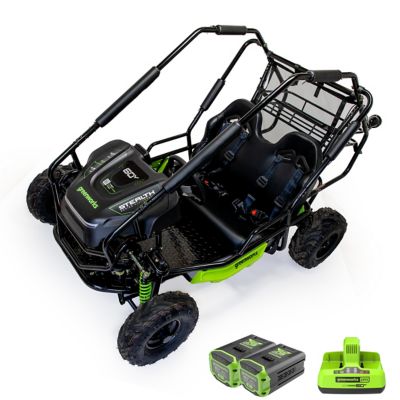
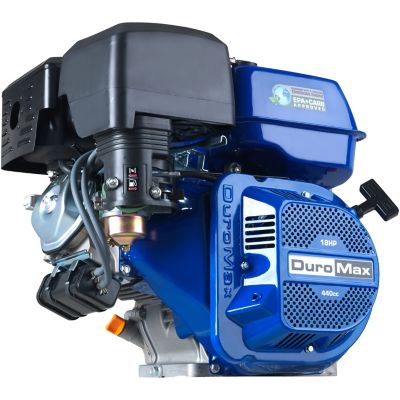
The right go-kart also depends on power source, maintenance needs and everyday storage. Gas-powered models may appeal to families who want longer rides away from an outlet, while electric models can be convenient for short outings near a charging area and may offer a quieter experience. Look at the expected ride time, charging or fueling process, sound level, starting method and care requirements before making a selection. Read the owner’s manual from start to finish, including instructions for tire checks, brake inspection, battery care, chain or belt attention and safe storage. A quick walk-around before each ride can catch loose hardware, low tire pressure, worn tread or a control that does not feel right. After riding on dusty trails or damp grass, a simple cleaning routine can help keep dirt from building around moving parts. Store the kart in a dry, covered spot away from rain, snow, livestock and direct weather exposure, and keep keys, chargers, fuel and maintenance supplies where younger children cannot reach them. If the kart is intended as a gift, involve a parent or guardian in the decision so the size, power, storage space and riding location all make sense for the household. A thoughtful gift includes the equipment needed for safe riding, a clear plan for supervision and enough room to learn at a comfortable pace. Some teens may want to cruise along a farm lane at a relaxed speed, while others may enjoy practicing turns and stops on a marked course. Either way, steady instruction and patient supervision help build good habits. With the proper fit, protective gear and a suitable riding area, a go-kart can turn an open stretch of private ground into a place for fresh air, family time and memorable afternoons throughout the changing seasons.