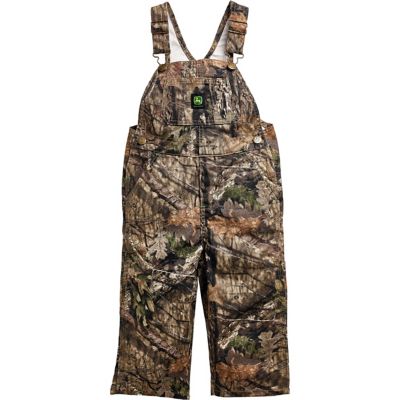
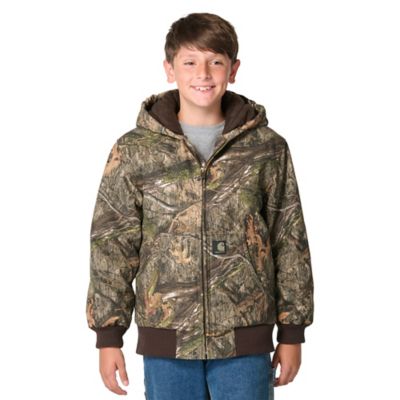
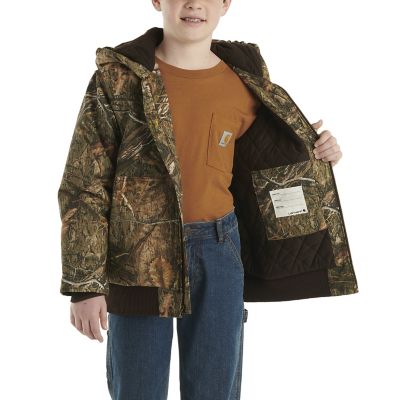
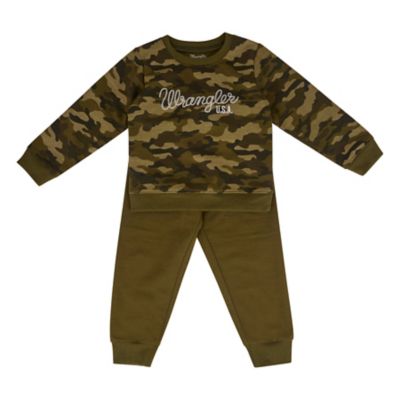
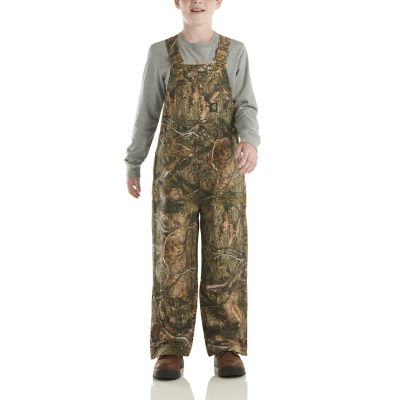
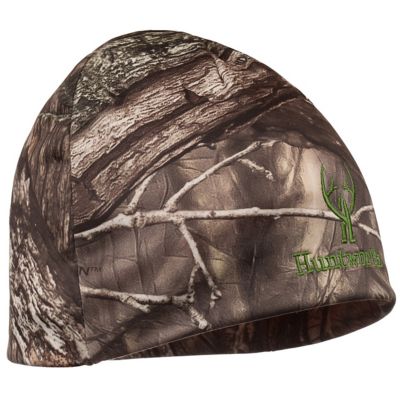
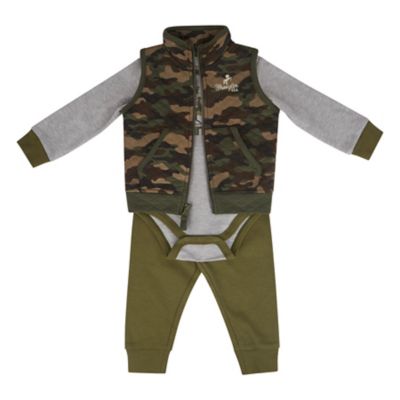
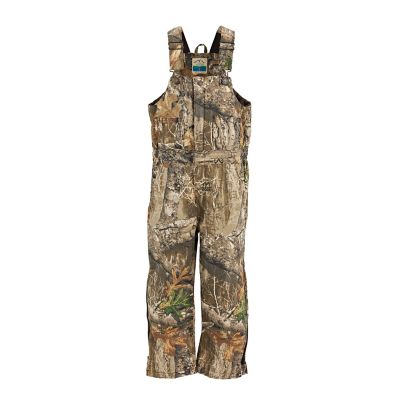
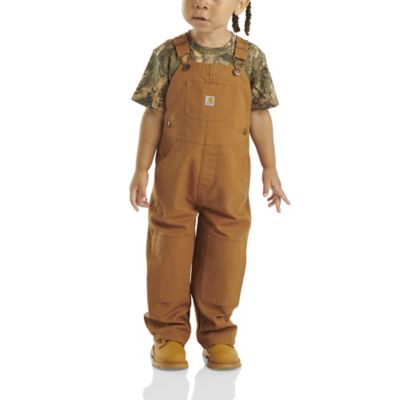
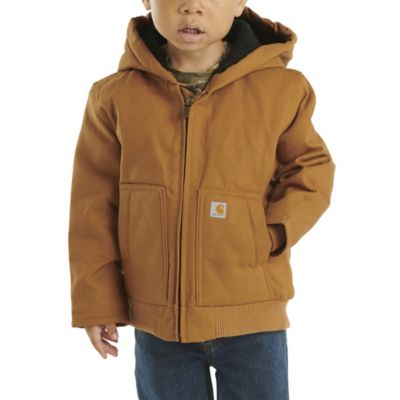
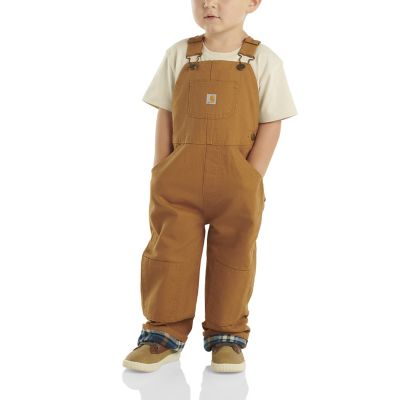
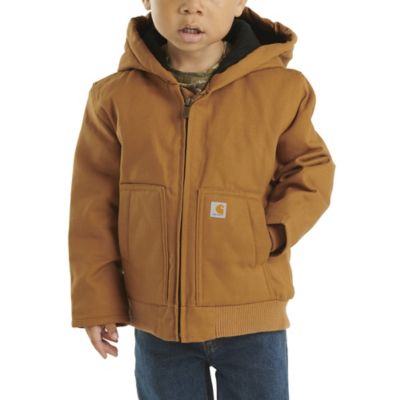
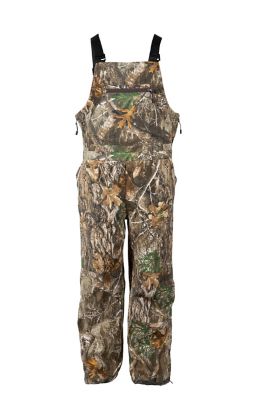
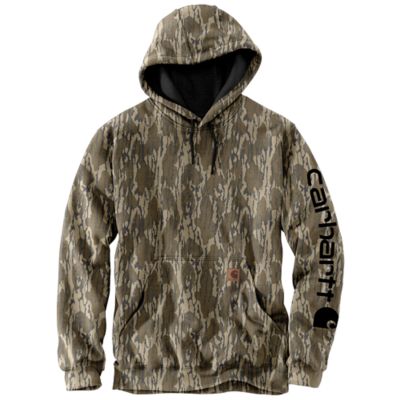
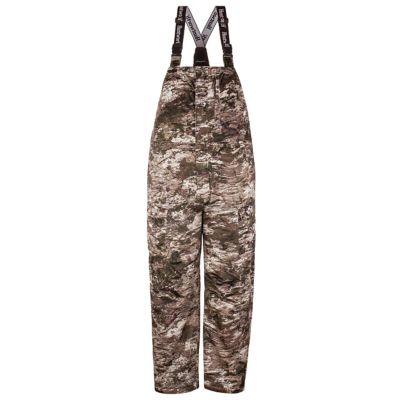
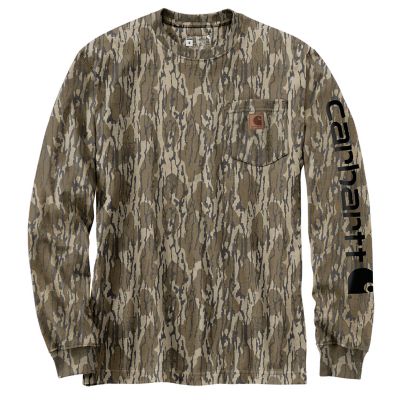
Youth camo clothing brings woodland patterns and outdoor character to everyday outfits, with styles suited to school, time around the farm, family camping trips, and supervised hunting outings. The category covers casual tops, sweatshirts, pants, and clothing made with field activities in mind, so the camouflage print is only part of what sets one garment apart from another. A soft camo shirt can be an easy pick for a child who likes the look, while clothing intended for hunting calls for closer attention to fabric sound, freedom of movement, and practical details. Traditional woodland prints mix irregular shapes in greens, browns, and dark shades. Other patterns feature branches, bark, and leaves, or smaller shapes that break up an outline differently. For everyday wear, the choice often comes down to the pattern a child likes and how easily it pairs with jeans, solid-color shirts, and other familiar clothes. For time in the field, the surrounding terrain matters more: dense timber, brushy edges, and open ground have different colors and textures. No print makes a child invisible, and camouflage never takes the place of supervision or required visibility clothing. Beyond appearance, youth camo apparel should feel like something kids can actually live in. Sitting through class, crouching beside a tackle box, stepping over a fallen branch, and riding along to check a fence all put different demands on the same outfit. Smooth seams, comfortable waistbands, and sleeves that stay clear of the hands can matter more over a full day than an extra pocket or bold graphic. Camo also works well as a small part of an outfit rather than a head-to-toe look. One patterned layer paired with plain clothing keeps getting dressed simple and gives kids a little say in what they wear. That everyday flexibility makes youth camouflage clothing appealing both to children who spend plenty of time outdoors and those who simply enjoy its country look.
Fabric and construction help determine where youth camo clothing fits into a child’s routine. Cotton jersey generally has a soft feel and an easy drape that suits casual shirts and everyday wear. Cotton-rich blends can balance that familiar feel with the shape retention or drying characteristics of other fibers, though performance depends on the blend and fabric construction. Polyester fabrics often dry faster than cotton, while a small amount of stretch can make bending, reaching, and sitting cross-legged more comfortable. Woven fabrics tend to have a more structured feel than knits, and ripstop construction incorporates a reinforcing grid intended to help limit the spread of small tears. Reinforced knees and seat panels are worth considering for children who spend plenty of time kneeling or sitting on the ground. Brushed surfaces can feel soft against the skin, but texture also affects how readily a fabric picks up burrs, grass, and pet hair. For hunting-oriented clothing, a quieter fabric surface can matter when a child shifts against a seat or brushes a sleeve across a pant leg. Fit deserves just as much attention as material. Youth size labels do not match perfectly across manufacturers, and age alone is not enough to judge how a garment will sit. Chest, waist, hip, height, and inseam measurements give a better starting point when compared with the garment’s size chart. A little growing room is handy, but too much length can leave cuffs dragging or sleeves covering fingers. Clothing should allow a child to squat, reach overhead, and take a full stride without pulling hard at the shoulders, waistband, or knees. Adjustable waists can help accommodate different builds, while belt loops offer another way to keep pants in place. If a top will go over another shirt, that layer needs room without making the whole outfit loose and awkward. Pocket placement and closures count, too. A pocket that stays comfortable while seated and a zipper pull that small hands can manage are practical details that can make a garment easier to wear independently.
Care and intended use round out the picture, especially when camo clothing is headed for more than an occasional outing. The care label is the best reference for washing and drying because printed cotton, synthetic fabrics, stretch blends, and garments with special finishes can have different requirements. Turning printed clothing inside out may help reduce surface rubbing in the wash, and closing zippers or hook-and-loop tabs can help keep them from catching other garments. Dirt at the knees, food marks at the cuffs, and grass stains on the seat are familiar parts of kids’ clothing care; treating marks according to the label before washing can keep cleanup manageable. Too much dryer heat can affect some fibers, prints, and elastic components, so the recommended setting matters. Garments with a field-specific finish may need a particular care routine to help preserve that feature. Between outings, checking seams, hems, and fasteners can catch a small repair before it becomes a bigger problem. Those details also help when clothing is passed along to a younger sibling: a sound waistband and intact knee seams matter more than whether the print still looks brand-new. For families comparing casual camo with clothing intended for supervised hunts,
Camo Hunting Clothes offers a related category to explore. Hunting apparel should be judged by its stated purpose and features, not by the pattern alone. Required hunter orange or other visibility garments still need to be worn as local regulations direct, and loose clothing or drawstrings should stay clear of moving equipment around the farm. As a gift, youth camo clothing makes the most sense when it matches the child’s interests, current measurements, and usual activities. A child who likes soft, uncomplicated clothes may get more wear from an easy everyday outfit than from gear with lots of straps and pockets. The strongest choice is clothing that fits comfortably, stands up to the child’s routine, and is straightforward enough to reach for again and again.