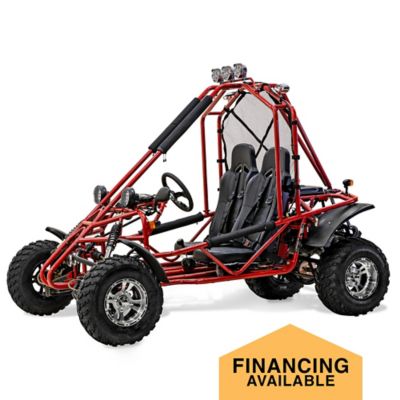
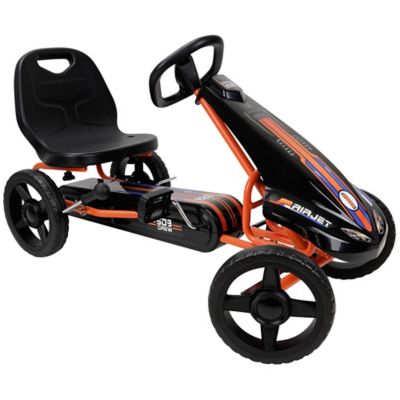
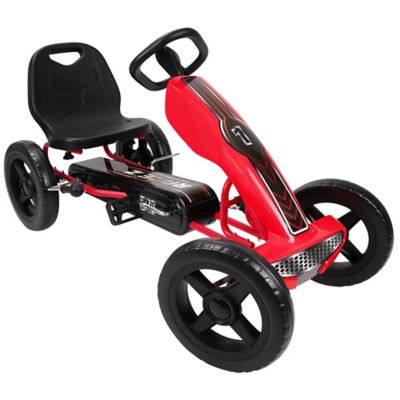
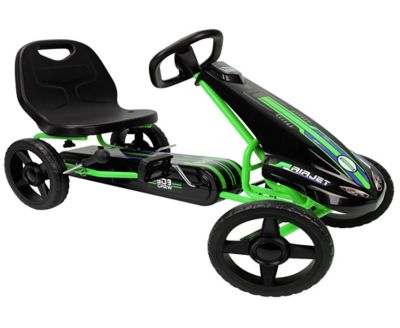
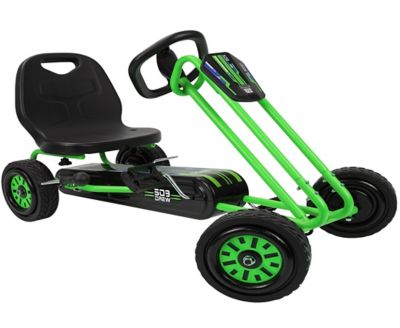
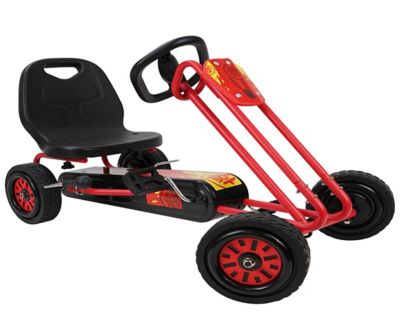
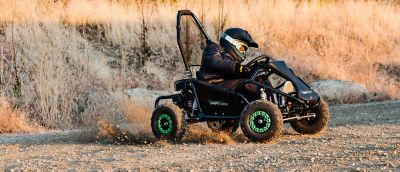
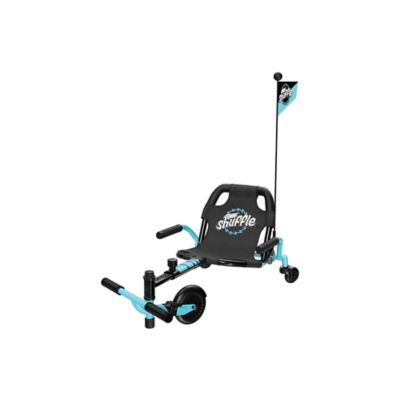
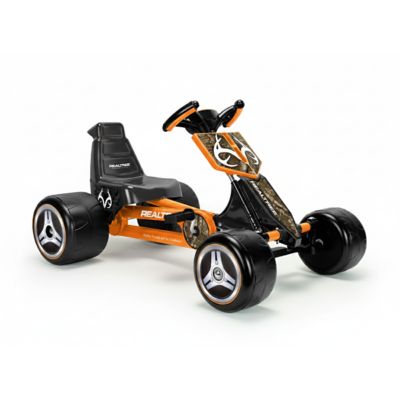
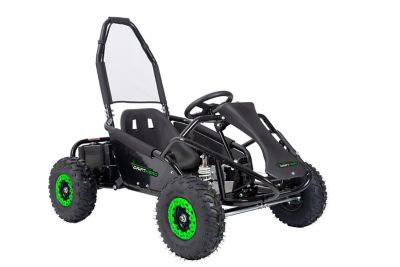
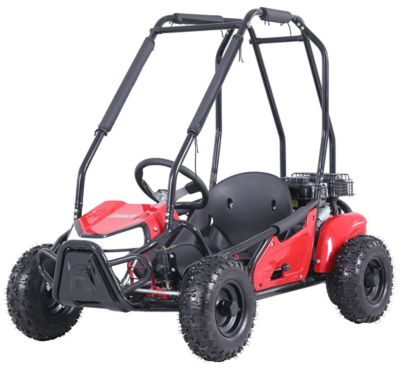
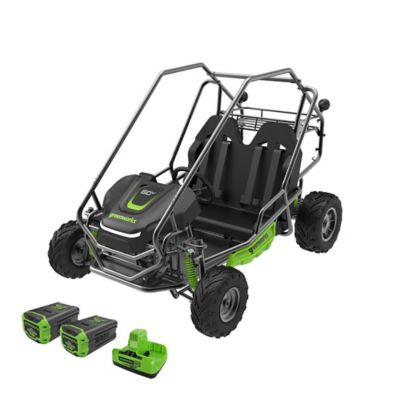
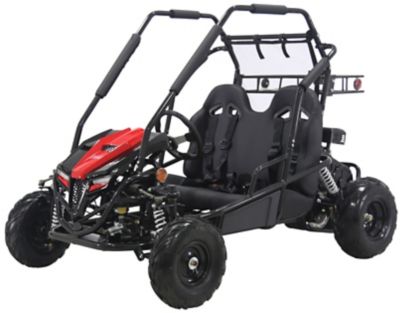
Go karts for 8-year-olds can include pedal-powered karts, electric models for smooth surfaces, and certain youth-rated off-road karts, with suitability determined by the manufacturer’s age, height, weight, and operating requirements. The right match depends on more than a birthday: a child needs to reach the controls comfortably, understand how to stop, and follow an adult’s directions throughout the ride. Pedal-powered designs let riders supply the motion themselves, while electric karts pair battery power with foot or hand controls, depending on the design. Gas-powered youth karts involve additional operating and maintenance responsibilities, and many have minimum ages above eight, so a small frame alone does not make one appropriate for a younger child. Riding surface matters just as much as power source. Some electric karts, including certain drift-style designs, belong on smooth, level surfaces in a closed riding area. Off-road designs may have tires, ground clearance, and suspension intended for designated dirt tracks, but that does not make every pasture, wooded path, or uneven yard a suitable place to ride. A flat, clearly marked loop away from roads, ponds, livestock, parked equipment, and other obstacles gives a supervising adult a better view of the rider. A paved area that connects to a road needs an effective barrier against vehicle traffic before it can serve as a riding space. For many families, the appeal is straightforward: a child gets to steer, practice controlled starts and stops, and enjoy a little independence within firm boundaries. These are recreational vehicles rather than substitutes for bicycles or transportation, and powered models need active adult supervision. Whether the kart is a birthday gift or an addition to family recreation, the best fit is one that matches the child’s present size and abilities, not a faster or larger machine meant for later. A child who is still learning to coordinate steering and braking needs a different setup from one who already handles those tasks calmly, even when both children are the same age.
Fit shows up in the details of the seat, steering position, and pedal reach. A properly sized seating area allows the rider to sit back securely, keep a comfortable bend in the knees, and operate the brake through its full travel without stretching or sliding forward. Adjustable seats or pedal positions can help accommodate growth when the design permits, but adjustments must stay within the manufacturer’s limits and lock firmly into place. The stated rider weight limit includes anything the rider carries or wears, and a passenger seat has its own requirements; a single-seat kart is never a place to squeeze in a sibling. Frame construction also affects how a kart handles everyday riding. Steel tubing is common in powered recreational karts, while molded body panels may shield components or cover exposed edges. Neither a substantial-looking frame nor a sporty body tells the whole story, though. Brake design, steering response, tire type, and the condition of fasteners all contribute to how the machine operates. Pneumatic tires can provide cushioning on approved surfaces, while solid tires avoid air-pressure checks but may deliver a firmer ride. Suspension, where fitted, helps manage bumps within the kart’s intended terrain limits rather than turning rough ground into an unrestricted playground. For a beginner, predictable controls and a manageable operating speed matter more than racing looks. Some powered designs include a speed limiter, keyed ignition, or an adult-operated shutoff, but those features vary and do not replace supervision. Drift-style handling deserves particular attention because sliding changes how the kart responds during a turn; it is a separate riding characteristic, not simply another name for electric power. An appropriate helmet, eye protection, closed-toe shoes, and clothing that stays clear of moving parts belong with the riding setup. Any supplied restraints should fit the rider and be worn exactly as the manufacturer directs, with no improvised belts or changes to the seating arrangement.
Care requirements help distinguish one type of go kart from another long after the first lap. Pedal-powered designs still need attention to steering connections, wheels, pedals, and any chain or drive components. Electric karts add battery charging and electrical connections to that routine. Battery chemistry, rider weight, speed, terrain, and stopping and starting can all affect running time, so a stated runtime is not a promise of the same result on every ride. Charging belongs in an appropriate location under adult oversight, with the charger specified for that battery and the charging directions followed closely. A battery that shows damage, unusual heat, or swelling calls for stopping operation and following the manufacturer’s service instructions. Gas-powered karts require adult handling of fuel, attention to engine maintenance, and outdoor operation away from enclosed spaces because of exhaust. Across power types, loose hardware, worn brake parts, damaged tires, and guards that no longer sit properly are reasons to pause riding until repairs are complete. Dirt and grass clippings can collect around moving parts, making regular cleaning and dry, sheltered storage practical parts of ownership. Water exposure limits differ, especially around batteries and electrical components, so washing methods should follow the owner’s manual rather than a one-method-fits-all approach. Room for storage, a suitable riding area, and an adult willing to supervise are worth considering before giving a kart as a gift. For households with children of different ages,
Go Karts For Teens offers a separate category to explore, but an older sibling’s size or experience should never set the standard for an eight-year-old’s ride. Sharing works only when each rider meets the kart’s requirements and the fit can be set correctly for that child. With the right match, go-kart time can center on steady laps, careful turns, and the satisfaction of learning to handle a machine responsibly. The lasting appeal comes from a setup that suits the rider, the riding space, and the adults caring for it.