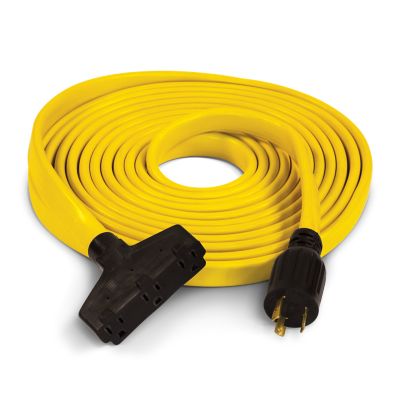
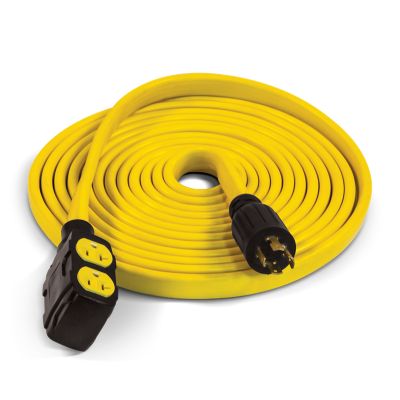
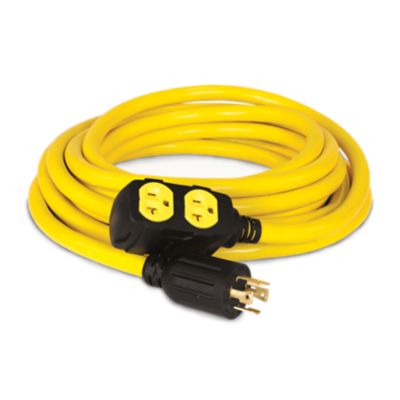
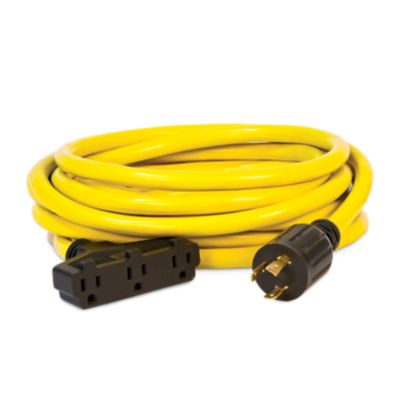
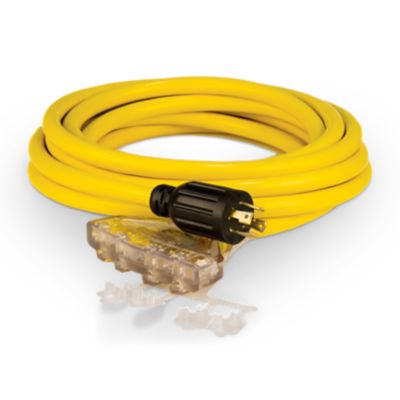
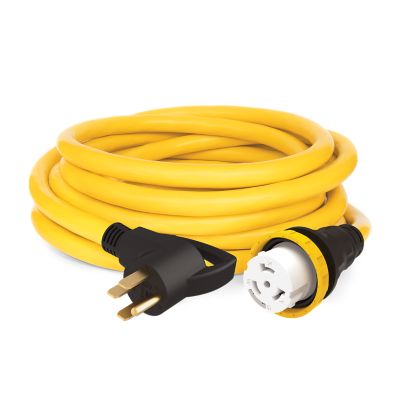
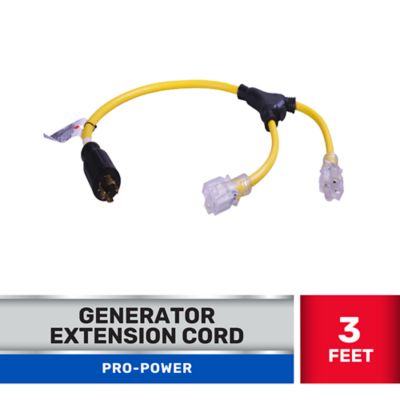
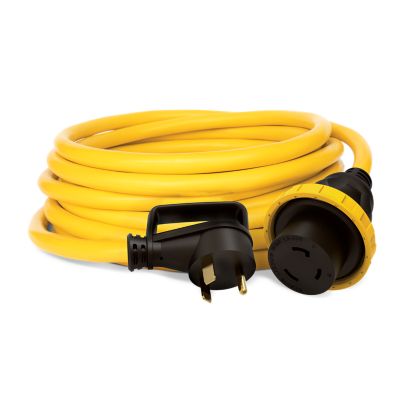
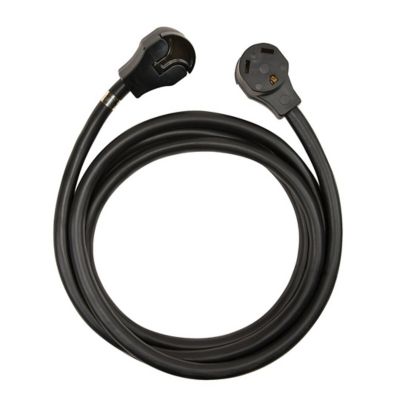
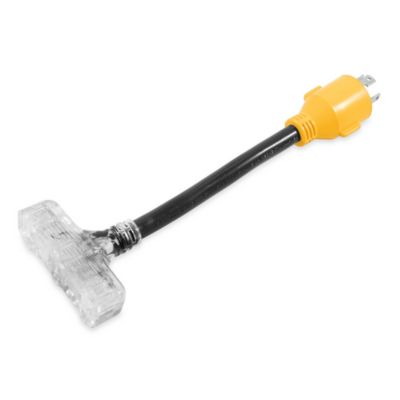
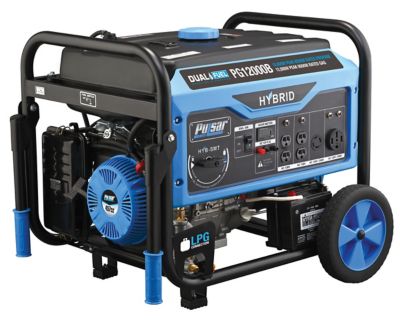
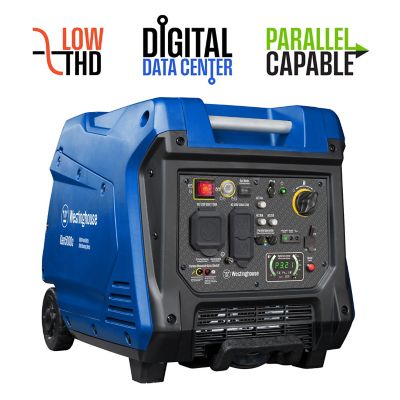
Generator cords carry power from a portable generator to compatible equipment or an approved power inlet, whether the job is keeping a freezer running, powering tools beside a fence line or supplying selected circuits at the farmhouse. The right match comes down to the generator’s receptacle, the equipment connection, the electrical load and the distance between them. Amp ratings alone do not tell the whole story: voltage, prong arrangement and locking style all need to match. A 30-amp NEMA L14-30 connection has four prongs and is rated for 125/250 volts, making it a common choice for generators supplying 120/240-volt backup systems. A three-prong NEMA L5-30 connection is rated for 125 volts and serves 120-volt applications; it is not interchangeable with an L14-30 connection. For higher-output setups, 50-amp generator cords may have NEMA 14-50 straight-blade or SS2-50 locking connections, depending on the equipment. Those configurations are not interchangeable, either. At 240 volts, 30 amps represents 7,200 watts, while 50 amps represents 12,000 watts, but these figures do not establish what a particular generator can supply. Generator output, receptacle limits, cord ratings and the connected equipment all affect the usable load. A larger cord cannot increase the generator’s capacity. For folks running a refrigerator, air compressor or well pump, motor-starting demand also matters because it can exceed the power needed once the motor is running. Locking connectors help resist accidental separation when properly engaged, while molded connector bodies and strain relief help protect the points where the cable enters each end. RV connections deserve a close look, too: a 30-amp RV connection is generally a 120-volt TT-30 configuration, not the same connection as a 30-amp, 120/240-volt generator outlet. Matching the actual electrical specifications helps keep a familiar-looking plug from becoming the wrong fit.
Cord construction makes a difference when a cable travels across a work area, gets loaded into a truck or comes out whenever backup power is needed. Stranded copper conductors provide flexibility, while the outer jacket protects the insulated wires from everyday handling and contact with surrounding surfaces. Outdoor-rated generator extension cords have markings that identify their intended service; STW and SJTW are common examples. The full jacket marking and manufacturer’s specifications matter more than jacket color or how thick a cord looks. Water resistance does not mean a cord or its connections can sit in standing water. For amperage and wire size, a lower American Wire Gauge number means a thicker conductor. Many 30-amp generator cords have 10 AWG conductors, while many 50-amp cords have 6 AWG current-carrying conductors. Those are common configurations, not a blanket sizing rule: cord length, construction, operating conditions and manufacturer ratings still govern the application. Longer runs create more voltage drop, which can affect tool performance and place extra strain on motors. A 25-foot or 50-foot cord may suit different layouts, but the shortest suitable length must still allow safe generator placement and a protected cable route. Stretching a short cord tight across a walkway or joining several cords end to end is no substitute for a properly rated connection. For a farm shop or jobsite, useful details include readable electrical ratings, gripping surfaces on connector bodies and strain relief that supports repeated handling. A UL listing or ETL certification mark indicates evaluation to applicable safety standards; it does not replace checking compatibility. Jacket resistance to abrasion, oil or other exposure should be confirmed in the specifications rather than assumed. Thin indoor extension cords are not a substitute for outdoor-rated cords sized for the load. Cords on reels or in tight coils may need to be fully unwound under load according to their instructions so heat can escape.
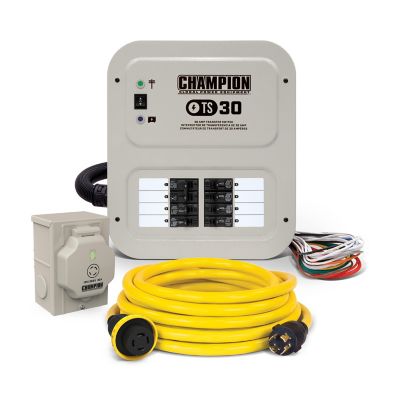
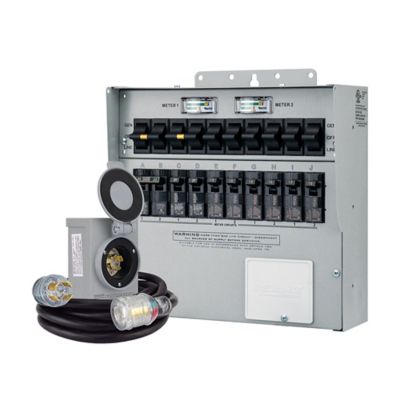
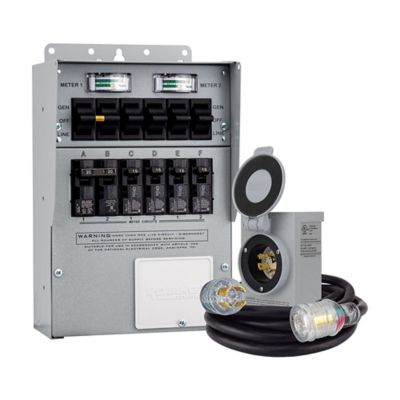
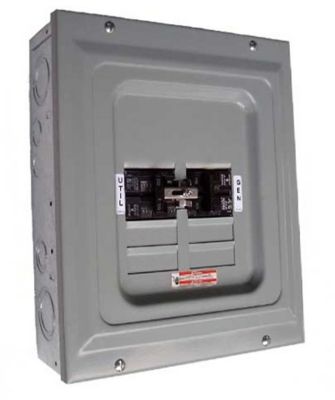
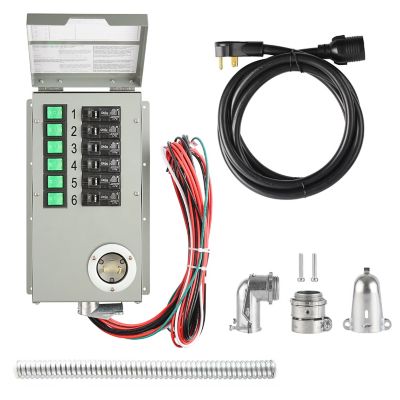
A good generator cord also needs a sensible place in the whole power setup. Portable generators belong outdoors, at least 20 feet from homes and other occupied buildings, with exhaust directed away from doors, windows and vents. A garage, barn, shed or covered porch is not a safe operating location, even with doors open. Cord length should support that separation rather than tempt anyone to move the generator closer. Working carbon monoxide alarms inside the home provide another important safeguard. For direct connections to appliances or tools, the cord and generator instructions determine the permitted arrangement and load. For household circuits, a properly installed transfer switch or approved interlock arrangement prevents generator power from feeding back onto utility lines. That work belongs with a qualified electrician and must meet local electrical requirements. A cord with male plugs on both ends is never a safe shortcut, and plugging a generator into a household wall outlet can endanger utility workers and anyone nearby. Grounding, bonding and ground-fault protection requirements also depend on the generator and connection method, so matching the setup involves more than finding ends that fit. Around a working property, routing deserves just as much attention: tires, gates, sharp metal edges and livestock can damage a cable that looked fine when it left the storage hook. Keep connections dry, out of traffic and protected from accidental pulling. Before each connection, look for split insulation, exposed conductors, bent contacts, loose fittings or signs of overheating. Damaged cords belong out of service, not back in the rotation with a wrap of tape. After the equipment is shut down and disconnected according to its instructions, a loose coil and dry storage space help protect the jacket and connectors between jobs. For the rest of a compatible setup, explore
Generator Parts and Accessories alongside generator cords. From a small acreage to a busy ranch, matching the cable to the equipment keeps the focus where it belongs: getting necessary work done with a connection suited to the task.