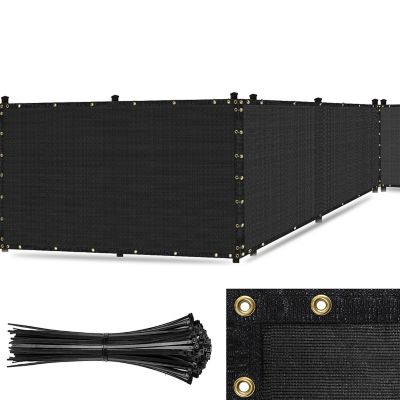
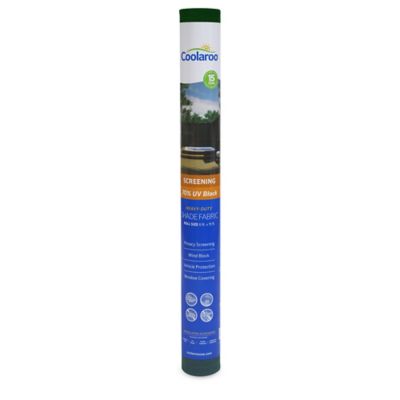
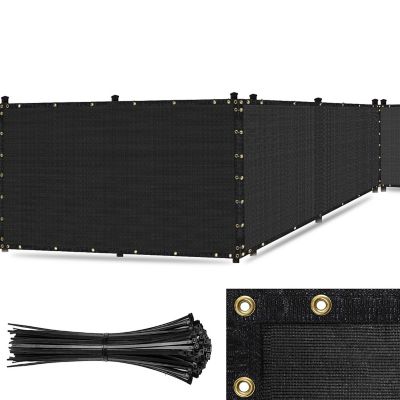
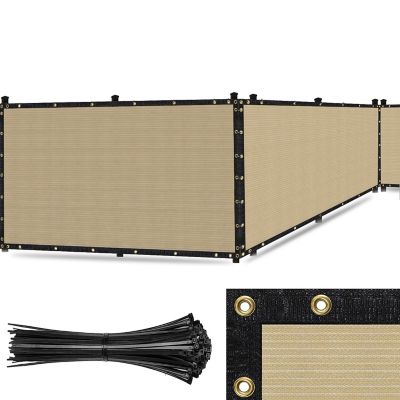
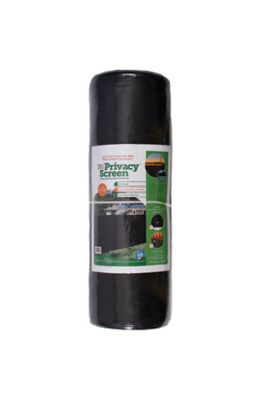
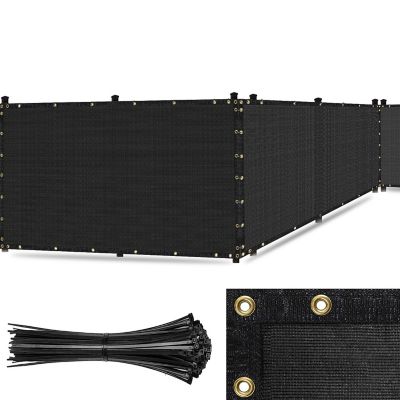
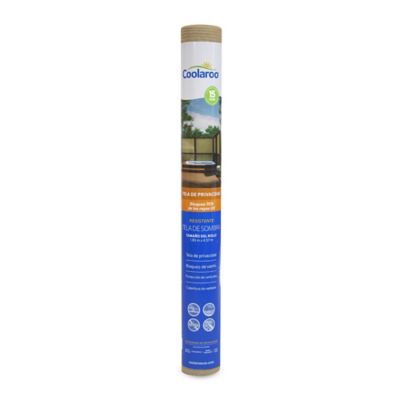
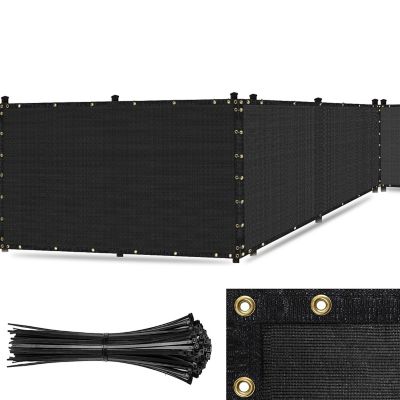
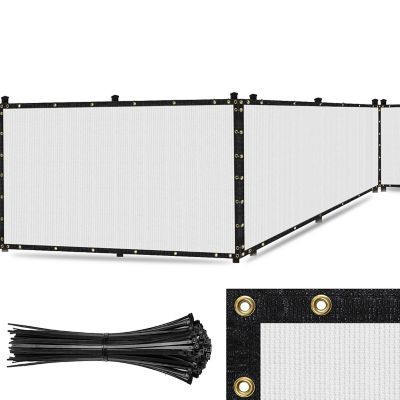
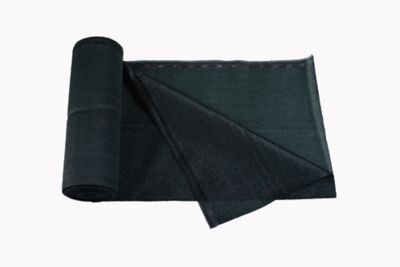
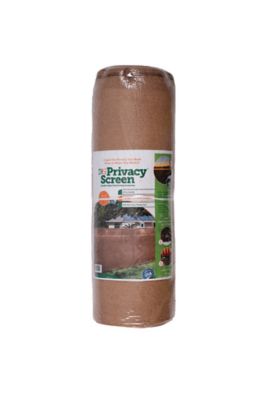
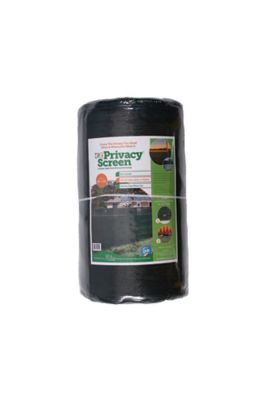
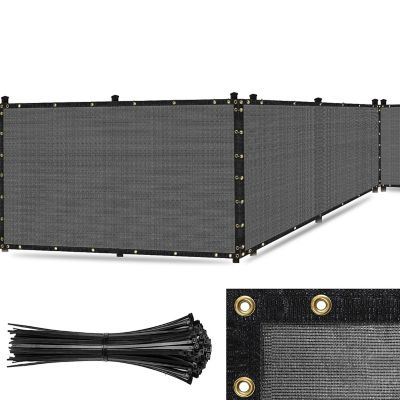
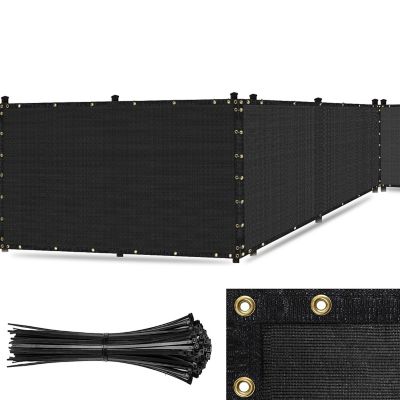
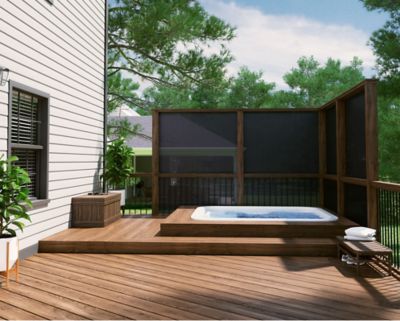
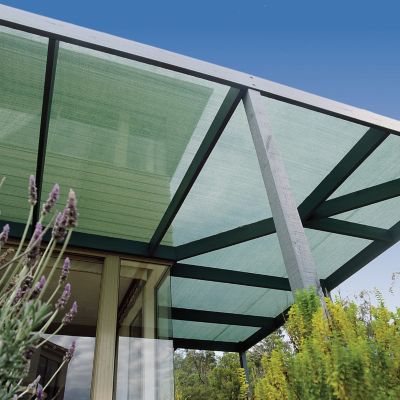
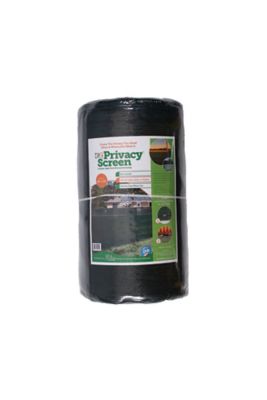
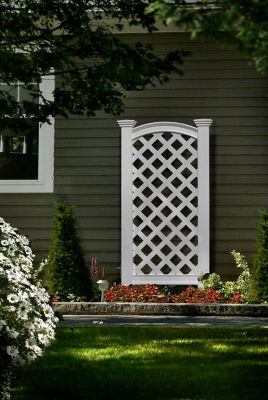
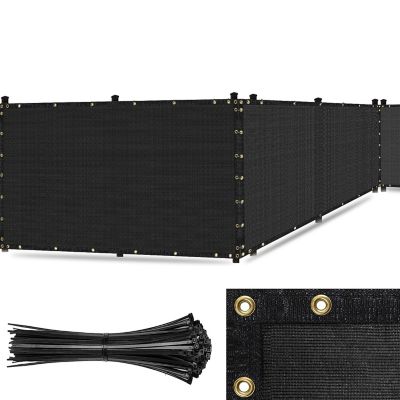
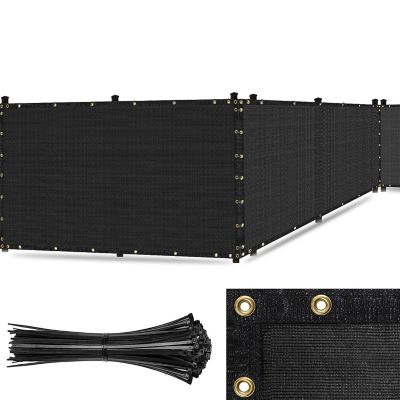
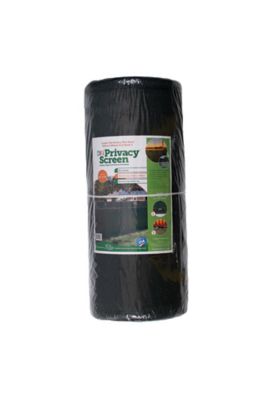
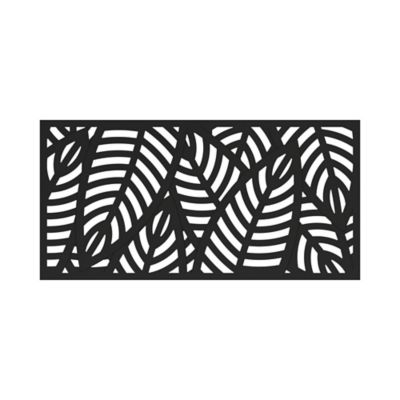
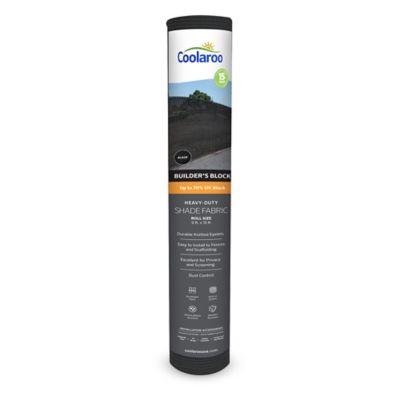
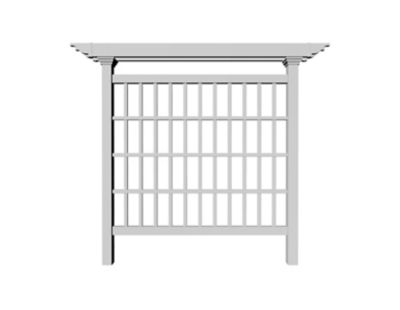
Privacy screen fences make it easier to turn an open fence line, porch edge, kennel area, or outdoor work space into a more comfortable place to spend time. These screens are commonly made from mesh fabric, solid vinyl, or rigid composite-style panels, and each material handles privacy, wind, weather, and installation a little differently. Mesh privacy fence screens are often made from high-density polyethylene, or HDPE, a tough woven material that blocks roughly 85% to 95% of outside visibility while still allowing air to pass through. That airflow matters on a windy property because a screen that acts like a sail can put extra strain on fence posts, rails, and fasteners. A mesh screen can soften the view of a chain-link fence around a backyard, dog run, garden, pool area, or equipment yard without making the space feel completely closed in. Solid vinyl screens provide a higher level of visual coverage, often approaching a full blackout effect, which can be useful beside a patio, hot tub, utility area, or busy driveway. Keep in mind that solid material catches more wind pressure, so it needs a sturdy fence and plenty of secure attachment points. Rigid panels offer another option when you want a more finished, built-in appearance. They may be attached to an existing fence or mounted to a separate frame, giving a sturdy look that works well around a deck, outdoor seating area, or small livestock and pet enclosure. For more ideas on creating a tucked-away outdoor space, browse
Privacy Screens For Backyards.
Before choosing a privacy screen fence, start by looking closely at the fence or frame you plan to cover. Measure the total length and height, then account for gates, corner posts, uneven ground, and any sections that should remain open. It is usually better to have a little extra material than to come up short, but avoid buying a screen so oversized that it must be bunched or folded along the fence. A loose screen can sag, flap, collect water, and wear against sharp edges. Pull the material evenly and snugly before fastening, leaving enough give that the fabric is not stretched tight like a drum. Chain-link fences are a common match for mesh screens because the weave provides many attachment points. Heavy-duty plastic zip ties, UV-resistant cable ties, or copper hog rings can help secure the screen along the top, bottom, and sides. Place fasteners regularly rather than only at the corners, especially in areas that see strong gusts. Wood and metal fences may call for different hardware, such as screws with washers, clips, or brackets suited to the fence material. Check that the fence posts are solid and set properly before adding a screen; a screen can add noticeable wind load even when it is lightweight. Look for reinforced edges, brass grommets, integrated buttonholes, or other built-in attachment points that help spread the pull across the material instead of concentrating stress in one spot. UV-resistant fabric and fade-resistant compounds are worth considering for fences that receive direct afternoon sun. Without UV protection, some materials can become brittle, faded, or more likely to tear over time. In wet or dusty areas, a screen that can be rinsed clean with a garden hose may be easier to live with than one that holds dirt in a tight weave.
Privacy screen fences can serve practical needs for homeowners, renters with permission to make temporary improvements, farmers, kennel operators, contractors, and anyone trying to make an outdoor area feel less exposed. A screen along a side yard can give kids and pets a little more room to play without every passerby looking in. Around a dog run, reduced visibility may help some dogs stay calmer when people, livestock, or other animals move past the property. Around a patio or porch, a screen can create a more settled spot for morning coffee, an evening meal, or visiting with family during the warmer part of the year. On a rural property, mesh can help hide stacked firewood, feed storage, trash cans, trailers, or everyday equipment while still allowing air to move through. During the cooler months, a properly chosen screen may also take some of the edge off drifting wind, though it should not be treated as a substitute for a weatherproof wall or shelter. Pay attention to the level of privacy listed for each screen. An 85% blockage rating usually leaves some shapes and movement visible through the weave, while 90% to 95% offers a more secluded feel without completely stopping airflow. Solid materials in the 98% to 100% range provide the most visual separation but require extra care with support and fastening. Think about the view from both sides, the direction of prevailing wind, how much sun the area receives, and whether you will need to remove or adjust the screen later. A simple mesh panel can be a practical choice for a seasonal enclosure or rental property, while rigid panels may suit a permanent improvement where appearance and structure matter most. With the right size, durable material, and secure installation, a privacy screen fence can cover an unattractive fence line, make an outdoor area feel more private, and bring a little peace and order to the spaces around home, farm, or shop.