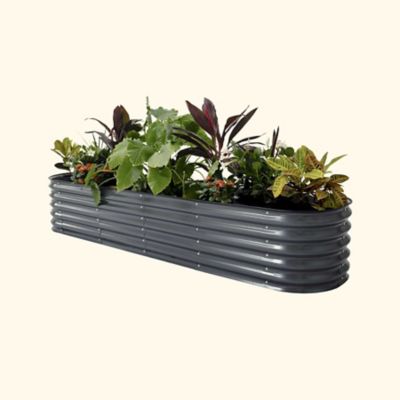
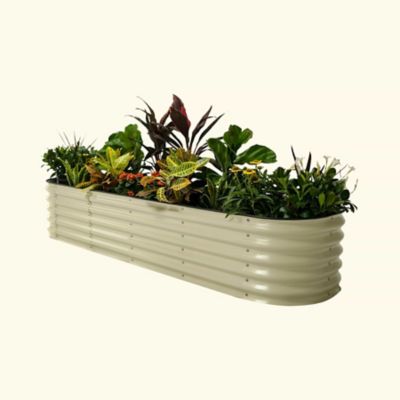
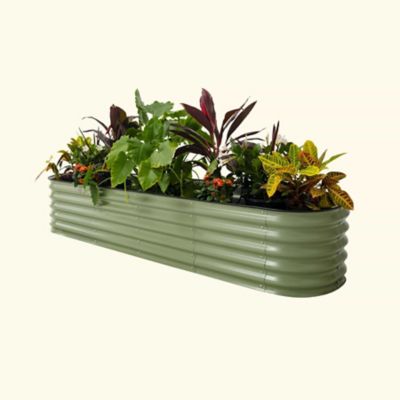
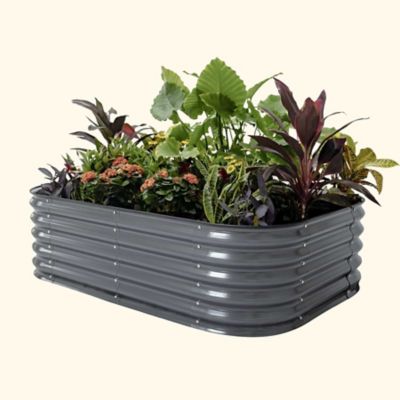
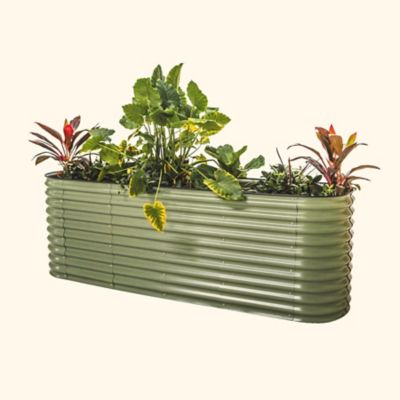
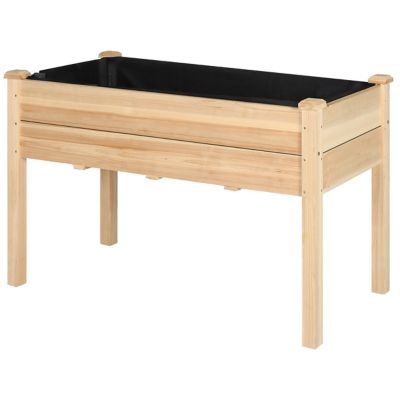
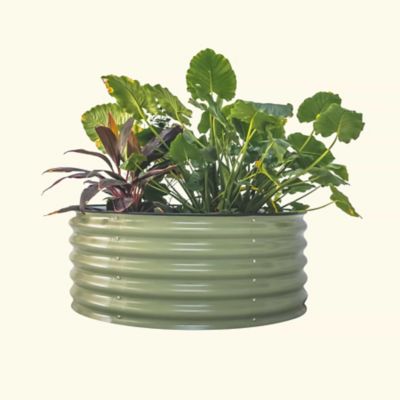
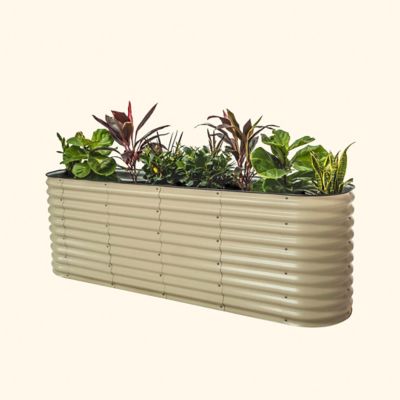
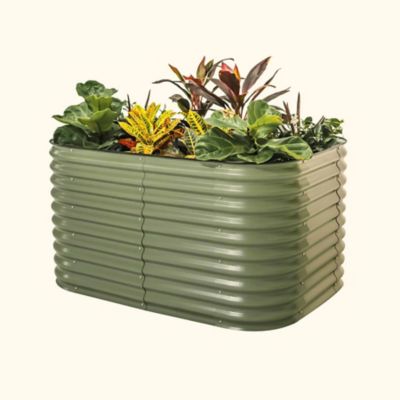
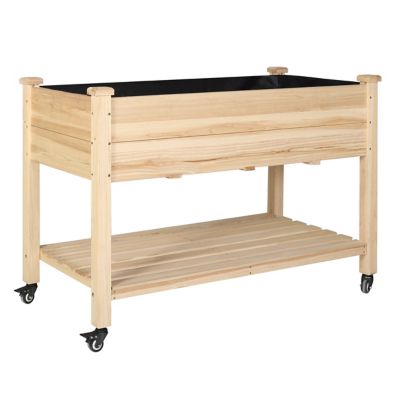
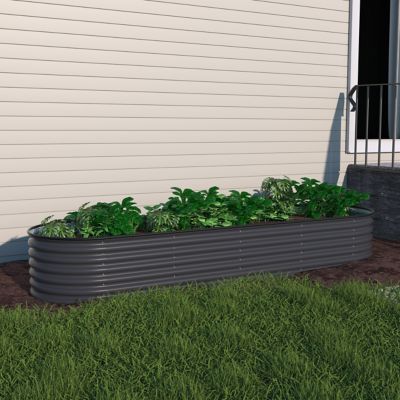
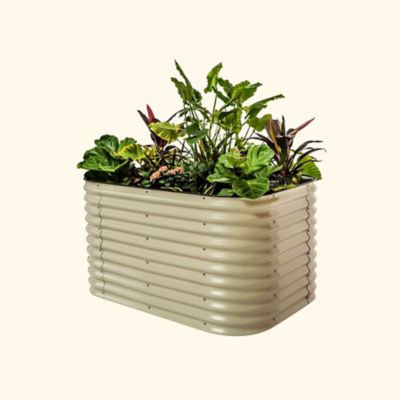
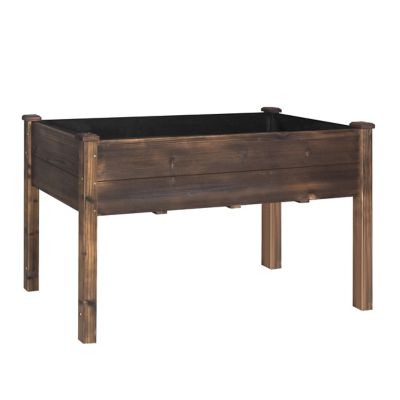
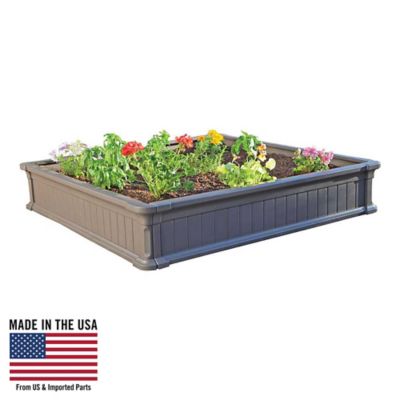
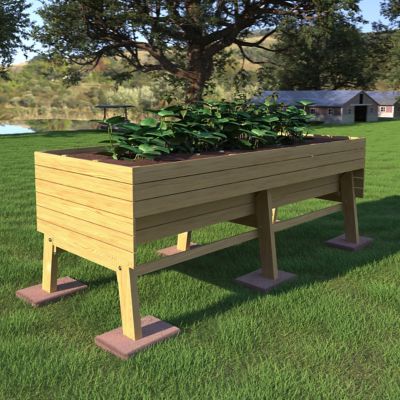
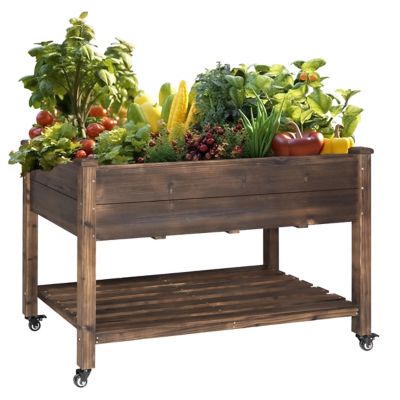
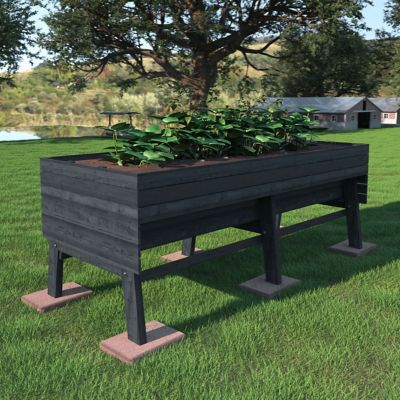
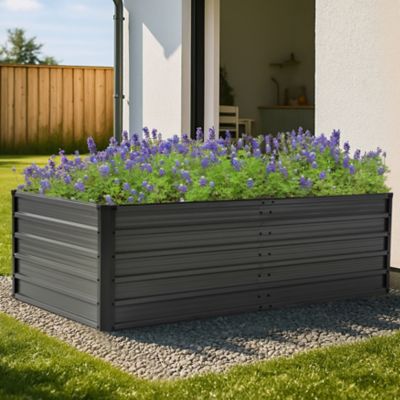
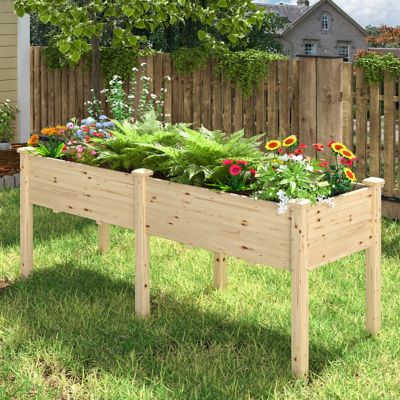
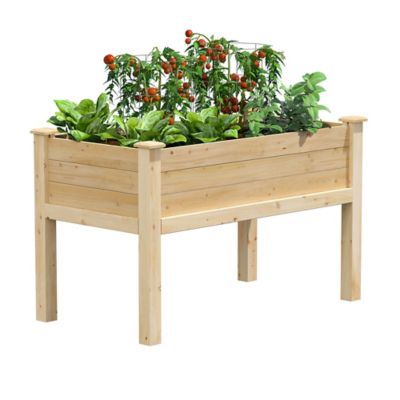
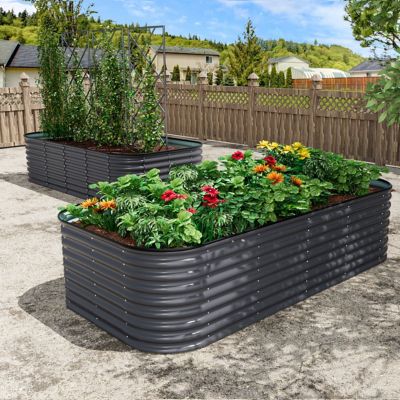
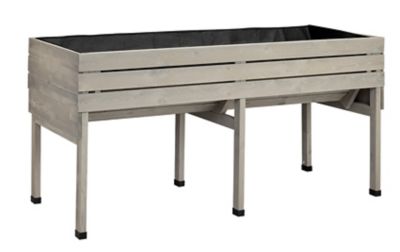
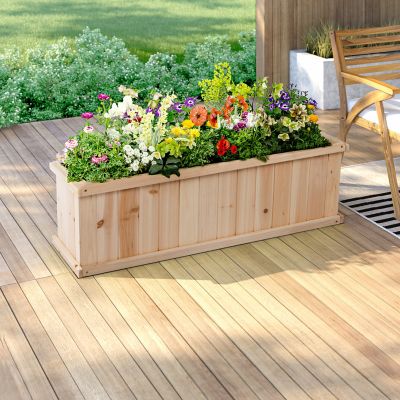
A garden bed for Mother's Day is a gift with room for the things Mom enjoys growing, whether that means parsley beside the back steps, lettuce for supper, or flowers she can cut for the kitchen table. It gives a planting area a clear boundary and makes it easier to work with a soil blend suited to the plants inside. For someone dealing with packed ground or a yard that's mostly gravel, that separate growing space can make a real difference. Raised beds sit on the ground, often with an open bottom that lets roots reach the soil underneath. Elevated beds hold soil in a planting box supported by legs, bringing the work closer to hand height. Those two styles serve different needs: a ground-level raised bed can offer generous room for vegetables, while an elevated planter may suit a smaller herb patch or a gardener who wants less bending. Bed height alone doesn't tell the whole story, though. A comfortable setup also depends on how far someone must reach, whether there's room for a stool or chair, and how easily a watering can or hose reaches the plants. A narrow bed along a fence should be reachable from the open side; a wider bed generally needs access from both sides so nobody has to step into the soil. On a porch or patio, the footprint matters just as much as planting space, especially near a doorway or the path to the yard. Light belongs in that picture, too. Many vegetables need at least six hours of direct sunlight, while some leafy greens and herbs tolerate less. A garden bed makes a thoughtful Mother's Day gift for a longtime grower, a first-time gardener, or a grandmother who wants a manageable patch close to the house. The right fit follows her habits and space rather than simply taking up the biggest corner of the yard.
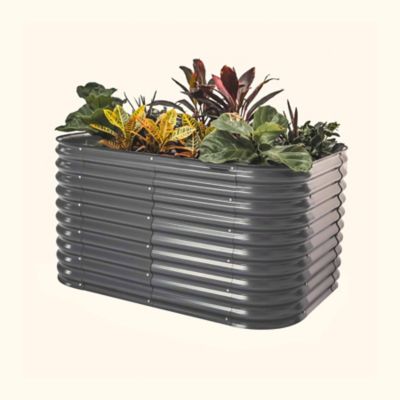
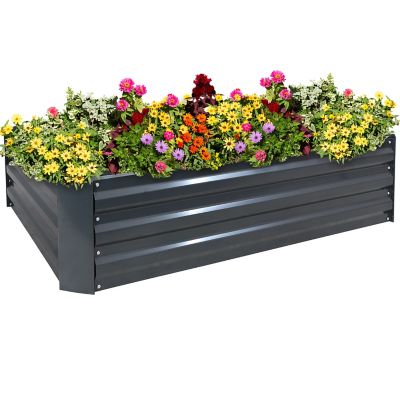
Materials affect how a garden bed looks, how much attention it needs, and how it holds up to damp soil. Cedar and other naturally rot-resistant woods bring a familiar look beside a shed, fence, or porch, though their color can change with exposure and regular contact with moisture still takes a toll over time. Galvanized steel offers sturdy sides without the same wood-care routine, but protective finishes deserve attention wherever panels join or surfaces get scratched. Resin and composite beds vary in weight, construction, and resistance to sun exposure, so the material information matters more than appearance alone. For vegetables and herbs, materials and any finishes should be labeled for the intended growing use. Smooth edges, secure corners, and firm connections are especially helpful where children may join Mom to plant seeds or pick beans. Long sides may need bracing to keep the frame from bowing once filled, and an elevated bed needs legs and joints designed to support its full load of moist soil. That weight also matters on a deck or balcony, where the structure's load capacity needs checking before a bed goes into place. Planting depth is another part of the fit. Shallow-rooted greens and many herbs need less root space than carrots, tomatoes, or other larger crops, and an elevated box's outside height isn't the same as its soil depth. An open-bottom bed over suitable ground gives roots a different path than a closed-bottom planter, where the growing space ends at the base. Drainage remains important in either style. Water needs a way out, and a raised frame alone won't solve a soggy site. On a patio, drainage water also needs somewhere to go without leaving standing water across a walking path. Care can be straightforward: soil levels may settle, fasteners can loosen, and drain openings can collect debris. Occasional checks of the frame, connections, and drainage help keep the bed ready for planting without turning it into another big chore.
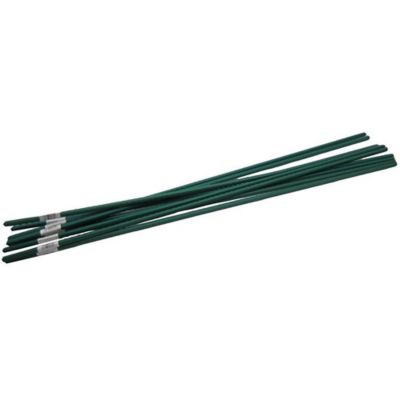
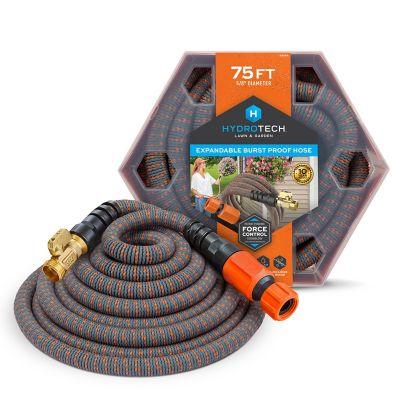
The most appreciated Mother's Day garden gifts tend to match the way the recipient actually spends time outside. A gardener who likes a quick trip out for chives may enjoy a compact bed near the kitchen door more than a large vegetable plot farther from the house. Someone who grows flowers for family gatherings may want a longer planting area with room to reach in and cut stems. For a mom sharing garden time with children, reachable corners and a clear path make room for little hands to help without trampling seedlings. In a country yard, nearby chickens, rabbits, or deer may make space for fencing or a protective cover worth considering; a raised bed by itself won't keep hungry animals out. Everyday upkeep matters as much as that first planting. Soil in an elevated planter can dry faster than soil in the ground, so convenient access to water helps the gift fit into a normal day. Mulch can slow moisture loss and limit some weeds, but unwanted sprouts can still find their way into raised beds. A bed with enough room around it for a cart, bucket, or kneeling pad is easier to tend than one squeezed tightly between obstacles. Even the handoff deserves a little thought. Some beds arrive in pieces, and assembly, placement, and filling can take more effort than the frame suggests. Having help lined up for those jobs can make the gift feel welcoming rather than like another task waiting by the shed. Pairing the bed with a
Garden Stake for Mother's Day adds a small finishing touch to the planting area. For someone who enjoys picking the plants herself, the bed can be the starting point rather than a fully planted arrangement. For someone who prefers to head straight outside and get growing, a settled location and an appropriate soil blend make that first visit more inviting. A garden bed for Mother's Day leaves room for both approaches, with a useful space that can hold everyday herbs, a few favorite vegetables, or flowers chosen simply because Mom likes them.