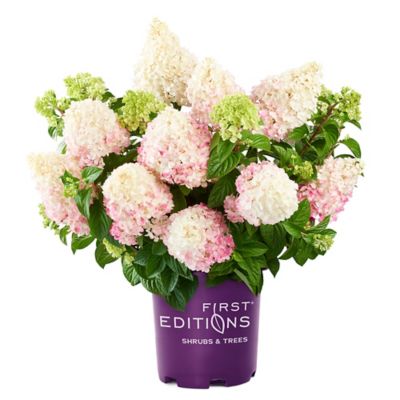
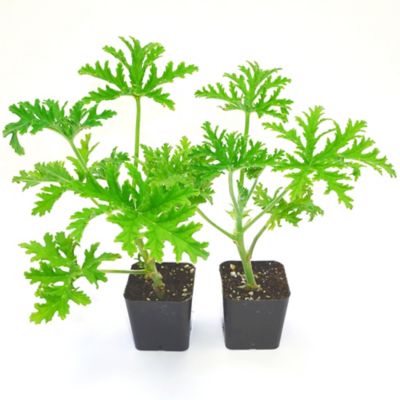
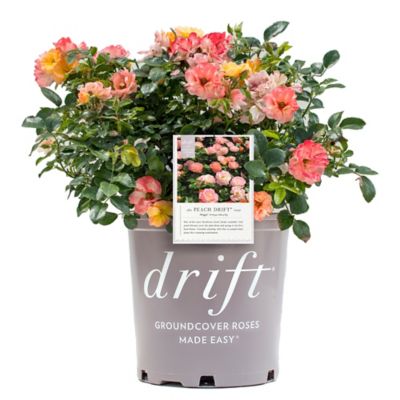
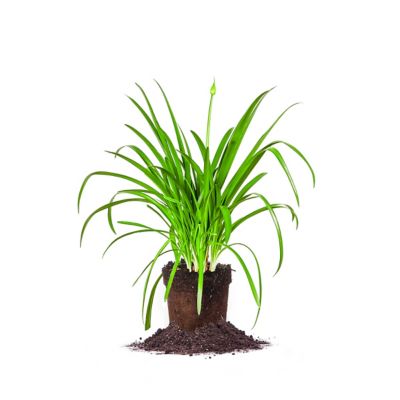
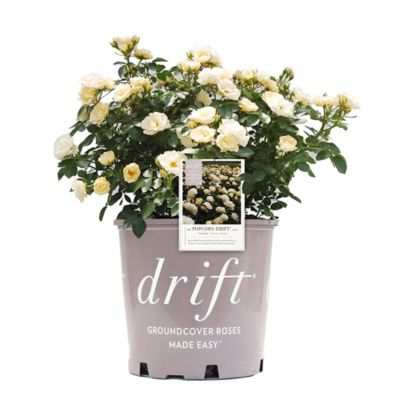
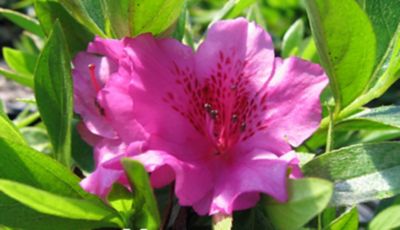
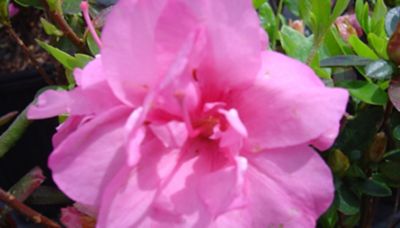
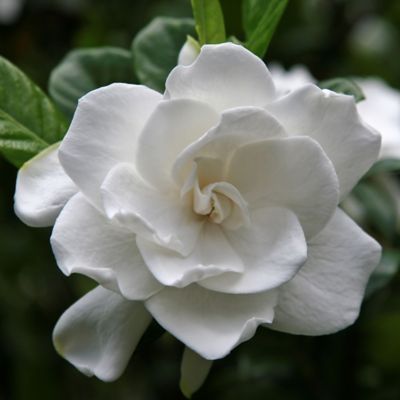
Mother’s Day plants make thoughtful gifts because they bring a little color and life into the home long after the wrapping paper is gone. A flowering plant can brighten a kitchen window, porch table, entryway or sunny desk, while a leafy houseplant can add a fresh, welcoming touch to a room through the cooler months and beyond. When choosing a plant, start with the space where Mom is most likely to enjoy it. A bright room with several hours of indirect sunlight may suit an orchid, anthurium or rose topiary, while a hallway, office or bedroom with lower light may be a better fit for a peace lily or aglaonema. Light through a window can change as the seasons shift, so it helps to think about how much sun the plant will receive throughout the day rather than judging by one bright afternoon. A plant with healthy green leaves, sturdy stems and plenty of unopened buds can offer a longer display, especially when it is kept away from cold drafts, heating vents and sudden temperature changes. Flower color is another easy way to make the gift feel personal. White blooms have a simple, classic look, pink flowers bring a soft and cheerful note, and vivid red or coral shades can warm up a room when the landscape outside is quiet. For a home with a covered porch or protected garden spot, a rose or rose topiary can be a memorable choice, giving Mom the chance to enjoy fragrance and new growth as the weather warms. If you are putting together a gift for a mother, grandmother, daughter, neighbor or friend, choose a plant that fits her daily routine and the amount of care she enjoys giving.
Long-lasting flowering plants and easy-care greenery each have their own appeal. Orchids are graceful, compact and often available with elegant white or pink blooms, making them a natural choice for a windowsill, dining table or bedside stand. They prefer bright, indirect light and should not sit in water, so checking the potting medium before watering is more useful than following a strict schedule. Peace lilies are valued for their lush leaves and pale white flowers, and they can handle lower-light rooms better than many blooming plants. Their leaves may droop when they are thirsty, offering a helpful reminder to check the soil, though they should not be allowed to stay soggy. Anthuriums bring glossy, heart-shaped leaves and colorful, long-lasting flowers to a room with bright, filtered light. Aglaonema, sometimes called Chinese evergreen, is a dependable leafy plant with green, silver or variegated foliage that can tolerate lower light and an occasional missed watering. These qualities make it a good match for a busy Mom, a first-time plant owner or anyone who likes greenery without a fussy care routine. Roses and rose topiaries have a more traditional garden feel and may be enjoyed indoors for a time before moving to a suitable outdoor location, depending on the variety and local growing conditions. Before giving any plant, look at the container size, drainage, soil condition and care instructions. A decorative pot can make the gift feel finished, but drainage matters more than looks alone. It is also wise to consider pets and small children, since some popular houseplants may cause stomach upset if chewed. When in doubt, place plants where curious paws and little hands cannot reach them, and check the care label for the best growing conditions.
A good Mother’s Day plant should be easy to enjoy from the first day and practical to care for as the seasons change. If Mom travels often or prefers a low-maintenance home, choose a sturdy plant that tolerates missed waterings and does not need constant pruning. If she loves tending a garden, a flowering plant or rose topiary can give her something to watch, shape and nurture over time. Someone with a sunny kitchen may appreciate a colorful blooming plant, while a shaded apartment or office may call for dependable foliage that stays attractive in softer light. Keep the plant in its nursery container until it has settled into the home, then repot only when the roots have filled the container or the soil no longer drains well. Water slowly until a little moisture runs from the drainage holes, then empty any excess from the saucer. Wipe broad leaves with a soft, damp cloth to remove dust, turn the pot every few days for even growth, and trim spent flowers with clean snips when needed. During cooler months, growth may slow, so the plant often needs less water than it did during brighter, warmer weather. As the weather warms, gradual changes in light and outdoor placement can help prevent leaf scorch and stress. A handwritten note with a few simple care tips adds a personal touch, especially when the plant is headed to a new gardener. For more ideas that combine growing, decorating and gifting, browse the
Mother's Day Garden Gift collection. With the right match for her space, schedule and style, a Mother’s Day plant can become part of the everyday scene—a splash of bloom beside the coffee pot, a calm green corner near the front door or a living reminder of family care that keeps growing.