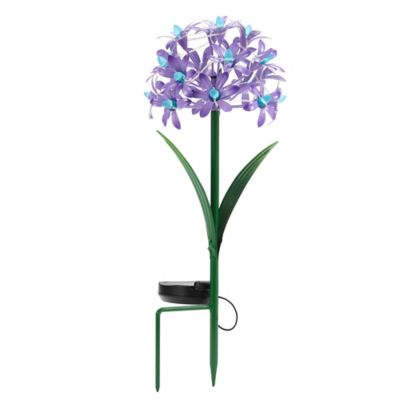
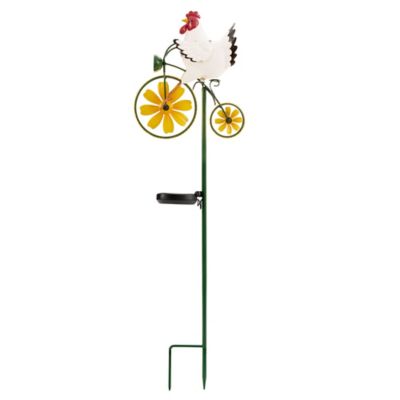
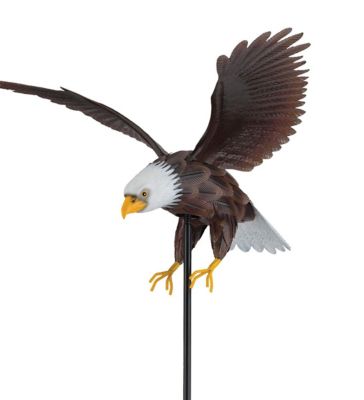
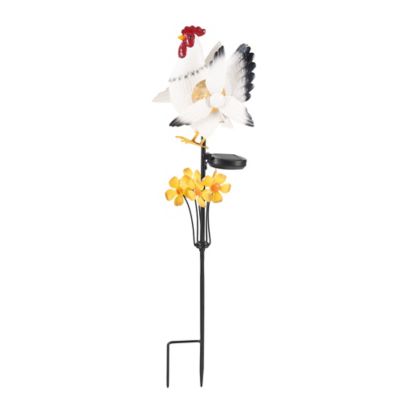
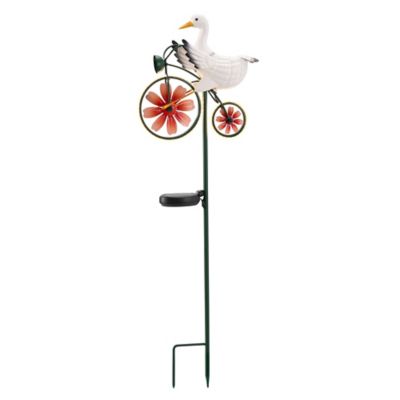
A garden stake for Mother's Day is a planted accent that brings a message, a bit of color, or a familiar garden shape to a flower bed, porch planter, or houseplant pot. It makes a thoughtful gift for a mom, grandmother, or mother figure who enjoys tending flowers, growing herbs, or spending a little quiet time among her plants. Unlike a stake meant to support a tomato plant or climbing vine, an accent stake is mainly there to be seen and enjoyed; it should only carry a plant's weight if its stated purpose includes that job. Designs with flowers, birds, butterflies, or words about family can fit naturally among blooms without taking much planting space. The best fit depends on where the gift will go. A small plant pick can sit comfortably beside a houseplant, while a taller garden stake needs enough height to remain visible above surrounding foliage. Overall height often includes the section that goes into the soil, so the displayed height may be shorter than the measurement first suggests. The width of the top matters, too, especially in a narrow pot or beside a walkway. A broad design can overwhelm a little container, while a small message may disappear in a deep flower border. Lettering is easier to enjoy when it faces the usual viewing spot, whether that's a kitchen window, a porch chair, or the path to the front door. Color also makes a difference: a bright accent stands out against green leaves, while quieter tones settle into stone edging, wood planters, and earthy pots. For a gift that feels personal, familiar details often mean the most—a favorite flower shape, a bird she watches from the porch, or a short message that sounds like something the family would actually say. That connection gives a simple garden accent meaning beyond its size.
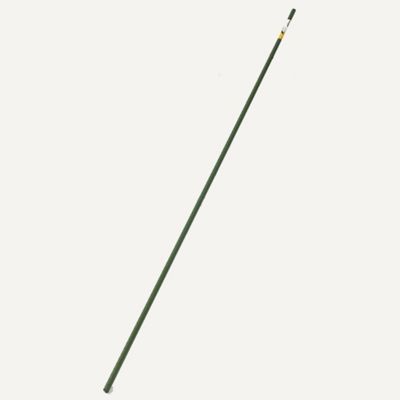
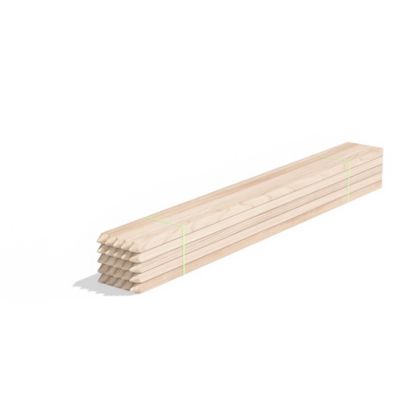
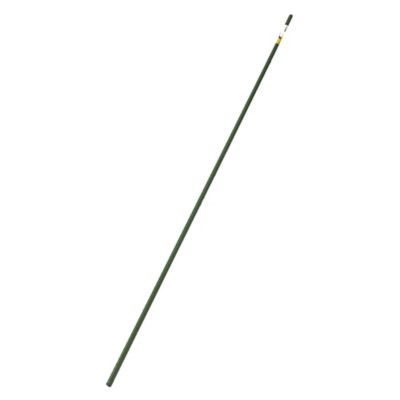
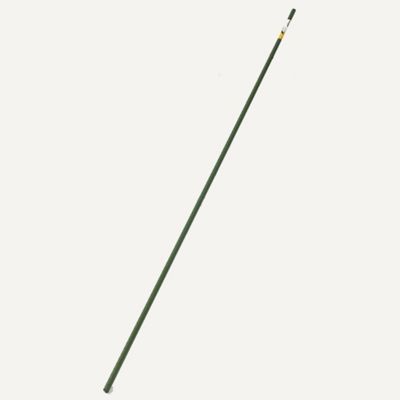
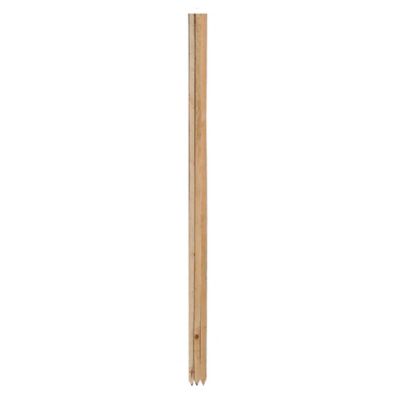
Materials help determine where a Mother's Day garden stake belongs and how much attention it will need over time. Metal offers a firm stem and can hold crisp lettering or shaped details, but its finish deserves a close look. Painted and powder-coated surfaces help shield the metal underneath, while scratches and worn edges can expose it to moisture. Some metal finishes are intended to change in appearance outdoors; others need occasional touch-ups according to the maker's care directions. Wood brings visible grain and a softer look among leaves, though soil contact and repeated dampness can affect an unprotected surface. A wood stake intended for a sheltered planter may not suit an open garden bed. Acrylic can carry clear colors and sharp outlines, but suitability for outdoor exposure depends on the material and finish. Resin allows rounded shapes and textured details, while ceramic adds a different feel and needs protection from knocks or drops. None of those materials alone guarantees that a stake belongs outside, so the stated indoor or outdoor use matters more than appearance. Construction is another consideration. A firmly attached top, a straight shaft, and secure connections help an accent sit neatly rather than lean or twist. Larger tops catch more wind, making the length of the ground section and the soil's firmness important to stability. Soft potting mix and loose garden soil do not hold a stake the same way as settled ground. Hard or rocky soil may need a narrow planting hole first rather than force against the ornament. For routine care, many surfaces need little more than gentle wiping, but painted lettering, glued details, and electrical parts can call for different treatment. A soft cloth and the manufacturer's cleaning directions offer a safer starting point than abrasive scrubbing. Keeping soil buildup off the visible stem and checking connections occasionally helps the display stay tidy without turning a heartfelt gift into another big chore.
The setting can make a garden stake feel right at home. In a porch pot, it can rise beside flowers without crowding their stems. Along a flower border, it can mark a favorite corner near a bench or birdbath. In an herb planter, a small accent can bring a Mother's Day message close to a spot that gets attention every day. Placement should leave room for watering, pruning, and new growth, with the pointed end securely in the soil and away from foot traffic. An established plant's main roots also deserve some space; pushing a stake close against the crown can disturb the plant or make later removal awkward. In a container, the available soil depth sets a practical limit on how much stem can be anchored. Tall accents in shallow pots may lean, especially when the top extends well beyond the rim. Lighted stakes add another consideration. Solar designs need a position where the panel receives the sunlight specified for charging, and dense leaves or a porch roof can reduce that exposure. Their light is generally an accent rather than a substitute for path lighting, and any battery access or removable components should remain easy to reach. For a larger planting gift, a
garden bed for Mother's Day can provide a place for favorite flowers or herbs, with a stake adding the finishing message. The gift can also stay simple: a plant, a well-sized stake, and a card with a few heartfelt words. A message about mom may suit a family gathering, while a quieter symbol may feel right for a remembrance garden. Either way, the strongest choice reflects the recipient's space and habits, whether she tends a wide country garden or a few pots by the door. A thoughtfully placed stake becomes part of that familiar view, offering a small reminder of the people who know how much that patch of green means to her.