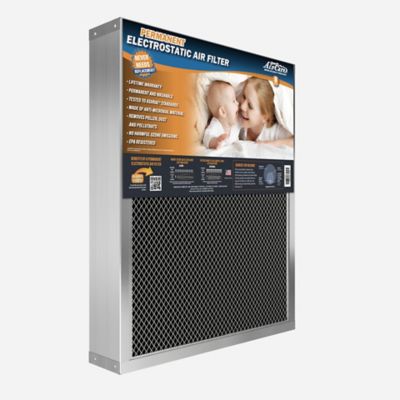
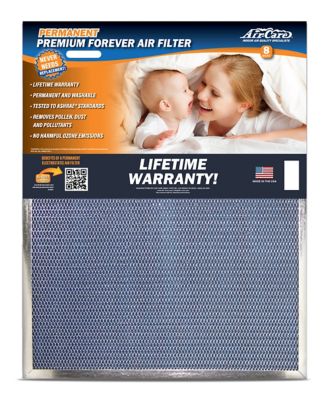
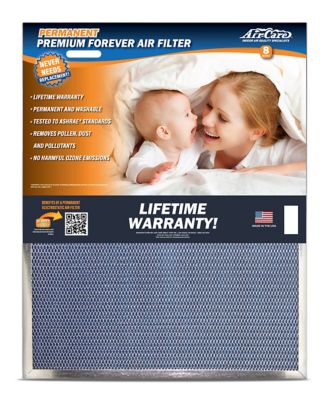
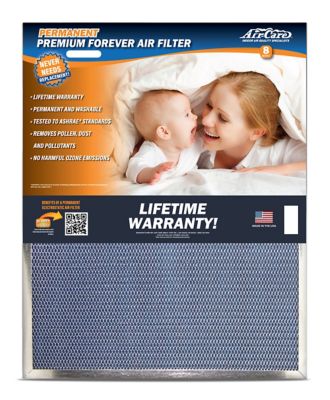
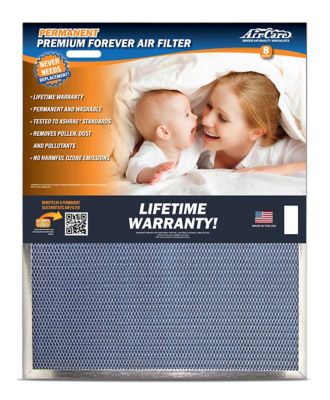
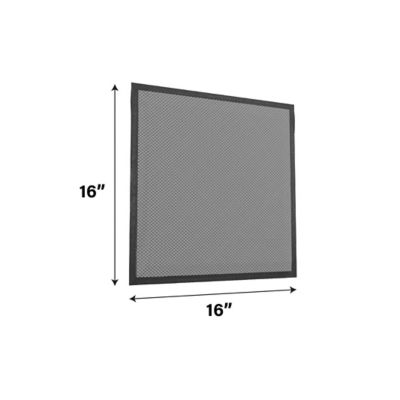
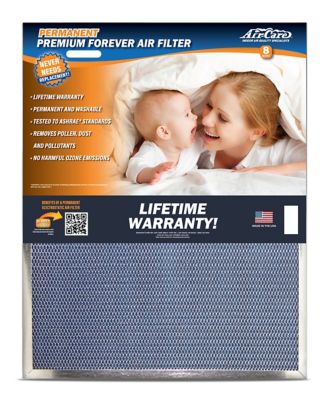
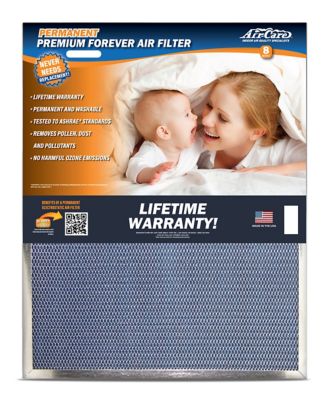
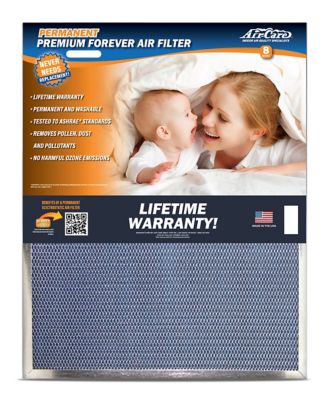
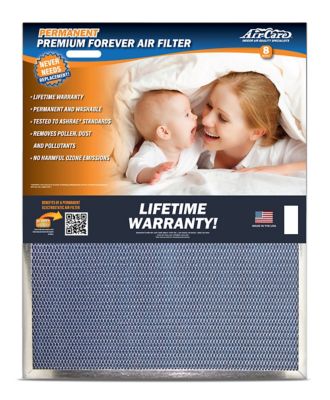
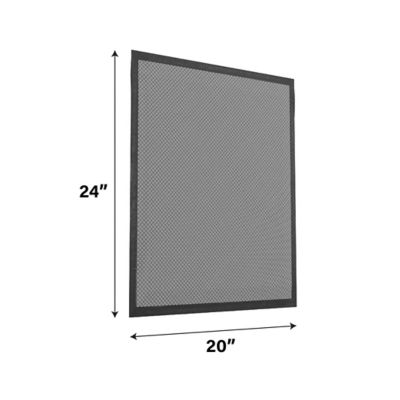
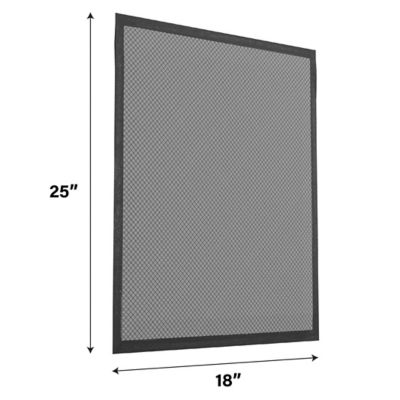
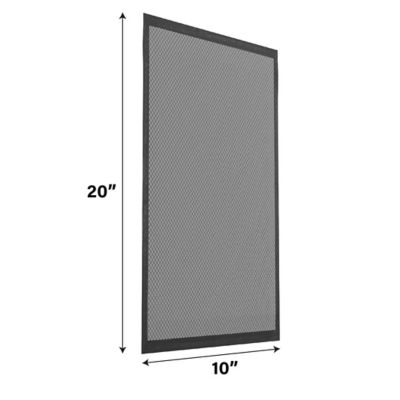
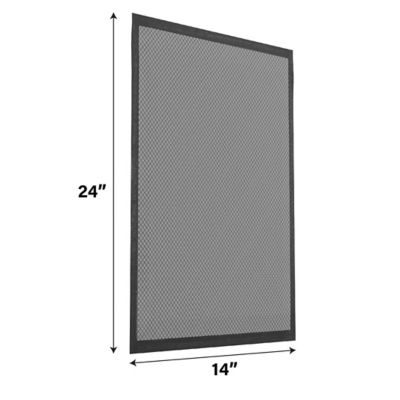
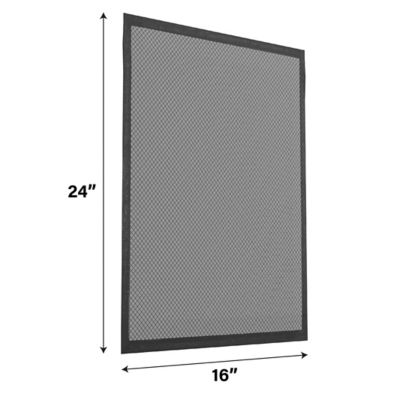
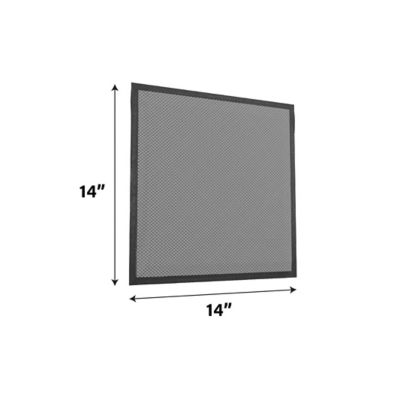
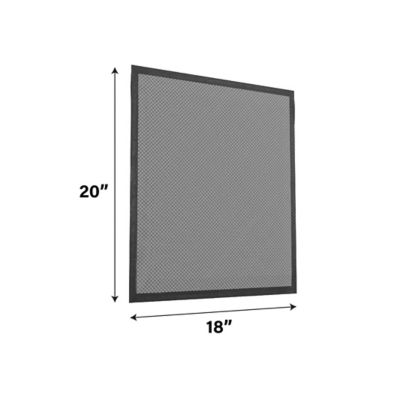
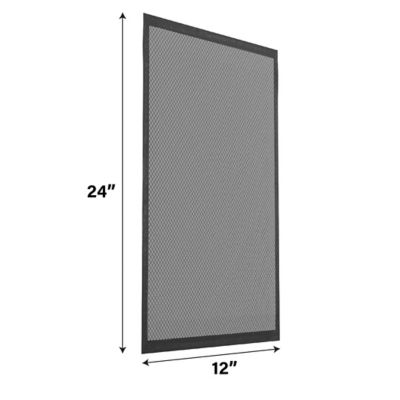
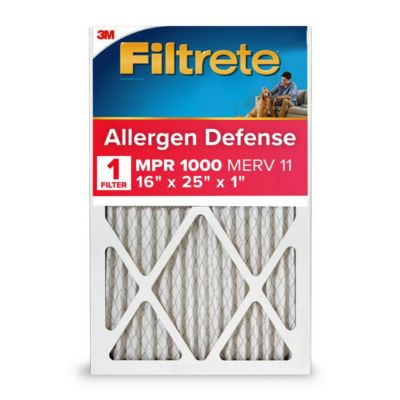
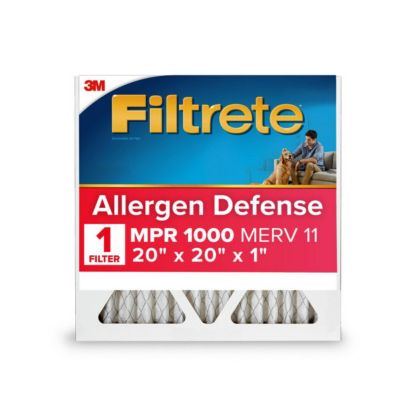
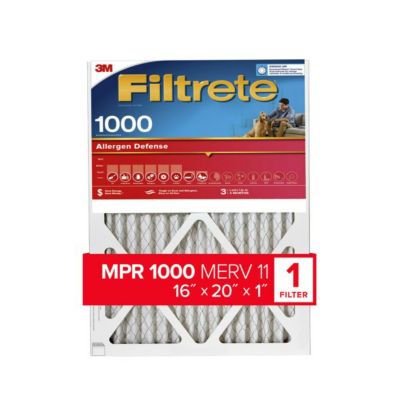
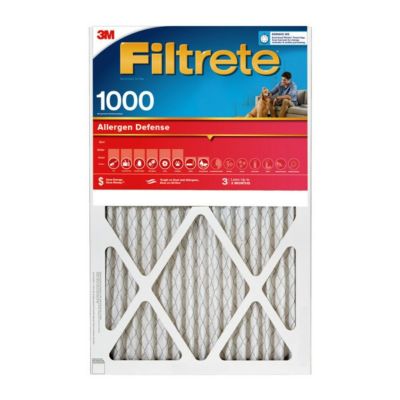
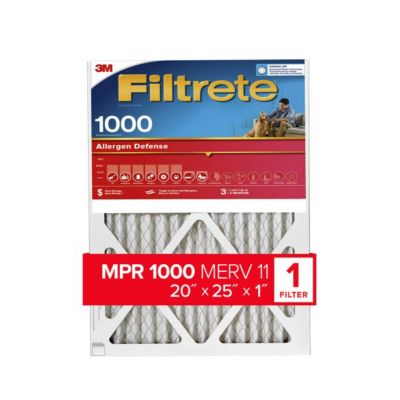
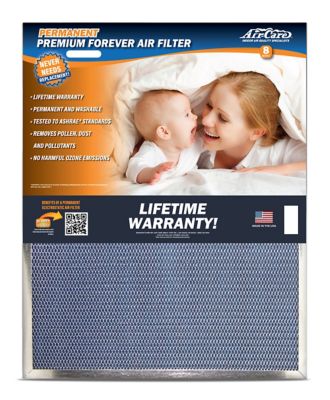
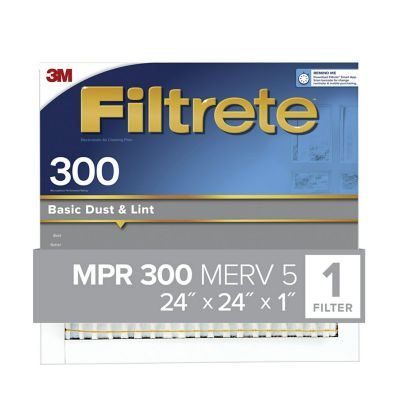
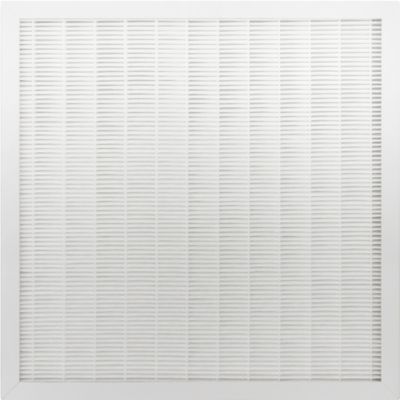
An electrostatic furnace filter is an HVAC air filter that uses a static electrical charge in its filter media to attract and hold airborne particles. In washable, self-charging models, air moving through layers of synthetic material helps create that charge, encouraging dust, pollen and pet dander to cling to the filter. These passive filters do not need batteries, an electrical connection or a separate power supply. They are different from powered electronic air cleaners, which have their own installation and maintenance requirements. Some disposable furnace filters also contain electrostatically charged fibers, so “electrostatic” describes part of the filtering process, not a guarantee that a filter can be washed. Construction and care instructions tell the rest of the story. Washable designs may combine synthetic filtering layers with metal mesh for support and a rigid frame that holds everything in place. The media captures particles, while the frame helps the filter sit squarely in its designated slot. For a household with shedding pets, tracked-in dirt or dust from a nearby gravel road, that combination can make electrostatic filtration worth considering. It helps catch airborne material that reaches the return-air system, though it cannot collect dirt that stays on floors, furniture or other surfaces. Routine cleaning around the house still matters. Furnace filters also help limit particle buildup on HVAC components, making them part of regular equipment care rather than just another housekeeping supply. Their intended job is particle filtration: they should not be counted on to remove carbon monoxide, eliminate gases or solve every odor problem. A washable electrostatic filter can suit homeowners who prefer a filter they can clean and reinstall, provided the system supports it and someone in the household can keep up with the required maintenance.
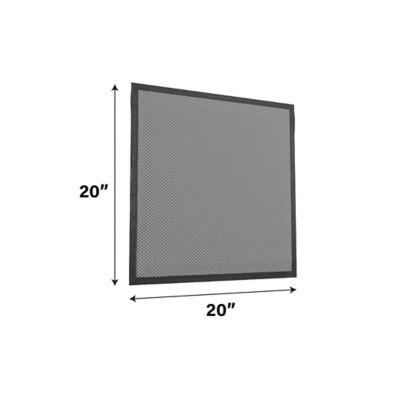
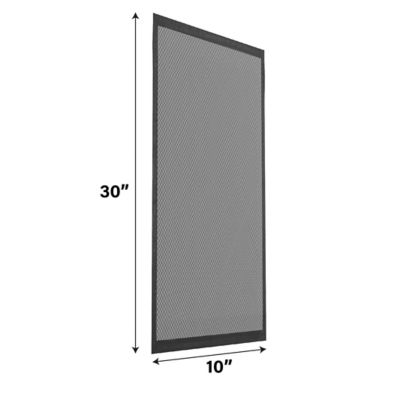
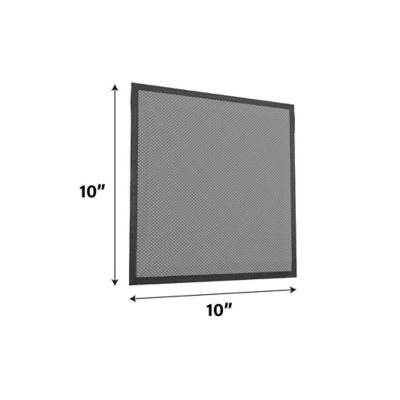
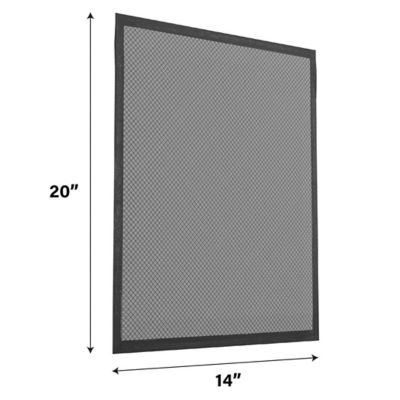
Fit comes first when comparing electrostatic furnace filters. Check the equipment manual, the existing filter label and the filter opening rather than relying on a size that looks close enough. Nominal dimensions are the rounded measurements printed on many filter labels; actual dimensions can be slightly smaller. Length, width and thickness all matter, especially in cabinets with narrow tracks or a fitted access door. A filter should slide into its intended position without being bent, crushed or forced. Gaps around the frame can let air bypass the filtering material, while an overly tight fit can damage the frame or make routine removal a chore. Match the airflow arrow to the direction specified by the equipment instructions, typically toward the blower, and confirm that the access panel closes properly. Filtration strength needs the same attention as physical size. When a MERV rating is provided, it describes particle-capture performance under a standard test; it does not tell the whole story about whether a particular filter suits a particular system. Higher ratings generally indicate better capture of smaller particles, but airflow resistance also depends on the media, filter depth, surface area and how much dust has collected. A filter that restricts airflow beyond the equipment’s limits can interfere with operation. Follow the system manufacturer’s recommendations, and ask an HVAC professional if the permitted filter type or resistance is unclear. Not every washable electrostatic filter carries a MERV rating, so check the published specifications instead of assuming all electrostatic designs perform alike. Homes with allergy concerns may need closer attention to documented particle-capture performance, without treating filtration as a medical solution. Avoid stacking filters to make up for a loose fit or to increase filtration unless the equipment manufacturer specifically calls for that arrangement. The right match balances particle capture, airflow and a frame that seats properly.
Care requirements are where washable electrostatic furnace filters differ most from throwaway styles. Confirm that a filter is washable before putting it under water; an electrostatic label alone does not establish that. Inspecting a washable filter about once a month is a practical starting point, with cleaning frequency guided by the manufacturer’s directions and the amount of buildup. Pets, household activity and airborne dust can shorten the time between cleanings. A filter serving a busy home with several animals may need attention sooner than one in a quieter household. Some manufacturers recommend washing at intervals of roughly one to three months, but the instructions for the filter take priority over a general calendar. Before removal, shut the equipment off as directed in its manual and note the filter’s orientation. Follow the specified rinse direction and cleaning method, and apply cleaner only if the manufacturer permits it. Strong chemicals, stiff brushes and high-pressure spray can damage filtering layers or the frame. Vacuuming is appropriate only when the care instructions allow it; it is not automatically a substitute for washing. After rinsing, let the filter dry completely before reinstalling it. Damp media can hold moisture and create conditions that encourage microbial growth, so allow enough drying time rather than putting a wet filter back into service. Do not run the system without required filtration while the filter dries; an approved spare can help keep maintenance manageable. During each cleaning, look for bent framing, separated layers, tears or damage that prevents a snug fit. Washable does not mean the filter will last indefinitely, and its service life depends on construction, handling and maintenance. Replace it when damage or the manufacturer’s guidance calls for replacement. For other equipment around the house or workspace, compare
Dust Filters by their intended application rather than assuming a furnace filter can do every dust-control job. Household HVAC filtration is separate from collecting sawdust at a shop tool or managing concentrated worksite dust. For the furnace itself, sound fit, suitable airflow and consistent care matter more than the electrostatic label alone.