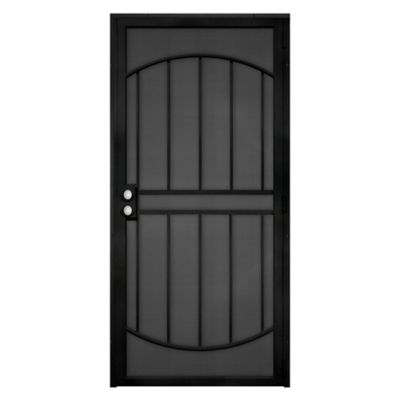
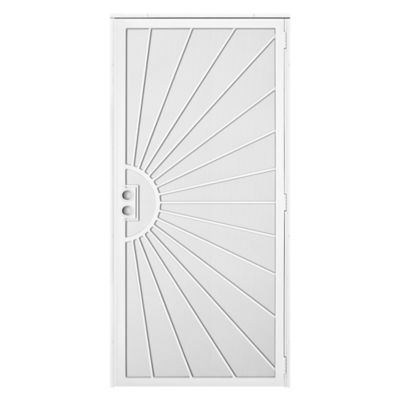
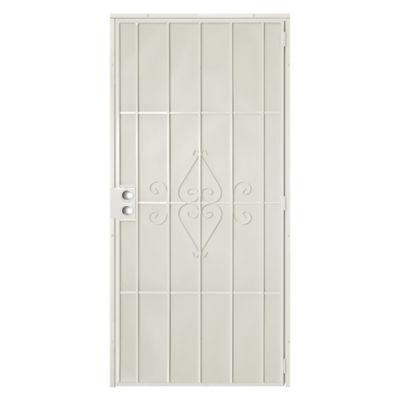
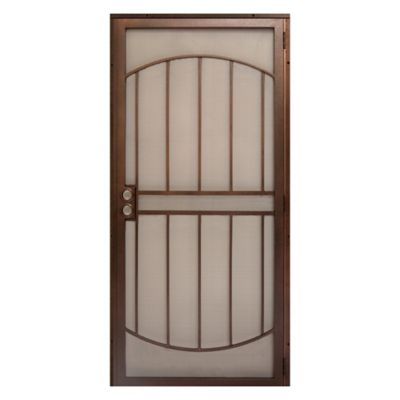
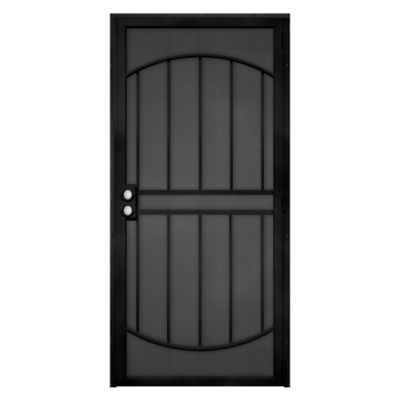
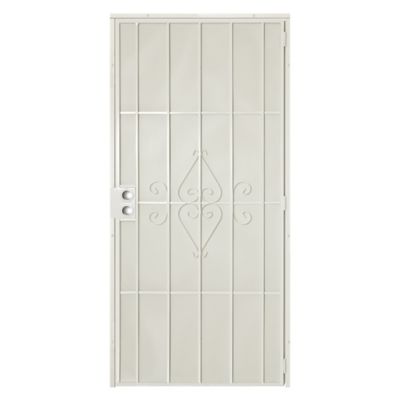
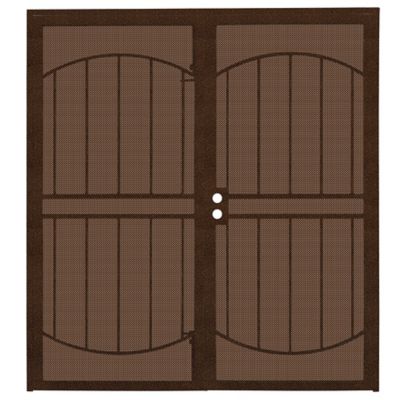
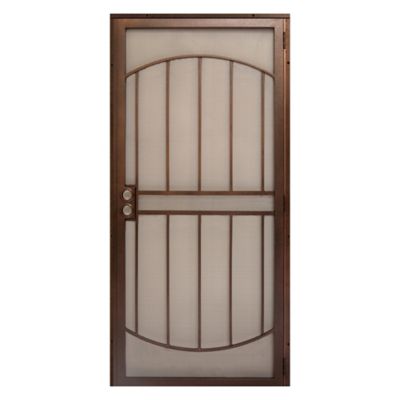
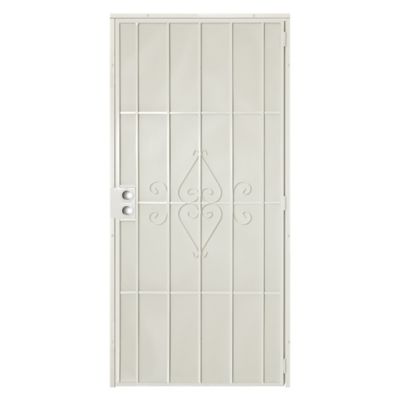
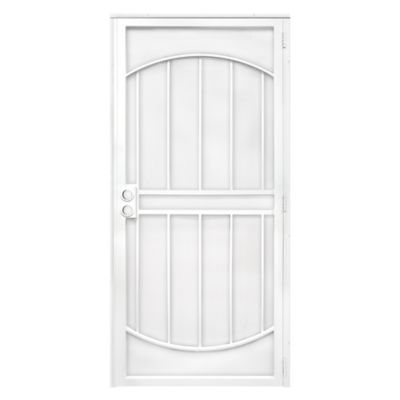
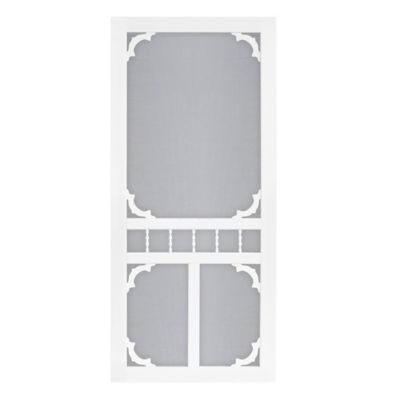
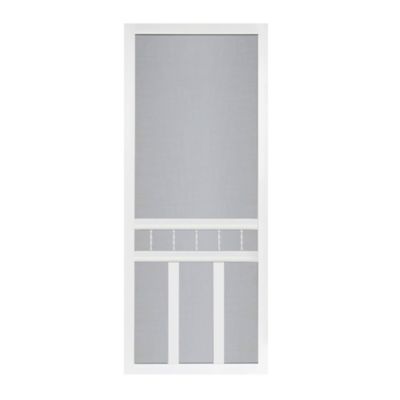
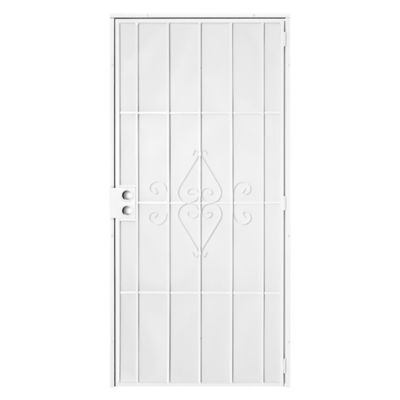
Front door security screen doors bring together two everyday needs: a screened opening that lets air move through and an added barrier between the front step and the house. That combination makes sense for a farmhouse entry, a home along a county road or a busy household where the front door gets plenty of traffic. Unlike a basic insect screen door, a security screen door is built around a stronger frame and a reinforced screen, grille or panel arrangement, depending on its construction. The main entry door still has its own job to do; the screen door adds another layer without closing off the view entirely. With the main door open, a screened entry can make it easier to see someone approaching the porch or speak with a visitor while keeping a physical barrier in place. The level of protection depends on the whole assembly, including the frame, infill, hinges, lock and attachment to the doorway. A substantial appearance alone does not establish resistance to forced entry, so stated testing and clearly described construction matter more than a rugged-looking pattern. Visibility also varies. Fine mesh, closely spaced bars and perforated panels each affect how much can be seen through the opening, and a screen should not be mistaken for a privacy panel. For households with pets, reinforced lower sections may help limit damage from paws at the door, but a security screen is not automatically a pet-containment system. The same practical distinction applies to insects: open grille work needs a suitable mesh layer to keep small bugs out. These doors fit best into everyday life when their screening, locking and access features match the way the entry actually functions, whether that means greeting neighbors, bringing in feed-store purchases or stepping onto the porch with both hands full. A door that feels manageable on every trip is just as important as one that looks substantial from the driveway.
Materials give front door security screen doors much of their character, but construction details tell the fuller story. Steel frames can provide substantial strength and weight, while aluminum frames generally weigh less and resist rust. Stainless steel mesh, where included, can combine screening with reinforcement, though its performance depends on the mesh specifications and the way it is secured within the frame. Expanded metal, perforated sheet and welded bar patterns offer other approaches, with different balances of openness, visibility and screening. Frame thickness, corner joints, welds and screen retention all deserve attention because the door works as an assembly rather than a collection of separate parts. A protective finish helps shield exposed metal, and intact coverage around joints, edges and fastener holes supports a longer service life. Fit matters just as much as material. The listed door size may not describe the full space required for a mounting frame, so the finished opening, trim arrangement and mounting surface all affect compatibility. On an older farmhouse, an opening that looks square from a few steps back may have a slight lean or uneven threshold. That can leave an unwanted gap or keep the latch from meeting the strike cleanly. Brick molding, recessed entries and narrow porch landings can also change how a security screen door sits and swings. Handle clearance is another small detail with a big effect: the screen door hardware needs room to pass the main door’s knob or lever without bumping it. Handing conventions can differ among manufacturers, making the swing diagram more useful than a left-hand or right-hand label by itself. A closer needs adequate mounting space, and its operation should suit the weight of the door. At a frequently traveled entry, smooth movement, a comfortable handle and a threshold that does not create an unnecessary obstacle make the door easier to live with. These details are especially noticeable when carrying groceries, helping a child through the doorway or moving a large package inside.
Hardware and upkeep help determine how well a front door security screen door serves the household over time. Lock designs vary, and the relationship between the latch, strike plate and mounting frame is central to keeping the door closed as intended. Secure attachment to sound framing matters; attaching a heavy assembly only to weak trim can undermine the benefit of a reinforced door. Hinge design, protected fasteners and resistance to lifting or prying may be worth comparing when those features are documented. For a broader look at the entry as a whole,
Exterior Door Security connects naturally with considerations such as the main door, its frame and supporting hardware. No screen door makes an entry impenetrable, and adding locks should never come at the expense of a safe exit. Release hardware needs to meet applicable local requirements and allow occupants to leave promptly in an emergency. Everyday care is usually straightforward, though the manufacturer’s directions should take priority for the particular metal, finish and screen material. Dust from a gravel drive, cobwebs around the frame and grit near the threshold can collect where moving parts need clearance. Gentle cleaning with suitable products helps keep those areas clear without scratching finishes or forcing debris deeper into the mesh. Abrasive pads and harsh cleaners can damage protective surfaces, while neglected scratches on steel can become starting points for rust. Hinges, closers, handles and fasteners benefit from periodic checks, with lubrication only where recommended. A latch that starts dragging or a door that no longer closes evenly may signal loose hardware, hinge wear or movement in the opening rather than a problem with the lock alone. Repairable screen sections and replaceable hardware can make ongoing care more manageable when the design allows them. For a front entry that sees muddy boots, daily deliveries and plenty of trips between the house and yard, the right combination of reinforced construction, proper fit and manageable operation adds a practical layer of separation while keeping the doorway useful.