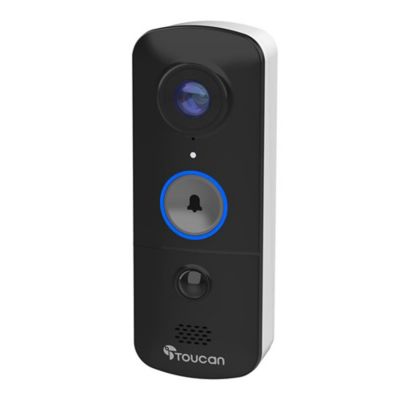
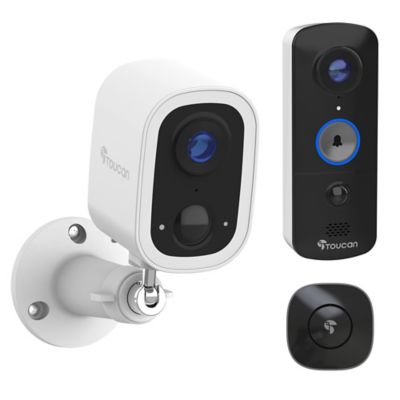
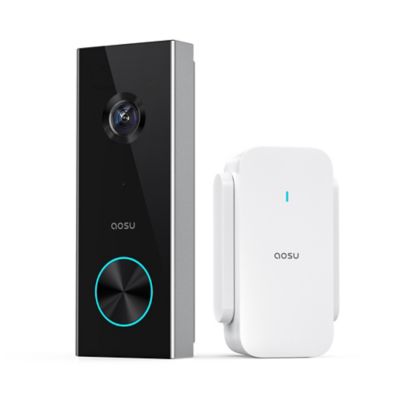
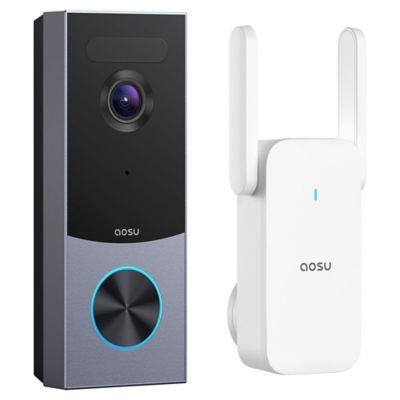
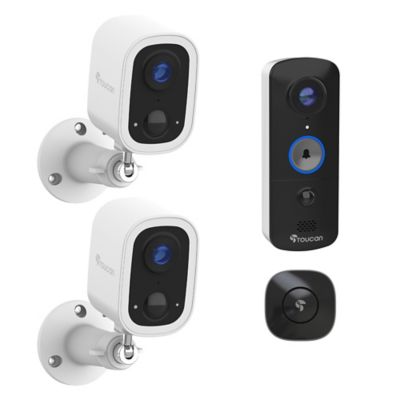
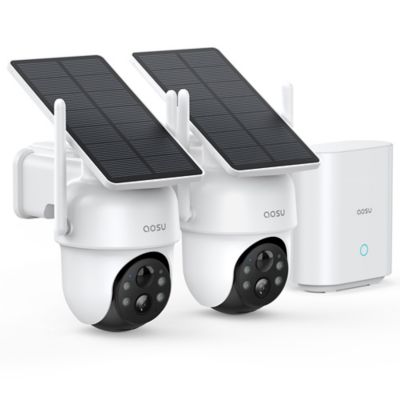
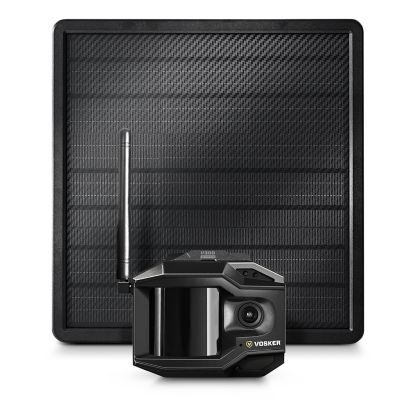
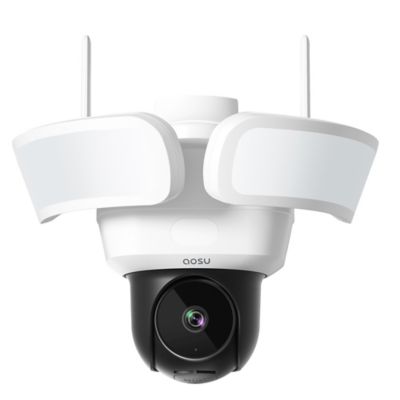
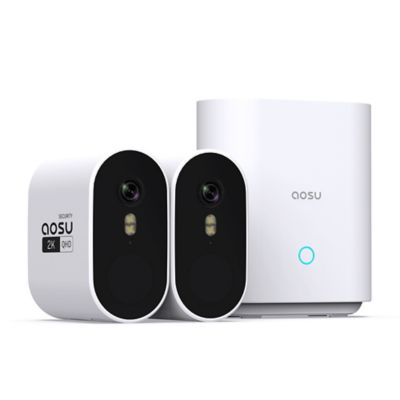
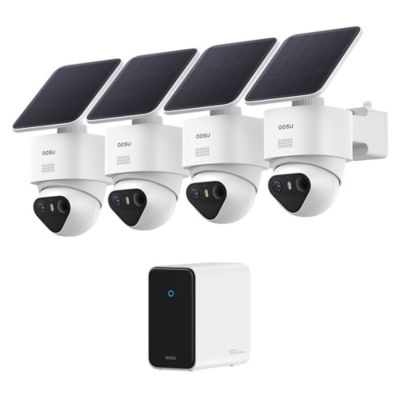
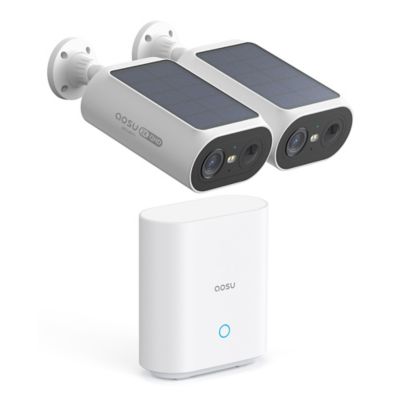
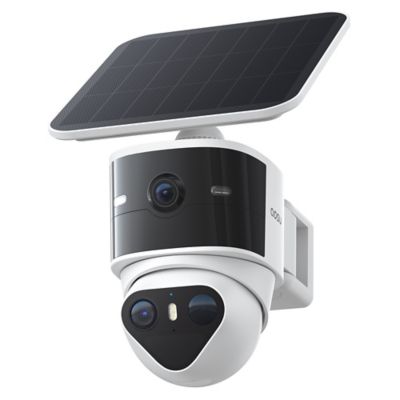
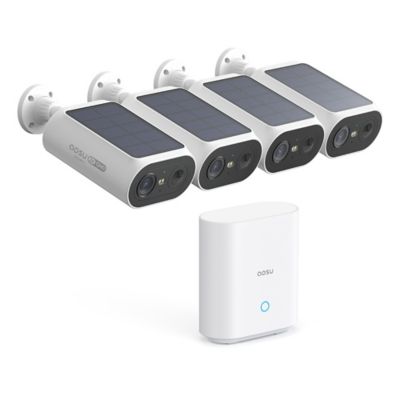
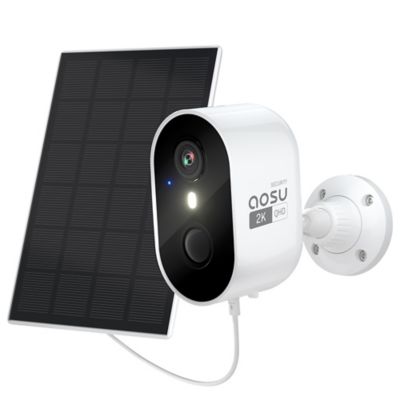
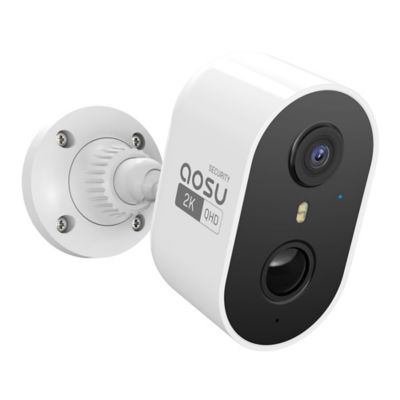
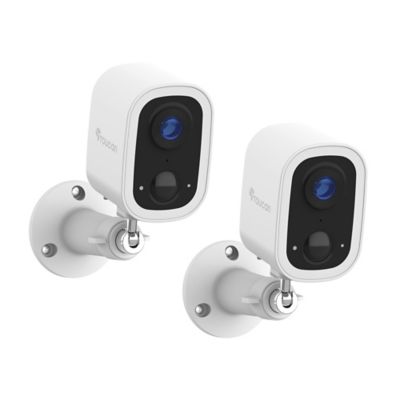
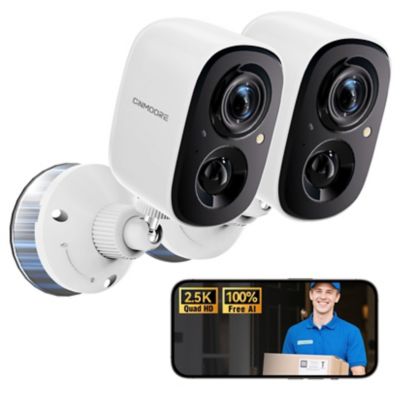
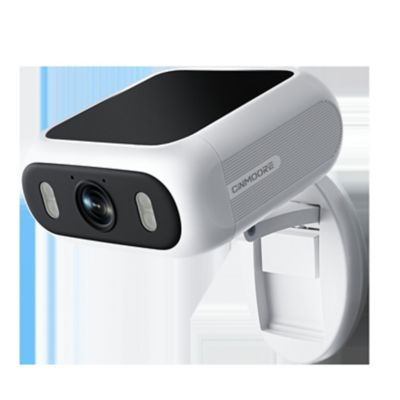
Front door security cameras help you see who is at the entry, check on deliveries and review activity around the porch through a connected app or recording system. Depending on their features, they can send motion alerts, show live video and let you speak with a visitor without opening the door. That comes in handy when a delivery arrives while you’re finishing chores behind the house, someone stops by while you’re away or a package lands beside the steps instead of against the door. Doorbell cameras place the lens near the doorbell button, while separate mounted cameras allow more flexibility above or beside the entry. The right fit depends on what needs to appear in the frame: a visitor’s face, the porch floor, the steps or the path leading toward the house. A wide horizontal view can show more of a broad porch, but a taller vertical view is especially helpful for seeing both a person at the door and a package near their feet. Some designs provide separate views of those areas. Camera placement matters just as much as the viewing angle, since a porch post, screen door or deep doorway can block part of the picture. Higher resolution can make faces and nearby details easier to distinguish, although lens placement, lighting and video compression also affect the result. Night vision supports viewing after dark; infrared footage is generally black and white, while color night viewing depends on the camera’s design and the light reaching the scene. A porch light shining straight into the lens can interfere with the picture rather than improve it. Motion detection adds another layer of convenience, especially when the camera supports separate alerts for people, animals or packages. Those detection features vary by model and may depend on an added service plan. Adjustable activity zones can help keep a passing vehicle or movement outside the walkway from setting off every alert, making notifications more useful without treating them as a guarantee that every event will be captured.
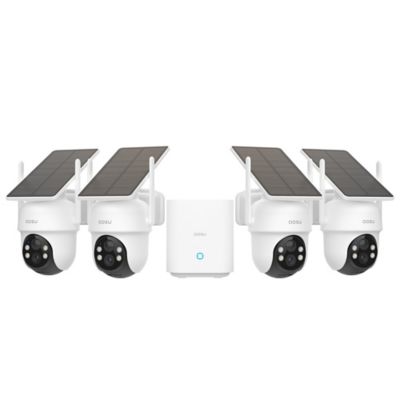
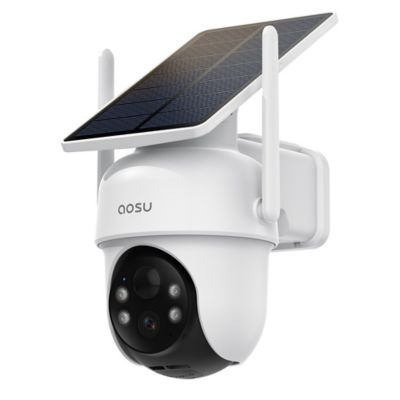
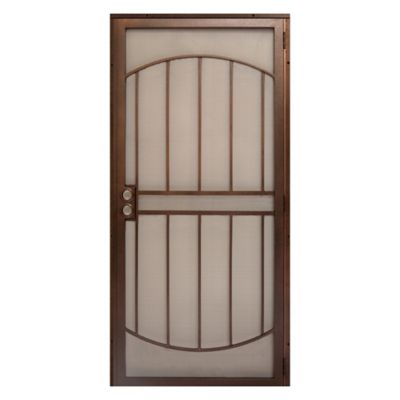
Power, mounting and connectivity shape how a front door camera fits into everyday life. Wired doorbell cameras may connect to existing doorbell wiring, but the transformer’s voltage and power rating need to match the camera’s requirements. Chime compatibility matters, too, since an existing indoor chime may need an adapter or a different setup. Other wired cameras take power from a separate adapter or a compatible network connection, depending on their design. A wired power connection does not automatically mean wired internet or continuous recording. Battery-powered cameras offer more freedom where wiring is not practical, though their batteries need charging or replacement according to the manufacturer’s directions. Frequent motion events, long recordings and repeated live viewing can shorten the time between charges. A mounting position that keeps the battery within comfortable reach can save a fair bit of trouble later. For cameras that connect over Wi-Fi, a strong signal at the actual mounting spot matters more than a strong signal in the living room. Thick walls, masonry and distance from the router can interrupt communication, and the supported Wi-Fi band needs to match the home network. Installation fit also includes the mounting surface, door trim width and clearance around a storm door. Angled brackets may help aim the lens toward the approach instead of a nearby wall, while suitable anchors and screws keep the mount secure on the intended surface. Outdoor-rated housings, protected cable connections and a firmly seated mounting plate are important construction details for an exposed entry. Metal and molded polymer housings have different finishes and care requirements, so the manufacturer’s installation and cleaning directions remain the best reference. A soft cloth can remove smudges from the lens without scratching it; abrasive cleaners can damage lens surfaces or protective coatings. Keeping the view clear of cobwebs, checking the bracket and making sure charging covers close properly are small upkeep tasks that help the camera stay ready for everyday porch traffic.
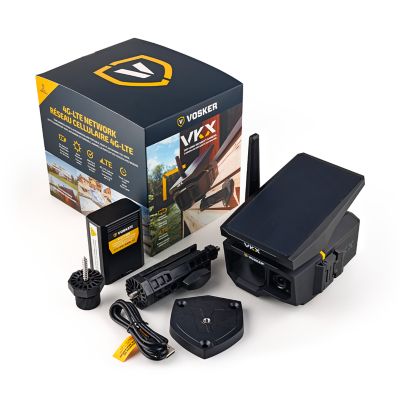
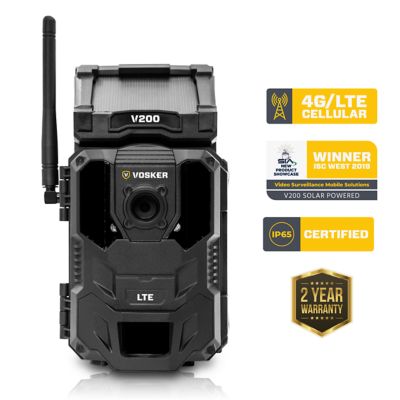
Recording and playback features determine what happens after a front door security camera spots activity. Live viewing lets you check the entry as events unfold, while saved clips provide a record to review later. Local storage may keep footage on a compatible memory card, recorder or base station; cloud storage sends recordings to an online service. Neither arrangement works exactly the same across every camera. Storage capacity, recording length, overwrite settings and access permissions affect how much history remains and who can see it. Some systems require a subscription for video history or advanced detection, even when basic live viewing works without one. Motion-triggered recording captures events around detected movement, while continuous recording requires explicit support from the camera, power source and storage system. A brief gap before a clip begins can matter when someone walks quickly across a small porch, so pre-event recording is worth noting when it is supported. Internet and power interruptions can also affect alerts, live access and recording differently, depending on the setup. Two-way audio adds a practical way to tell a delivery driver where to leave a box or let a neighbor know you’ll be at the door shortly. Clear app controls, shared household access and compatible indoor alerts can make the system easier for everyone at home to manage. Account security deserves the same attention as the mounting hardware: a strong password, multifactor authentication when supported and regular software updates help protect access. Camera angles and privacy zones should keep attention on the entry rather than a neighbor’s windows, and audio recording calls for attention to applicable laws. For homes with an entrance farther up the lane, pairing porch coverage with an
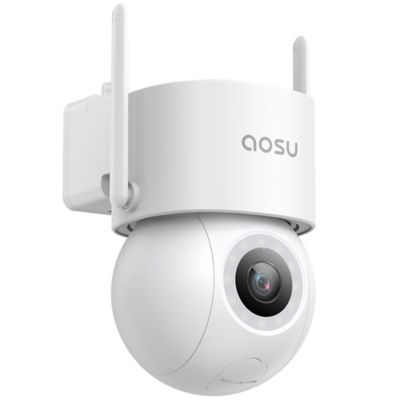
Outdoor Security Camera for Gates can help keep those separate areas in view. Whether the household includes busy parents, someone living alone or folks moving between the house and outbuildings, a well-matched camera puts useful entryway information close at hand without expecting one lens to watch the whole property.