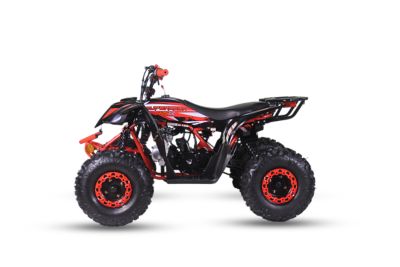
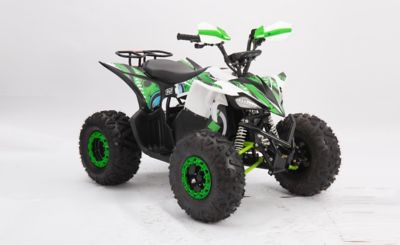
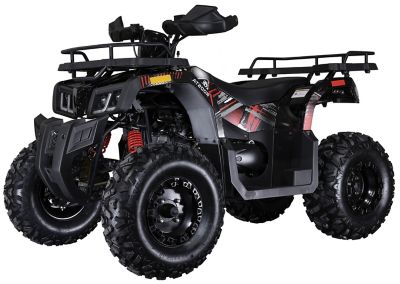
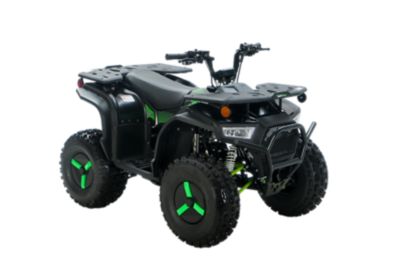
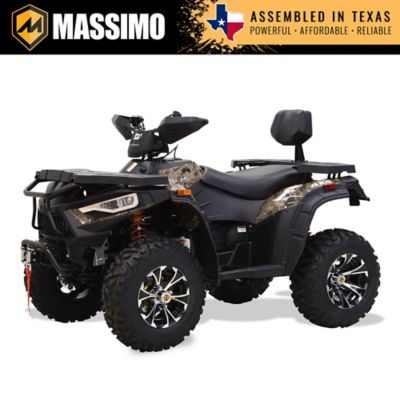
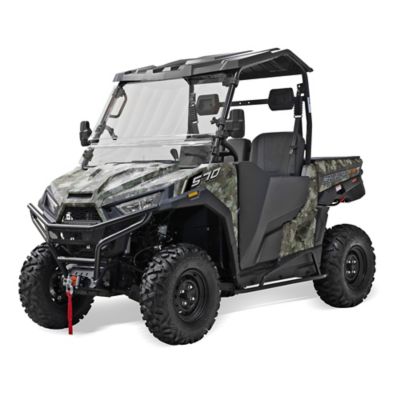
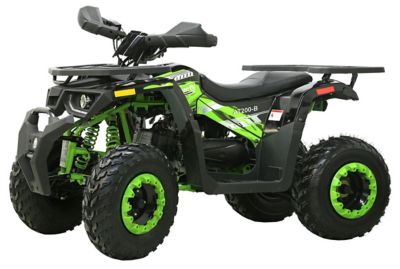
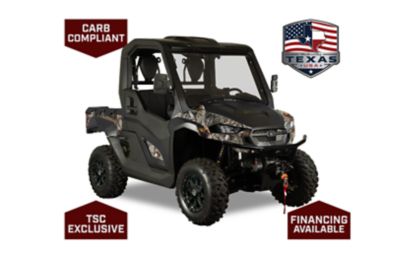
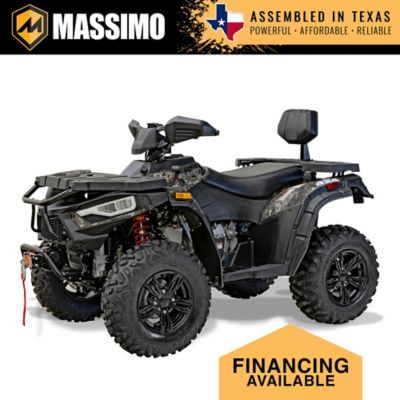
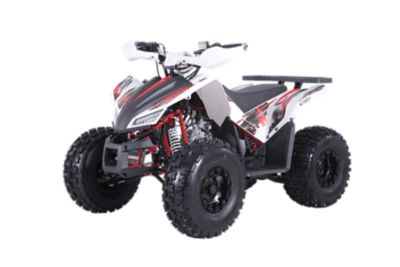
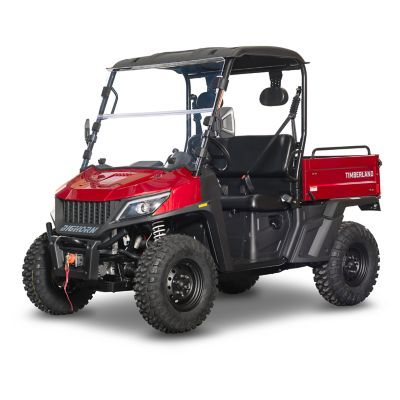
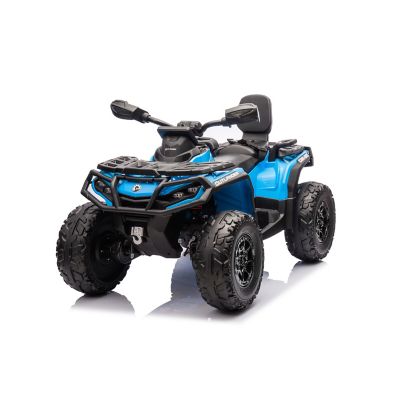
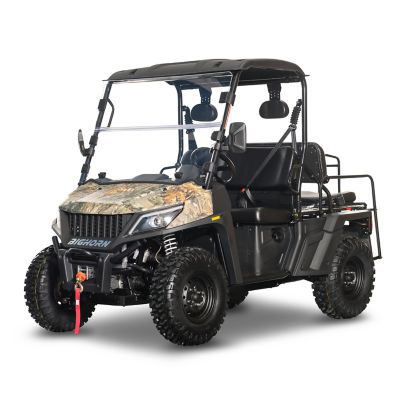
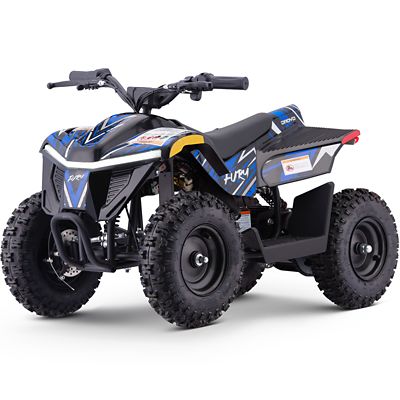
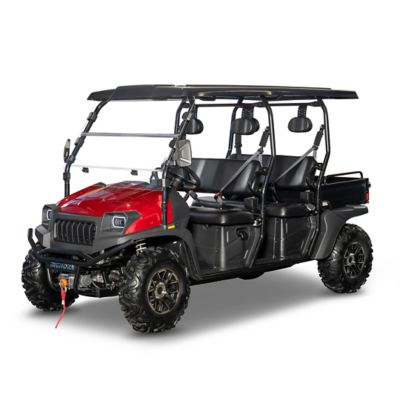
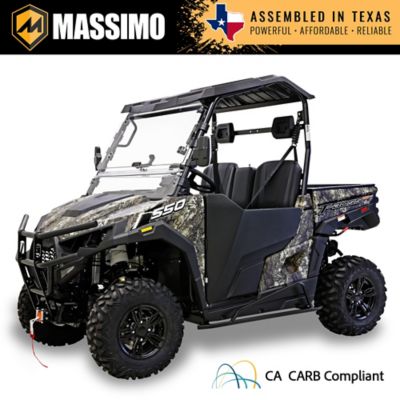
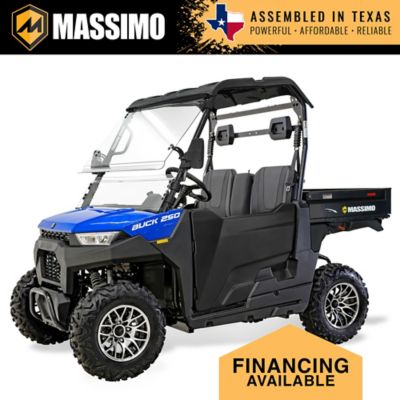
Four-stroke ATVs, also called four-wheelers or quads, are built for a wide mix of work and recreation. Unlike a two-stroke engine, a four-stroke engine completes four separate piston movements—intake, compression, power and exhaust—for each power cycle. That design gives these all-terrain vehicles smooth, predictable power, steady low-speed control and generally quiet operation, which comes in handy when crossing a pasture, checking a fence line or easing along a wooded trail. Four-stroke ATVs also use gasoline without requiring oil to be mixed directly into the fuel, making everyday ownership simpler for many riders. Depending on the model, you may find automatic or manual transmissions, two-wheel or four-wheel drive, selectable high and low ranges, electric start and utility features such as front and rear racks, a hitch receiver or built-in storage. When shopping the selection, start with the job at hand. A smaller, lighter ATV can be a practical choice for learning, light trail riding and shorter trips around a property, while a mid-size or full-size utility ATV may be better suited to hauling feed, tools, firewood or fencing supplies. Check the vehicle’s recommended rider age, weight capacity, towing rating and cargo limits rather than judging capability by appearance alone. A machine with four-wheel drive, low-range gearing and generous ground clearance can make a noticeable difference on muddy lanes, steep ground or loose gravel, while a two-wheel-drive model may be easier to handle for basic yard work and casual riding. Suspension travel, tire tread, turning radius and seat comfort matter, too; a ride that feels fine in the driveway can feel very different after an hour of ruts and bumps. For a broader look at capable options, browse
Top Rated 4x4 ATVs and compare features against the way you expect to use your machine.
A four-stroke ATV can earn its keep around a farm, ranch, hunting property, large homestead or rural lot. Riders use them to carry supplies between buildings, inspect gates, reach remote corners of a property and pull small trailers or carts within the manufacturer’s rated limits. During the warmer part of the year, they can make trail rides and backwoods exploring more comfortable, especially when a reliable machine handles long stretches of uneven ground without demanding constant gear changes. As the weather turns cooler, an ATV can be just as useful for checking livestock, moving firewood, clearing light debris or getting through areas where a full-size truck would be awkward. Recreation riders often appreciate the smooth throttle response and manageable engine braking of a four-stroke quad, while new adult riders may find an automatic model less distracting as they learn steering, braking and terrain awareness. Youth ATVs can also be a thoughtful gift for an appropriately aged child or teenager, but size, speed, supervision and local rules should guide that decision; a youth model is not simply a smaller adult machine, and children should always ride the vehicle matched to their age and ability. For any rider, plan on a properly fitted helmet, eye protection, gloves, over-the-ankle boots, long pants and a durable shirt or jacket. Take time to read the owner’s manual, inspect tire pressure, check fluids and controls, and understand how four-wheel drive and braking systems work before heading away from home. It is also smart to ask about registration, trail access, age requirements and helmet laws in your area, since regulations vary. Keep passengers off single-rider ATVs unless the vehicle is specifically designed and rated for two people, and remember that a rack loaded with feed or a trailer full of supplies changes how the ATV steers and stops. Whether it is being chosen as a useful gift for a landowner, a practical tool for farm chores or a way to spend quiet hours exploring the back forty, the right four-stroke ATV should match the rider, the terrain and the work expected of it.