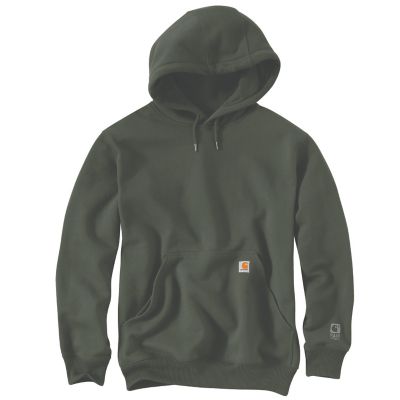
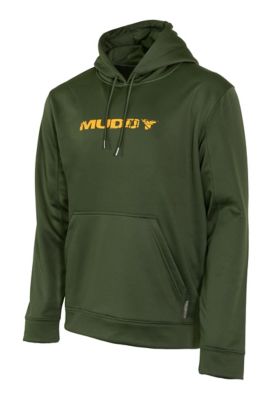
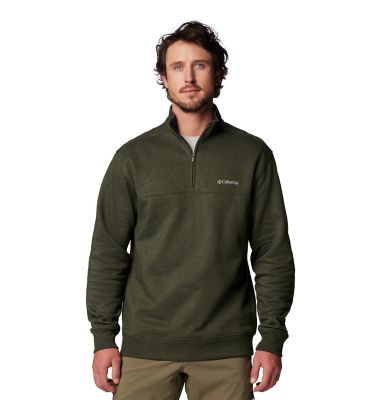
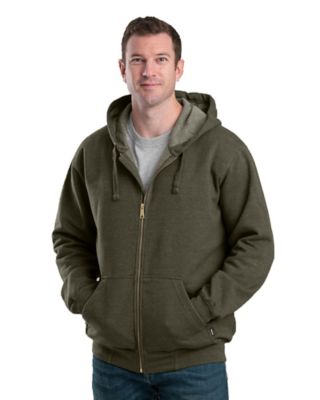
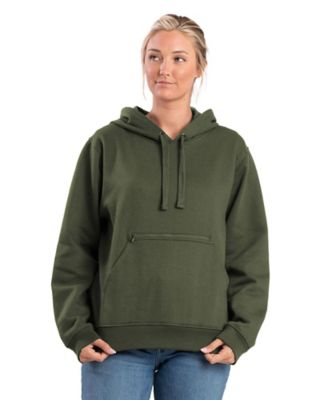
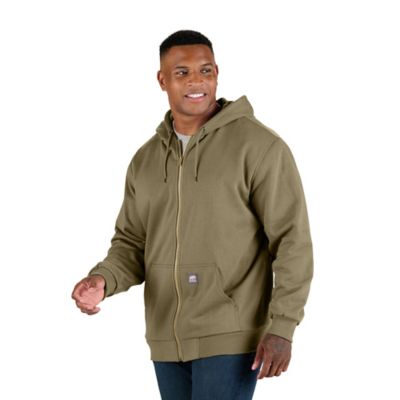
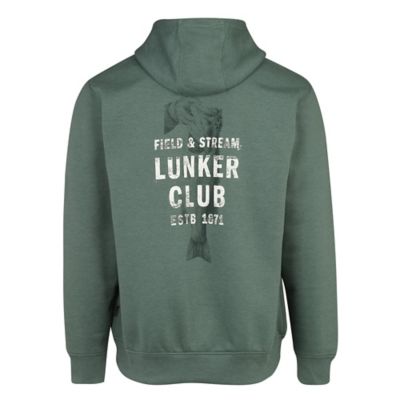
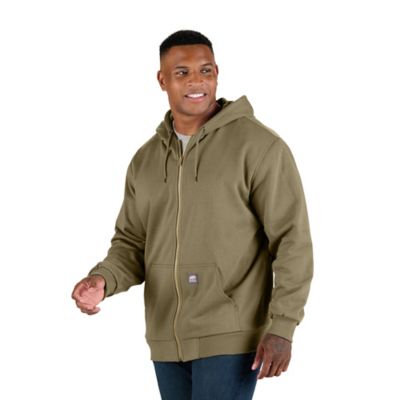
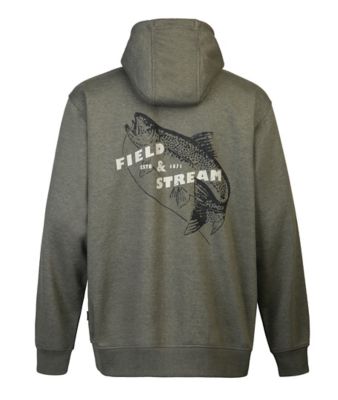
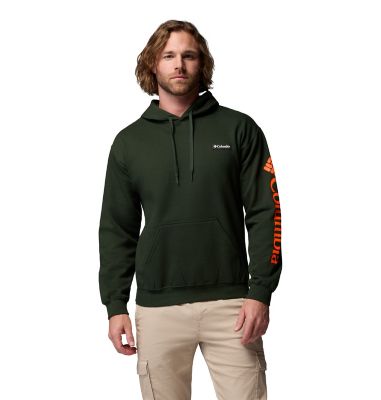
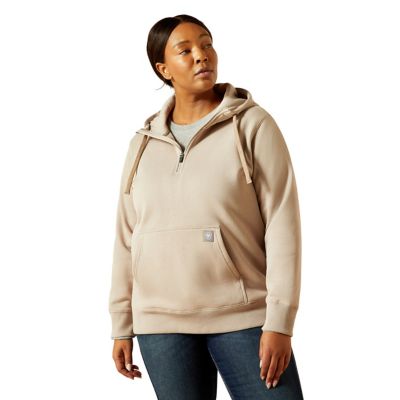
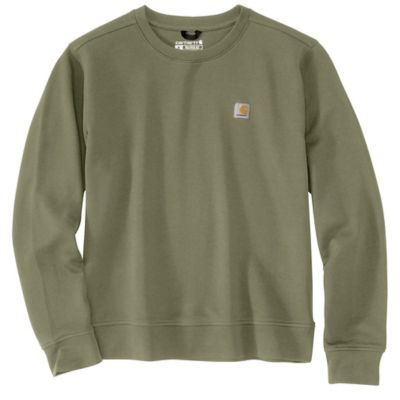
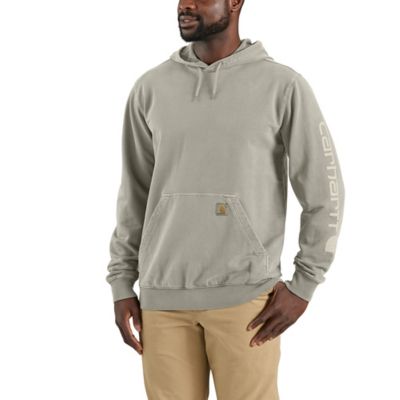
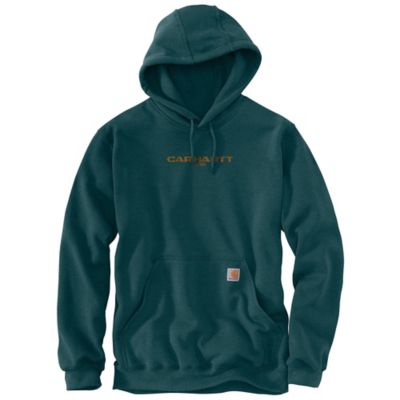
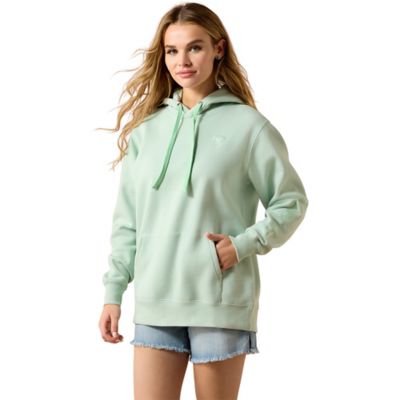
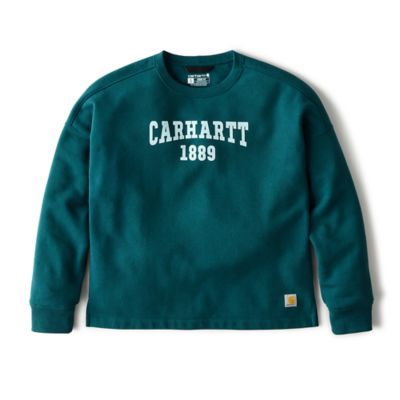
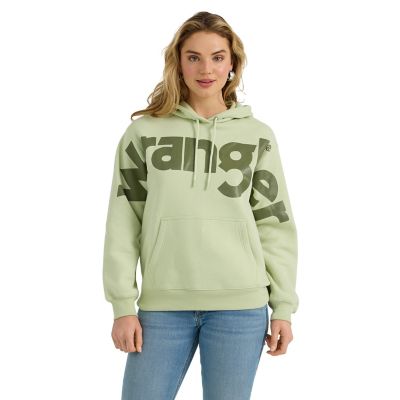
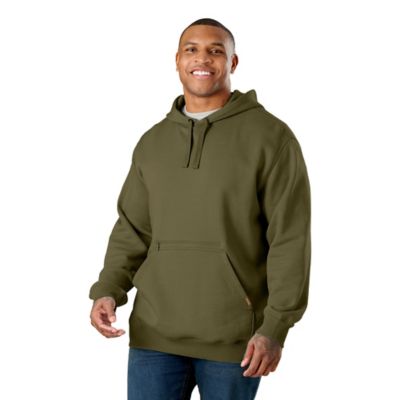
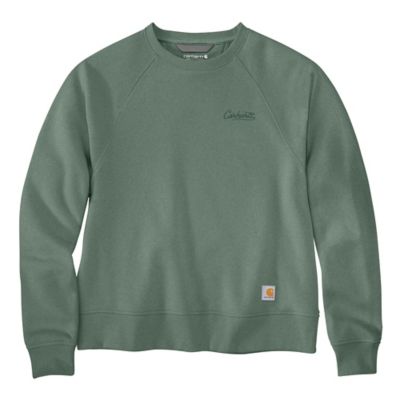
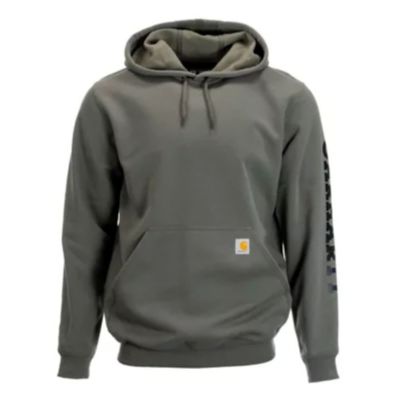
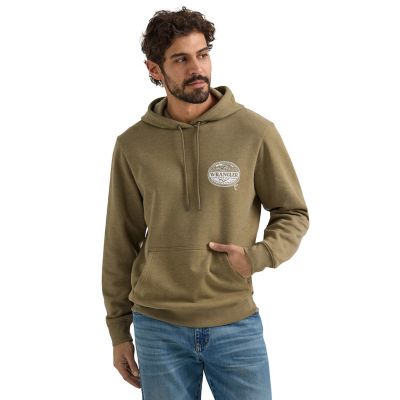
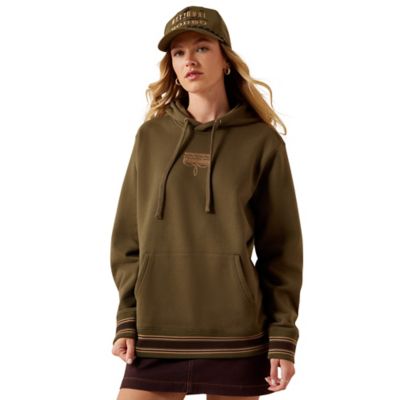
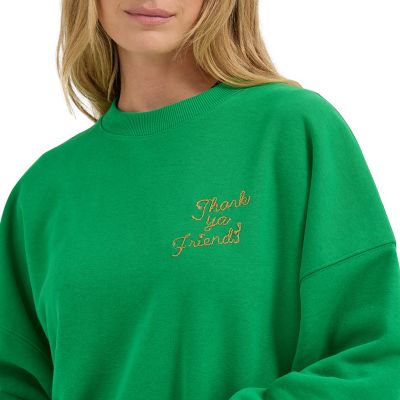
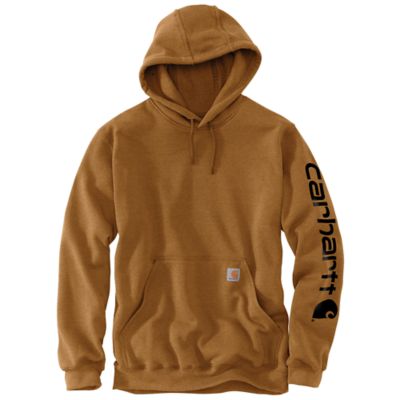
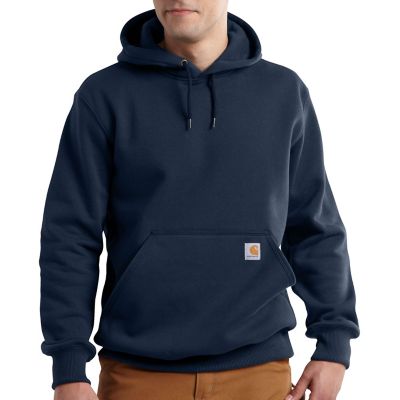
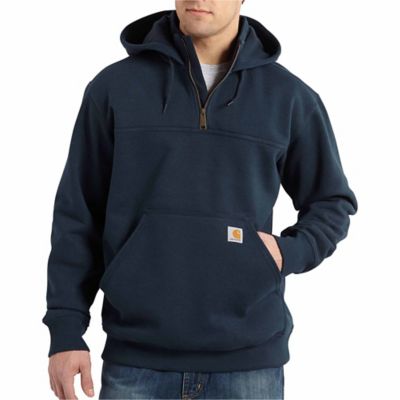
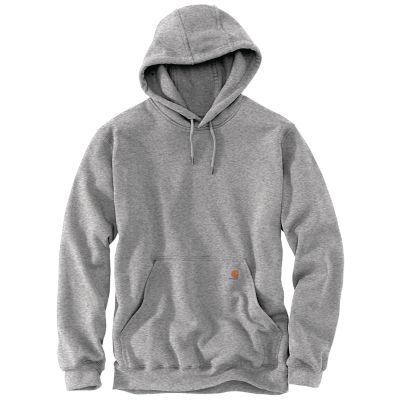
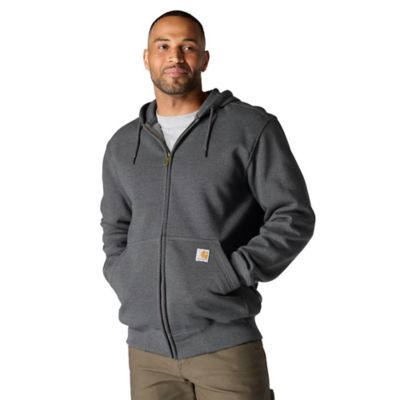
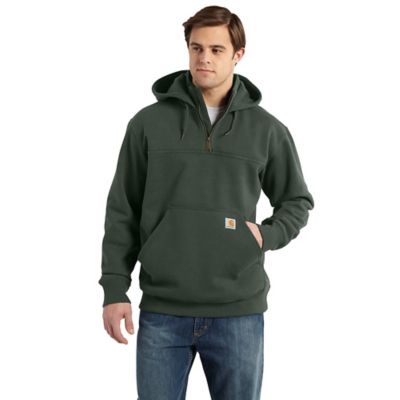
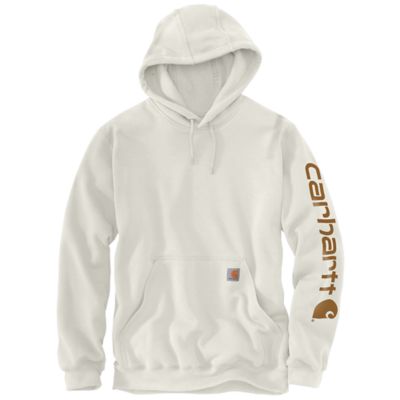
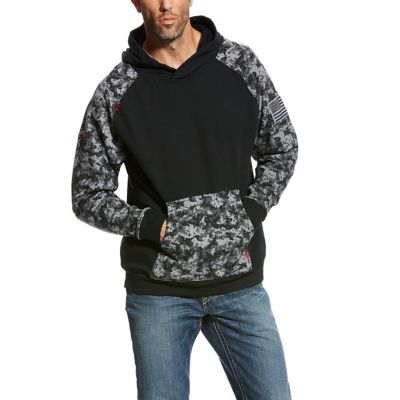
A forest green sweatshirt is an everyday layer in a deep, earthy shade of green, commonly made from cotton, polyester, or a blend of the two. The main styles include crewneck pullovers, hooded pullovers, and zip-front sweatshirts, each with a different neckline and feel. A crewneck keeps things straightforward, with a rounded neck that sits easily over a T-shirt. A pullover hoodie adds a hood and often a front pouch pocket, while a full-zip style opens completely for easy changes between tasks. Forest green pairs naturally with blue jeans, brown work pants, black joggers, and tan canvas, making it a practical color for a regular rotation of casual clothes. It has more depth than a bright green and generally looks darker and less yellow than olive, though exact shades vary by fabric and finish. Against faded denim, the color feels relaxed; alongside dark pants and clean boots, it can look a little more pulled together without getting fussy. That range suits a feed-store run, a visit with family, a walk down the lane, or an afternoon catching up on small jobs around the place. Plain designs keep the focus on the color and fabric, while printed or embroidered styles bring a different look to the same familiar shape. A small chest design leaves most of the green visible, whereas a larger front graphic changes the overall appearance. Matching a sweatshirt to pants does not mean finding the exact same shade, either. Forest green works well as the main color in an outfit, with neutral pieces doing the rest. For more green options to wear alongside everyday layers,
Men's Green Shirts offers a related category to explore. The appeal of a forest green sweatshirt is that it can fit into familiar outfits without requiring a whole new wardrobe.
Fabric construction makes a noticeable difference in how a sweatshirt feels, hangs, and handles regular wear. Cotton-rich fabrics often have a soft, familiar hand, while cotton-polyester blends can offer a balance of softness, shape retention, and drying time. The exact blend matters, but so do the knit, fabric weight, and finish. Brushed fleece has a soft, fuzzy inner surface; French terry typically has small loops on the inside and a smoother outer face. A heavier fabric tends to feel more substantial and hold a defined shape, while a lighter fabric generally drapes more loosely and takes up less room beneath another layer. Neither weight automatically tells the whole story about how well a garment will stand up to repeat wear. Even stitching, well-attached pockets, and ribbing that returns to shape are useful details to consider. At the neckline, reinforced seams can help a crewneck handle repeated pulling on and taking off. On a zip-front sweatshirt, the zipper should move smoothly without catching the surrounding fabric. Fit matters just as much when reaching across a workbench, carrying a feed scoop, or settling into a truck seat. A regular fit generally follows the body with room to move, while a relaxed fit leaves more space through the chest and middle. A closer fit may sit neatly beneath a vest, but it still needs enough room across the shoulders for comfortable movement. Men’s, women’s, and unisex sizing can differ in body length, sleeve length, and shaping, so measurements are more helpful than a size letter alone. Comparing the listed chest and length measurements with a sweatshirt that already fits well can make the choice clearer. Ribbed cuffs should sit comfortably at the wrists, and the hem should stay comfortable when sitting or bending. Hood size, drawstrings, and pocket placement also affect everyday wear; loose cords and fabric should stay clear of moving machinery.
Care habits help a forest green sweatshirt keep its color, feel, and shape through the laundry cycle. The sewn-in care label takes priority because fiber blends, prints, embroidery, and fabric finishes can call for different treatment. Washing with similar colors helps limit color transfer, especially during the first few washes. Turning a sweatshirt inside out can reduce rubbing against the outer surface and help protect printed artwork. Detergent without bleach is generally a sensible choice for dark colors when the care label permits it, and measuring detergent helps avoid residue that can leave fabric feeling stiff. Cotton-rich sweatshirts may shrink with excessive dryer heat, so following the recommended drying setting matters when the fit is already just right. If air drying is allowed, reshaping the garment first can help the sleeves and body settle evenly. Letting a heavy, damp sweatshirt hang from a narrow hanger may stretch the shoulders; laying it flat offers support when the care instructions call for that method. Small routines matter between washes, too. Emptying pockets keeps stray screws, fence clips, and pens from traveling into the laundry, and treating a spot promptly is usually easier than letting it sit. For a gift, forest green makes a down-to-earth choice for someone who regularly reaches for jeans, boots, and comfortable pullovers. A plain crewneck can suit a person who prefers a simple neckline, while a hoodie may better match someone who likes a front pocket and a more laid-back look. Familiar fit preferences are worth more than guessing from appearance alone: checking the recipient’s usual sweatshirt size and preferred shape helps narrow the choice. Whether it becomes a go-to layer for errands, porch sitting, or everyday chores, the best match comes down to a comfortable cut, a fabric that feels right, and care requirements that fit an ordinary laundry routine.