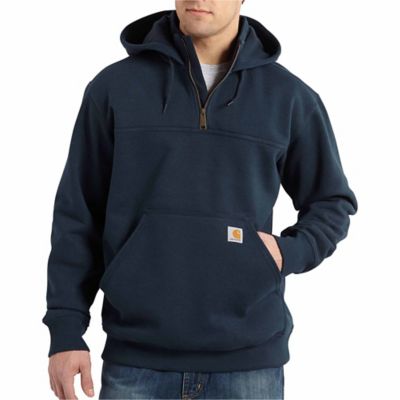
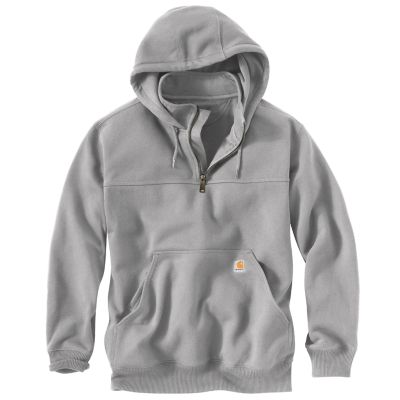
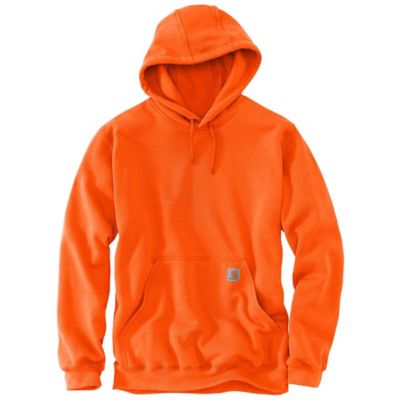
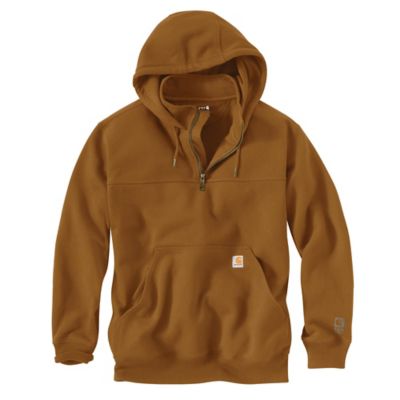
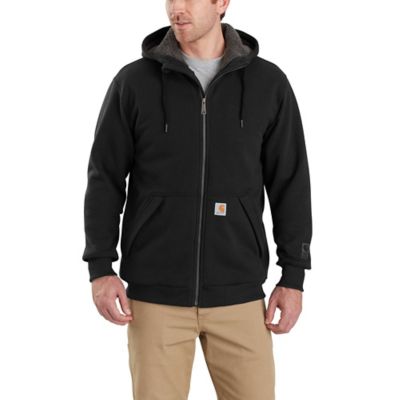
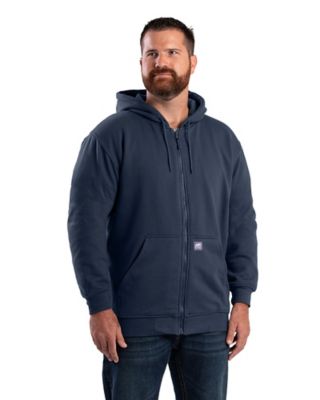
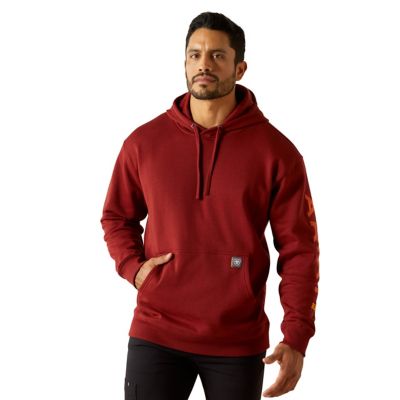
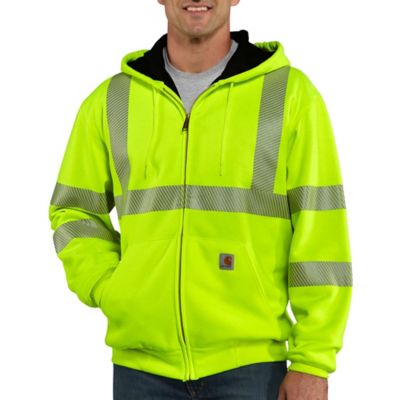
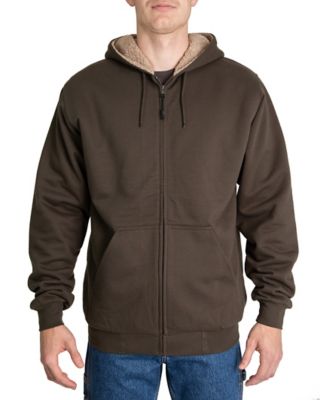
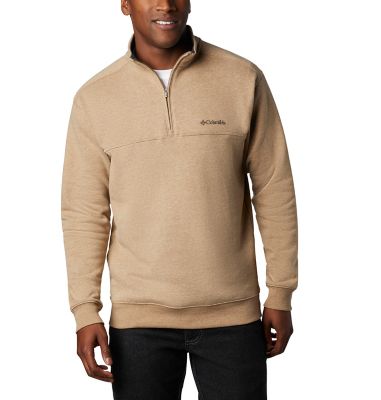
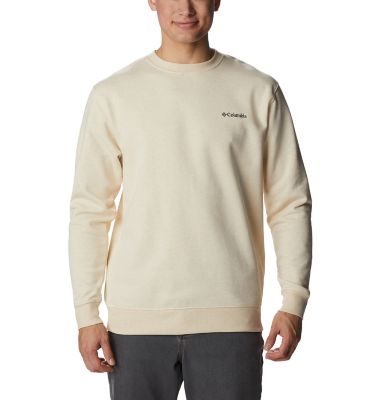
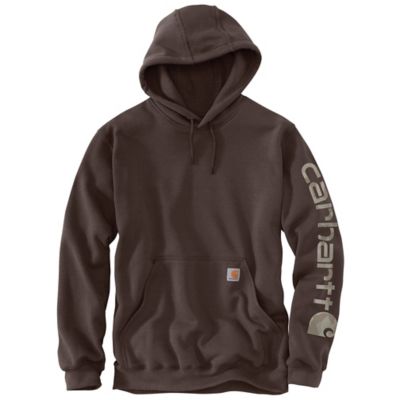
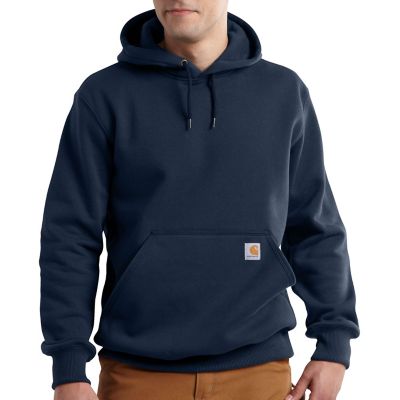
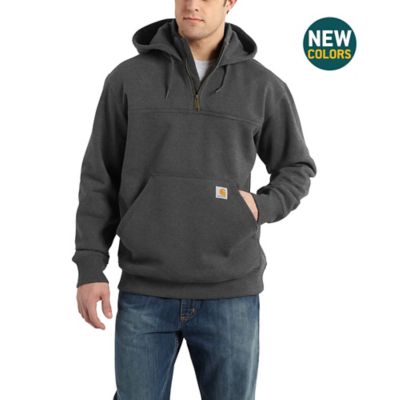
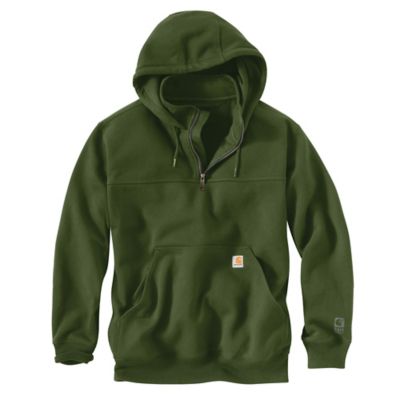
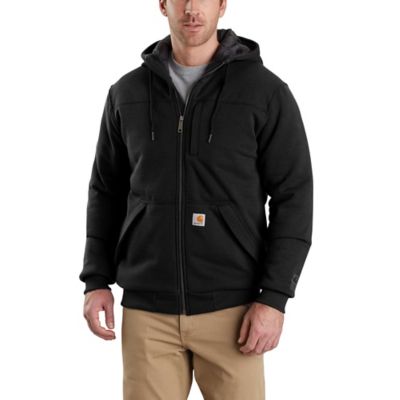
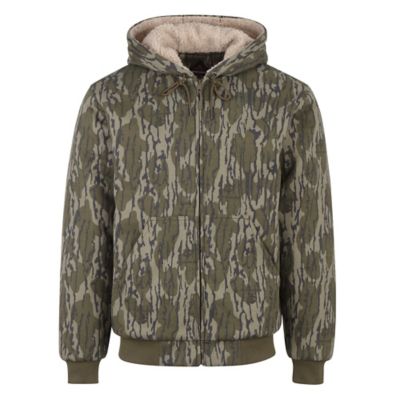
Men's sweatshirts are everyday layers that fit just as easily into a day of chores as a trip into town. The main styles include crewneck sweatshirts, pullover hoodies and full-zip hoodies, each with a different feel and function. A crewneck has a rounded neckline without a hood, making it a straightforward choice over a T-shirt or beneath a work jacket. A pullover hoodie adds an attached hood and often a front pouch pocket, giving hands, gloves or a folded shopping list somewhere to land. Full-zip styles open down the front, so they slip on and off without pulling over a cap or rearranging the shirt underneath.
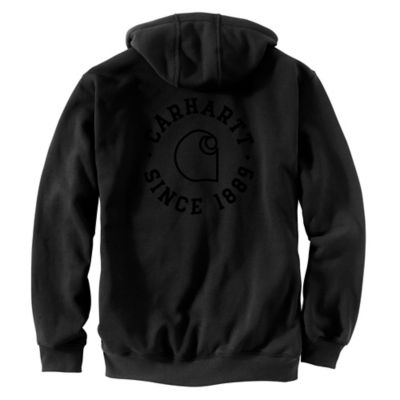
Men's Full Zip Sweatshirts offer that easy-on design for men who like an open-front layer at the feed store, around the house or between tasks. Fabric makes a difference in how any of these styles wears. Cotton sweatshirts generally have a soft, familiar feel, while cotton-and-polyester blends pair that softness with fibers that can help the garment hold its shape and dry faster than all-cotton fabric. The exact balance depends on the fiber percentages and fabric construction. Brushed fleece has a fuzzy interior that feels soft against a shirt or skin. French terry has small loops on the inside and typically feels less plush, making it another option for casual wear and active days. Fabric weight matters, too: a lighter sweatshirt tends to fold and layer easily, while a heavier knit usually has more structure. Neither weight tells the whole story about how a garment will hold up. Seams, cuffs, fabric density and proper care all play a part. Solid colors keep the look simple, while printed or embroidered designs bring more personality to an everyday outfit. Whether paired with jeans, work pants or joggers, a sweatshirt offers a familiar balance of comfort and coverage without requiring much fuss.
Fit determines whether a men's sweatshirt feels right through a full day, not just while standing in front of a mirror. A regular fit generally follows the body with room for an everyday shirt underneath. A relaxed fit leaves more space through the chest and waist, which can suit men who prefer an easy silhouette or need room to reach, bend and carry. Athletic cuts may sit closer through the middle, though fit names vary, so chest measurements and the garment's size chart tell more than a label alone. Shoulder seams that sit near the shoulder edge create a more defined shape; dropped shoulders give the upper body a looser look. Sleeve length deserves attention when lifting a feed bag, stacking split wood or reaching into the bed of a pickup. Cuffs should stay comfortably near the wrist rather than sliding over the hands, and the hem should provide coverage without bunching beneath a belt or jacket. Ribbed cuffs and waistbands help keep edges in place, while a straight hem hangs more freely. Tall sizing can offer extra body and sleeve length without requiring a wider fit everywhere else. Pocket placement also affects everyday comfort. A pouch pocket works well for resting hands or carrying something light, but loading it with heavy objects can pull the front downward. Separate pockets on zip-front styles keep the opening accessible, though pocket contents may still shift when bending or sitting. A hood should rest comfortably without tugging at the neckline, and a zipper should move smoothly without catching the surrounding fabric. Loose sleeves and drawcords need to stay clear of moving equipment; a sweatshirt is everyday clothing, not a replacement for protective clothing required for a task. These details matter for men who move between a workshop, barn, driveway and kitchen table without wanting to change clothes at every stop.
The life of a sweatshirt depends on both its construction and the way it is cared for. Even stitching, firmly attached pockets and ribbing that returns to shape after stretching are useful details for everyday wear. Areas that see repeated friction, such as cuffs, elbows and pocket openings, may show wear before the rest of the garment. A close, substantial knit can resist snagging better than a loose surface, but any sweatshirt can catch on rough lumber, fencing or a sharp edge. Care labels provide the right washing and drying directions for the fabric, trim and any printed design. Cotton may shrink with high heat, while blends can respond differently depending on their fiber content. Washing with similar colors helps prevent color transfer, and turning a sweatshirt inside out can reduce rubbing against its outer surface. Overloading the washer leaves less room for garments to move and rinse. Mud, grease and feed dust call for different treatment, so a stain product should match both the stain and the care instructions rather than becoming a one-size-fits-all fix. Zippers are generally best closed before washing to limit catching on other clothing, and drawcords should be secured so they do not disappear into their channels. Following the recommended drying method helps preserve fit; neatly folding a sweatshirt for storage avoids the shoulder bumps that some hangers leave in heavier knits. Men's sweatshirts also make practical gifts for dads, brothers, partners and friends whose off-duty wardrobe centers on comfortable basics. The most useful choice reflects how the recipient dresses: a crewneck for someone who likes a simple neckline, a pullover for someone who reaches for a hood, or a zip-front style for someone who likes an adjustable opening. Matching a familiar fit and preferred color helps the gift become part of the regular rotation. From checking fences to watching a ballgame or settling in after a long day, the right sweatshirt earns its place through comfort, freedom of movement and easy everyday wear.