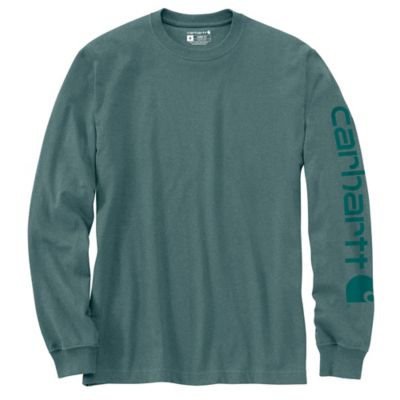
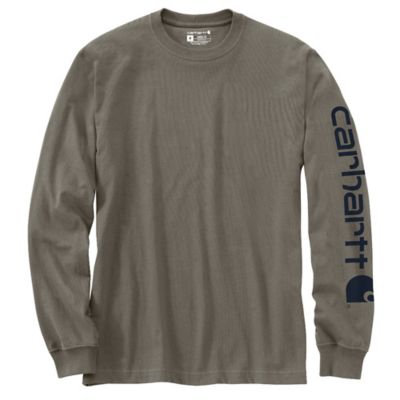
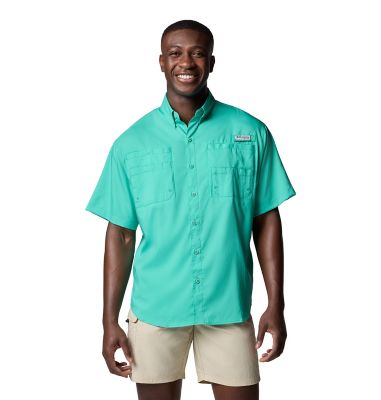
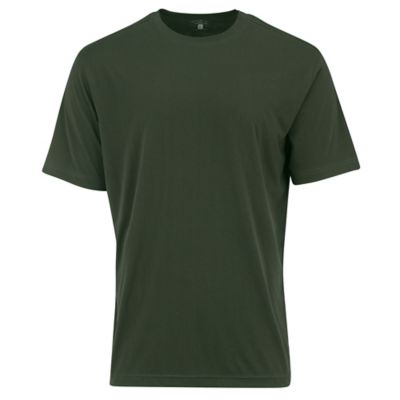
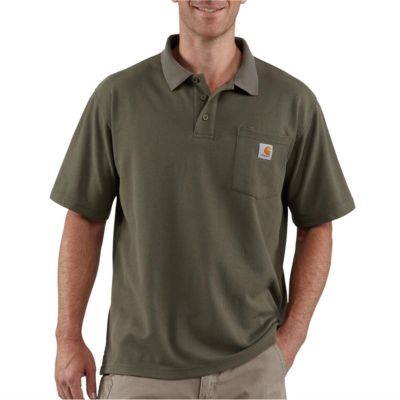
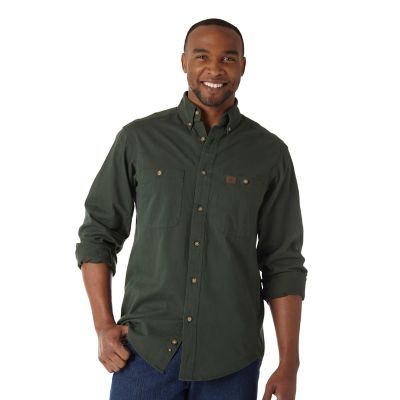
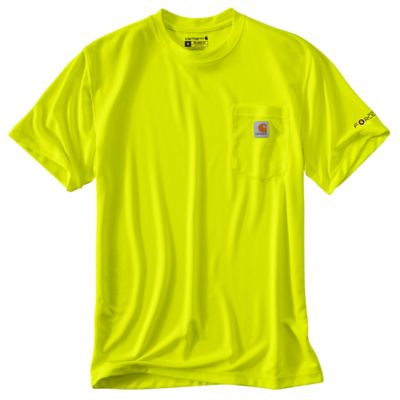
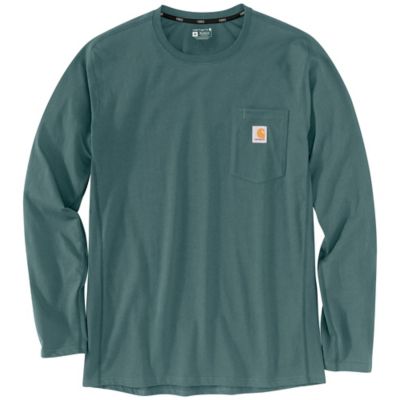
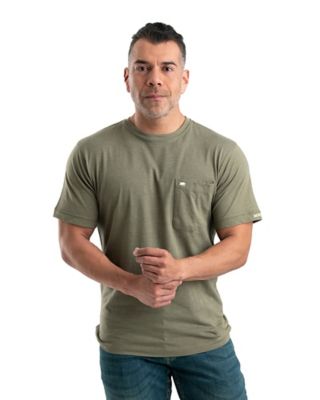
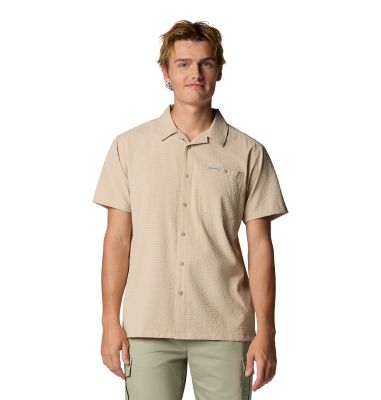
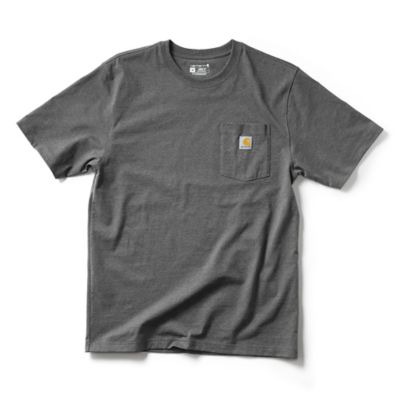
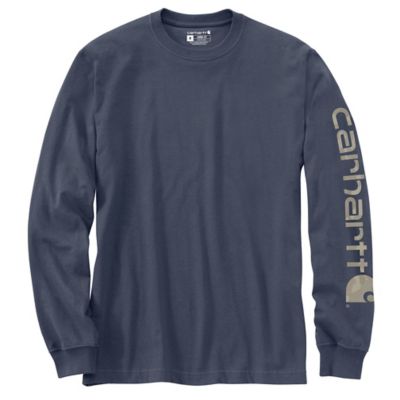
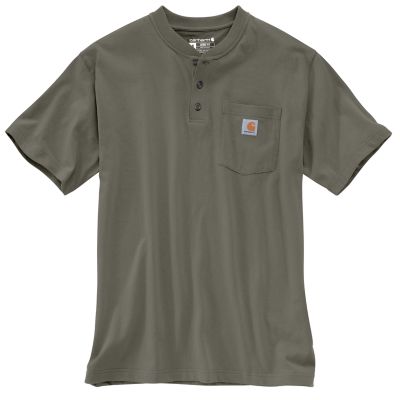
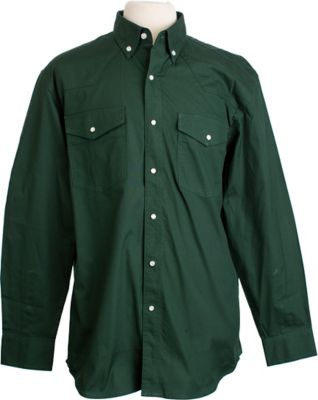
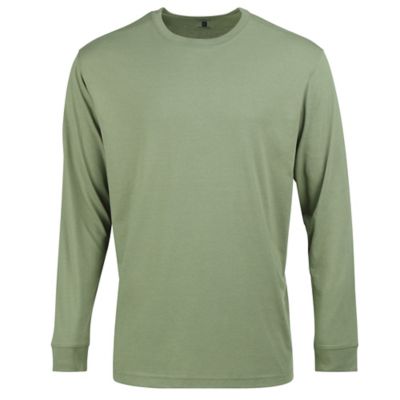
Men’s green shirts bring an easygoing color to everyday clothing, with shades ranging from muted olive and sage to deep forest green and brighter emerald. The range covers familiar styles such as crew-neck T-shirts, polos, button-front shirts and flannel shirts, giving green a place in everything from chore-day outfits to clothes for supper in town. Olive has an earthy look that pairs naturally with blue jeans, tan work pants and brown boots. Sage offers a softer contrast with dark denim or charcoal pants, while forest green gives a plain shirt a deeper, more understated appearance. Emerald and other brighter greens stand out more, especially against neutral pants. Solid colors keep the look straightforward, while plaids, stripes and small patterns add detail without needing much else. A green T-shirt fits comfortably into a routine of feeding animals, picking up supplies and spending time around the house. A polo adds a collar without the full button-front look, making it a practical middle ground for a casual workplace, a family get-together or a meal out. Button-front styles can feel relaxed or a little more dressed up depending on the fabric, collar and cut. Oxford cloth has a noticeable woven texture, smooth twill often has a subtle diagonal pattern, and brushed flannel has a soft surface that suits an informal outfit. Chest pockets, contrasting buttons and stitched details can change the character of a shirt even when the color stays much the same. For men who tend to stick with navy, gray or brown, green offers another familiar, easy-to-match option rather than a complete wardrobe change. It works with the belt, jeans and boots already by the door, and the right shade can look equally at home beside a feed bin or across the table at a family dinner.
Fabric and construction play a big part in how men’s green shirts feel through a full day. Cotton is a common choice for its soft feel and breathability, particularly in jersey T-shirts and woven casual shirts. Cotton blends can balance that familiar feel with other traits, such as shape retention or less wrinkling, depending on the fibers and construction. Polyester fabrics often dry more quickly than all-cotton fabrics, while a small amount of elastane can add stretch for reaching, bending and sitting. Those differences matter when a day includes leaning across a pickup bed, carrying sacks to the barn or spending several hours behind the wheel. A lightweight knit generally drapes differently from a substantial woven fabric, and neither fabric weight nor thickness alone tells the whole story about how a shirt will hold up. Stitching at the shoulders, a neatly finished hem and reinforcement around pocket openings all contribute to how well a shirt handles repeated wear. Fabric performance also depends on the job: a soft everyday tee serves a different purpose from a shirt selected for frequent contact with rough surfaces. Ordinary casual shirts are not a substitute for required protective workwear, including flame-resistant clothing where a task calls for it. Fit makes just as much difference as fiber content. A regular fit usually offers a straightforward shape through the chest and waist, while relaxed cuts provide more room and slim cuts sit closer to the body. These labels vary between manufacturers, so chest measurements, shoulder placement and shirt length give a clearer picture than the fit name alone. A shirt should allow comfortable reach without pulling hard across the upper back. Sleeve openings, cuffs and the collar should sit comfortably, too. Longer tails help a tucked shirt stay put while bending, while an even or gently curved shorter hem often looks tidy untucked. For a collared style with a sport-focused feel,
Men's Golf Shirts are another direction to consider alongside everyday green polos.
The small details in a green shirt often determine how easily it settles into a regular rotation. A chest pocket offers a handy place for a folded note or pen, though its size and closure affect what it can carry securely. Button cuffs allow some adjustment at the wrist, and a collar that holds its shape gives a woven shirt a neater finish. A tag-free neckline or smooth interior seams may make a difference for someone who dislikes rubbing at the neck or shoulders. For work around tools or moving equipment, keeping loose hems and sleeves clear of machinery matters more than the look of the outfit. Green shirts also pair well with straightforward clothing combinations: an olive crew neck with dark jeans, a sage button-front with brown pants, or a forest green polo with stone-colored trousers. The color does not have to match every piece exactly; keeping the surrounding colors simple usually lets the shirt do its part without making the outfit feel fussy. Care requirements deserve a place in the decision, especially when a shirt will see frequent washing after chores or long days on the job. The garment’s care label is the best starting point because cotton, blends, brushed fabrics and performance knits can have different needs. Washing with similar colors, turning shirts inside out when appropriate and avoiding more dryer heat than the label allows can help protect the surface and reduce unnecessary wear. Prompt attention to stains can also keep an everyday favorite looking presentable, with any treatment checked against the fabric instructions first. Woven shirts may need ironing or steaming, while some knit and blended fabrics need less attention after laundering. As a gift, a men’s green shirt can suit a dad, brother, partner or friend whose everyday clothes lean toward practical, familiar styles. Matching the recipient’s usual shirt measurements, preferred collar and favored shade is more useful than guessing from size alone. Whether the shirt is meant for chores, a casual workplace or time with family, a comfortable cut, suitable fabric and manageable care routine help make it one that gets worn often.