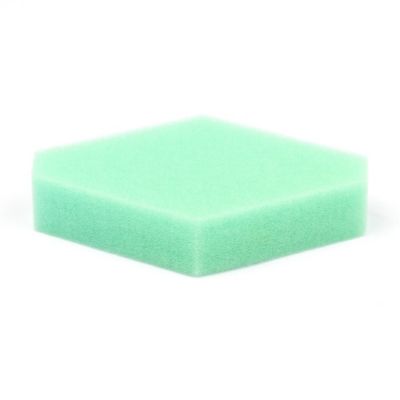
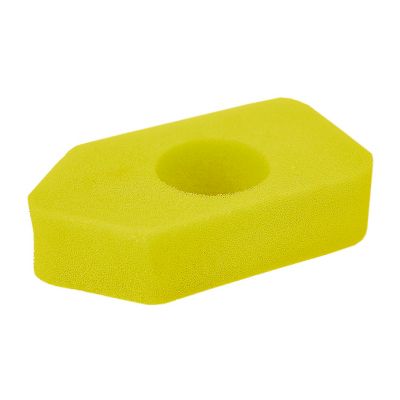
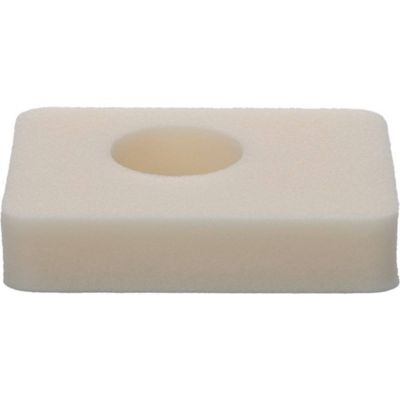
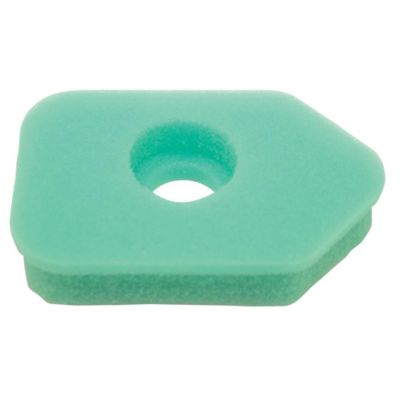
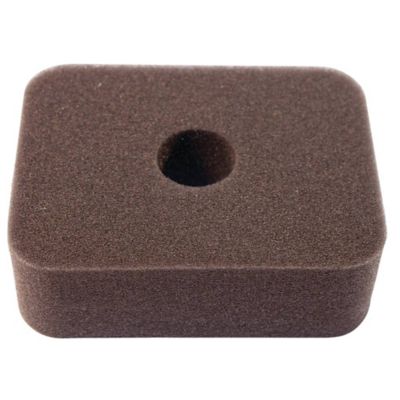
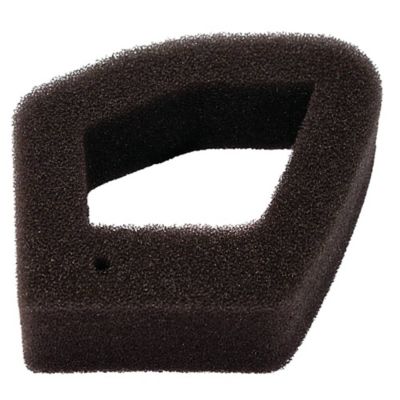
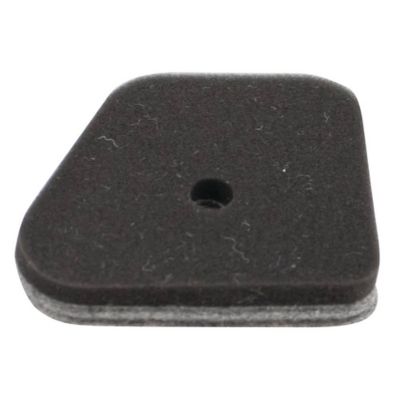
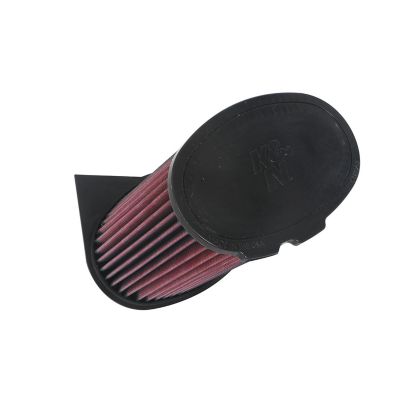
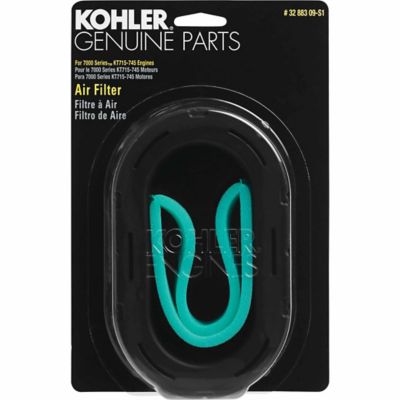
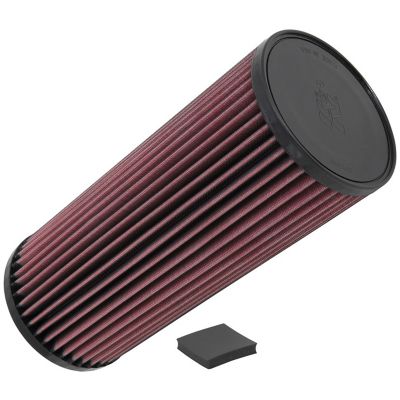
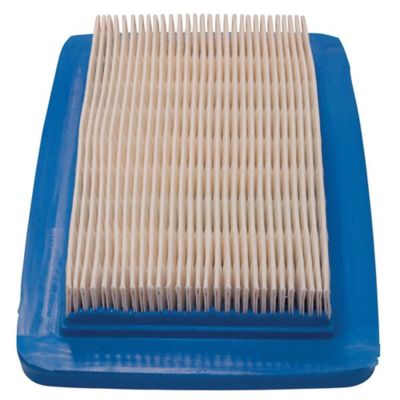
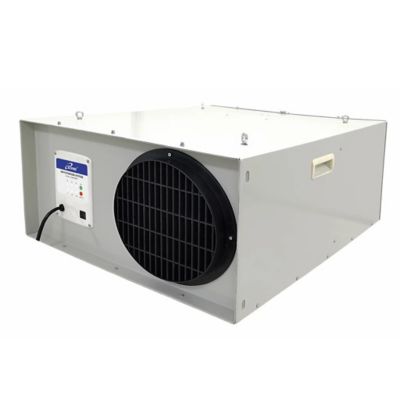
Foam air filters help keep dust, grass clippings, grit and other airborne debris out of equipment while allowing a steady flow of air through the intake. Their open-cell polyurethane foam is made up of connected pores that catch particles throughout the material instead of letting everything collect on one outer surface. That design makes foam a practical choice for small engines and equipment that work around dirt, fields, trails and gravel, including lawn mowers, tillers, generators, chainsaws, pressure washers, dirt bikes, go-karts, utility vehicles and other off-road machines. Foam filter material can also be used in select air-handling applications, including some window air conditioner enclosures and custom projects, though the right style depends on the equipment and how it is built. When browsing foam air filters, start with the owner’s manual or the original filter so you can match the shape, dimensions, thickness, mounting method and intended use. A filter that looks close may not seal properly around the intake, and even a small gap can let unfiltered air sneak into an engine. Check whether your equipment calls for a dry filter, an oiled foam filter or a foam pre-filter used over another type of filter. Dry foam is generally intended to catch larger dust and debris without added oil, while oiled foam uses a tacky coating to hold fine particles, especially in dusty riding areas, farm lanes and dry soil. The material should fit snugly without being stretched thin, folded out of place or squeezed so tightly that airflow is restricted. Having the correct replacement on hand is useful for anyone who maintains a mower, keeps a side-by-side ready for chores, rides off-road or takes care of several small engines around the property. It can also make a handy, practical gift for a neighbor, family member or weekend mechanic who spends more time turning wrenches than shopping for maintenance supplies.
A foam air filter works best when it is inspected regularly rather than left in place until the engine starts acting up. In a clean yard, an inspection during routine equipment care may be enough, but machines used in tall grass, dusty lots, sandy trails or freshly worked fields may need attention much more often. Look for a filter that is packed with dirt, stiff, torn, cracked, misshapen or no longer sealing against its housing. A heavily loaded filter can reduce airflow and make an engine run poorly, while damaged foam may allow abrasive grit to reach internal engine parts. For off-road equipment and other high-dust applications, checking the filter after every one or two rides or uses is a sensible habit, especially when a pale coating of dust is visible around the intake area. Maintenance depends on the filter and the manufacturer’s instructions, so always follow the care directions for the specific application. When cleaning is approved, remove loose dirt carefully and use a foam filter cleaner or mild warm soapy water. Work the cleaner through the foam gently, then rinse until the water runs clear. Avoid gasoline, harsh solvents and strong chemicals, which can break down foam, adhesives or sealing materials. Do not twist, wring or scrub aggressively; rough handling can create small tears that are easy to miss. Let the filter air-dry completely before putting it back into service. Drying may take a full day, and the foam should feel dry all the way through, with no cool or damp spots hiding inside. Installing a damp filter can interfere with airflow and may cause problems in the intake system. For a filter designed to be oiled, use the recommended foam filter oil after cleaning and drying. Apply it evenly, work it into the pores, and gently squeeze out excess oil rather than wringing the foam. Too little oil may leave fine dust untrapped, while too much can restrict airflow or allow oil to migrate where it does not belong. Dry-use foam should not be oiled unless the equipment instructions specifically call for it.
Choosing the right foam air filter comes down to matching the filter to the job, the equipment and the conditions where it operates. Measure the existing filter when needed, but also compare the frame, lip, gasket, retaining tabs and overall profile so the replacement seats the same way as the original. Consider the kind of debris your equipment encounters: dry leaves and grass clippings call for dependable coarse-particle protection, while fine dust, sandy soil and off-road trails place greater demands on an oiled foam filter and regular cleaning. A dual-layer design may offer added filtration in some engine applications, while a simple foam panel or sheet may be better suited to an enclosure or custom fit. Pay attention to airflow requirements as well. A filter that is too dense, too thick or over-oiled can make an engine struggle, while one that is too open may not provide enough protection. If you are outfitting equipment for cooler working conditions, fall cleanup or continued trail use, inspect the intake before storing away summer gear and replace foam that has hardened or started to crumble. Keeping a clean, properly fitted spare in the shop can save a trip into town when a mower, generator or utility vehicle is needed for an unexpected chore. For broader equipment maintenance needs, explore
Air System Filters to compare other filtration options. With the right foam air filter and a simple inspection routine, it is easier to protect valuable equipment from the fine grit that settles on a workbench, coats a gravel drive or follows you home from the trail.