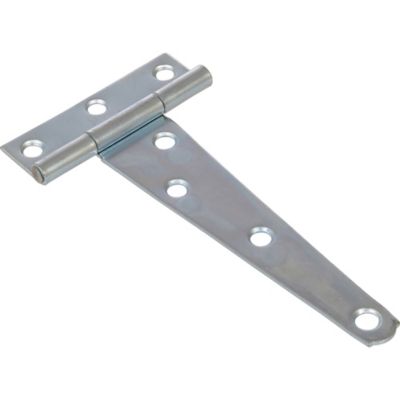
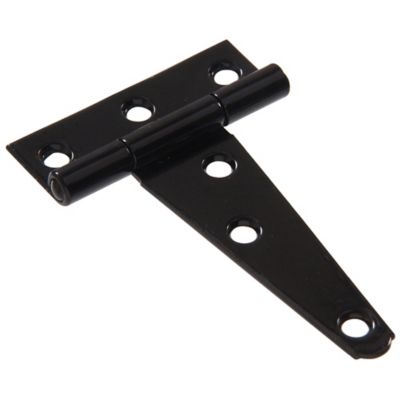
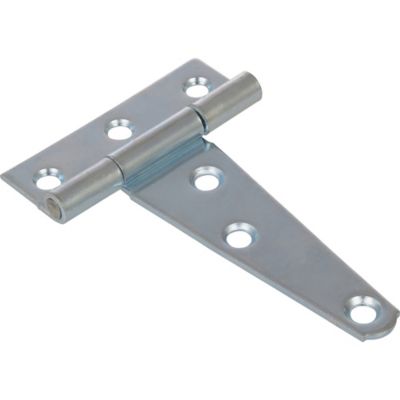
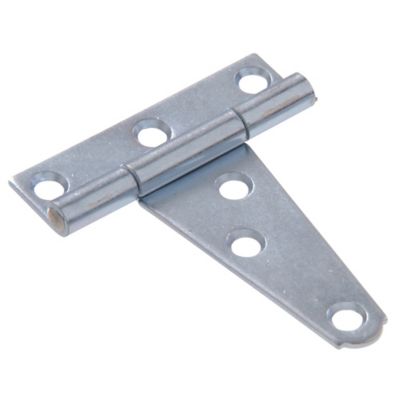
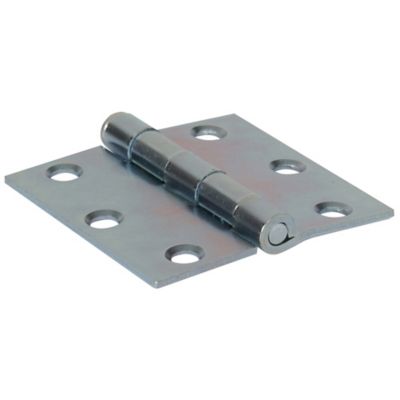
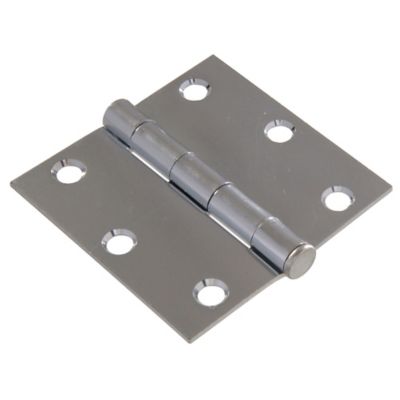
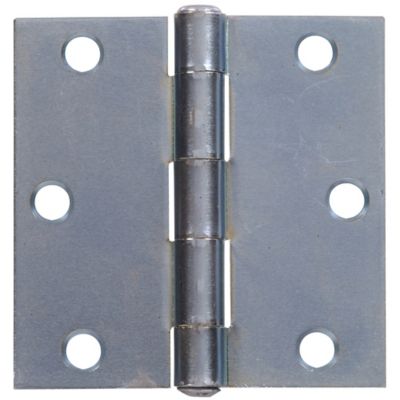
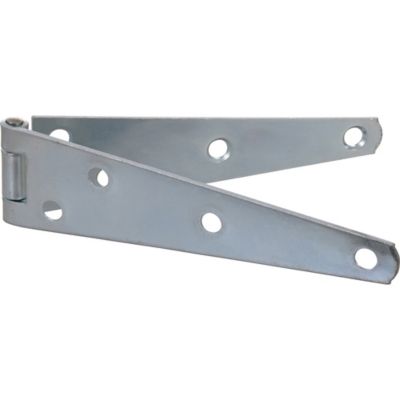
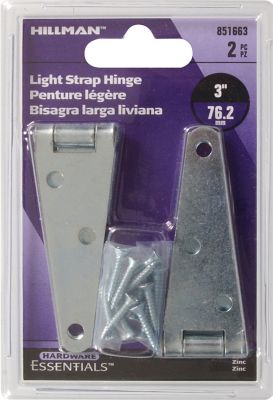
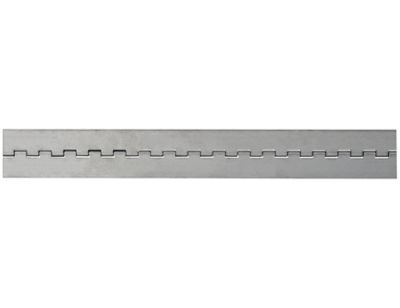
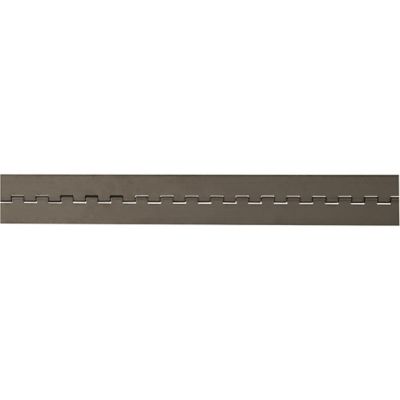
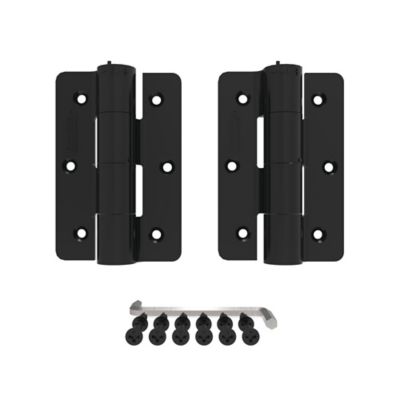
Cabinet hinges connect doors to cabinet frames or boxes and let them swing open and shut. The right fit depends on the cabinet’s construction, the door’s overlay, its size and weight, and whether the hinge should show when the door is closed. Those details matter just as much on a kitchen cabinet as they do on a storage cupboard beside the workbench or a feed-room cabinet that gets opened several times a day. Face-frame cabinets have a frame across the front of the box, while frameless cabinets have doors attached directly to the cabinet sides. Hinges must match that construction or have mounting hardware designed for it. Door placement matters, too. An overlay door covers part or all of the cabinet’s front edge, while an inset door fits inside the opening. Full-overlay and half-overlay hinges serve different layouts; half-overlay arrangements commonly allow two doors to share a center partition. The amount of overlay is a measurement, not just a look, so two hinges that seem alike can position a door differently. Concealed hinges sit out of sight behind a closed door and often provide adjustment for aligning door edges. Exposed hinges leave part of the hardware visible, making their shape and finish part of the cabinet’s appearance. Butt hinges, surface-mounted hinges and wraparound designs attach in different ways, with some requiring recesses or other preparation. A replacement hinge also needs to match the existing mounting arrangement, including screw-hole spacing, door thickness and any bored cup opening. Matching the old hinge’s appearance alone may leave a door sitting too far forward, rubbing its neighbor or failing to close. For a simple repair or a full cabinet refresh, hinges that suit the door and cabinet structure help keep the finished job looking settled and working smoothly.
The way a cabinet door moves can make a noticeable difference in an everyday workspace. Soft-close hinges slow the final part of the closing motion, helping reduce the hard knock of a door against the cabinet. Self-closing hinges pull the door shut after it reaches a certain point in its travel, but that feature does not necessarily include a cushioned close. Free-swinging hinges allow movement without a built-in closing action and may need a separate catch to hold the door closed. Some designs combine closing features, while others depend on compatible add-on components. Opening angle is another practical consideration. A door beside a wall, appliance or neighboring cabinet may need a different range of motion than one above a wide-open workbench. Wider-opening hinges can improve access to shelves or pullout storage, provided the door has enough clearance and the hardware suits the cabinet. Door weight also affects hinge selection and quantity. A tall pantry door, thick wood door or door with a glass panel places different demands on its hinges than a small cupboard front. Manufacturer guidance for door dimensions, weight and hinge spacing helps establish the right support rather than leaving the whole load on too few attachment points. Materials and finishes play their own part. Steel offers strength for many cabinet applications, while stainless steel can provide greater corrosion resistance where moisture is a concern. Brass and other metal constructions bring different appearances and performance characteristics, depending on the hinge design. Plated, painted and coated surfaces can help protect the underlying metal, though wear resistance varies by finish and application. A sink-base cabinet calls for attention to moisture exposure, while a shop cabinet may face dust, frequent handling and the occasional bump from a toolbox. Cabinet hinges rated for the intended setting are a better match than hardware chosen by finish alone. Indoor cabinet hardware should not be assumed suitable for outdoor or consistently damp locations.
Good hinge performance also depends on what holds the hardware in place. Solid wood, plywood, particleboard and other cabinet materials do not all grip fasteners the same way. Screw length, diameter and thread style need to suit both the hinge and the material beneath it, without breaking through the door face or cabinet side. Existing mounting holes deserve attention during replacement, since loose or stripped holes can let even a well-matched hinge sag. For concealed hinges, the cup diameter, boring depth and distance from the door edge determine whether the hinge seats properly. Adjustable models can help bring neighboring door fronts into line, but adjustment cannot make up for an incompatible mounting pattern or damaged cabinet material. The result should be a door with even gaps, a comfortable swing and enough clearance to close without scraping. Routine care is generally straightforward: a soft cloth removes fingerprints and dust, while a mild cleaner suited to the finish can handle ordinary grime. Abrasive pads and harsh chemicals may scratch coatings or damage plated surfaces. Any cleaner residue should be wiped away, and damp hardware should be dried. Lubrication depends on the hinge mechanism and manufacturer’s directions; soft-close components and enclosed mechanisms may not call for added oil. Loose mounting screws, uneven gaps and fresh rubbing marks are worth addressing before the door starts dragging. Appearance matters alongside function, especially where hinges remain visible. Coordinating the metal tone with
cabinet hardware handles can tie together a row of kitchen doors, a utility-room cupboard or storage beneath a work counter. Exact finish matches are not always necessary, but a consistent sheen or color family can keep the hardware from looking pieced together. Whether the job involves straightening a sagging door or fitting out a farm-shop cabinet, well-matched hinges help make everyday storage easier to reach and easier to close.