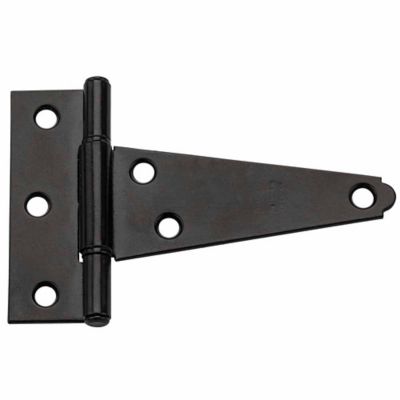
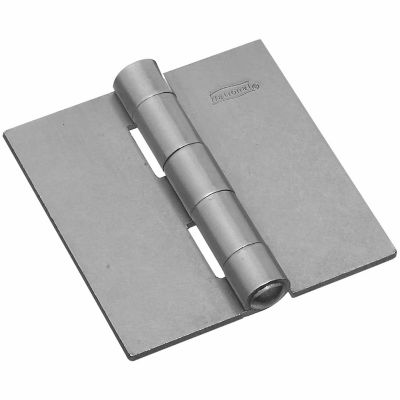
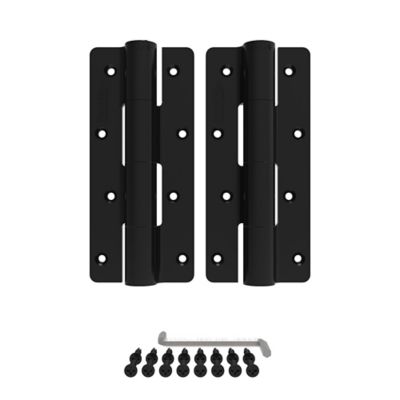
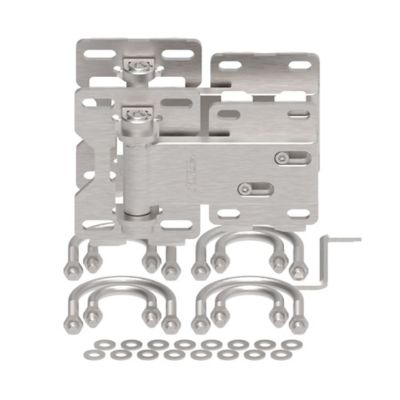
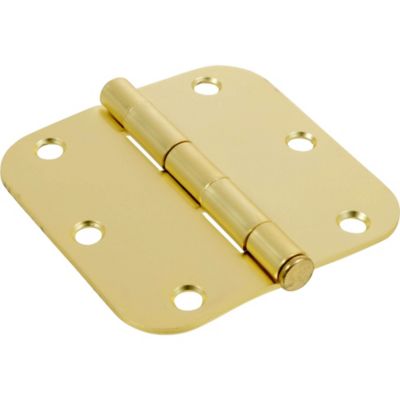
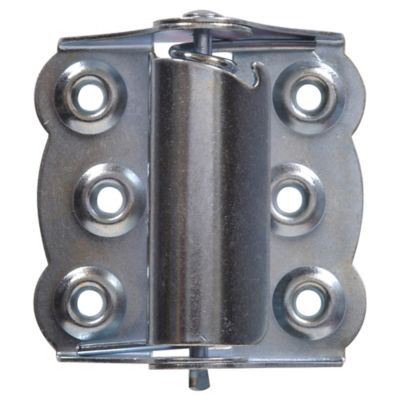
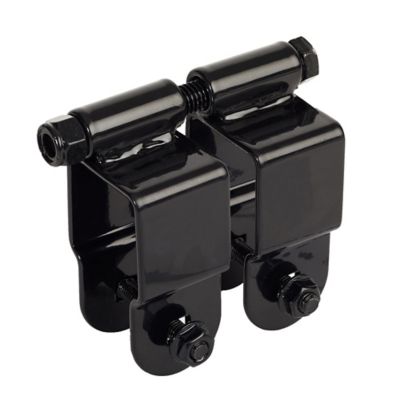
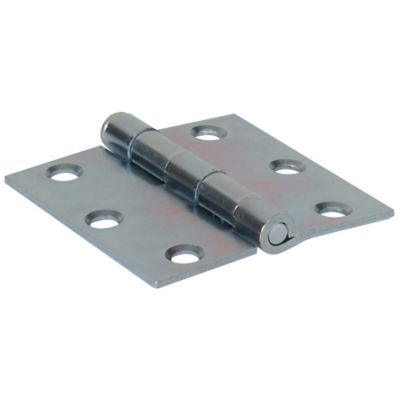
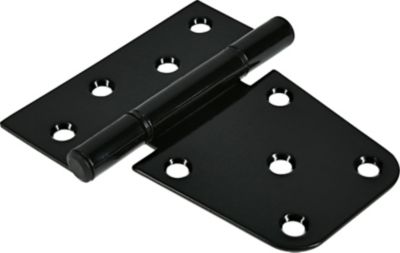
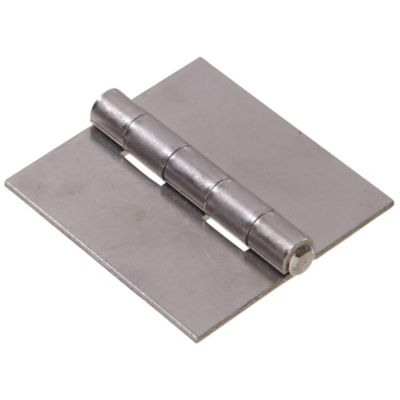
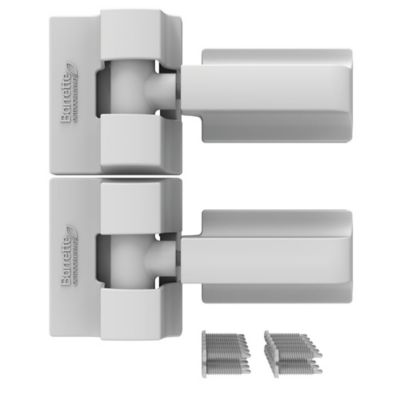
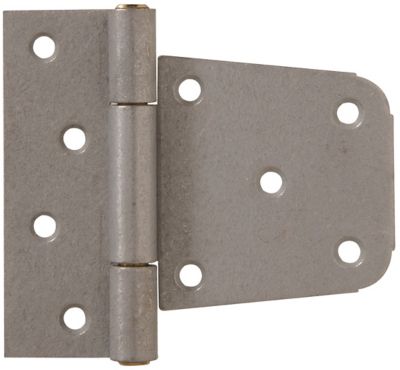
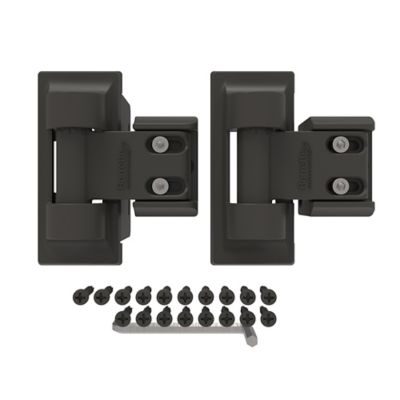
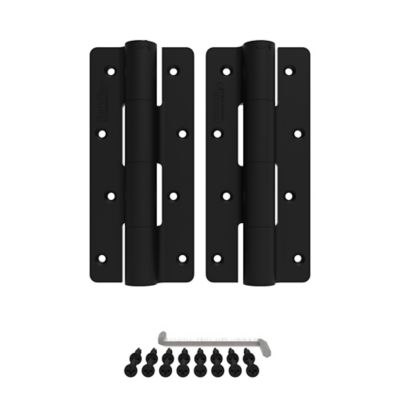
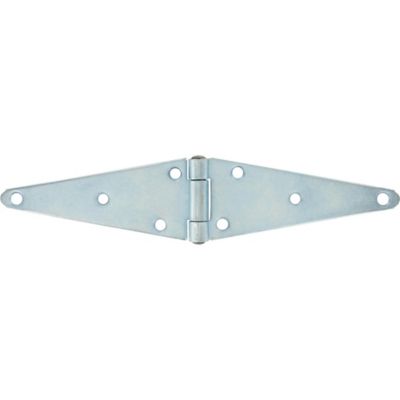
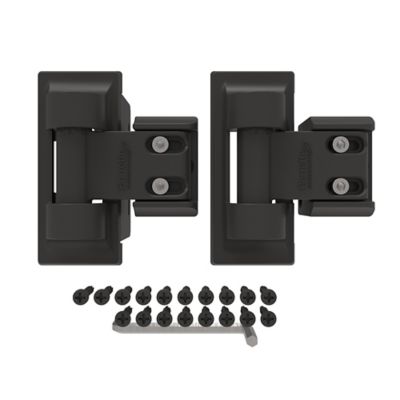
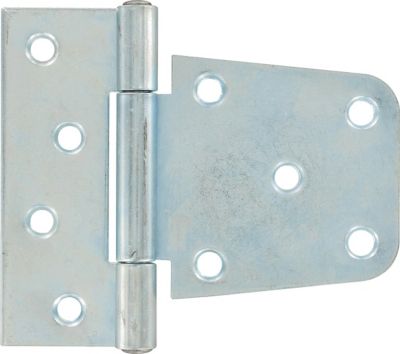
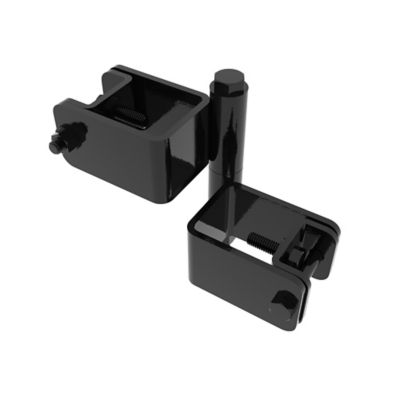
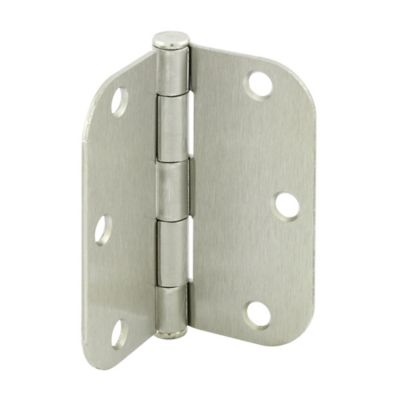
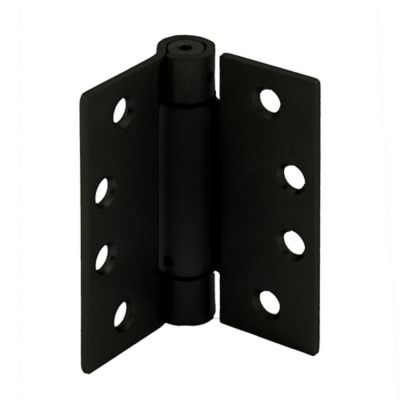
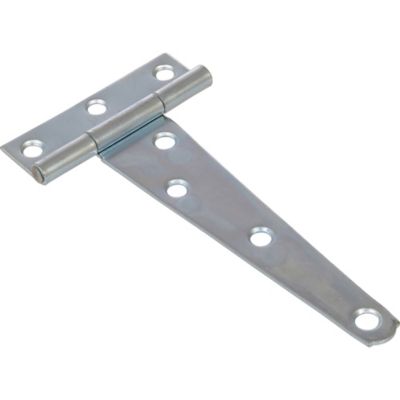
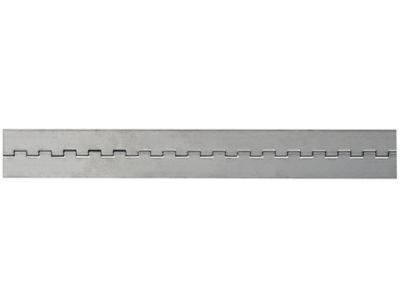
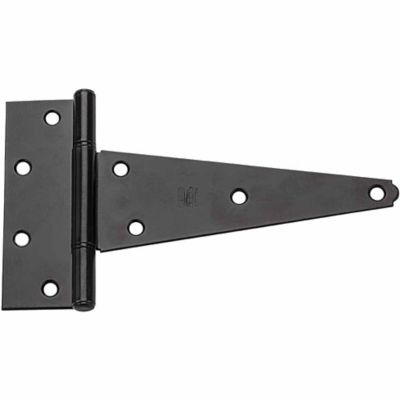
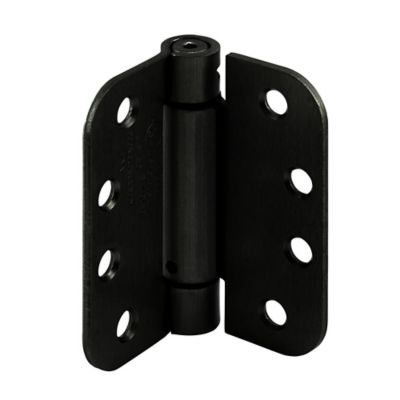
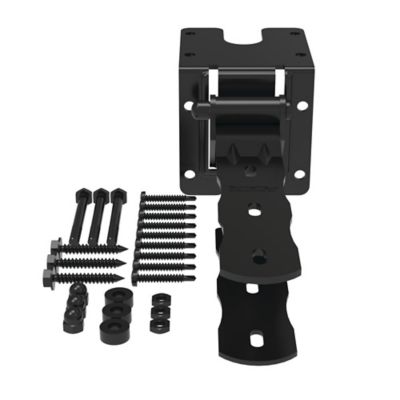
A 2.5-inch hinge is a compact piece of hardware that connects a swinging door, lid, or panel to a fixed frame. On many butt hinges, the 2.5-inch measurement refers to the height along the pin, though the listed dimensions are worth checking because sizing conventions vary by hinge style. This size often suits cabinet doors, small storage compartments, craft boxes, and other lightweight projects where a larger hinge would take up too much room. Around a farmhouse, workshop, or tack room, that might mean a narrow cabinet holding grooming brushes, a wooden box for small tools, or a little access door beneath a workbench. The right fit depends on more than the measurement in the name: door weight, door width, material thickness, and mounting space all matter. A wide door puts more leverage on its hinges than a narrow door of the same weight, so hinge height alone does not establish how much a pair can carry. Manufacturer load ratings and mounting recommendations are the better reference for matching hardware to the job. Most traditional butt hinges have two leaves joined by a pin through a barrel, allowing one leaf to move while the other stays fastened to the frame. Narrow leaves can fit slim edges and tight spaces, while broader leaves provide a wider mounting footprint where the wood allows it. Neither shape automatically means a higher weight capacity; metal thickness, screw placement, and construction also play a part. For woodworkers, homeowners, and folks keeping farm storage in working order, 2.5-inch hinges offer a practical scale for smaller doors without taking over the face of the project. They can also be a finishing detail on a keepsake box or small cabinet built as a gift, provided the hinge style suits the lid or door and the way it needs to open.
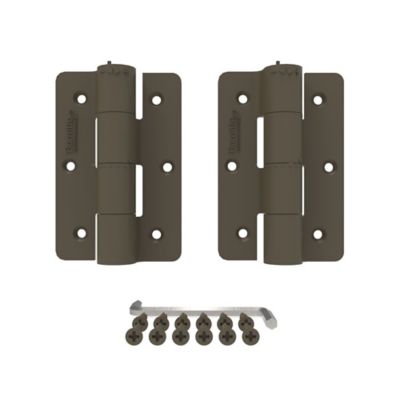
Materials and finishes influence both the look of 2.5-inch hinges and how well they hold up in their intended setting. Steel is a common choice for general hardware, often paired with a plated or coated finish to help protect the underlying metal. Zinc plating provides a protective layer on steel, but it does not make every hinge suitable for constant dampness or exterior installation. Stainless steel may be a better match where moisture is a regular concern, with the particular grade and manufacturer’s application guidance still worth a look. Solid brass offers a different appearance and develops a patina over time; brass-colored plating, by contrast, describes a surface finish rather than a solid-brass construction. Satin nickel, black, brass tones, and darker bronze tones can coordinate with nearby knobs, pulls, and latches without making the hinges the focal point. On a painted cupboard, a matching finish can keep the hardware quiet, while a contrasting finish makes the hinge outline stand out against the wood. Installation style changes the fit just as much as appearance does. Mortise hinges sit in shallow recesses cut into the door and frame, letting the leaves lie flush with the surrounding surfaces. Non-mortise hinges commonly have nesting leaves that reduce the need for those recesses, though their dimensions and required clearance still matter. Surface-mounted styles fasten to the faces of the adjoining parts and can leave more hardware visible. When replacing an existing hinge, the open width, leaf thickness, screw-hole pattern, and corner shape deserve attention alongside the 2.5-inch height. Square corners and rounded corners do not always fit the same recess neatly, and even a small difference in thickness can change the gap at the door edge. Matching those details helps a small cabinet door close evenly instead of rubbing the frame or leaving a crooked reveal. Sound wood beneath each leaf matters, too, since a hinge cannot compensate for split edges or loose screw holes.
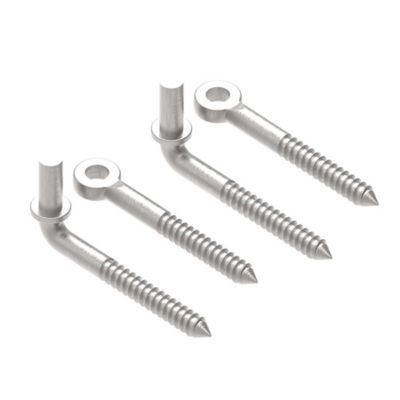
Everyday function comes down to the hinge design, the fasteners, and the demands of the project. A removable pin can make it easier to separate a door from its frame for painting or repair when the hinge position allows access to the pin. A fixed or non-removable pin keeps that connection together, but it should not be treated as a complete security feature on its own. Swing clearance is another detail that shows up quickly in a busy workspace: a cabinet beside a wall needs enough room for the door to open without the handle striking something, and a storage door should not bind before the contents are within reach. For a hinged lid, ordinary butt hinges provide a pivot rather than controlled closing or hold-open support. A separate lid support or a hinge designed for that purpose may be needed, especially where an unsupported lid could fall on fingers. Screws should match the hinge holes and suit the material receiving them, with enough engagement to hold firmly without poking through a thin panel. Included fasteners, when specified, are not necessarily the right choice for every project. A solid-wood frame and a thin engineered-wood panel can call for different fastening approaches, so the attachment deserves as much attention as the hinge itself. Long-term care is generally straightforward: keep grit out of the joint, wipe away residue with a cleaner suited to the finish, and check for loose screws if a door starts sagging or scraping. A small amount of manufacturer-recommended lubricant at the pivot can help with friction, while excess should be wiped away so it does not collect dust or stain nearby wood. Larger doors, substantial gates, and heavier panels may call for a different size and construction;
Large Hinges is a related category for projects beyond this compact size. For smaller applications, well-matched 2.5-inch hinges keep the focus on a door that hangs straight, clears its frame, and moves smoothly through repeated trips to the cabinet or toolbox.