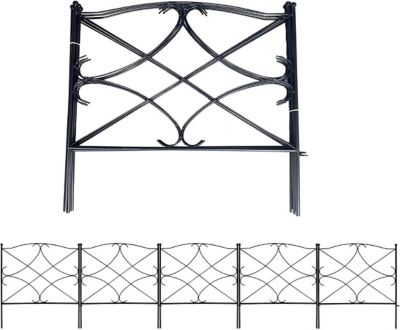
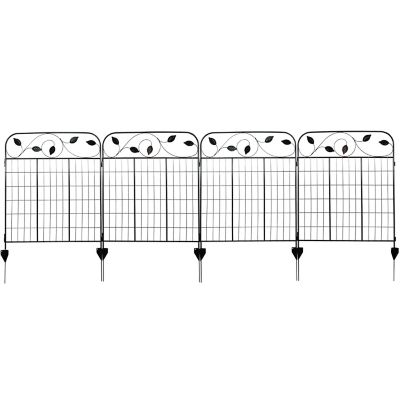
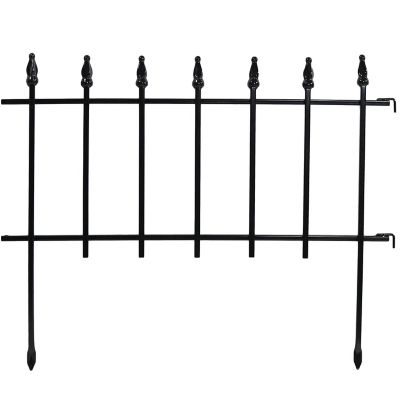
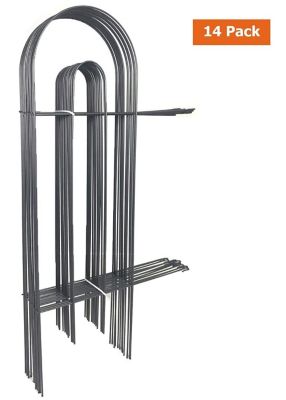
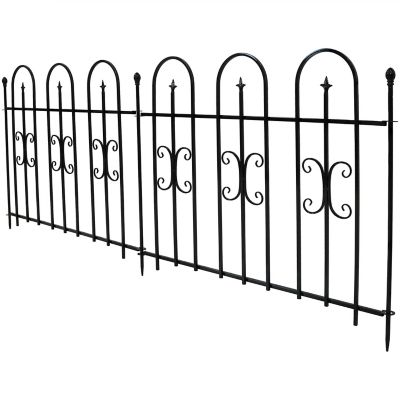
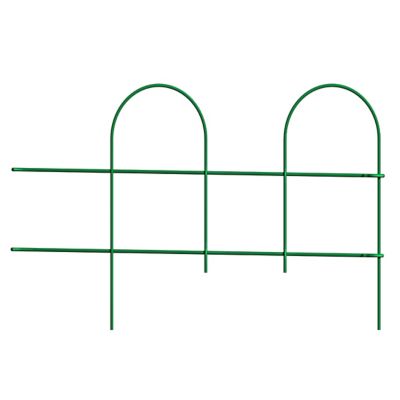
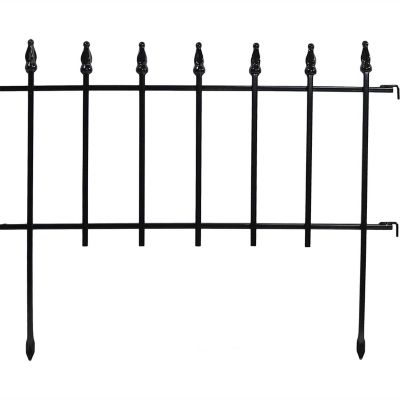
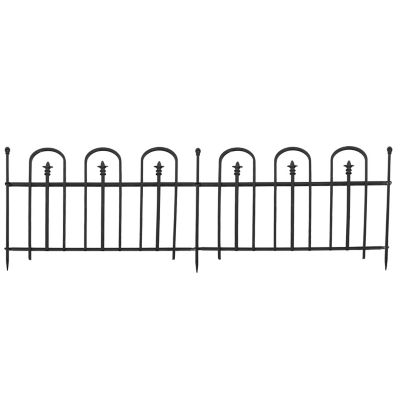
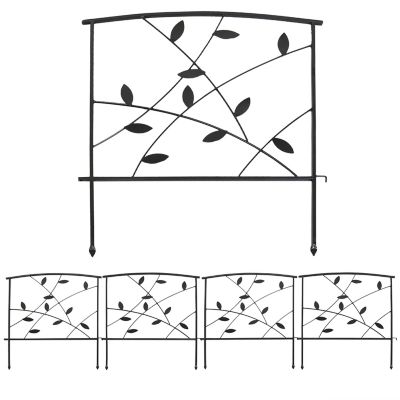
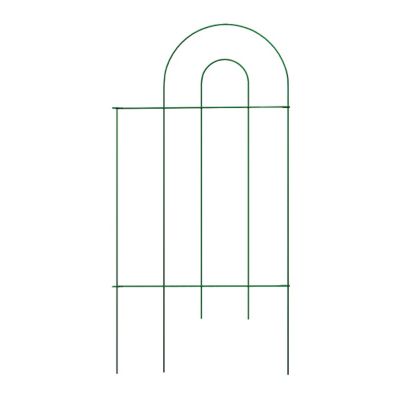
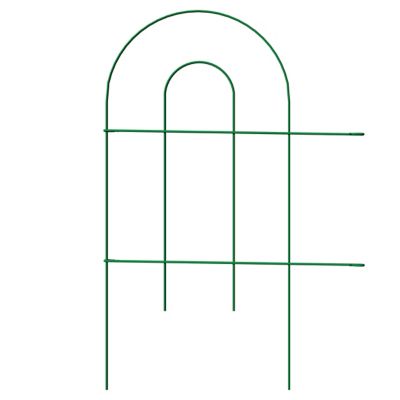
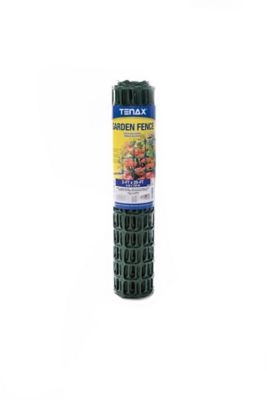
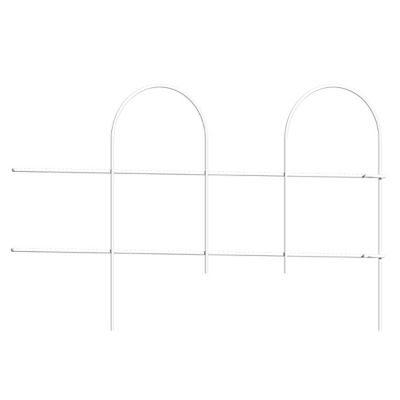
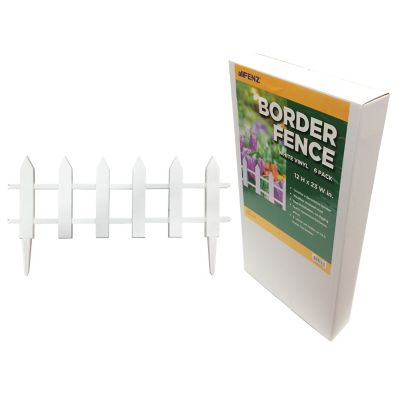
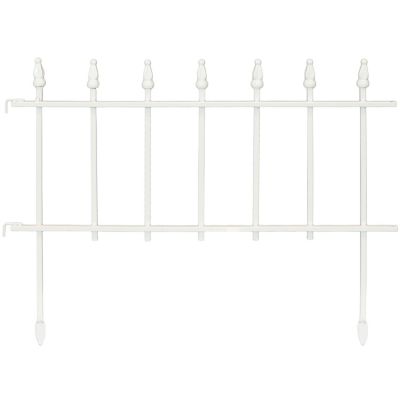
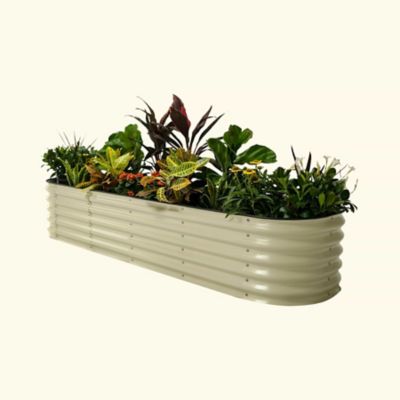
Flower bed barriers create a clear boundary between planting areas and the surrounding lawn, helping hold mulch in place and limit grass from spreading into flowers. They give a bed a finished edge, whether it runs beside a front walk, circles a mailbox or stretches along a fence near the driveway. The term covers several types of boundaries, including upright edging, low borders and material beneath mulch that helps suppress weeds. Each serves a different purpose. An aboveground border keeps loose mulch from scattering onto a path, while an edging section set into the soil can slow grass that spreads through underground stems. A surface border alone will not stop every root, and even a deep edge needs occasional attention where grass creeps over the top or through a joint. That distinction matters when a flower bed sits next to an established lawn. Barriers also separate materials that tend to mingle, such as bark mulch beside gravel or planting soil beside a walkway. For a long bed along the house, a continuous line can make mowing and trimming less awkward. Around a small planting beneath a yard sign, a curved border gives the space definition without taking up much room. The right fit depends on the bed’s shape, the depth of its mulch and how much of the barrier should show above the ground. Flexible edging follows broad curves, while rigid sections suit straight runs and squared corners. Tight circles and sharp turns may require more connections, making joint design worth a closer look. Room for mature flowers matters, too: a border that crowds spreading plants can turn routine trimming into a chore. Low barriers mark a boundary, but they are not a substitute for fencing where pets or other animals need to be kept out. For households with children, frequently traveled paths or a busy yard, smooth edges and a secure fit are especially important. A useful border works with everyday foot traffic rather than becoming another obstacle beside the flowers.
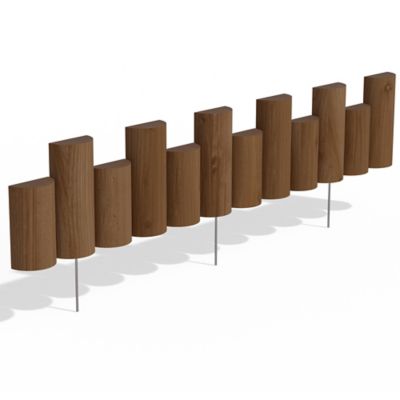
Material affects how a flower bed barrier looks, how it handles contact with soil and how much upkeep it needs. Steel offers a firm, relatively slim boundary that can separate lawn from mulch without a wide footprint. Protective finishes help shield the metal, though scratches and exposed cut edges deserve attention because corrosion can start there. Aluminum is lighter to handle and does not develop the red rust associated with steel, but thickness and construction still influence how well a section resists bending. Plastic edging often suits rounded beds and long, sweeping curves; its stiffness, wall thickness and connection points affect whether the finished line stays even. Rubber borders can offer a softer edge near a walkway, with attachment methods and ground contact influencing stability. Wood brings a straightforward look beside flowers, shrubs and a porch, but suitability for soil contact matters more than appearance alone. Treatment information is particularly important when a bed includes edible plants alongside flowers. Stone and concrete create a more substantial boundary, although their weight and wider footprint call for enough space between the planting and the lawn. Gaps between individual pieces can collect soil and give grass a place to take hold. Across materials, service life depends on construction, installation and the amount of contact from mowers, string trimmers and foot traffic. A mower wheel brushing a raised border repeatedly can loosen it or damage its surface. Low edging may leave more clearance, while a taller border provides greater separation for deeper mulch. Neither height is automatically better; the useful choice matches the bed. Routine care generally means clearing packed leaves and soil from joints, checking for loose anchors and looking for lifted ends before they catch a shoe or garden hose. Metal edges should remain smooth, wood should be checked for splinters, and cracked sections should not be left where they could create a sharp corner. Keeping mulch below the top of the border also helps it stay contained instead of spilling onto the grass during raking or watering.
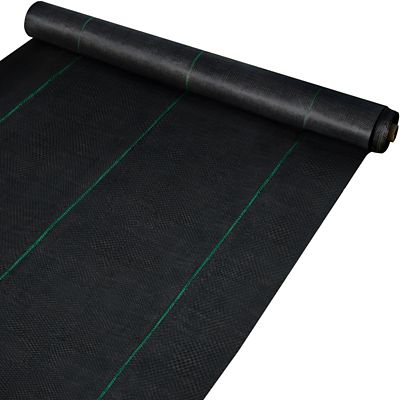
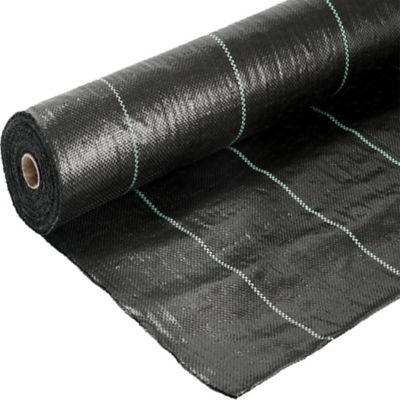
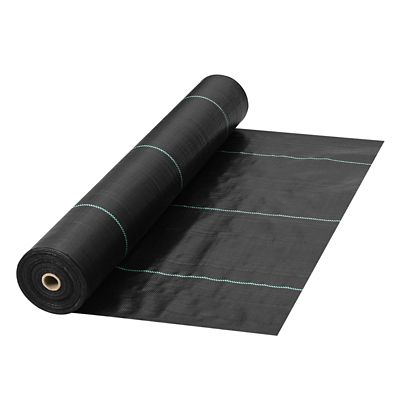
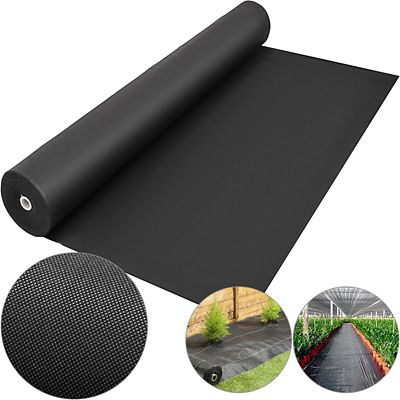
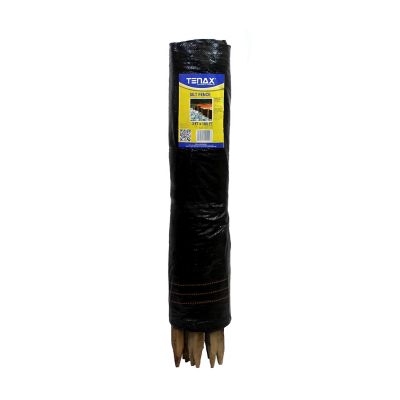
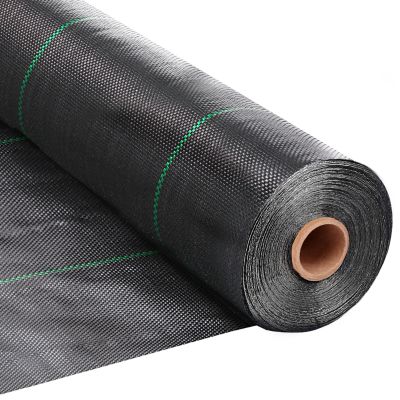
Below the surface, weed-control materials address a different part of flower bed maintenance. Edging helps manage the perimeter, while
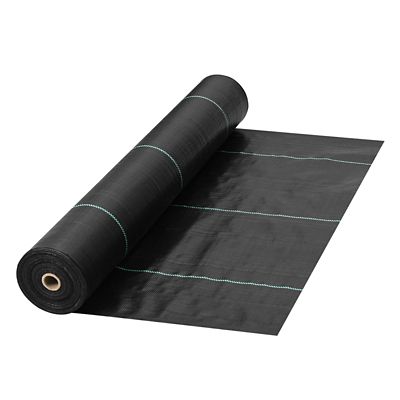
Garden Weed Barriers provide coverage beneath mulch to reduce weed growth from the soil below. The two can complement each other, but neither makes a bed maintenance-free. Seeds can land in mulch and sprout above a covered surface, and established spreading weeds may find their way through openings or around an exposed edge. Permeability is an important consideration around living plants because water needs to reach the root zone rather than collect on top of a solid sheet. Material intended for landscape use should match the planting arrangement, soil conditions and watering setup. A bed of widely spaced shrubs has different needs from a tightly planted flower bed where plants are divided, moved or allowed to spread. Openings around stems need room for growth, and coverage should not press tightly against trunks or plant crowns. Drip tubing, irrigation connections and access for planting also affect how a barrier fits into the bed. For perimeter edging, the overall section height is not the same as the visible height: part may need to sit below the soil to provide support or limit shallow grass spread. Stakes, joining pieces and end connections matter because an otherwise neat border can lose its shape at a weak seam. Rocky ground, tree roots and compacted soil can make anchoring more involved, while loose soil may offer less support. A flower bed beside a sloping path may need a different approach from one on level ground, especially when mulch tends to migrate downhill. These details matter to homeowners tending a few flowers by the steps, gardeners managing several beds and property owners keeping long planting strips tidy. A well-matched barrier keeps the boundary clear without getting in the way of watering, planting or routine yard work, leaving more time to enjoy the flowers and less time pulling stray grass from between them.