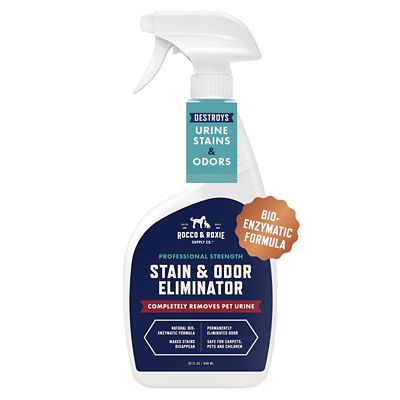
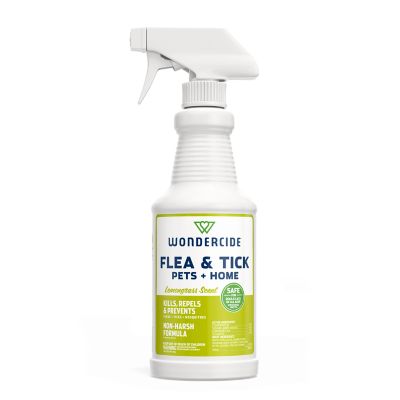
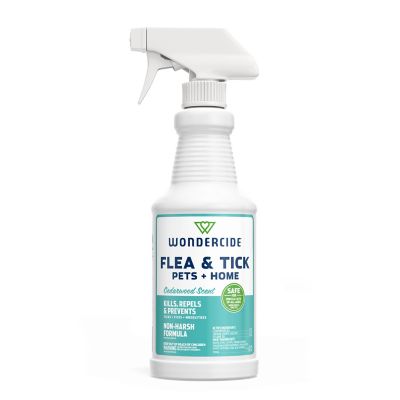
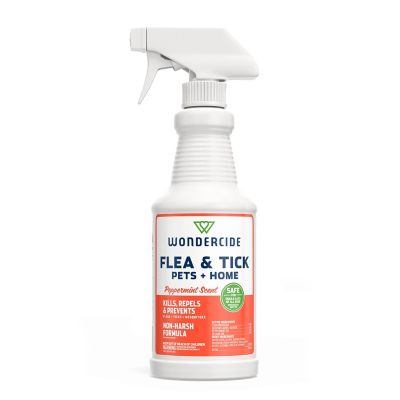
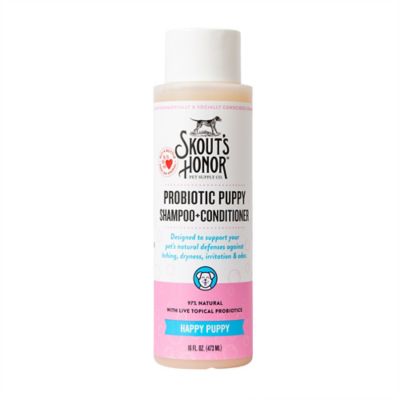
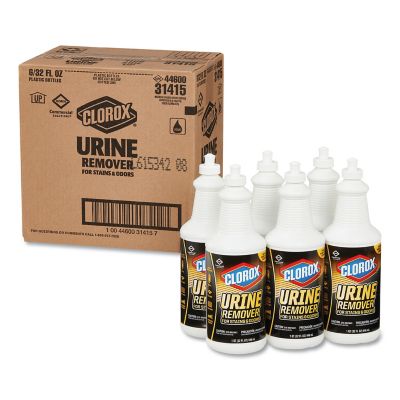
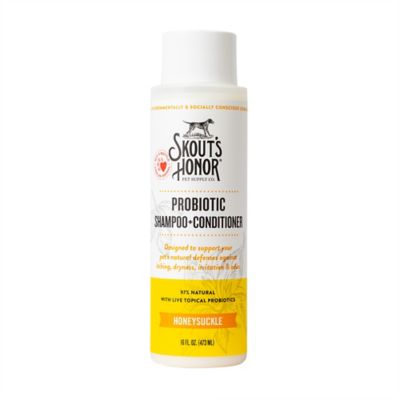
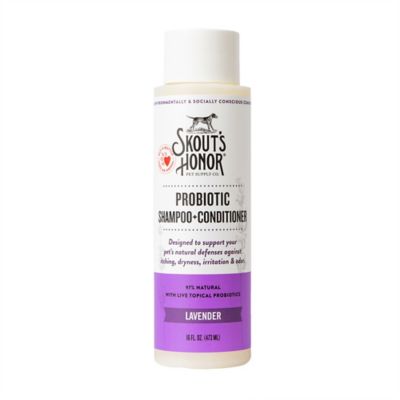
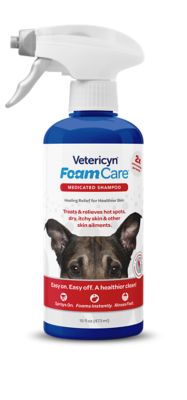
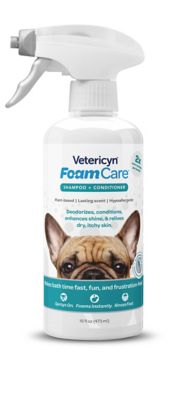
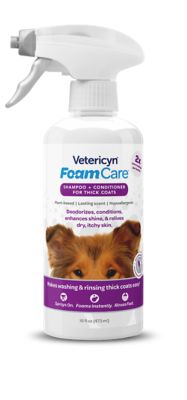
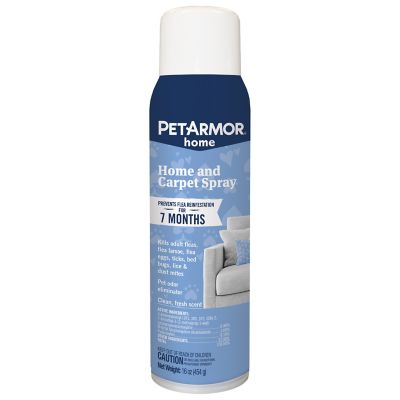
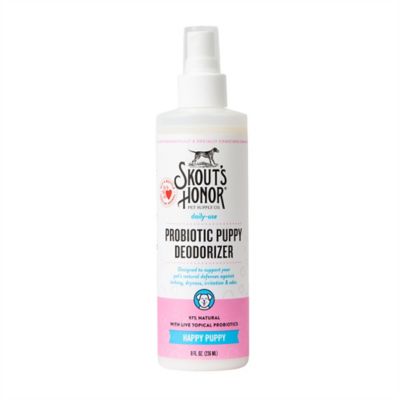
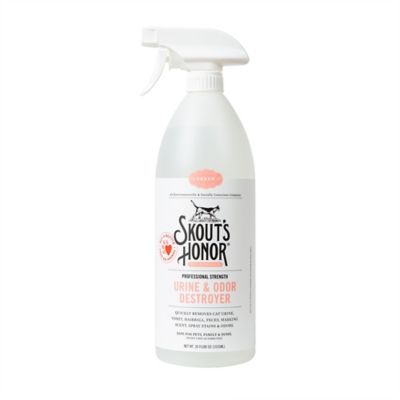
Pet cleaning products help keep the house, barn, kennel, truck, and other well-used spaces fresher when life with animals gets a little messy. Muddy paws, wet coats, shed fur, tracked-in hay, food spills, and the occasional accident are all part of caring for pets, whether you share your home with a single indoor cat or keep several dogs, working animals, or barn cats around the property. A good cleaning routine starts with matching the cleaner to the mess and the surface. Enzyme cleaners are often a dependable choice for organic stains and odors such as urine, vomit, feces, and other pet accidents. Rather than simply covering up a smell with fragrance, enzymatic formulas work on the organic material that causes the odor, helping clean the spot and reduce the chance of a pet returning to mark the same area. These cleaners can be especially useful on carpets, rugs, upholstery, mattresses, fabric pet beds, and other porous surfaces, but directions should always be followed closely. Allowing the cleaner enough time to work can make a real difference, especially with older or deeply set stains. For fresh messes, blot up as much as possible instead of rubbing the spot farther into carpet fibers, then apply the appropriate cleaner according to the label. Test any formula on a hidden area first, and keep pets away from wet surfaces until they are dry. Hard floors call for a different approach. A floor-safe solution made for sealed wood, vinyl, laminate, tile, or other washable surfaces can help lift muddy paw prints, dust, food crumbs, and everyday grime without leaving a sticky film. Check the cleaner label and the flooring manufacturer's care instructions before use, since not every product is suitable for unfinished wood, natural stone, or other delicate surfaces.
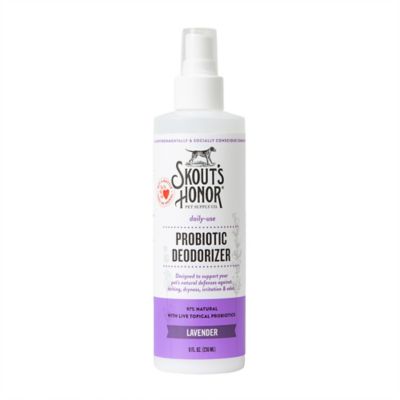
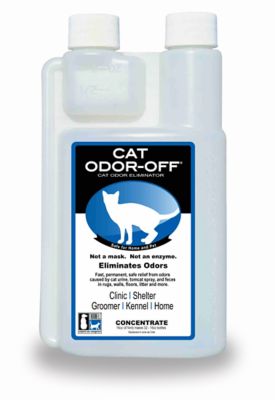
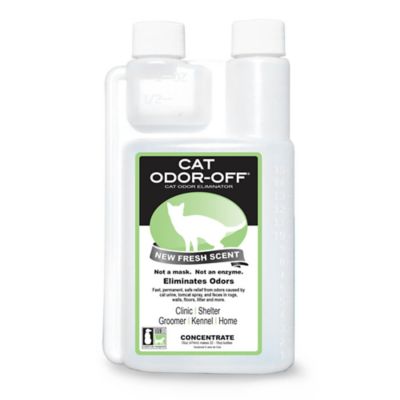
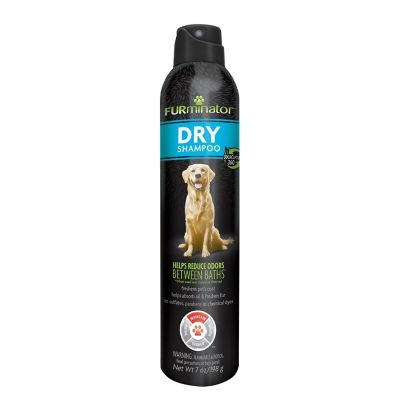
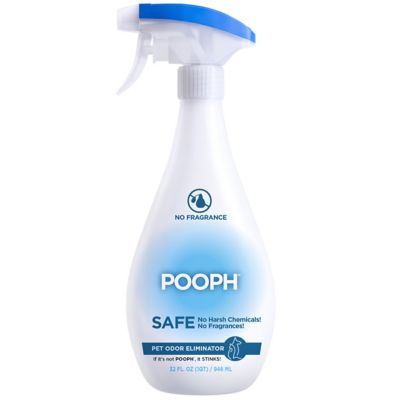
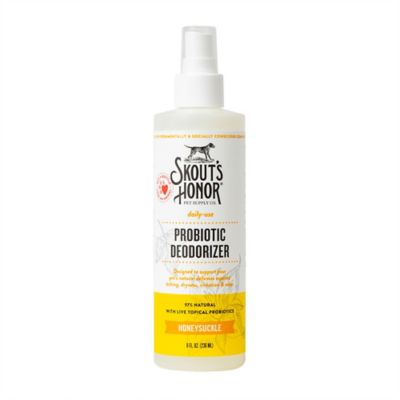
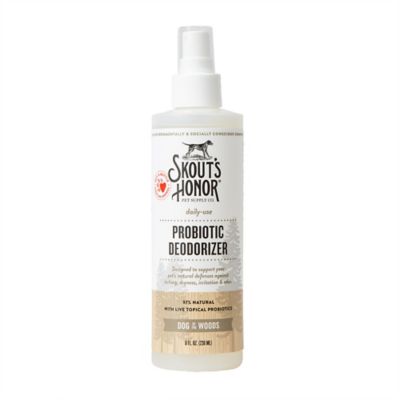
Different pet cleaning supplies serve different jobs, and keeping a few types on hand can make cleanup less of a chore. For quick touch-ups, look for stain removers that are easy to apply to small spots on carpet, fabric, or washable bedding. These are handy beside a crate, near the back door, or in the laundry room when a muddy dog comes in from the yard. Odor removers and deodorizers can freshen areas that see plenty of daily use, including litter box spaces, kennels, pet carriers, blankets, and favorite resting places. A deodorizer that only masks odor may not be enough for repeated accidents, so consider whether the label says it is designed to neutralize or break down pet-related odors. For hair and fur, cleaning products work best alongside the right tools for the surface. A vacuum attachment, lint roller, rubber brush, or washable hair-removal tool can pull loose and embedded fur from upholstery, stairs, vehicle seats, and rugs before a cleaner is applied. Regularly washing pet bedding, crate mats, blankets, and removable covers helps keep odors from settling in, while a washable mat by each entrance can catch some of the dirt before it spreads across the floor. During the cooler months, pets may spend more time indoors, and wet coats can leave damp spots near doors and muddy trails through the kitchen. Keeping towels, absorbent mats, waste bags, and a suitable all-purpose pet-safe cleaner within reach makes those everyday cleanups easier. Homes with puppies, older pets, or animals recovering from illness may need more frequent spot cleaning, while households with multiple pets often benefit from larger containers or concentrated formulas that can be diluted as directed. Anyone welcoming a new pet, setting up a kennel, fostering animals, or caring for a senior dog or cat may appreciate a practical cleaning kit as a useful gift. A few dependable supplies can be just as helpful as a toy, especially when paired with fresh bedding, washable towels, or storage for keeping cleanup essentials organized.
Safety and compatibility matter as much as cleaning power. Always read the label before applying a product around animals, children, food bowls, or surfaces where pets sleep. Use only the amount recommended, provide ventilation when needed, and never mix cleaners unless the label specifically says it is safe to do so. In particular, avoid combining bleach, ammonia, acids, or other household chemicals, since some mixtures can create dangerous fumes. Vinegar, baking soda, and other simple household ingredients are sometimes used for light deodorizing on appropriate hard surfaces, but they are not a replacement for every pet stain cleaner, and they should not be mixed with commercial formulas. Some natural stone, unfinished wood, leather, delicate fabrics, and specialty flooring can be damaged by water or acidic solutions, so a small hidden-area test is a sensible step. For litter areas, cages, kennels, and outdoor runs, remove solid waste first, clean according to the surface, and let the area dry fully before pets return. Wash hands after handling waste and cleaning solutions, and store all supplies securely away from curious noses and paws. When preparing for a seasonal deep clean, pet cleaning products can be used alongside broader household supplies to freshen entryways, laundry rooms, mudrooms, garages, and other high-traffic areas; browse
Spring Cleaning Products for additional cleaning needs. With the right cleaner for each surface, a little regular maintenance, and a plan for handling messes as they happen, pet owners can keep living spaces more comfortable without making cleanup feel like an all-day job.