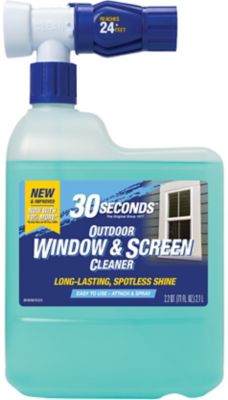
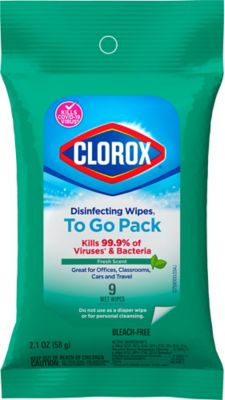
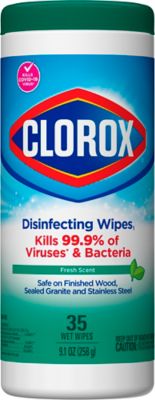
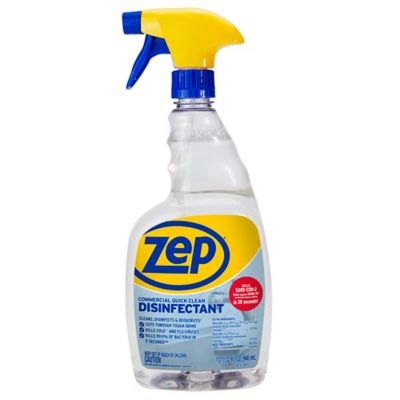
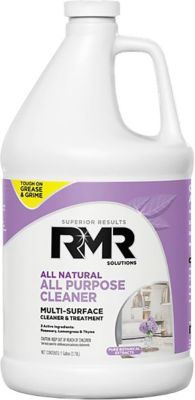
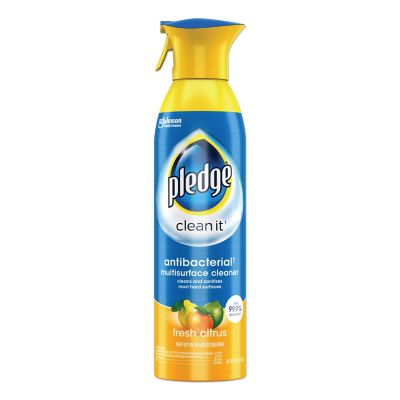
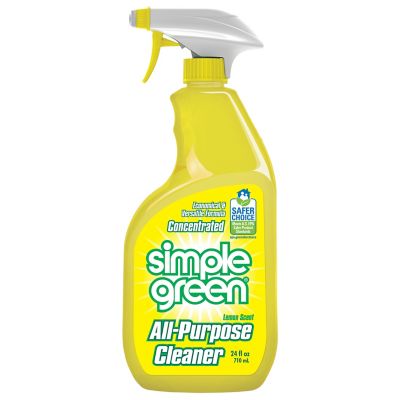
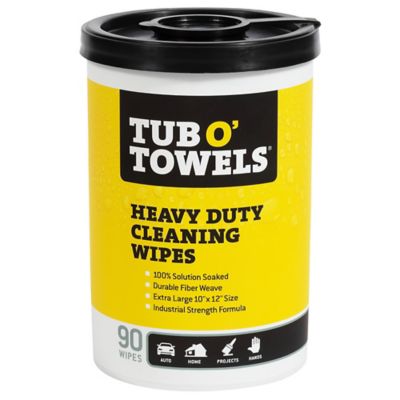
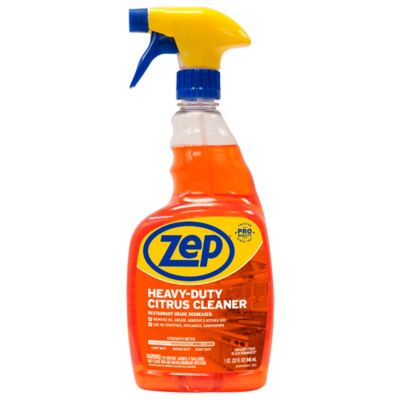
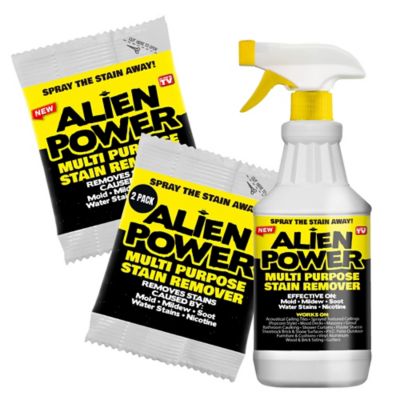
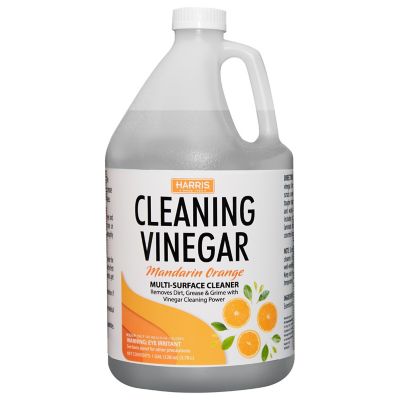
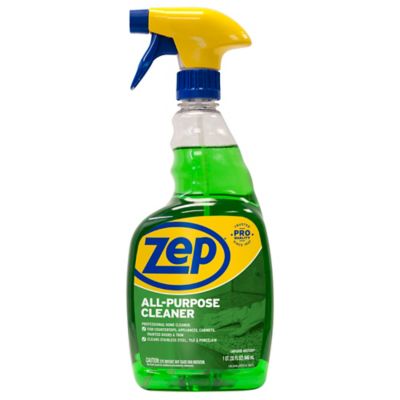
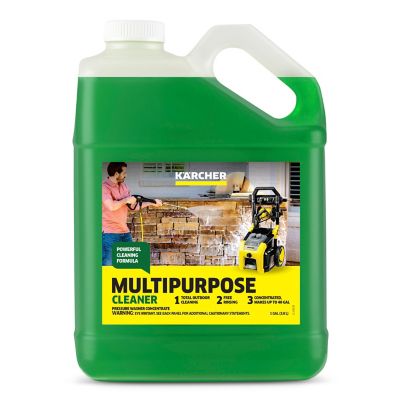
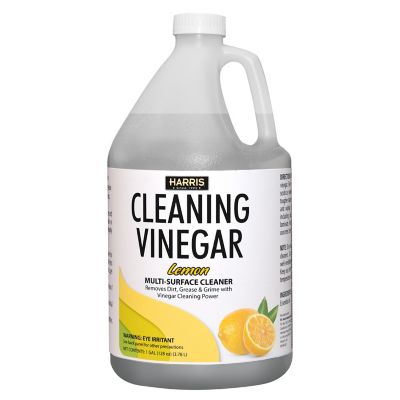
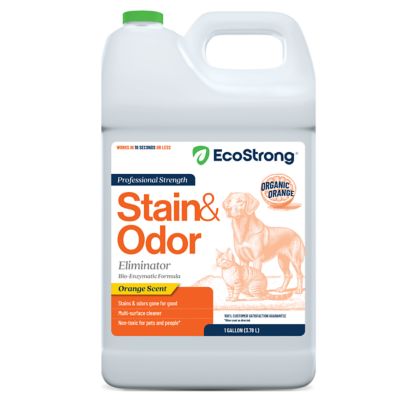
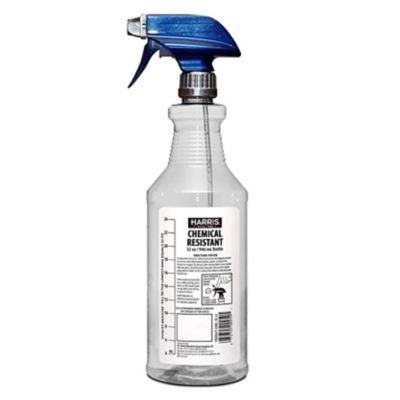
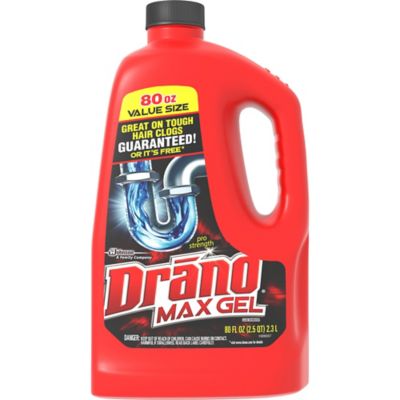
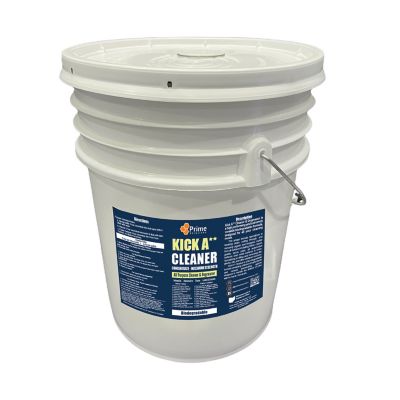
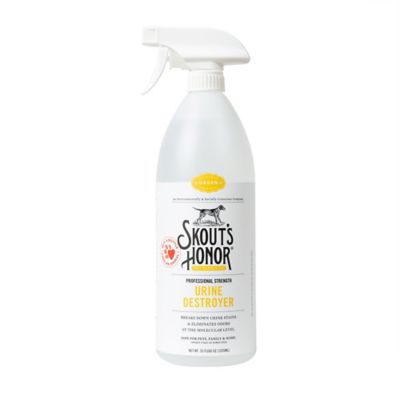
Spring cleaning products cover the everyday supplies and heavier-duty equipment that help clear away tracked-in dirt, settled dust, kitchen grease and the buildup that gathers in busy homes and workspaces. The name may bring open windows and freshly washed floors to mind, but these supplies earn their keep throughout the year, including during the cooler months when boots, pets and extra time indoors add to the mess. For a country home, that might mean clay across the mudroom floor, dog hair along the baseboards or a film of dust on shelves near an often-open back door. A well-rounded cleaning assortment brings together surface cleaners, dusting cloths, scrub brushes, mops, brooms, buckets and waste bags, with each type suited to a different part of the job. All-purpose cleaners handle many routine messes on compatible washable surfaces, while glass cleaners, degreasers and bathroom cleaners address more particular soils and finishes. The distinction matters: something that cuts grease on a washable work surface may not belong on a sealed wood table or natural stone countertop. Product labels spell out suitable surfaces, dilution requirements and any rinsing needs, making them more useful than scent alone when comparing formulas. Ready-to-apply liquids offer convenience for quick wipe-downs, while concentrates require measuring and mixing according to their directions. Fragrance-free options may appeal to households that prefer fewer added scents, though a lack of fragrance does not remove the need for ventilation or label precautions. Cleaning and disinfecting serve different purposes, too. Cleaning removes dirt and residue; disinfecting products carry directions for treating specified germs on listed surfaces, including how long the surface must remain wet. Those details are especially relevant around bathrooms, shared work areas and household touchpoints. For families, pet owners and anyone balancing chores inside and outside, spring cleaning supplies are less about a once-a-year project and more about having the right tools for the surfaces and messes that come with everyday life.
Materials, shape and fit make a noticeable difference when a quick pickup turns into an afternoon of cleaning. Microfiber cloths lift fine dust and help wipe smooth surfaces, while absorbent cotton cloths suit many wiping and drying tasks. A cloth assigned to a bathroom should stay separate from one meant for kitchen counters, and different colors can make that separation easier to maintain. Care requirements vary, but microfiber generally benefits from laundering without fabric softener, which can interfere with its ability to collect dirt and absorb moisture. Cloths and mop heads that can dry fully between jobs are easier to keep ready for the next round. Brush bristles deserve the same attention as cleaning formulas. Softer bristles suit loose dust and more delicate finishes, while stiffer bristles offer scrubbing power for compatible hard surfaces with ground-in soil. Abrasive pads can leave marks on glossy finishes, so surface compatibility matters even when a pad feels mild in the hand. For floors, a broad broom head covers open stretches of concrete, while an angled head fits more easily along edges and around table legs. Mop head size affects both coverage and maneuverability: a larger head can cover an open floor with fewer passes, but a smaller one fits more comfortably around toilets, feed-storage corners and narrow utility rooms. Sealed flooring, unfinished wood and porous masonry have different moisture limits, and excess water can cause trouble even when a cleaning solution is otherwise suitable. Handles with a comfortable grip and an appropriate length can reduce awkward reaching, especially along tall shelves or beneath deep benches. Extension tools are helpful for cobwebs near ceiling corners, provided the head and handle connect securely. Buckets with steady bases and comfortable handles are easier to carry across a threshold, and a wringer helps control how much water reaches the floor. Replaceable heads, washable parts and sturdy attachment points are practical considerations for tools expected to handle repeated chores rather than a single cleanup.
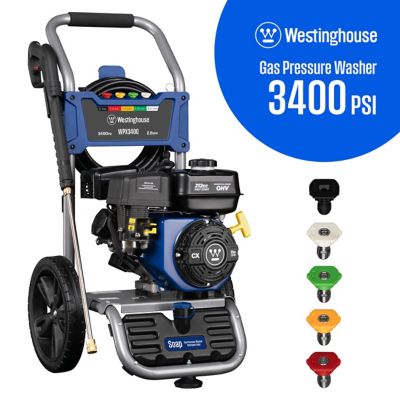
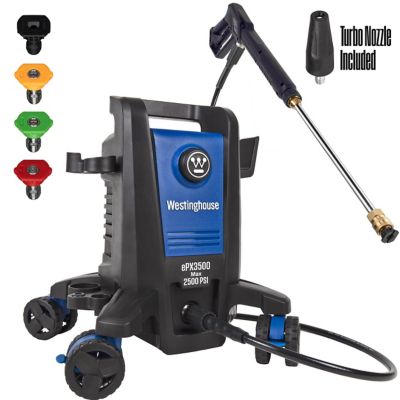
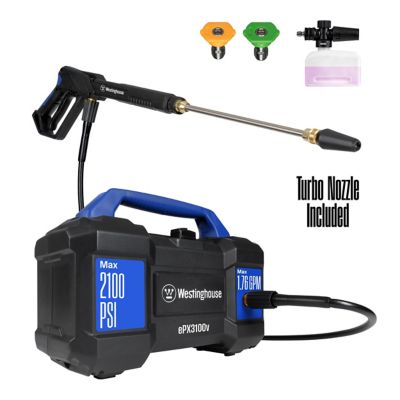
Larger spaces and tougher messes call for attention to equipment capacity, storage and intended use. A vacuum suited to indoor floors can help collect dry dirt and pet hair, with attachments that reach upholstery seams, stair edges and narrow gaps. Filtration, floor-head compatibility, cord reach and the effort required to empty the collection chamber all affect how well a machine fits a household. Wet/dry vacuums serve a different role around certain garage and utility-area spills, but liquid pickup depends on the machine’s instructions and the correct filter setup. Ordinary vacuums are not appropriate for hot ash, combustible dust or hazardous materials. Outdoor cleaning equipment also needs to match the task; a pressure washer’s spray can damage softer wood, strip finishes or force water into places it does not belong. For shops, shared facilities and other larger work areas,
Commercial Cleaning Supplies offers a related category for cleaning needs beyond routine household chores. Across these settings, the supporting supplies matter just as much as the main tool. Gloves need to fit well enough for a secure grip and be compatible with the cleaning chemicals involved, while eye protection may be necessary where splashes are possible. Waste bags should match the container and the weight of the material, with sharp debris requiring suitable containment rather than an overloaded bag. A portable caddy keeps smaller supplies together as chores move from the laundry room to the porch, but chemicals still belong in their original labeled containers, secured away from children, pets, food and animal feed. Bleach must never be mixed with ammonia, acids or other cleaning products. Around pet areas, food-preparation surfaces and animal equipment, label directions for rinsing, drying and access are especially important. Even straightforward upkeep, such as clearing hair from a brush head, rinsing a bucket and letting tools dry before storage, helps supplies stay ready between jobs. The best fit is an assortment matched to the property: gentle care for indoor finishes, enough scrubbing strength for hardworking spaces and manageable tools that make regular cleanup less of a chore.