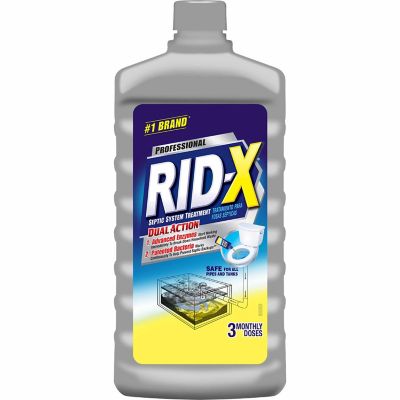
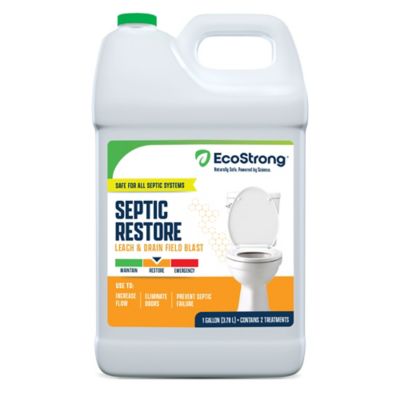
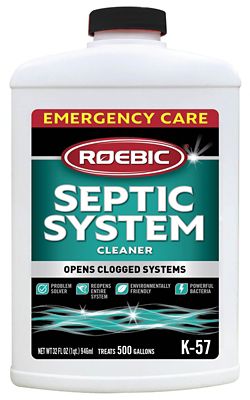
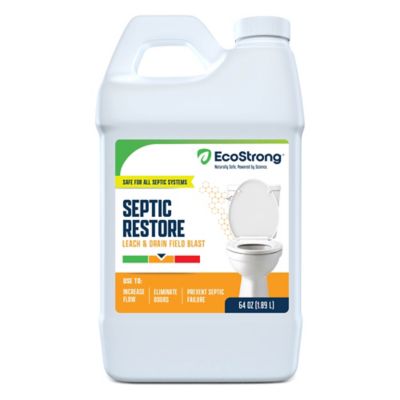
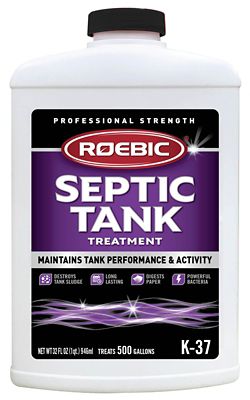
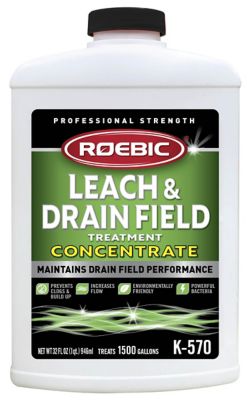
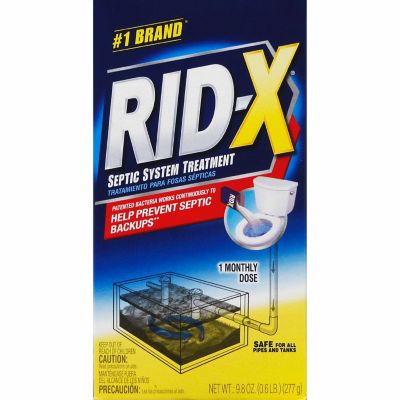
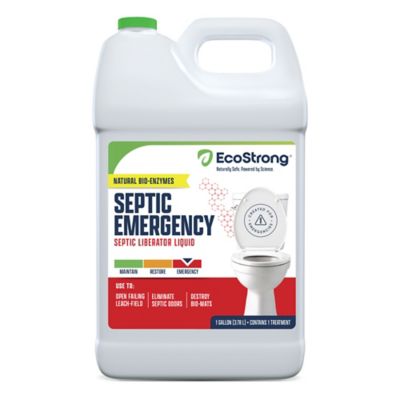
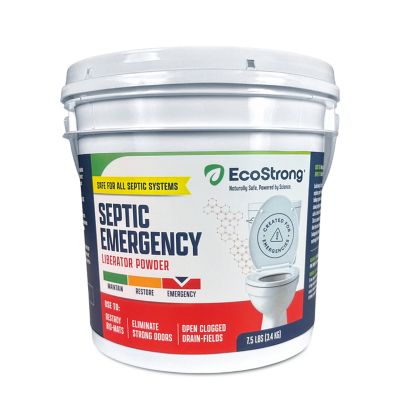
Septic tank maintenance products support the care of an onsite wastewater system, whether it serves a farmhouse, a small acreage, or a home out past the city sewer lines. The category includes bacterial and enzyme treatments, septic-compatible cleaning supplies, and components that help keep system equipment working as intended. A septic tank already contains bacteria that break down organic waste, and a properly functioning system generally does not need additives. Bacterial and enzyme treatments are intended to help break down certain organic materials, but they do not replace tank inspections, pumping, or repairs. That distinction matters when comparing products: a treatment cannot clear out the sludge and scum that eventually need professional removal, and it cannot fix a damaged pipe or failing drain field. Liquid, powder, and premeasured treatment formats offer different handling options. Liquids require attention to measuring and spill prevention, powders need protection from moisture, and individual packets simplify portioning when their labeled dose matches the system. Package directions should identify the intended application, treatment amount, and any restrictions. Tank capacity matters more than the number of bathrooms alone, while household size and wastewater volume help explain how hard the system works. A two-person household and a busy home with several loads of laundry a day can put very different demands on similar tanks. For a property owner comparing septic tank treatments, clear labeling and compatibility with the actual system are more useful than sweeping promises about eliminating maintenance. Claims about reducing odors or breaking down waste also deserve a careful look: less smell does not establish that the tank, plumbing, or drain field is functioning properly. The best fit starts with knowing whether the property has a conventional septic system, an aerobic treatment unit, or another design with its own service requirements.
Compatibility runs beyond tank size. Septic systems can contain concrete, polyethylene, fiberglass, PVC piping, rubber seals, electrical equipment, and filter assemblies, so a maintenance product needs to suit the materials and equipment it may contact. A formula labeled for a conventional tank is not automatically appropriate for an aerobic unit, holding tank, recreational vehicle, or portable toilet. Those applications have different operating conditions, and their treatment products are not interchangeable unless the label specifically allows it. The same care applies to drain cleaners and household cleaning supplies. A septic-safe label does not mean a product can be poured in without regard to quantity, and strong chemical drain openers are not a substitute for finding the cause of a slow drain. Solvents, paint, pesticides, and other hazardous chemicals do not belong in the system. Ordinary cleaning at label-directed amounts is different from sending concentrated disinfectant or repeated heavy chemical doses down a drain. For maintenance components, fit comes down to details such as filter dimensions, connection size, seal shape, and the equipment manufacturer’s specifications. Replacement air-system components for aerobic units also need to match the required output and electrical specifications; a similar appearance is not enough. Materials matter where parts meet wastewater, moisture, or soil. Plastic components need resistance to the conditions specified for their application, while metal hardware needs suitable corrosion protection. Access covers must fit securely and meet the system’s requirements rather than serve as makeshift patches. These are practical considerations for homeowners, rental-property caretakers, and anyone responsible for keeping a rural property running. Packaging matters, too. A tightly closing container, readable directions, and a measuring method that suits the formula make routine handling simpler. Treatment supplies belong in their original containers, away from children, pets, animal feed, and food storage, with gloves or eye protection selected according to the label.
Good septic care also depends on recognizing what a product can and cannot do around the place. A tank treatment cannot make wipes, feminine hygiene products, cat litter, or other nonflushable materials suitable for the system. Cooking grease can collect in plumbing and contribute to trouble farther along, even when a treatment mentions fats or oils on its label. Water habits matter as well: several back-to-back laundry loads, a running toilet, or a leaking fixture can send extra water through the tank and reduce settling time. Maintenance supplies make the most sense alongside sensible household habits and a service schedule based on the property. For many conventional household systems, general guidance calls for an inspection at least every three years and pumping about every three to five years. Actual timing depends on tank size, the number of people in the home, wastewater volume, and measured sludge and scum levels; systems with pumps, floats, or mechanical treatment equipment may need more frequent checks. Keeping service records with the tank capacity and equipment details makes future product comparisons easier, especially after moving to a property with an unfamiliar system. Persistent sewage odors, gurgling fixtures, wastewater backing up indoors, or wet ground over the drain field call for professional evaluation rather than another dose of treatment. Sewage exposure is a health concern, and opening or entering a septic tank is not a household maintenance task. Elsewhere around the home, a damp utility room or crawl space may call for
Mold Prevention Products, but moisture control is a separate job from treating wastewater, and a sewage leak needs its source corrected. For septic maintenance products, the useful details remain straightforward: the right application, a clear dose, compatible materials, safe handling directions, and an honest role within ongoing system care. Those details help separate routine maintenance supplies from problems that need a septic service professional.